Pandemic and transition: Sharing risk
When disease, prices, and disasters enter life at the same time, how do public institutions distribute risk?
The 2020 COVID-19 pandemic changed cross-border travel, work, study, and care arrangements; the postponed Tokyo Olympics were held in 2021 with spectator limits at Tokyo venues. The 2023 reclassification of the infectious disease moved society into a new policy phase, but did not mean health effects and care burdens disappeared. Long-term population aging and nonregular employment left families with different capacities to cope with shocks, and the 2024 Noto earthquake again exposed difficulties of transport and rescue in remote areas. In the same year, the Bank of Japan adjusted its long-standing easing policy, and prices, wages, and financing conditions re-entered public discussion. This chapter describes only verifiable changes through the end of 2024 and does not predict the outcome of the transition.
01 / 2020–2024 (observation cutoff December 31, 2024)How this era began
Before the pandemic arrived, Japan already faced population aging, labor market stratification, and pressure on local public services, and evacuation and recovery after the 2011 disaster were still continuing. Many families depended on complex care arrangements and in-person services, and the risk preparedness of the state and corporations could not be inferred from average national income. The new disease therefore acted on existing structures rather than allowing everyone to enter a shared experience from the same conditions.
Why did this era begin?
The first reported case in January 2020 still carried uncertainty about the cause, transmission, and importation risk, and prevention measures and social responses were subsequently adjusted as knowledge, resources, and the pandemic changed. The holding of the 2021 Olympics with spectator limits showed the difficulty of coordinating large events and public health; the 2023 change in legal classification rearranged the boundary between government requests and individual choice and cannot be simplified as the virus disappearing.
02 / 2020–2024 (observation cutoff December 31, 2024)Who held power
The central government, the Ministry of Health, Labour and Welfare, local governments, and health institutions bear different responsibilities, while medical and care workers, employers, schools, and families carry out or adjust day-to-day arrangements. Classification and policy during the pandemic were institutional choices made on specific dates, and a single notification should not be treated as permanent health advice. Monetary policy is likewise decided at central bank meetings, and dissent and forecasts at those meetings should be kept separate from outcomes that were actually realized.
What tensions existed within the era?
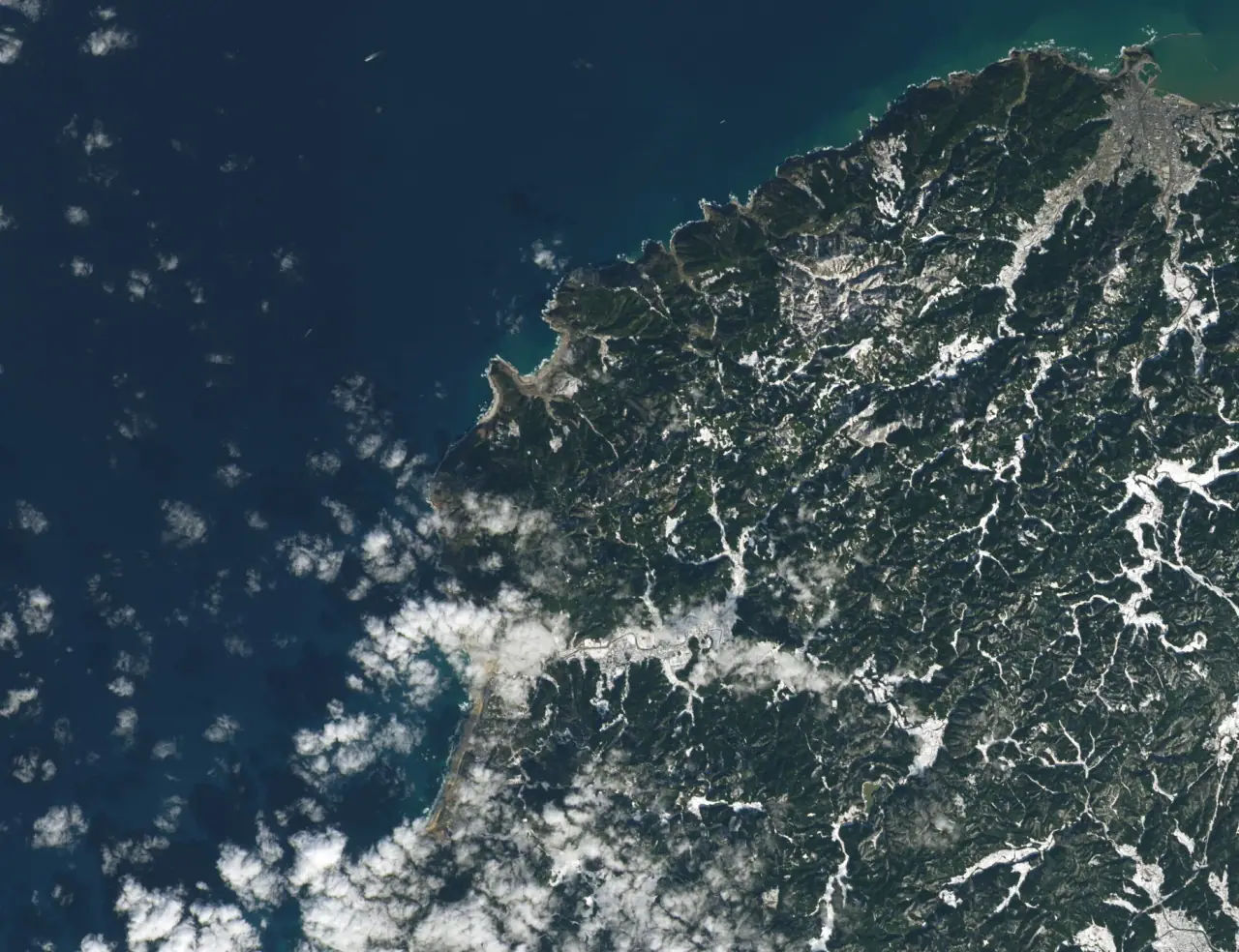
How public health measures affected income, education, and care cannot be measured only by cases or by whether events were held. Non-regular workers and those bearing unpaid care may find it harder to shift risk, and local aging also affects disaster evacuation and service recovery. After the Noto earthquake, blocked roads and changes in the port environment required scientific observation and local rescue coordination; satellite imagery does not automatically provide a complete answer to residents' needs.
03 / 2020–2024 (observation cutoff December 31, 2024)How society worked
Contact-based services, cross-border activity, and household work arrangements were hit by the pandemic, and recovery opportunities differed by occupation and region. Rising prices and whether wages keep pace affect consumption, and the situations of saving households, tenants, and borrowers under policy adjustments also differ. In March 2024 the central bank ended the existing negative interest rate and yield curve control framework; the new short-term rate guidance is not proof that economic difficulties have been resolved.
How did ordinary people live?
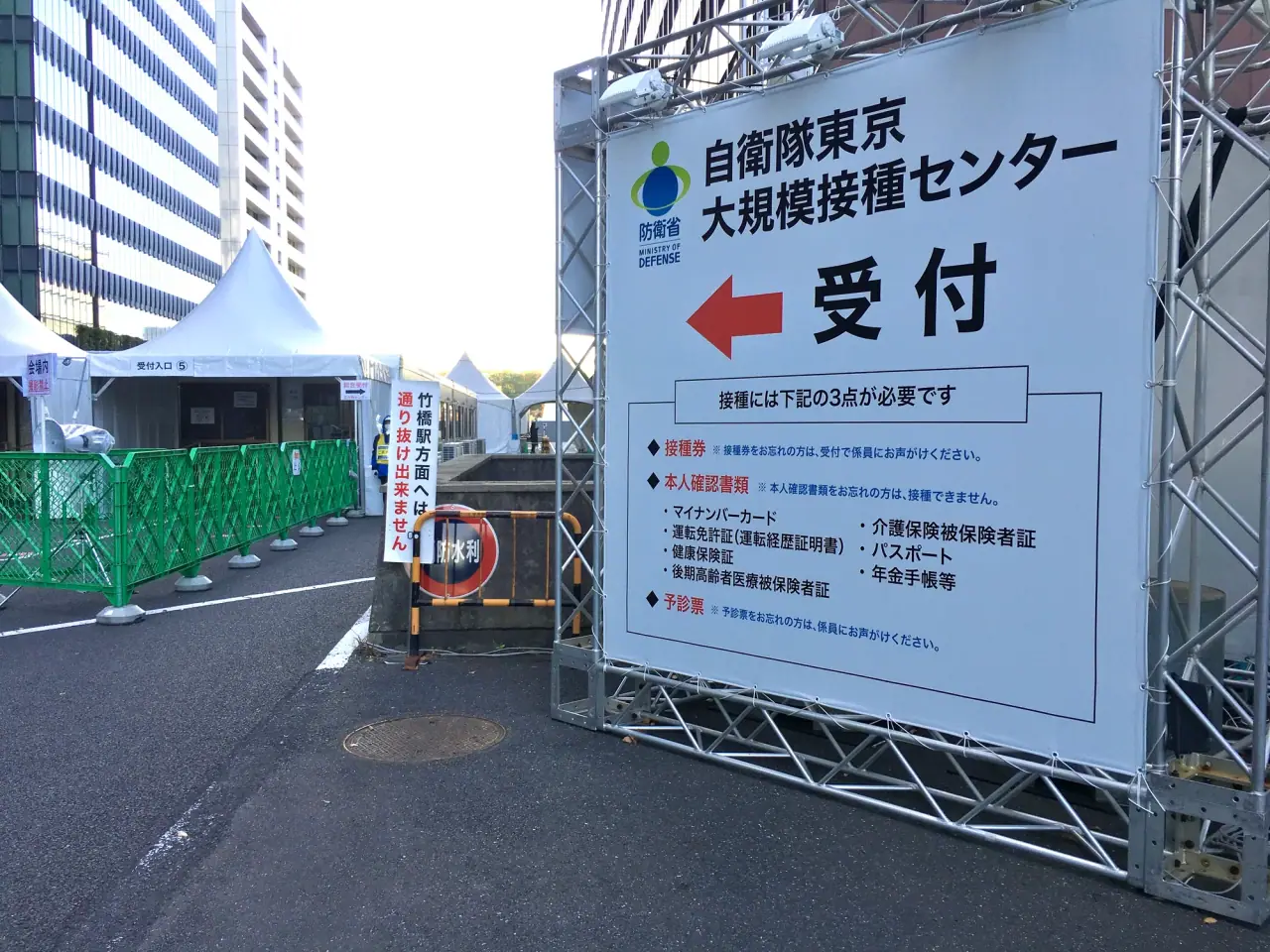
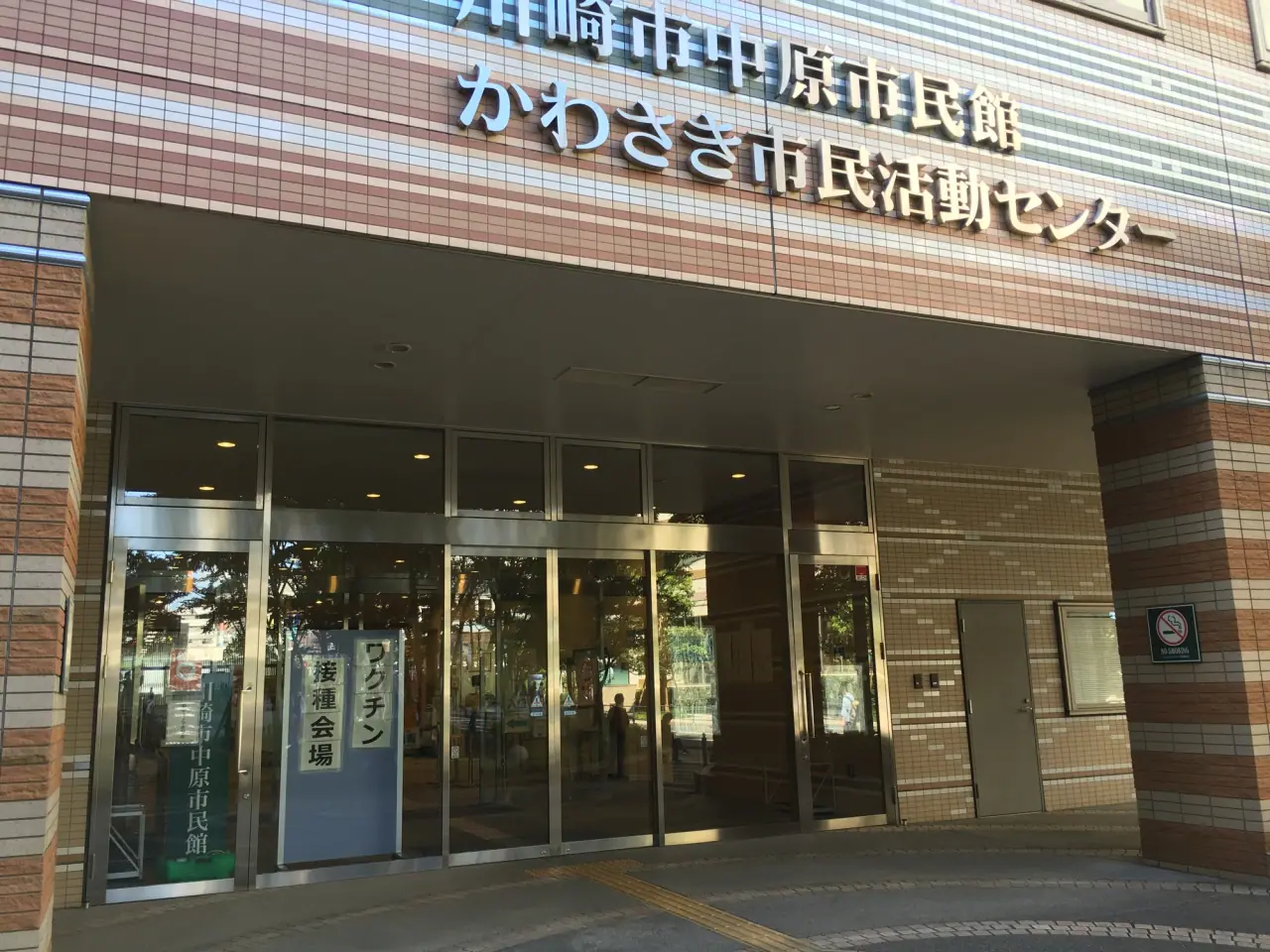
Households had to rearrange time among work, caring for older people, children's education, and health risks; vaccination sites, hospitals, and community services show how institutions enter neighborhoods. In the 2023 data recorded in the 2024 edition of the statistical handbook, the population aged 65 and over was about 29.1%, and the proportion of non-regular employees and gender differences were also prominent; these aggregates help explain demand but cannot replace individual caregiving stories.
04 / 2020–2024 (observation cutoff December 31, 2024)Where change began
By the end of 2024, the pandemic classification had been adjusted, society was still dealing with recovery, prices, and demographic structure, and life after the Noto disaster was far from restored to its original state simply because emergency rescue had ended. This chapter closes on a fixed date and preserves the uncertainty in the policy process. The central bank's 2024 judgments, the 2023 observations in the statistics, and the initial information at the time of the disaster should not be merged into a conclusion claiming to be settled.
Milestones that changed direction
2020: First COVID-19 case notified
On January 16 the WHO reported Japan's confirmed case and the investigation information available at the time; this is a historical record and cannot replace current medical advice.
2021: The postponed Tokyo Olympics held
The event, still named Tokyo 2020, was held in 2021, with spectator limits at Tokyo venues, reflecting institutional coordination between public health and large events.
2023: COVID-19 reclassified as Class 5
After the classification change on May 8, the relationship between government epidemic-prevention requests and the arrangements of individuals and businesses was adjusted; the reclassification does not mean the disease's impact fell to zero.
2023: Fixed observations of population and employment structure
The 2024 edition of the statistical handbook records that in 2023 the population aged 65 and over was about 29.1%, and non-regular employees made up about 37.1% of non-executive employees; the publication year and the data year are kept separate.
2024: Noto Peninsula earthquake
The earthquake occurred at 16:10 on January 1; the Meteorological Agency reported magnitude 7.6 and maximum seismic intensity 7; recovery of transport, ports, and communities requires long-term work.
2024: Adjustment of the monetary policy framework
On March 19 the central bank decided to make the short-term interest rate its main tool, and from the 21st the operating target was the overnight rate at about 0–0.1%; this is the decision at the time, not a judgment of future effects.
What we know
The WHO's 2020 notification can verify the first confirmed case information and what was then unknown, and the original Ministry of Health, Labour and Welfare text can verify the 2023 classification change; the two serve different purposes and times. The statistical handbook must indicate the observation year of the figures in its tables, and central bank decisions must distinguish votes from outlook. The Meteorological Agency's fixed monthly reports record the Noto earthquake situation, and photographs and remote-sensing images from the disaster area should separately note the dates of capture and processing; a constantly changing casualty count should not be used as an undated total.
Questions still debated
Evaluating pandemic measures involves different measures of health harm, income, education, and care, and a single indicator cannot deliver a blanket verdict on all phases. Aging is also not a synonym for inevitable stagnation; policy, technology, and distribution still leave room for choice. The effects of the 2024 policy normalization had not fully appeared by the cutoff of this chapter, and discussion of its trade-offs should preserve committee dissent rather than treating forecasts as historical conclusions.
Legacies for later generations
This period made the links among health, care, employment, and local infrastructure more visible, and long-standing institutional problems entered public view through sudden shocks. Medicine and remote sensing and other technologies provide important evidence, but actual implementation still depends on nursing, transport, community liaison, and household labor. Historical records should preserve what was known at the time, how decisions were made, and who bore the costs, rather than judging everyone's choices solely by later outcomes.
References and evidence
These materials support this page's account. Check the purpose, perspective and accessible scope of each source. Notes identify the evidential limits of excerpts, summaries and timelines.
- Japan's COVID-19 Case Notification of January 16, 2020World Health Organization · Primary source
Actually read the fixed-date outbreak notification; used only for cases reported at that time and the limits of understanding; the temporary health advice from 2020 is not treated as current guidance.
- The 2023 Reclassification of COVID-19Ministry of Health, Labour and Welfare, Japan · Primary source
Actually read the text on the May 8, 2023 shift to Class 5 and the administrative and medical payment arrangements; explains only the institutional transition at that time and provides no current medical advice or claim that the disease has disappeared.
- Tokyo Olympics Spectator Restrictions: Institutional Statement of July 2021International Olympic Committee · Primary source
Actually read the July 9, 2021 release and statement, reflecting the organizers' position; the Tokyo 2020 name and the actual 2021 holding are listed separately; free news use is not mistaken for a CC license for images.
- Japan Statistical Handbook 2024: Population, Labor, and EconomyStatistics Bureau, Ministry of Internal Affairs and Communications, Japan · Primary source
September 2024 edition, mainly compiling data available as of April 30. Read fixed table sections such as printed pages 13–14 and 131–133; 29.1% aged 65 and over in 2023, and 37.1% non-regular employment among employees (excluding executives); do not mistakenly call these measurements taken at the end of 2024.
- January 2024 Japan Seismic Activity ReportJapan Meteorological Agency · Primary source
Actually read the February 8, 2024 report: January 1 at 16:10, M7.6, maximum seismic intensity 7. Casualty figures change by notification date; this text does not cite dynamic final totals.
- March 19, 2024 adjustment of the monetary policy frameworkBank of Japan · Primary source
Read the six-page formal decision and attachments, distinguishing the March 19 resolution, the new operational guidelines taking effect on the 21st, the 0–0.1% overnight interest rate target, and the committee's forecasts; do not present forecasts as results already achieved by the end of 2024.
- Great East Japan EarthquakeReconstruction Agency of Japan · Primary source
Checked materials on the March 11, 2011 disaster, tsunami, and reconstruction; the government's reconstruction narrative should be cross-checked against residents' experiences.
At the end, bring this chapter to a close.