Today's world
has its roots in history.
Cross borders and return to moments in time.
Start with an image and discover how a country came to be.
Four countries,
four paths into the world.
From the rise and fall of empires to an ordinary day.
Choose a starting point and follow images into history.
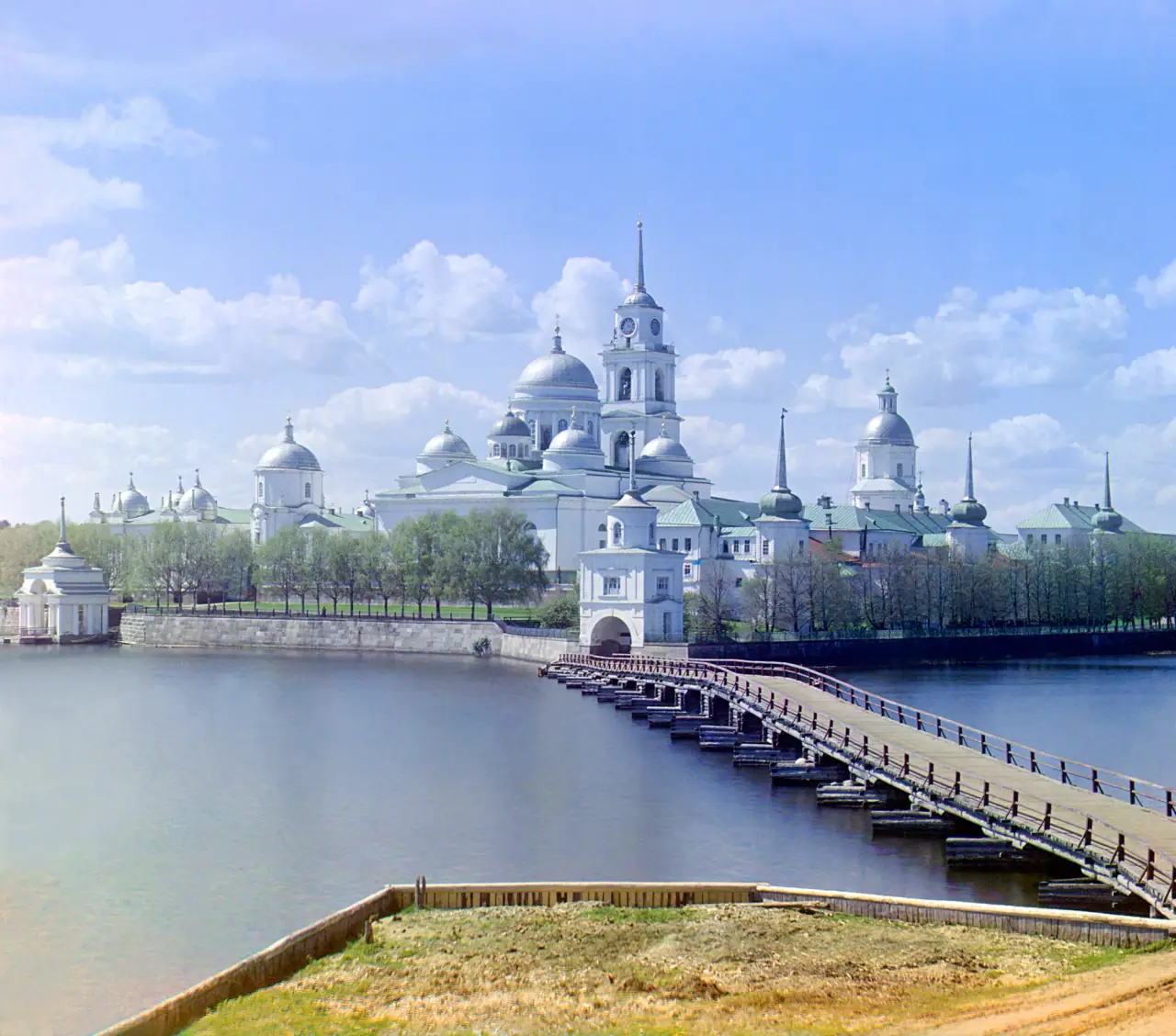
01 / CIVILIZATION ARCHIVERussia
Between rivers and steppes, the reorganization of state, empire, and society
 02 / CIVILIZATION ARCHIVE
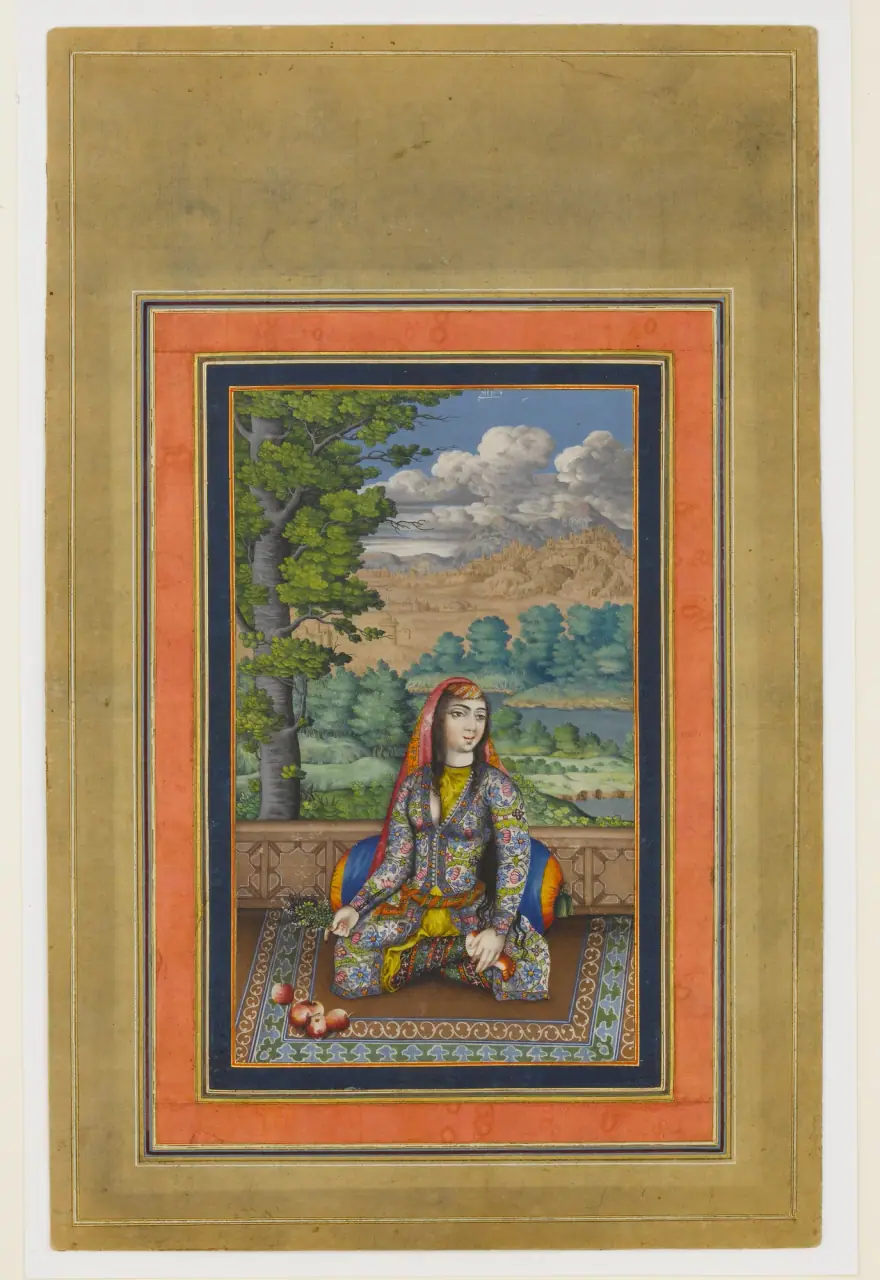
Iran
Empires, Faith, and the Long Life of the Persian Language
 03 / CIVILIZATION ARCHIVE
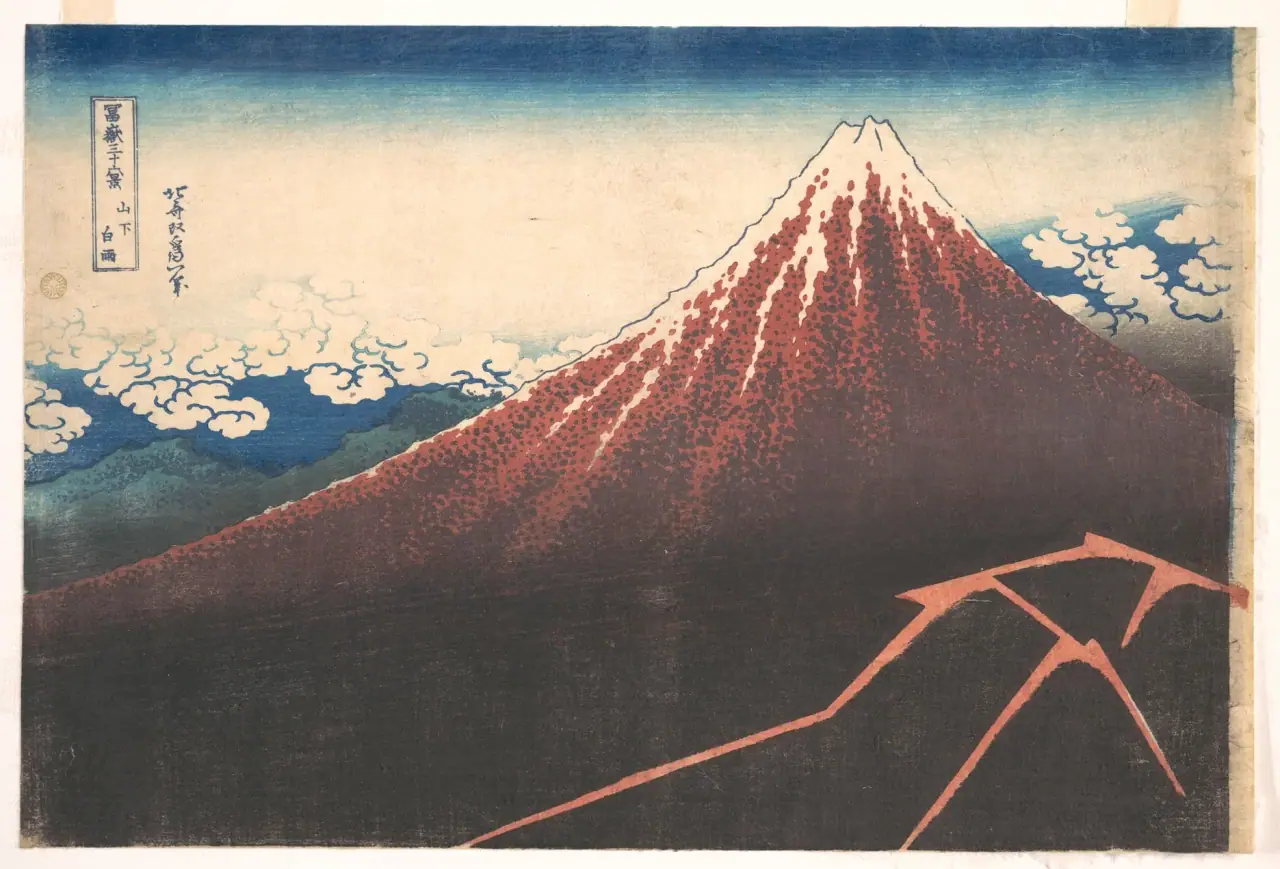
Japan
Continually reorganized between the islands, sea routes, and the world
 04 / CIVILIZATION ARCHIVE
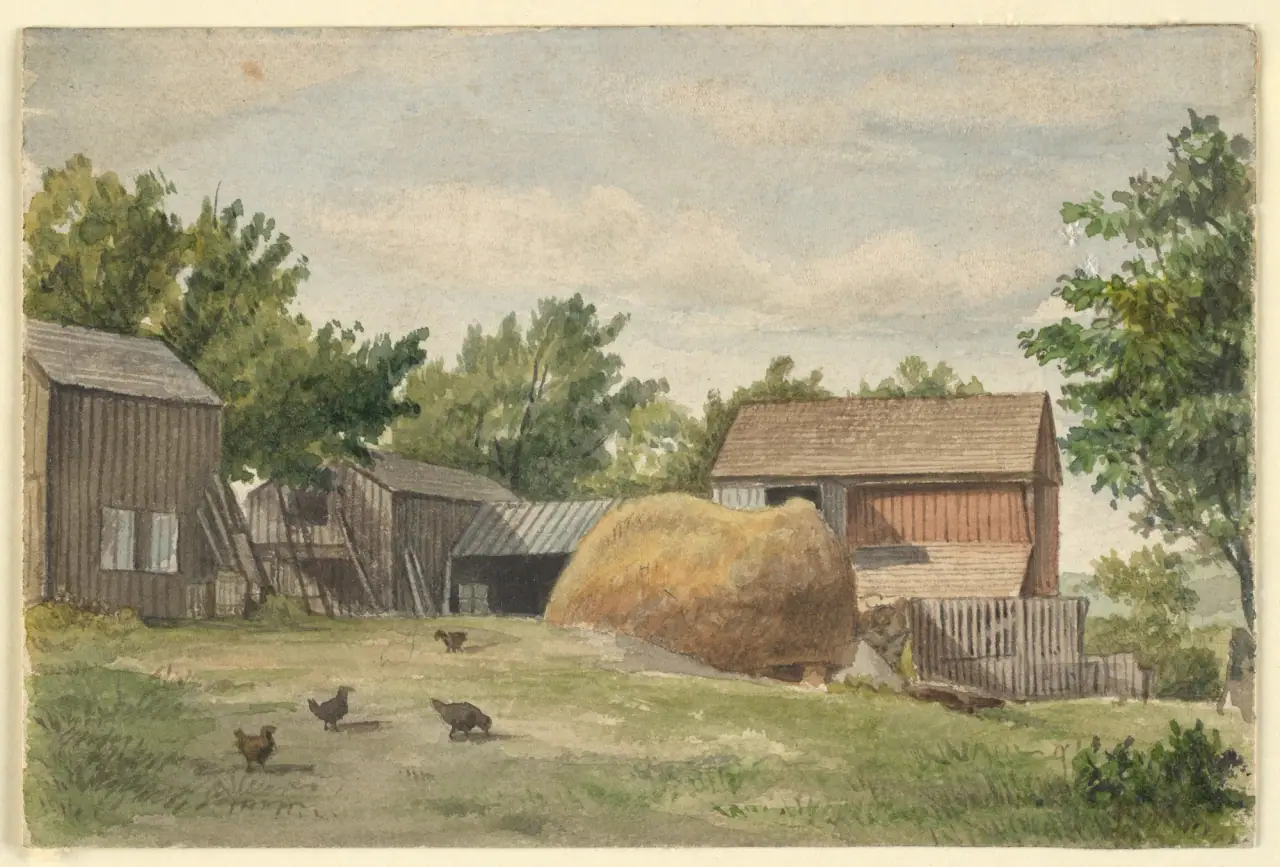
United States
The promise of freedom, and the people who fought for it
Explore 4 countries. All content retains sources and review status.
See the world in connection.
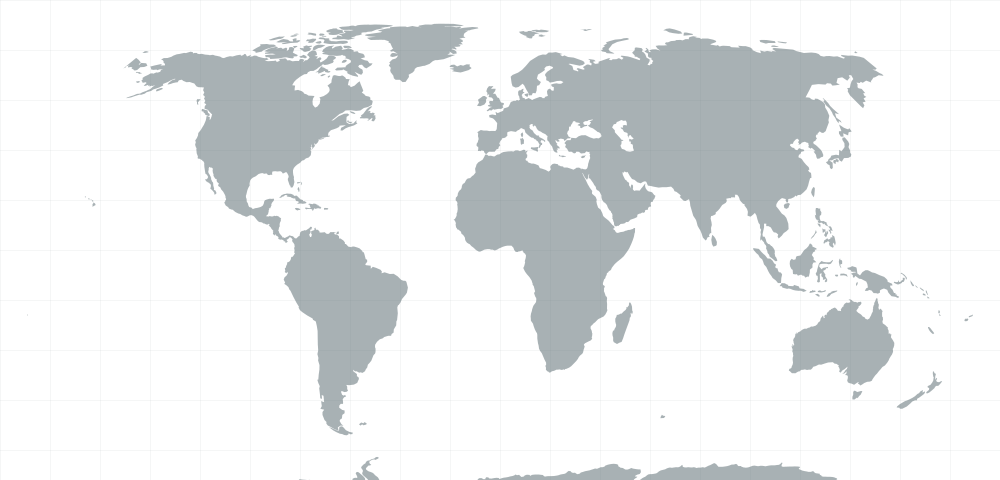
How has a country spanning Eurasia repeatedly remade itself amid expansion, reform, and social costs?
19 historical chaptersOne era, different worlds.
As industrialization transformed production, reform and revolution reshaped power.
The 1861 emancipation of the serfs
How did legal freedom become rights in lived life?
The Iranian Constitutional Revolution
Writing demands for justice into law still required the struggle to enforce it
Meiji Restoration
From the gunboat crisis to national reorganization
Forced removal of Indigenous peoples
Dispossession beneath the language of law
Big history lives in small details.
A photograph, an album page, a shop.
Follow the image's details into its historical world.
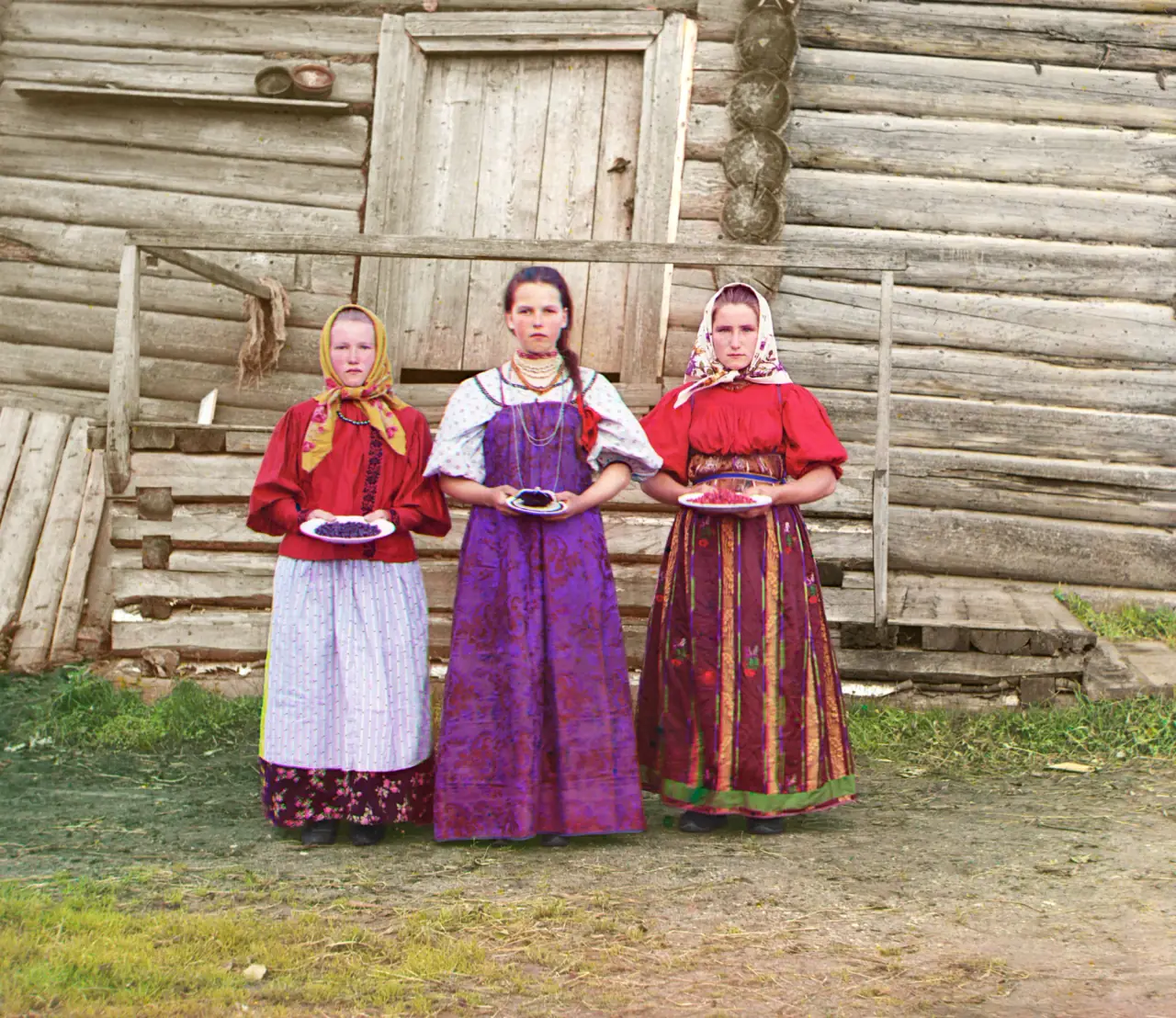
Life outside a wooden house, change inside an empire
Industrialization concentrated workers in large cities, while demands over land and nationality politics remained strong. The 1905 Revolution forced the monarch to promise freedoms and a Duma, yet conflict between autocracy and representative institutions continued; the Great War ultimately weakened supply, army loyalty, and the regime's credibility. Railways linked factories, markets, and the front, and also allowed strikes and news to spread beyond local boundaries. The existence of the Duma made institutional conflict public, but did not resolve the question of to whom the government was accountable. The Great War did not simply apply pressure to an unchanging old society; it interrupted an imperial order that was already changing and had accumulated deep contradictions.
Follow this image into its era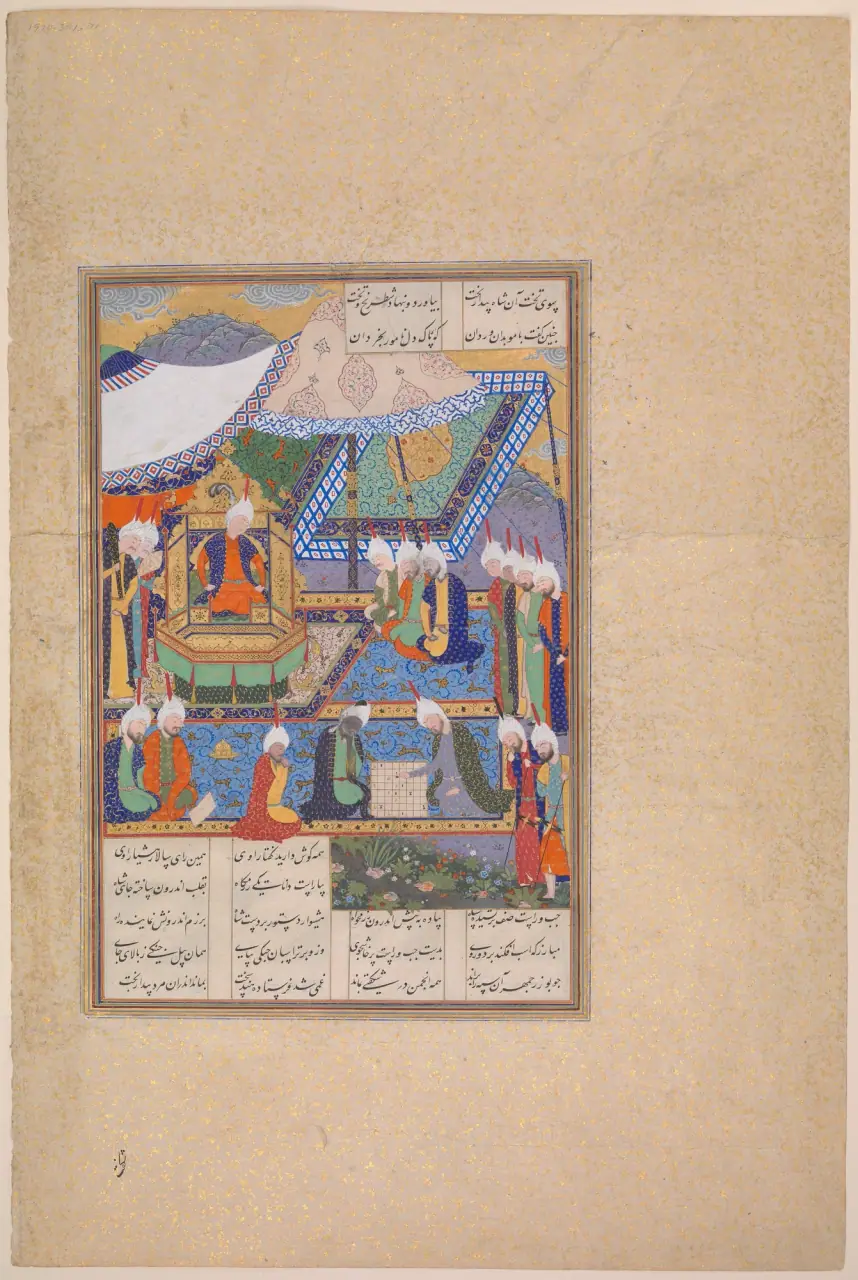
How an album page imagined an earlier world
Isfahan's square places mosques, the court, and the market in a single view, but very different people and powers stand behind it. The Safavids rose from a Sufi order and the Qizilbash military network, established Twelver Shi'ism as the official faith, and then underwent long periods of missionary work, institution building, and coercion. The royal house, tribal soldiers, civil officials, and legal scholars both cooperated and competed for resources; Abbas I developed a new capital, the army, and trade, and also changed many families through war and forced relocation. Splendid architecture and the silk trade can demonstrate state capacity, but they must not obscure the costs borne by Caucasus inhabitants and religious minorities, still less imply that in 1501 the whole country had simultaneously become one community of faith.
Follow this image into its era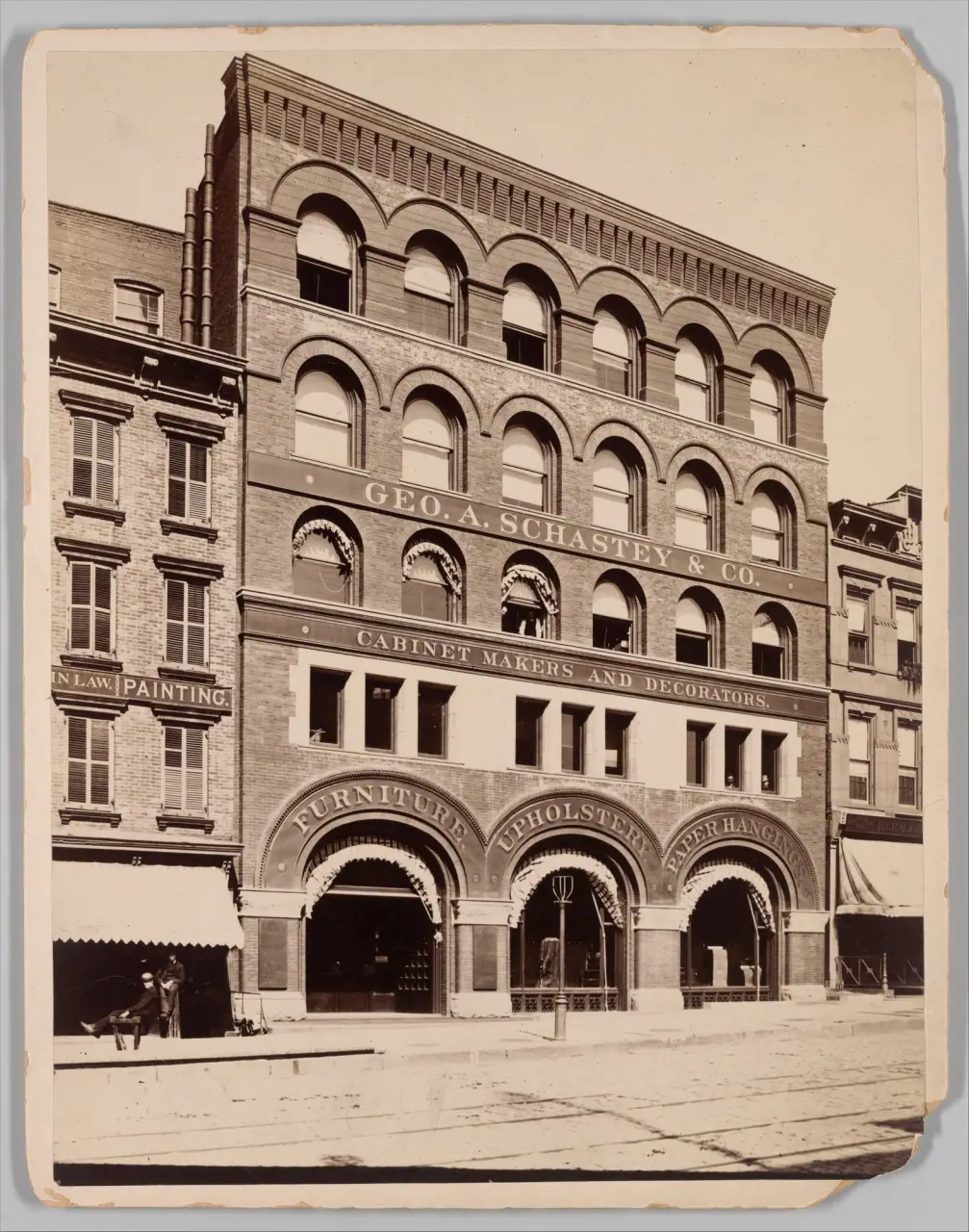
Behind the shopfront: A city of industry and migration
After the Civil War, railroads, steel, energy, and finance bound regional markets more tightly together. Corporate consolidation, technology, and government land and tariff policies jointly promoted industrial growth, while immigration and internal migration supplied labor and also brought new families and communities. Strikes, child labor, and dangerous work revealed the distributive costs of wealth growth; the Chinese Exclusion Act wrote racialized boundaries into federal immigration governance, and the Dawes Act further accelerated the division of Indigenous lands. Overseas expansion further challenged the republic's claims about consent and citizenship. Understanding this era requires looking simultaneously at factories, workers' organizations, and the spaces of the dispossessed, not merely treating large machines as a panorama of progress.
Follow this image into its eraCyrus conquers Babylon
In 539 BCE, Cyrus's army ended the rule of the Neo-Babylonian dynasty, but military victory was only one layer of the takeover. The new ruler needed temples, scribes, local elites, and production to keep functioning, and the cylinder inscription therefore uses Babylonian religious and royal language to explain that Marduk supported the new king. The text displays promises to restore order and sacrifices, and also omits many of the conquered people's individual experiences. Conquest, collaboration, and royal propaganda should be analyzed together; later use of the cylinder as a national symbol belongs to another period of history. It can help in understanding ancient ruling strategies, but it cannot be directly treated as a modern universal code of human rights or as evidence that all residents unanimously welcomed the new rule.
539 BCEA photograph has a frame. An archive has a perspective.
We retain sources, dates and uncertainty so every interpretation can return to evidence.