Heisei-Reiwa Transition: Society After Growth
When society no longer grows rapidly, how should work, care, and risk be distributed?
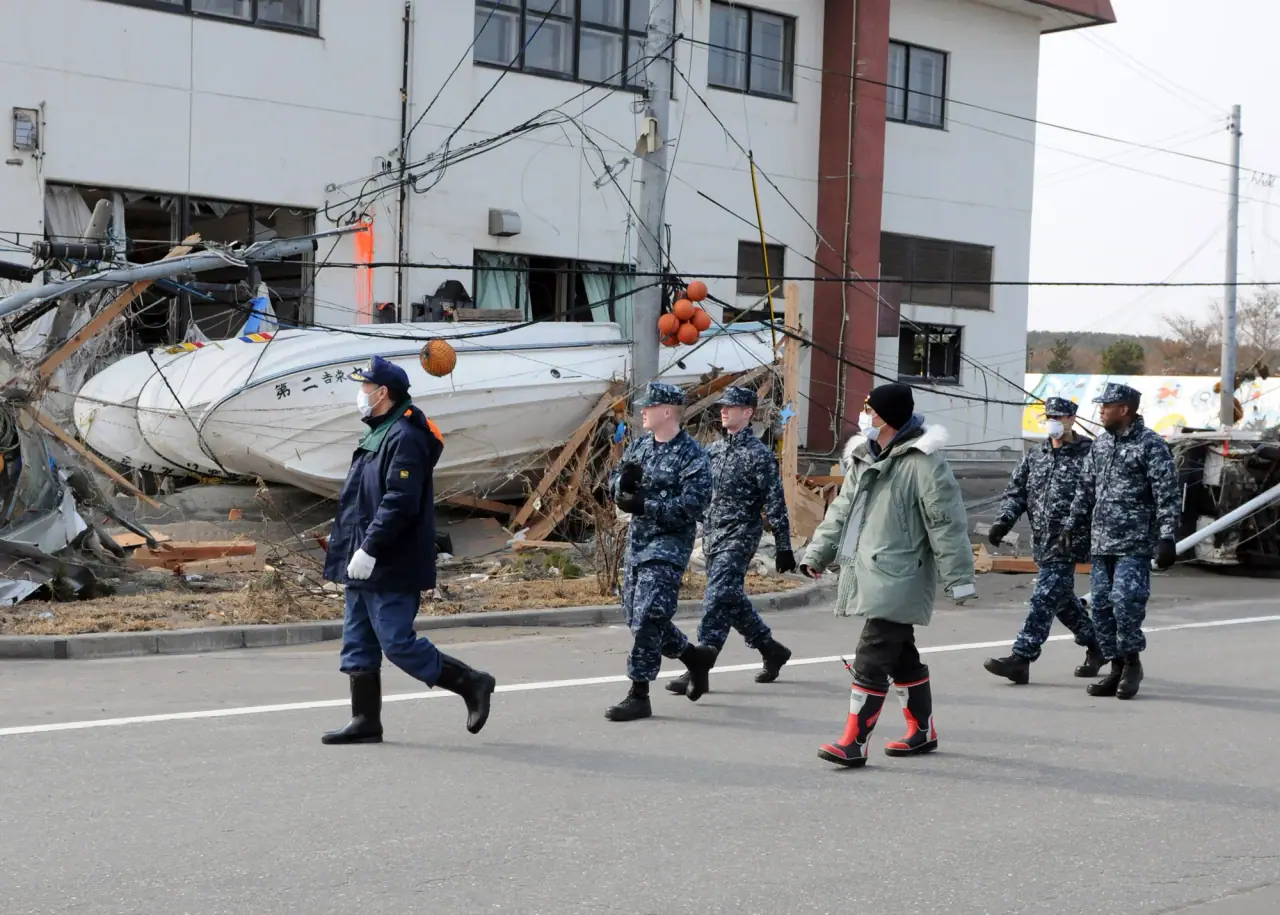
Debt and banking problems after the bubble burst changed expectations for investment and employment, but the "lost decades" cannot summarize every industry and every year. Firms adjusted within global production networks, households faced unstable work, aging, and care arrangements, and average economic indicators struggle to explain individual circumstances. The 1995 Great Hanshin-Awaji Earthquake and the 2011 Great East Japan Earthquake, tsunami, and Fukushima nuclear accident made infrastructure, evacuation, and risk governance public issues. Residents' mutual aid, local organizations, and long-term relocation are all part of reconstruction history. The start of the Reiwa era in 2019 was a change of era name and did not mean that problems of employment, energy, and regional contraction ended at the same time.
01 / 1989–2019How this era began
Asset price rises in the late 1980s raised collateral values and loan volumes, and investment rested on expectations of continued price increases and demand expansion. High housing and land prices had already changed household choices, and labor institutions and welfare arrangements often assumed stable corporate employment and a younger population. The end of the bubble therefore not only affected financial markets but also exposed old conditions on which production, care, and intergenerational distribution depended.
Why did this era begin?
Falling stock prices, land adjustments, and nonperforming loans were transmitted through bank and corporate balance sheets, and delays in dealing with them increased economic pressure. Firms cut investment, debt, and labor costs; choices that restored profits at the individual level could, taken together, depress demand. Global competition and demographic change acted alongside the bubble's legacy; not every episode of low growth had the same cause, and it cannot be said that the entire period had no recovery.
02 / 1989–2019Who held power
The Diet, cabinet, central bank, and local governments addressed financial, employment, and disaster problems with different tools, while the media, courts, and residents' groups took part in oversight; responsibility did not rest only with technical experts. The long period of dominant party rule also saw changes of government. In major disasters, central coordination and local knowledge needed to be combined, and officially announced construction progress or lifting of evacuation orders was not the same as whether residents could return to their former lives.
What tensions existed within the era?
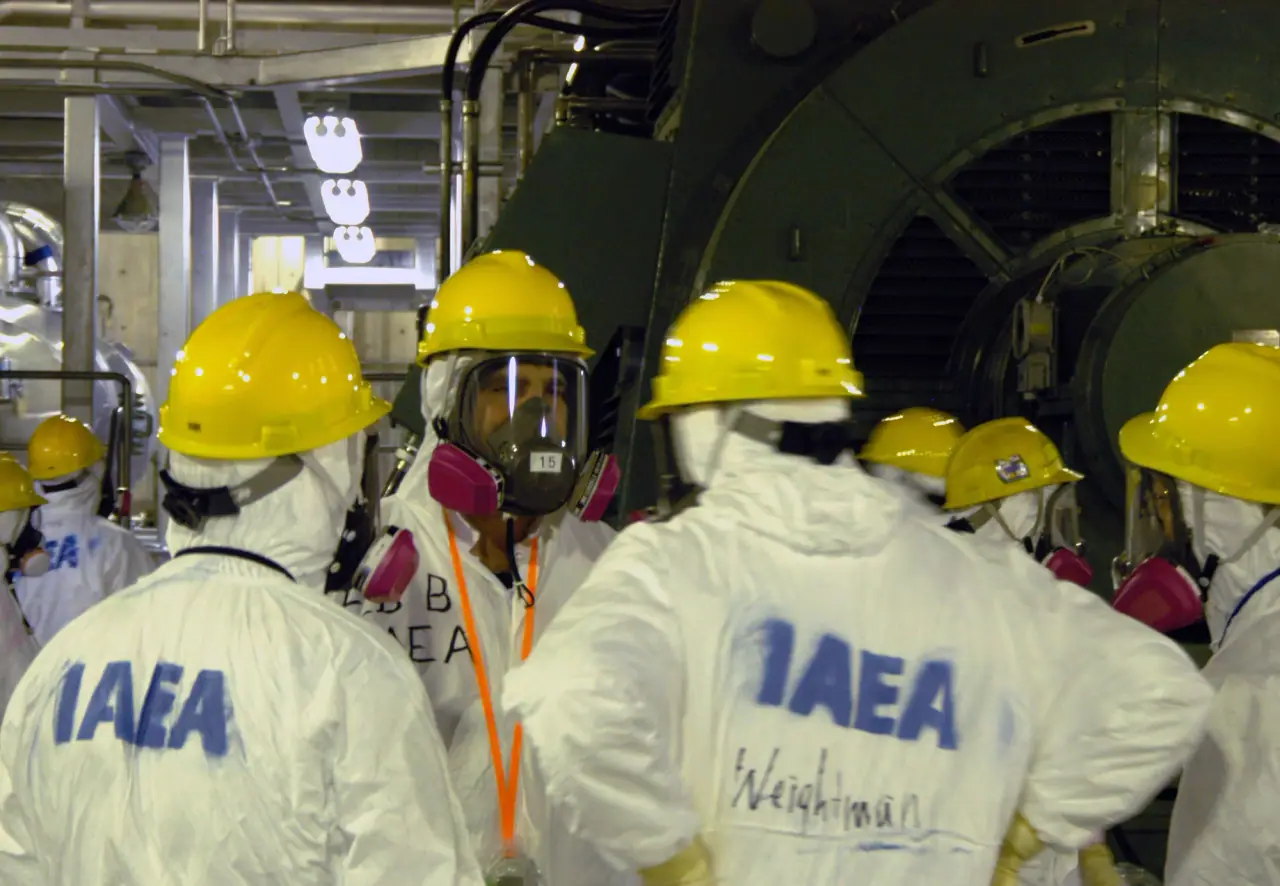
There was distributive conflict between financial recovery and labor cost adjustment, and care responsibilities and job opportunities also differed by gender, generation, and region. The nuclear accident linked low-probability, high-consequence risk, regulation, and energy supply, and evacuated residents also faced questions of continuity of life and their relationship to their hometowns. Official safety or reconstruction indicators are part of the evidence and cannot be directly equated with all residents' trust and acceptable risk.
03 / 1989–2019How society worked
Corporate restructuring and transnational industrial division of labor changed production and career opportunities, services and nonregular employment expanded, and banks' disposal of bad loans and monetary policy sought to support recovery. Stable prices, corporate profits, and household security did not necessarily move in step, and the timing of young people's entry into the labor market also affected long-term income. Population aging changed demand and public finances, and living standards or policy success cannot be judged by aggregate growth alone.
How did ordinary people live?
Families arranged time among work, childrearing, and caring for elders; nonregular employment could make income and security more unstable, and regional transport, schools, and medical services also affected where people chose to live. After disasters, residents faced temporary housing, loss of neighbors, and relocation, and reconstruction did not end when buildings were completed. Volunteers and local mutual aid expanded public participation, but their efforts should not be used to absolve the state and corporations of institutional responsibility.
04 / 1989–2019Where change began
After 2011, disaster areas continued cleanup, infrastructure repair, and handling of the nuclear accident, and many families' relocation and income problems spanned years. On May 1, 2019, Naruhito acceded and the Reiwa era began; what changed was the throne and the era name, and social structural problems did not automatically resolve because of it. This chapter ends with the 2019 transition; the subsequent pandemic and the 2024 disaster are described separately according to fixed observation dates, avoiding a constant chase after real-time news.
Milestones that changed direction
1989: Start of the Heisei era and the asset boom
The era name change and the peak of the stock market bubble occurred in the same year, but there was no economic causal relationship caused by the era name.
Around 1990: Stocks and land enter adjustment
The turning point in asset markets gradually exposed debt and mortgage risks, and the timing paths of stock and land prices were not the same.
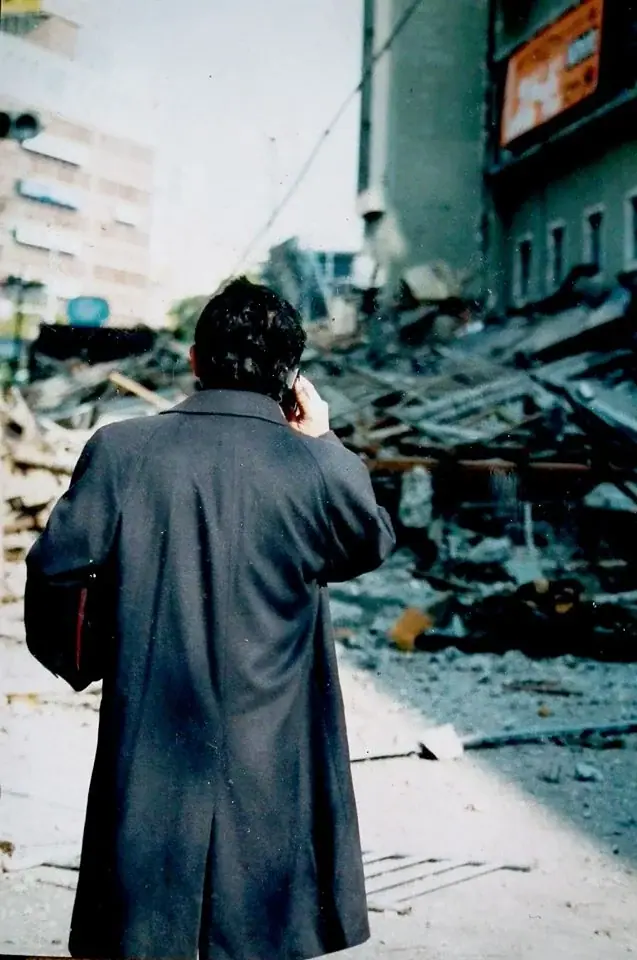
1995: Great Hanshin-Awaji Earthquake
The January 17 shallow-focus earthquake beneath the city destroyed housing, transport, and living systems, and rescue and community reconstruction became long-term public tasks.
2003: Financial and structural adjustment continues
A central bank speech explicitly stated that nonperforming loans, employment adjustment, and demographic change remained unresolved; this was a judgment at the time, not a final conclusion about the entire period.
2011: Earthquake, tsunami, and nuclear accident
After the March 11 Great East Japan Earthquake came widespread tsunami destruction and the Fukushima Daiichi nuclear accident, and rescue, evacuation, and relocation affected different regions.
After 2011: Long-term evacuation and community reconstruction
Infrastructure repair, decontamination, and evacuation policy continued, and construction progress and whether an individual is willing or able to return home are not the same indicator.
2019: Start of the Reiwa era
Naruhito acceded on May 1, and the era transition did not end the existing problems of low growth, care, and post-disaster life.
What we know
Central bank research and policy speeches reveal financial adjustment mechanisms and the judgments of those involved, and must be compared with statistical series and household materials. Disaster prevention agencies and the Reconstruction Agency can verify disaster dates, facility damage, and evacuation information for specific dates, but constantly updated figures cannot be treated as eternal totals. On-site photographs and residents' materials supplement spatial and lived experience, and 2011 survey photographs must also indicate the actual month they were taken.
Questions still debated
"Lost decades" is convenient for summarizing balance-sheet adjustment but may obscure industry, region, age, and different phases of recovery. Regarding secular stagnation, the relative weight of bad loans, demand, productivity, and population structure remains debated, and it cannot be attributed only to national character or a single policy. Post-disaster nuclear safety and reconstruction results involve risk standards, procedures, and fairness, and scientific measurement should be distinguished from social acceptability.
Legacies for later generations
The experience of low growth, aging, and disaster governance has comparative value, but it cannot become the sole label for describing Japanese society as stagnant or declining. Production technology, culture, and local action continued to change, and policies were adjusted many times. In evaluating the economy and reconstruction, looking at both national aggregates and income stability, care, community ties, and informed participation is necessary to avoid reducing people's lives to a single growth rate.
References and evidence
These materials support this page's account. Check the purpose, perspective and accessible scope of each source. Notes identify the evidential limits of excerpts, summaries and timelines.
- Restructuring the Japanese EconomyBank of Japan · Primary source
A 2003 central bank official's explanation of high-speed growth, oil shocks, the bubble, and structural adjustment; it represents the perspective of a policy participant.
- Asset Bubbles and Monetary Policy: Japan's Experience in the Late 1980sInstitute for Monetary and Economic Studies, Bank of Japan · Academic research
Actually read the introduction and bubble-history portion in the main text on pages 1–6 of the 55-page PDF (around PDF pages 5–10), checking the non-synchronization of stocks and land, credit, and expectations; makes no claim to have recomputed the full-text econometric model or read all appendices. The author's views do not automatically equal the central bank's official position; the mechanism is cross-checked against other central bank speeches already read.
- From high-speed growth to stable growth: the Japanese experienceMasaaki Shirakawa, Bank of Japan, 2011 · Primary source
Actually read the main historical analysis of the speech; clarify that high-speed growth ran from roughly the mid-1950s to the early 1970s, and that the 1970s–80s were a period of lower growth; do not call the entire 1955–1989 period equally high-speed. The causal explanations concerning industrial policy, competition, and the bubble are the author's analysis and are not treated as the sole consensus.
- Great Hanshin-Awaji Earthquake: disaster and response materialsCabinet Office, Government of Japan, disaster prevention · Primary source
Read the disaster overview and the section-by-section resource list, and check 5:46 a.m. on January 17, 1995 and the damage to urban infrastructure; do not claim to have read every appendix listed on the page, and do not use the difference between the early 7.2 and later 7.3 values as unsourced precision.
- Great East Japan EarthquakeReconstruction Agency of Japan · Primary source
Checked materials on the March 11, 2011 disaster, tsunami, and reconstruction; the government's reconstruction narrative should be cross-checked against residents' experiences.
- Ceremonies related to accession and the change of era nameImperial Household Agency of Japan · Primary source
The accession milestone of May 1, 2019; not used to explain all social change.
- Japan Statistical Handbook 2024: Population, Labor, and EconomyStatistics Bureau, Ministry of Internal Affairs and Communications, Japan · Primary source
September 2024 edition, mainly compiling data available as of April 30. Read fixed table sections such as printed pages 13–14 and 131–133; 29.1% aged 65 and over in 2023, and 37.1% non-regular employment among employees (excluding executives); do not mistakenly call these measurements taken at the end of 2024.
- Japan: A Country Study (1992 edition), Historical Background chapterFederal Research Division, Library of Congress; edited by Ronald E. Dolan and Robert L. Worden · Specialist reference
Actually read the relevant passages of the 1992 edition's historical chapter: PDF pages 49–62, 64–80, and 81–110, and sampled the social environment section on PDF pages 129–132; the research mainly runs through 1990. The book's old Yayoi dating, some ethnic classifications, and several dates are clearly outdated or erroneous; errors such as the atomic bomb in 1941/August 8 and Kwantung Army losses of 80,000 were not adopted; precise dates and causation were checked against updated archaeology, NDL, and institutional materials. Makes no claim to have read all 670 pages or to treat old statistics as 2024 current conditions.
At the end, bring this chapter to a close.