Industrialization and empire: The other side of prosperity
How did the rise of an industrial power change life in Korea, China, and Taiwan?
After the opening of the Imperial Diet, Japan continued to expand its productive capacity in schools, railways, factories, and the financial system, and also built a colonial empire through war and treaties. The First Sino-Japanese War made Taiwan a colony, the Russo-Japanese War expanded Japan's rights in Korea and Northeast China, and Korea was annexed in 1910. Citizens discussed tax burdens and diplomacy in newspapers and the parliament, while female workers, miners, and farming households bore the costs of industrial and military finance, and colonial subjects lacked equal political status. The First World War brought an export boom and expansion into China, while rising prices eroded ordinary household life; the 1918 Rice Riots brought the question of how prosperity was distributed into the streets.
01 / 1890–1918How this era began
The Meiji Constitution provided a parliamentary framework, but it did not place the cabinet fully under the control of an elected majority. Government and parties repeatedly negotiated over budgets, military spending, and treaty revision, while the industrial base and fiscal resources still had to expand. The desire to gain equality with the great powers was intertwined with the contest for advantage in Korea, China, and Taiwan; having itself once been bound by unequal treaties could not justify dominating other countries.
Why did this era begin?
Wars from the late nineteenth to the early twentieth century changed the political space of East Asia: Taiwan was ceded, some Russian rights in Northeast China were transferred to Japan, and Korea first became a protectorate and then was annexed. Colonial rule was enforced through military, police, and administrative organs, and schools and infrastructure served unequal power relations. The international prestige brought by victory over the great powers and the loss of rights suffered by invaded societies must be presented together.
02 / 1890–1918Who held power
The emperor, the genrō, the cabinet, the military, and the parliament formed a power structure of mutual checks that was nonetheless unequal, and parties expanded their influence in budgets and the allocation of offices. The colonies were governed separately through institutions such as the governor-general's office, and local residents had no participation channels equal to those of voters in the home islands. The suppression of socialism and the High Treason Incident also show that the existence of a parliamentary system did not mean the state permitted all political organizations and speech.
What tensions existed within the era?
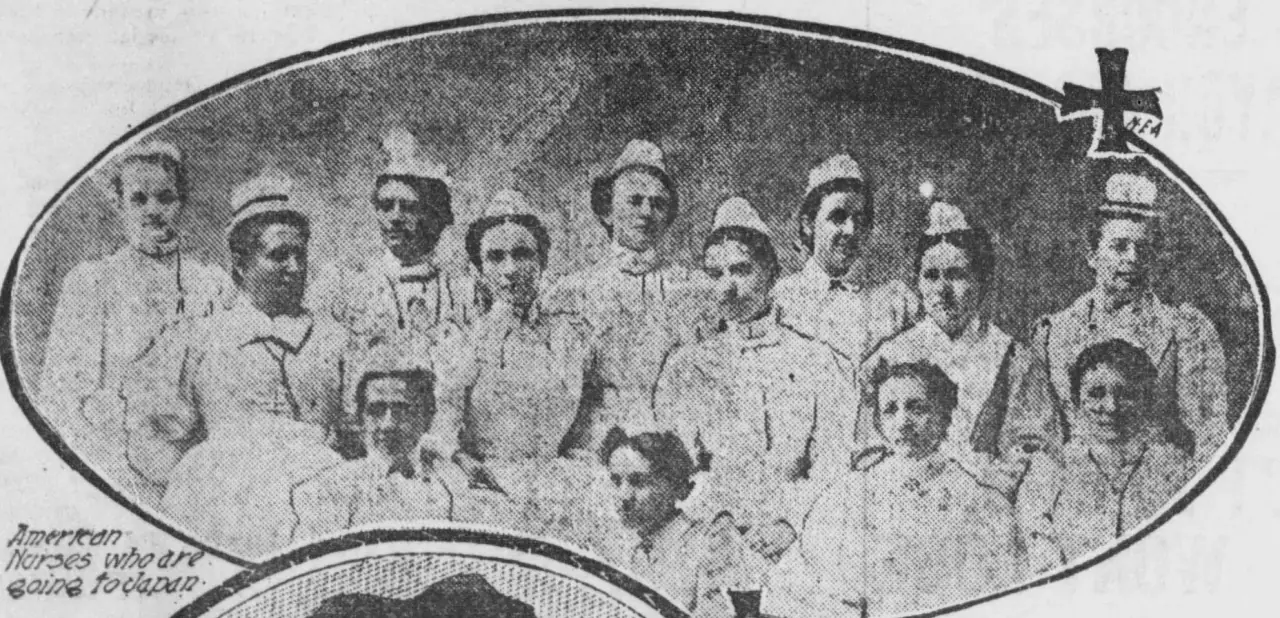
Military spending and industrial investment required taxes, and workers and farmers did not necessarily share the gains of military victory. The 1905 peace treaty did not obtain the indemnity the public expected, triggering domestic protests; the colonies, meanwhile, faced domination of land, resources, and political rights. Antiwar or socialist opinions were suppressed, and prices and rice supply worsened household livelihoods, so so-called national unity could not erase class, gender, and colonial contradictions.
03 / 1890–1918How society worked
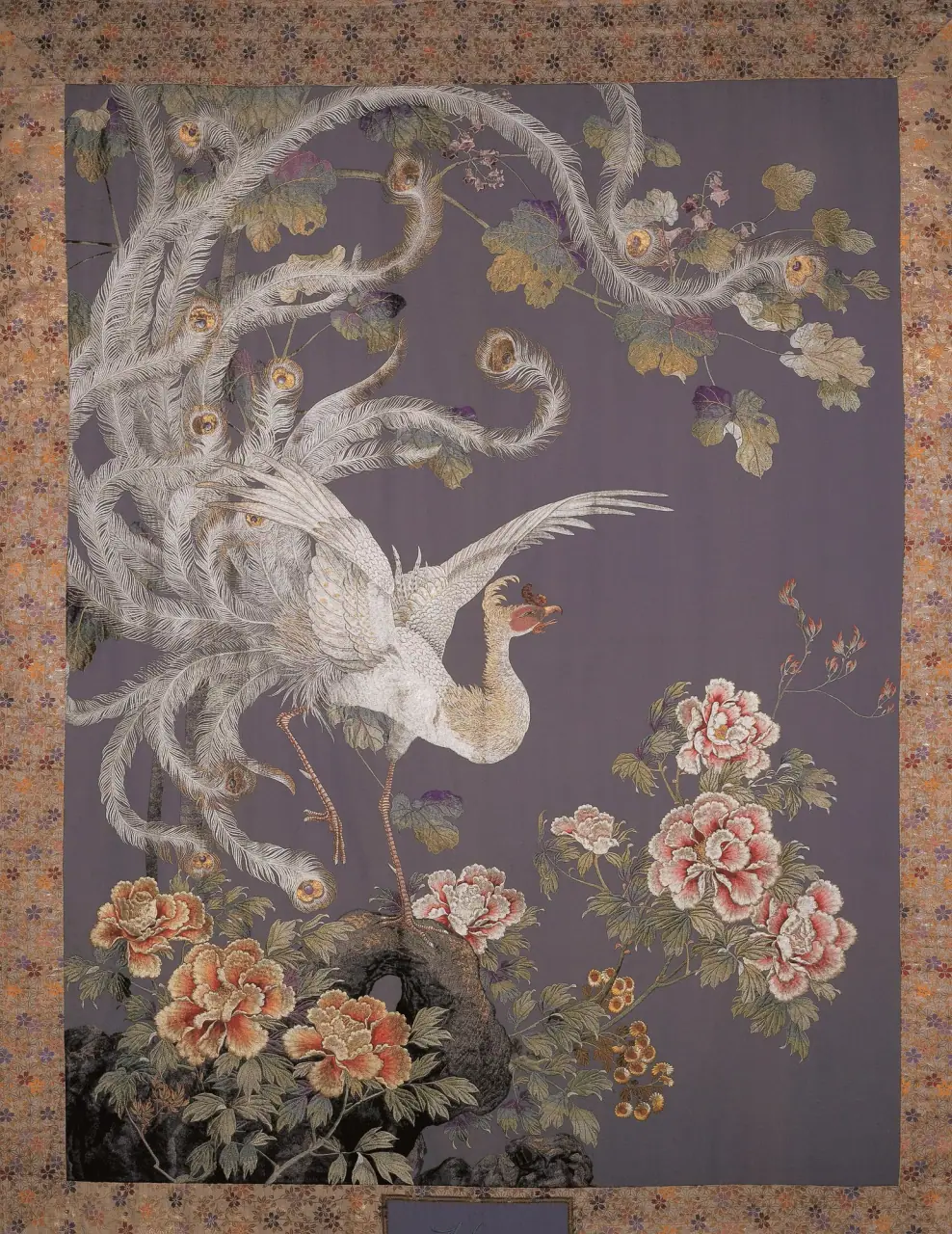
Cotton spinning, silk reeling, mining, and heavy industry expanded, and railways, ports, and communications connected markets; women's labor and rural supply were especially important to exports. War indemnities, military demand, and overseas rights also influenced investment, and the colonial economy was incorporated into the imperial division of labor. Industrial growth did not eliminate low wages, long hours, and farm household debt; the trade boom of the First World War was also accompanied by rising prices and a widening gap between rich and poor.
How did ordinary people live?
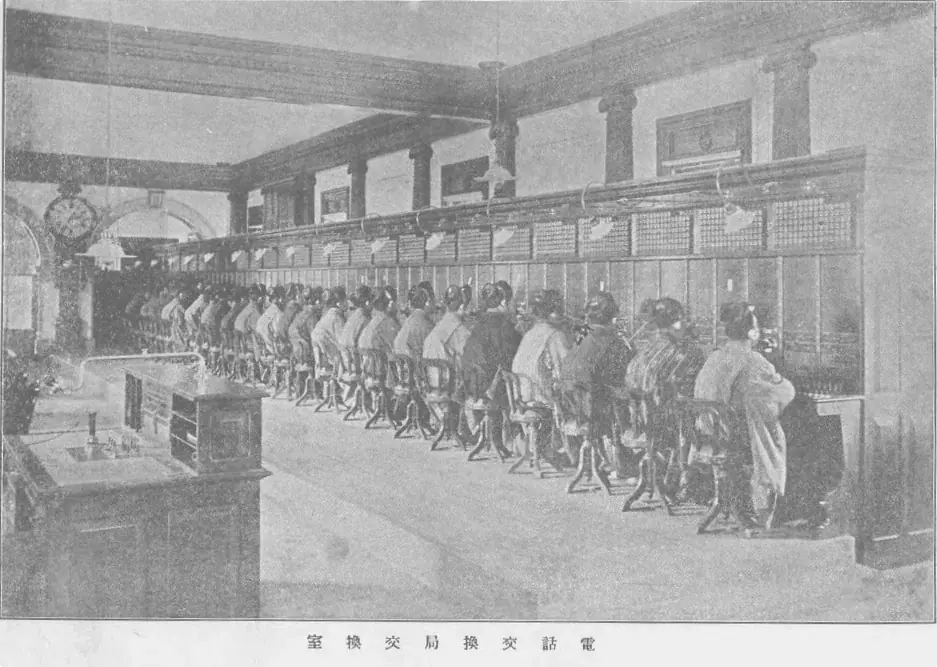
Telephone exchange rooms, factory dormitories, and commuter railways changed work and time for some people, while rural families still often supplemented their income by sending daughters to silk-reeling mills. Newspapers, compulsory education, and conscription spread national identity, and women's education and public organizations opened limited opportunities at the same time. Colonial residents faced inequality in language, education, and police administration, and the novel consumption of the metropolitan cities cannot represent life throughout the empire.
04 / 1890–1918Where change began
The First World War enabled Japan to expand exports and its influence in East Asia, and the 1915 Twenty-One Demands against China deepened Chinese society's resentment. The boom was unstable, and rising rice prices and rumors of hoarding triggered the 1918 riots that spread from Toyama to various regions, after which the Terauchi cabinet resigned. Party cabinets gained new opportunities, but colonial resistance, labor organization, and livelihood problems continued to test the boundaries of "the public."
Milestones that changed direction
1890: The Imperial Diet opens
The House of Representatives, produced by limited suffrage, began to participate in budget politics, while the administration and the military retained important independent powers.
1894: The First Sino-Japanese War breaks out
Japan and the Qing dynasty go to war over Korea and other issues, and the outcome changes Taiwan and the power configuration in East Asia.
1895: Treaty of Shimonoseki
The Qing dynasty cedes Taiwan and other territories to Japan; the formation of the colony cannot be narrated solely as a source of metropolitan victory and industrial funding.
1902: Anglo-Japanese Alliance
The alliance improved Japan's international standing and was linked to British-Russian competition in East Asia; it did not eliminate the contest over Korea and China.
1904: Russo-Japanese War
Land and naval battles took place in Korea, Northeast China, and nearby waters; local residents bore the effects of occupation, fighting, and requisition for transport.
1905: Treaty of Portsmouth
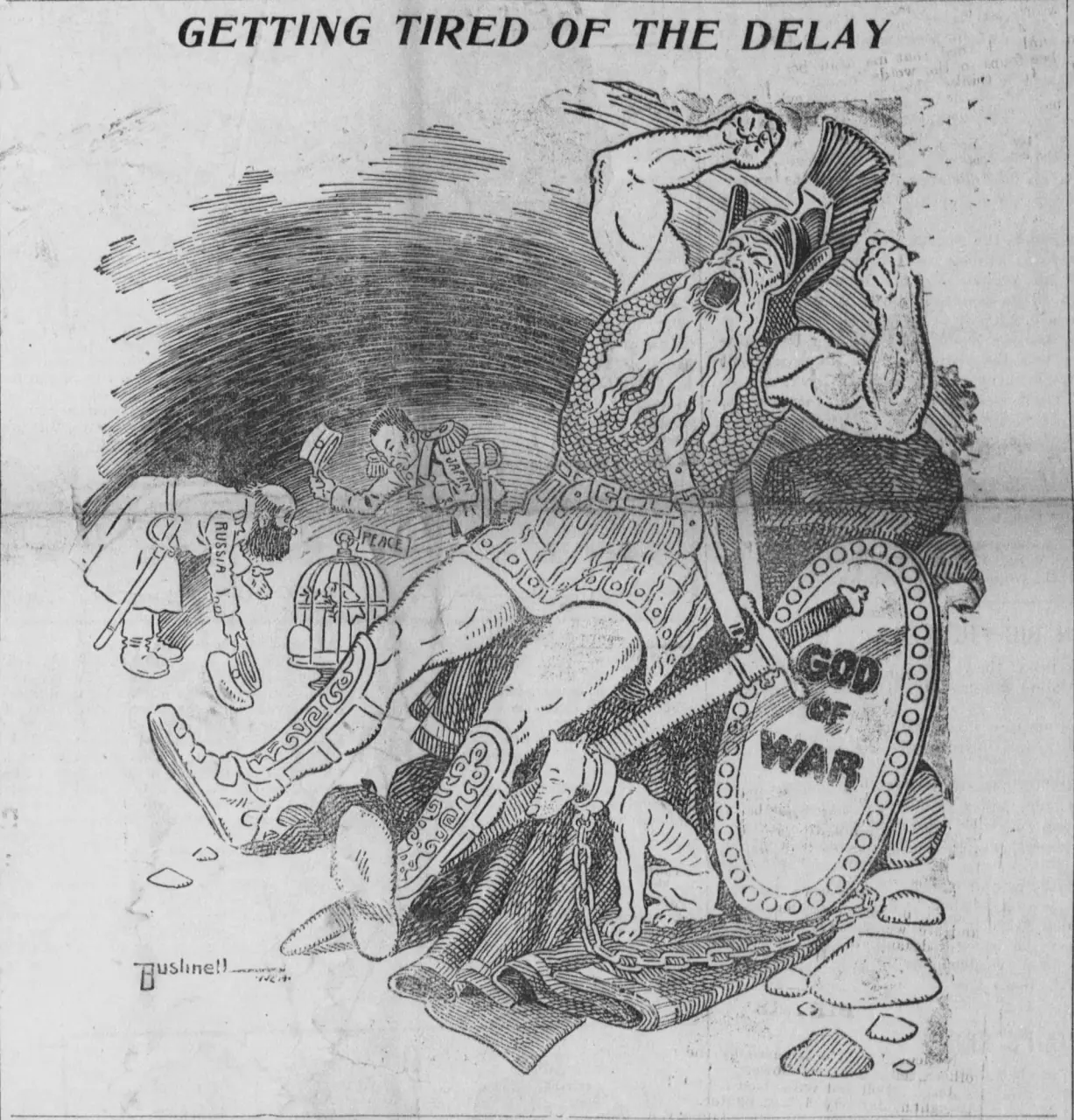
Japan obtained some Russian rights and southern Sakhalin, and Korea became a Japanese protectorate; domestic protests occurred because no indemnity was obtained, among other reasons.
1910: Annexation of Korea
The annexation treaty was signed on August 22 and announced on the 29th, and colonial administration deprived Korea of sovereignty; the wording of the treaty does not prove popular consent.
1914: Participation in the First World War
Japan declares war on Germany and expands overseas rights and exports; wartime demand drives some industries but also raises the cost of living.
1915: Twenty-One Demands on China
Japan presents demands to China to expand political and economic control, provoking boycotts and showing that a rise in international status went hand in hand with oppression of neighboring countries.
1918: The Rice Riots spread
Rising rice prices, speculation, and news of the dispatch of troops hit households, and protests in Toyama spread to many places; the Terauchi cabinet resigns in September.
What we know
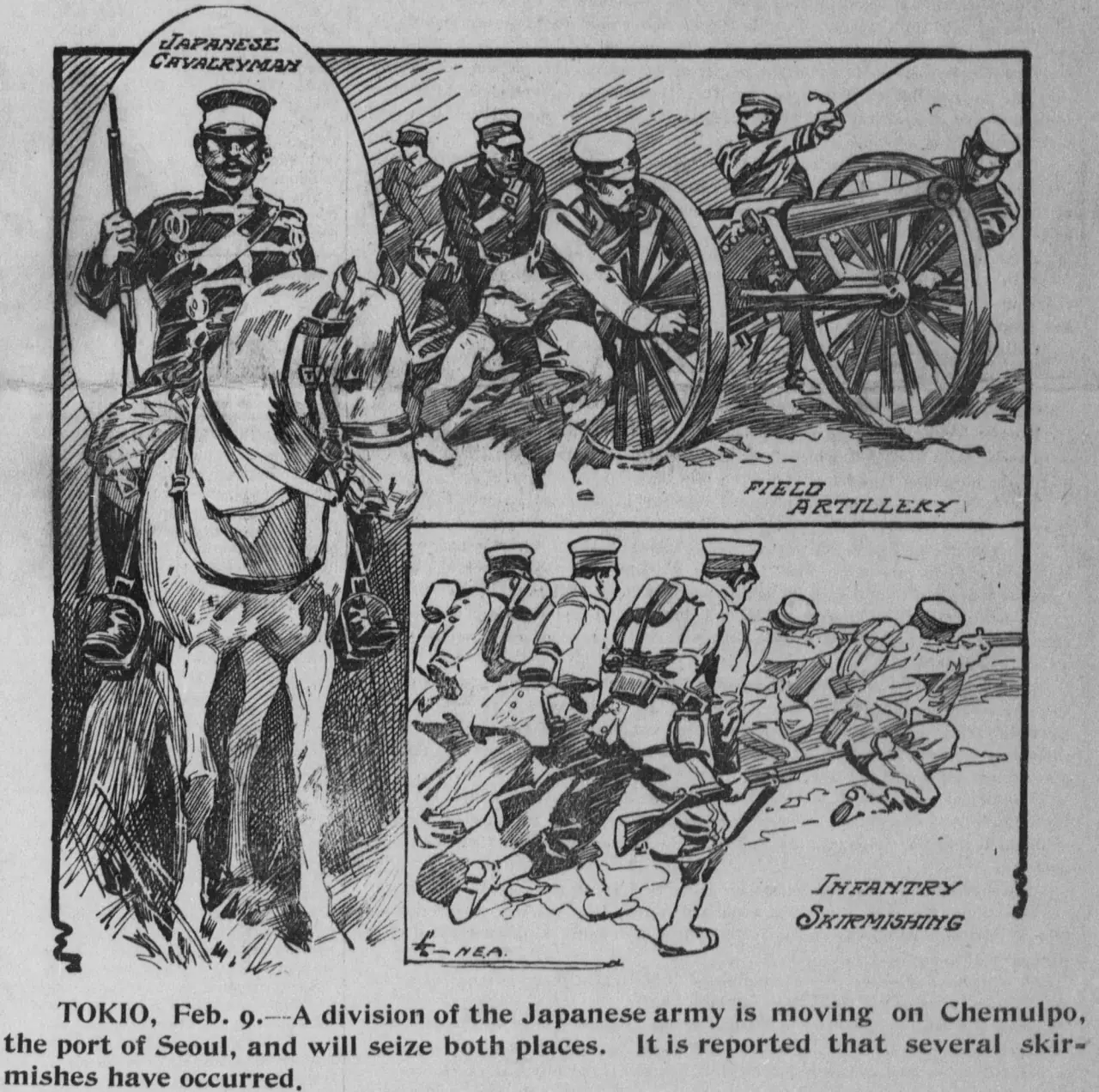
The text of treaties can verify territorial and rights transfers, but it does not equal the consent of local people; colonial state archives must be read against anti-colonial materials. Factory, wage, and trade data explain production, while newspaper cartoons reveal mobilization and stereotypes and cannot be treated as battlefield photographs. Diaries and records of the Rice Riots help restore the concrete relationship between macro-level prosperity and rice prices, household budgets, and street action.
Questions still debated
Regarding the significance of the Russo-Japanese War, one can discuss separately the symbolic encouragement received by anti-colonialists, Japan's own imperial expansion, and the consequences borne by Korea and Northeast China; the three cannot be conflated. Evaluating industrialization also requires distinguishing output value, workers' lives, and colonial resources. Whether the Meiji institutional system inevitably produced militarism still requires observing each policy choice and the process by which constraints failed.
Legacies for later generations
The industries, corporate networks, and mass media formed in this period influenced later economy and politics, and party participation also accumulated parliamentary experience. Imperial expansion at the same time brought long-term oppression and memory to Taiwan, Korea, and China, and colonial construction projects cannot be listed alone as development achievements. The history of factory women, farmers, antiwar activists, and colonial subjects means that industrialization and national glory can no longer be equated.
References and evidence
These materials support this page's account. Check the purpose, perspective and accessible scope of each source. Notes identify the evidential limits of excerpts, summaries and timelines.
- Chronology of modern Japanese archivesNational Diet Library of Japan · Archive
Checked political nodes from 1853 to the postwar period and can link to individual archival items. Lunar and Gregorian dates are listed together; this draft uses Gregorian years.
- Japan: A Country Study (1992 edition), Historical Background chapterFederal Research Division, Library of Congress; edited by Ronald E. Dolan and Robert L. Worden · Specialist reference
Actually read the relevant passages of the 1992 edition's historical chapter: PDF pages 49–62, 64–80, and 81–110, and sampled the social environment section on PDF pages 129–132; the research mainly runs through 1990. The book's old Yayoi dating, some ethnic classifications, and several dates are clearly outdated or erroneous; errors such as the atomic bomb in 1941/August 8 and Kwantung Army losses of 80,000 were not adopted; precise dates and causation were checked against updated archaeology, NDL, and institutional materials. Makes no claim to have read all 670 pages or to treat old statistics as 2024 current conditions.
- Treaty of Portsmouth and the Russo-Japanese WarOffice of the Historian, U.S. Department of State · Specialist reference
American mediation perspective; the series has stopped updating and is suitable for checking diplomatic facts from 1904 to 1905.
- Signing and promulgation of the 1910 Japan–Korea Annexation TreatyNational Archives of Japan · Primary source
Read the museum description of the treaty and distinguish the signing on August 22 from its promulgation and entry into force on the 29th; the colonial power's wording of sovereignty transfer is an official claim and does not prove the consent of the Korean people or rule out coercion.
- The 1918 Rice Riots and the resignation of the Terauchi cabinetNational Diet Library of Japan · Archive
Actually read the feature explanation and check the Toyama origin, rice prices and hoarding, the context of the Siberian Intervention, the Kobe riots, and the diary of Den Kenjiro; a single diary cannot represent the motives of all participants.
- Tomioka Silk Mill and Related SitesUNESCO World Heritage Centre · Specialist reference
Check the full network of early Meiji French machinery and technology, silk reeling, sericulture education, and silkworm egg storage; the success narrative of the heritage site does not represent all factory labor conditions.
- English Translation of the Original Text of the Constitution of the Empire of JapanNational Diet Library of Japan · Primary source
Actually read the provisions on sovereignty, supreme command, the diet, and subject rights; the provisions show the formal arrangement of power and do not equal how every decision was actually made.
At the end, bring this chapter to a close.