Taishō Democracy and Crisis: Who Counts as the Public?
Why did an expanded franchise fail to block foreign aggression and political repression?
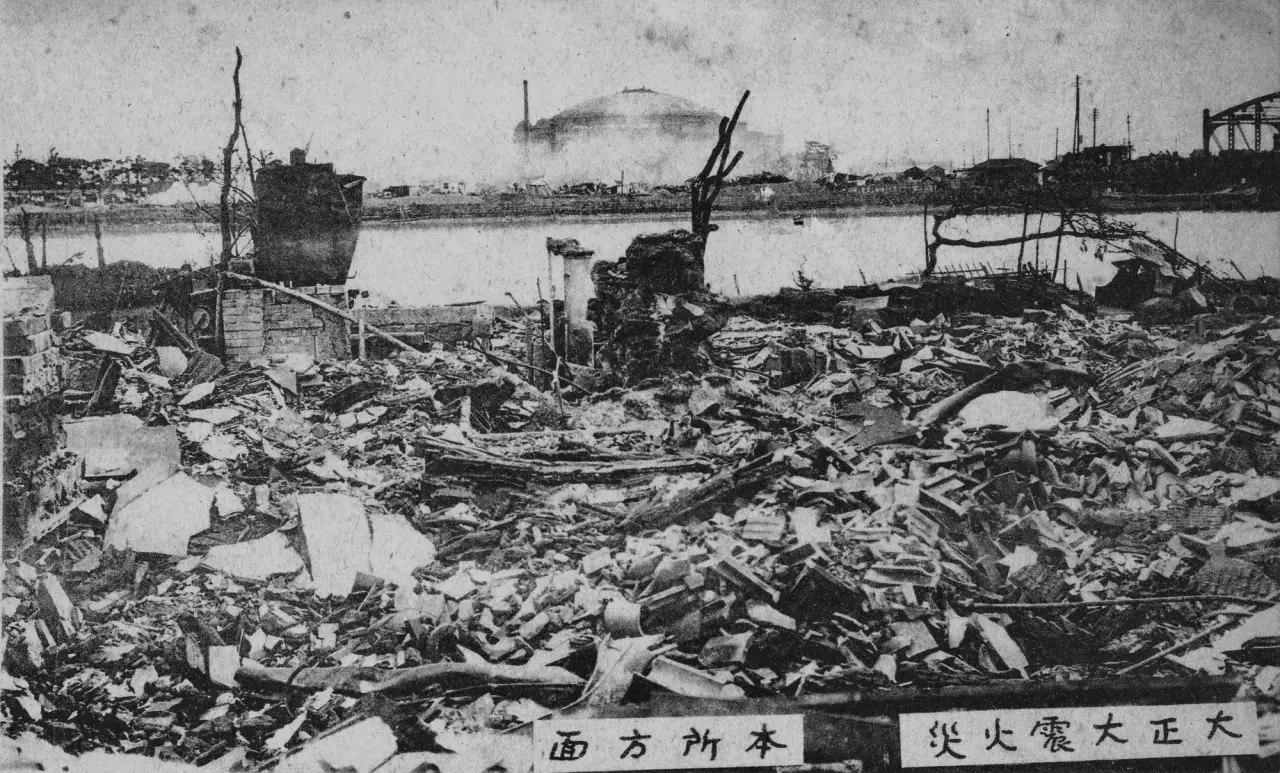
After the 1918 Rice Riots, party cabinets, labor unions, student and women's groups brought more social demands into public life. In 1925 the property threshold for male suffrage was abolished, yet women and colonial residents still did not obtain equal rights; the same year's Peace Preservation Law provided a tool for suppressing particular ideas. The March First Movement in Korea challenged colonial rule, and the rumors and anti-Korean massacres after the Great Kantō earthquake exposed ethnic exclusion. Postwar financial fragility, the 1927 crisis, and the Great Depression placed heavy burdens on farm households and workers. Democratic opportunities were real, but they coexisted with empire, police power, and military independence, and did not lead safely to equal politics.
01 / 1918–1931How this era began
The First World War left an export boom, rising prices, and social distributional conflict, and the Rice Riots showed that the livelihood problems of ordinary households could shake a cabinet. The existing parliamentary system provided an entry point for party organization, while the genrō, bureaucrats, and the military still had influence beyond the elected majority. Social movements faced not a closed system with no space at all, but an institutional order in which expanded participation and severe restrictions existed at the same time.
Why did this era begin?
The Hara cabinet opened a phase of relatively sustained party government, and urban newspapers, labor unions, and various groups expanded organization and discussion. The male universal suffrage movement pushed through the 1925 legal revision, and elections were first held under the new rules in 1928; but universal suffrage did not include all adults. The March First Movement in Korea, women's organizations, and Ainu cultural writing raised different claims to rights, and the scope of "the public" at the imperial center and periphery was clearly unequal.
02 / 1918–1931Who held power
Parties sought a majority in the House of Representatives and cabinet posts, while the House of Peers, Privy Council, bureaucrats, and military still limited their power, and the framework of imperial sovereignty was not fundamentally changed. The Peace Preservation Law targeted organizational action aimed at changing the national polity or denying the private property system, and later became a tool of repression. An expanded ballot and political freedom were not the same thing, and the colonial police and governor-general systems did not disappear because of suffrage reform in the home islands.
What tensions existed within the era?
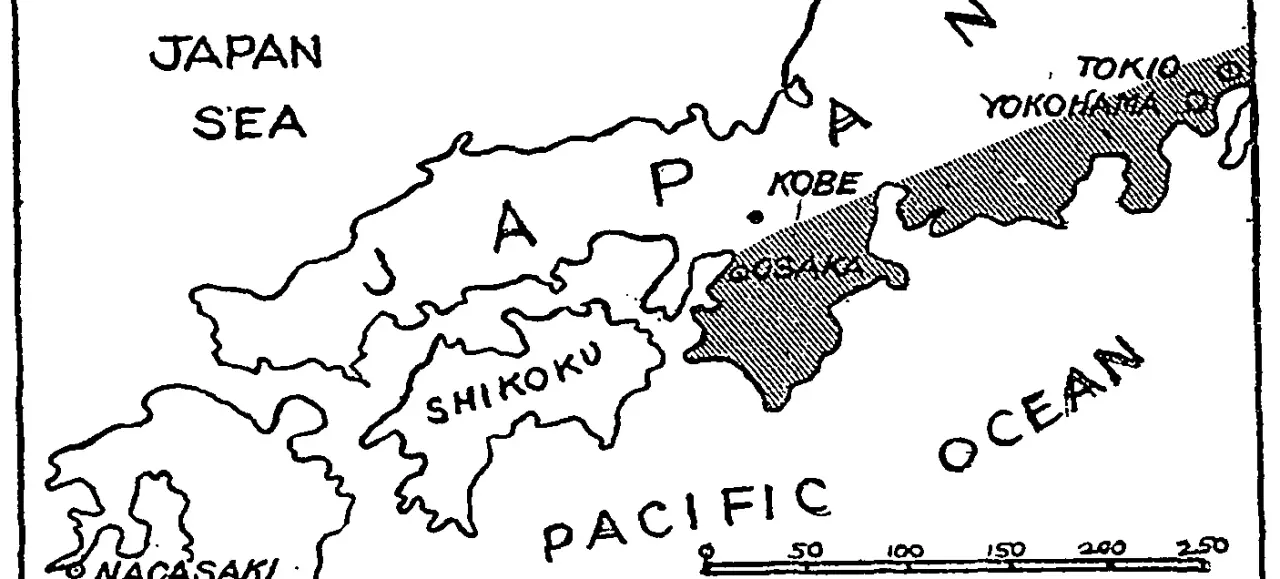
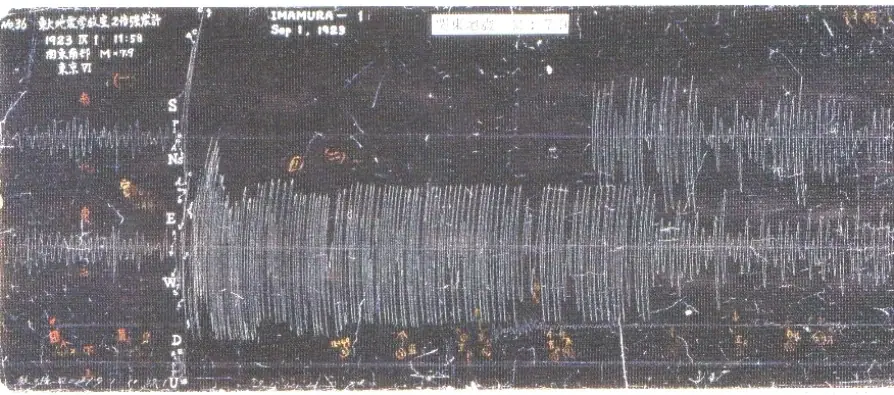
Colonial rule and international expansion coexisted with domestic demands for democracy, and the Korean independence movement was suppressed. The 1923 earthquake triggered fires and displacement, and rumors such as that Koreans were poisoning wells drove violence involving both private actors and some public authorities. These deaths cannot all be attributed to natural disaster, nor should modern declarations of independence or foreign survivors' diaries be treated as a complete substitute for the experiences of all groups.
03 / 1918–1931How society worked
The postwar boom reversed in 1920, banks and enterprises accumulated bad debts, and the 1927 financial crisis exposed long-term fragility. The 1930 return to the old gold parity coincided with the Great Depression, and deflation and falling exports hit enterprises and farm households; in particular, it cannot be said that Japan was barely affected by the crisis. Unemployment, silk prices, and household debt turned macro-level exchange-rate policy into questions of income and food for ordinary people.
How did ordinary people live?
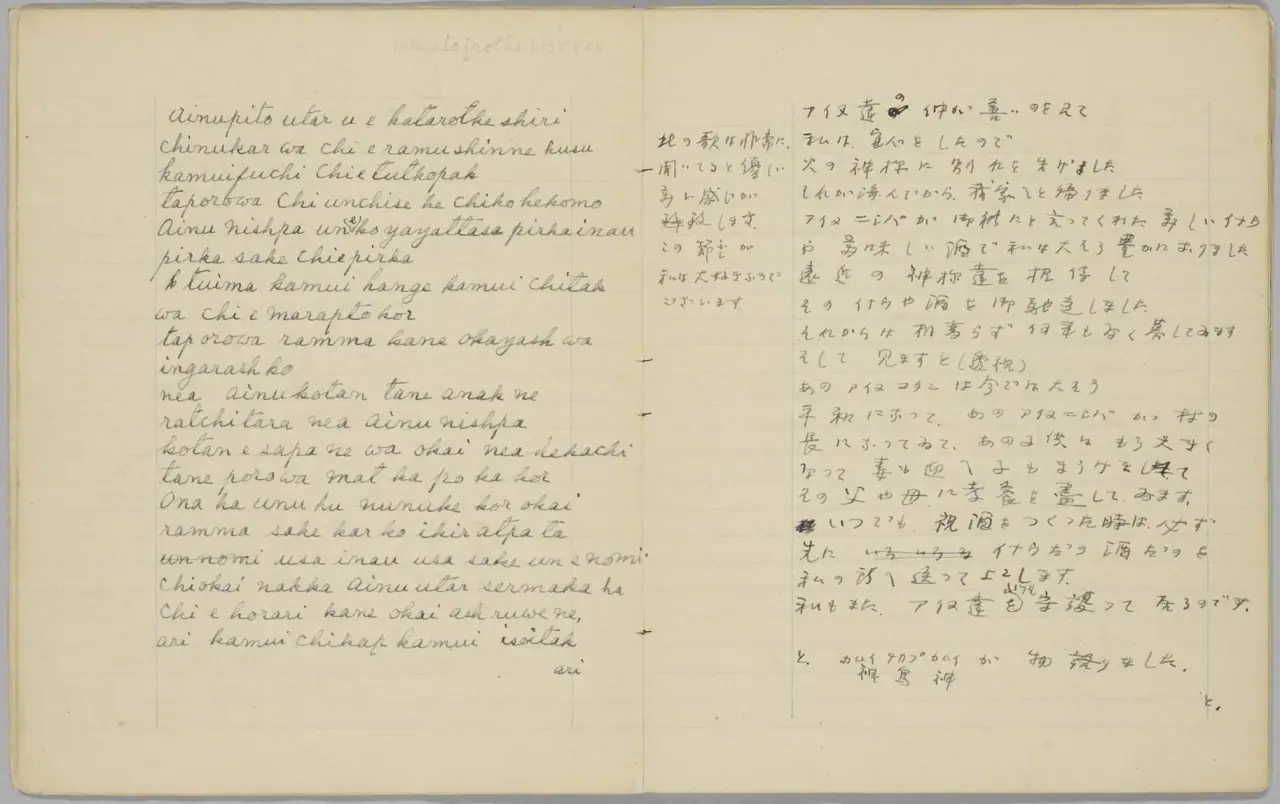
Urban trams, magazines, cinemas, and new occupations changed the range of action for some young people and women, while rural families still had to cope with tenancy, tax burdens, and fluctuations in silk income. Chiri Yukie recorded Ainu oral stories in writing, showing that assimilated groups were not a silent historical backdrop. Her personal manuscript can present the transmission of language and kinship knowledge, but it cannot represent the shared experience of all Ainu people.
04 / 1918–1931Where change began
The economic contraction around 1930, the naval treaty disputes, and violence against politicians weakened the parties' capacity for coordination, but the military's seizure of power was not an automatic result of unemployment rates. In 1931 the Kwantung Army launched the Mukden Incident and expanded the occupation of Northeast China; the failure of central restraint gave greater space to foreign adventurism. Political repression deepened thereafter, and the choices and responsibilities of the parties, the emperor, and the military still need to be analyzed case by case.
Milestones that changed direction
1918: Rice Riots and party cabinet
After livelihood protests expanded, the Terauchi cabinet resigned and Hara Takashi formed a cabinet; street action and institutional politics became linked.
1919: March First Independence Movement in Korea
Mass independence demonstrations under colonial rule were suppressed; independence activists and overseas networks left behind reports and propaganda materials.
1920: Collapse of the postwar economic boom
Stock and commodity markets fell, and the fragile debts of banks and enterprises went unresolved for a long time.
1922: Death of Chiri Yukie
She left behind notebooks recording Ainu oral stories in Roman letters; the relationship between kinship knowledge, translation, and publication must not be swallowed by the assimilation narrative.
1923: Great Kanto Earthquake and anti-Korean violence
The earthquake and fires destroyed the city, and rumors triggered massacres of Koreans and other groups; disaster and human violence must be attributed separately.
1925: Universal male suffrage and the Peace Preservation Law
The abolition of the property threshold expanded male suffrage, while a separate Peace Preservation Law restricted specific organizations and thought; the two systems existed at the same time.
1927: Financial crisis
Bank suspensions and bad-debt problems struck credit; the crisis cannot be attributed to a single panic alone, but was more closely related to unresolved postwar debts.
1928: House of Representatives election after the first universal male suffrage
The expanded electorate took part in the election, but women still lacked equal voting rights, and colonial residents did not obtain uniform and equal parliamentary eligibility.
1930: Return to the old gold parity and the Depression
Deflationary policy and falling global demand together caused severe deflation, putting pressure on exports and rural livelihoods.
1931: Mukden Incident
The Kwantung Army expanded military occupation in Northeast China, and the party government's failure to restrain the military deepened domestic and external crises.
What we know
The National Diet Library's election documents and party diaries can trace institutional change, while original copies of the Peace Preservation Law show the boundaries of thought and organization that could be punished. Bank of Japan research reconstructs the two crises from financial records, but it cannot replace the life history of each household. Korean independence activists' reports, Chiri's notes, and earthquake witnesses' materials each have their own place and standpoint, and should be interpreted in cross-reference with official statistics and local records.
Questions still debated
"Taisho Democracy" emphasized expanded participation; if only mainland adult men are taken as the object of observation, it is easy to obscure women, the colonies, and excluded ethnic groups. As for why democracy was thwarted, the economic crisis, the military power embedded in institutions, and political violence each played a role, and this cannot be reduced to national character or inevitable fate. Confirming the facts of colonial oppression should also be distinguished from disputes over individual archival figures, motives, and legal assessments.
Legacies for later generations
The Taisho period left behind experience in expanding suffrage, labor organization, women's participation, and public debate; postwar democracy was not entirely without domestic precedents. It also warns that the number of ballots alone cannot measure political equality: colonial rights, police repression, and ethnic violence could coexist with parliamentary prosperity. Preserving Chiri's manuscript, Korean independence activists' reports, and disaster diaries helps make voices beyond the national narrative heard.
References and evidence
These materials support this page's account. Check the purpose, perspective and accessible scope of each source. Notes identify the evidential limits of excerpts, summaries and timelines.
- Chronology of modern Japanese archivesNational Diet Library of Japan · Archive
Checked political nodes from 1853 to the postwar period and can link to individual archival items. Lunar and Gregorian dates are listed together; this draft uses Gregorian years.
- The 1918 Rice Riots and the resignation of the Terauchi cabinetNational Diet Library of Japan · Archive
Actually read the feature explanation and check the Toyama origin, rice prices and hoarding, the context of the Siberian Intervention, the Kobe riots, and the diary of Den Kenjiro; a single diary cannot represent the motives of all participants.
- Peace Preservation Law: Cabinet Documents and Parliamentary ProcedureNational Archives of Japan · Archive
Actually read the promulgated documents, translations, and bill provisions; distinguishes the March 1925 parliamentary procedure from the April 21 promulgation; the documents reflect state intent, and implementation effects require separate evidence.
- The Japanese economy between the two world wars and the Great DepressionMasato Shizume / Bank of Japan, 2009 · Academic research
Actually read pages 1–8 of the main paper; check the 1920 and 1927 financial crises, the 1930 return to the old gold parity, and post-1931 policy. The central bank researcher offers a mechanism-based explanation and does not treat recovery and the war of aggression as a single causal chain.
- Archives of 1919 Korean independence movement reports and pamphletsBurke Library, Columbia University · Archive
Read the exhibition and collection descriptions and establish that after the 1919 March First Movement, reports were sent by independence activists in Shanghai to the New York missionary research library. This source presents the positions of anti-colonial figures and missionary networks and does not claim to have read the full 22-page original report.
- A Scottish witness to the Great Kanto Earthquake: diary and photographsUniversity of Edinburgh Archives, Ash Mowat, 2023 · Archive
Actually read the diary excerpts with archival numbers and the editorial notes; the foreign residents in Hakone and the sea evacuation are partial experiences. The context of anti-Korean rumors and massacres should not be erased by a technical disaster narrative, nor should an accurate total death toll be inferred from this article.
- Chiri Yukie's NotebooksAgency for Cultural Affairs Cultural Heritage Online / Hokkaido Prefectural Library · Archive
Actually read the object descriptions for the 4 notebooks: from 1903 to 1922, Chiri Yukie recorded Ainu oral literature in Roman script and compared it with published texts; the Ainu are not equated with a single prehistoric archaeological culture.
- Japan: A Country Study (1992 edition), Historical Background chapterFederal Research Division, Library of Congress; edited by Ronald E. Dolan and Robert L. Worden · Specialist reference
Actually read the relevant passages of the 1992 edition's historical chapter: PDF pages 49–62, 64–80, and 81–110, and sampled the social environment section on PDF pages 129–132; the research mainly runs through 1990. The book's old Yayoi dating, some ethnic classifications, and several dates are clearly outdated or erroneous; errors such as the atomic bomb in 1941/August 8 and Kwantung Army losses of 80,000 were not adopted; precise dates and causation were checked against updated archaeology, NDL, and institutional materials. Makes no claim to have read all 670 pages or to treat old statistics as 2024 current conditions.
- The Sino-Japanese conflict, the United States, and the road to the Pacific WarOffice of the Historian, U.S. Department of State · Specialist reference
Diplomacy and sanctions from 1937 to 1941; U.S. diplomatic materials cannot be treated as a substitute for the social history of China and the colonies.
At the end, bring this chapter to a close.