Aggressive war and defeat: the collapse of the empire
How was a society mobilized into a war machine, and who paid the price?
The expansion of occupation after the Mukden Incident, the full-scale invasion of China in 1937, and the Pacific War from 1941 committed Japan's manpower, materials, and administrative institutions to a long war. Decisions by the military and national leadership expanded aggression, and the propaganda claim of "liberating Asia" contradicted colonial oppression, massacres, sexual violence, and forced labor. People in China, Korea, and Southeast Asia and prisoners of war suffered enormous harm, while Japanese families also faced conscription, air raids, evacuation, and scarcity. The atomic bomb attacks in 1945, the Soviet entry into the war, and military collapse together formed the background to surrender. Understanding the suffering of mainland civilians should not erase the empire's responsibility for aggression; confirming that responsibility must not flatten everyone's situation into the same.
01 / 1931–1945How this era began
Party politics was hit by economic contraction and political violence, and the military also held institutional resources not sufficiently constrained by an elected majority. The empire's existing colonial and Northeast China interests became the basis for continued expansion. The Great Depression provided a crisis environment but cannot be explained as war happening automatically; the Kwantung Army, the cabinet, and the imperial system's approval, tolerance, and failed restraint of each expansionary action all require specific examination.
Why did this era begin?
In 1931 the Kwantung Army expanded the war through the Mukden Incident, and in 1932 it installed Manchukuo; after international controversy Japan withdrew from the League of Nations. In 1937 the Marco Polo Bridge conflict escalated into full-scale invasion of China, and after the fall of Nanjing large-scale massacre and sexual violence occurred. The alliances, southward advance, and diplomatic confrontation of 1940–1941 further expanded the conflict; resource anxiety did not deprive leaders of the choice and responsibility to stop aggression.
02 / 1931–1945Who held power
The military expanded its influence in cabinet composition, military operations, and political mobilization; bureaucrats, police, and enterprises participated in national mobilization, and the independent space of parties and social organizations shrank. The imperial system and multiple decision-making bodies do not mean responsibility cannot be established; specific orders and knowledge processes must be traced. Occupied areas were ruled by the military, colonial agencies, and collaborationist institutions, and local residents were not equal partners in negotiation.
What tensions existed within the era?
Propaganda called conquest co-prosperity, but actual rule relied on unequal rights and violence and was continually resisted by Chinese and other societies. The coercive conditions and recruitment against will in the military "comfort women" system were acknowledged even in the Japanese government statement of 1993. Research differences over specific numbers, recruitment routes, and postwar responsibility should not be used to deny the existence of sexual violence and victims' experiences.
03 / 1931–1945How society worked
Munitions production, material controls, and controlled distribution brought factories, agriculture, and transport into war objectives, and colonial resources and labor were also conscripted. Production figures cannot be equated with improved livelihoods; the expansion of military industry and household scarcity could occur at the same time. Projects such as the Burma-Thailand Railway used prisoners of war and Asian laborers and caused massive deaths from hunger, disease, violence, and intensive labor; human lives must be counted in the war economy.
How did ordinary people live?
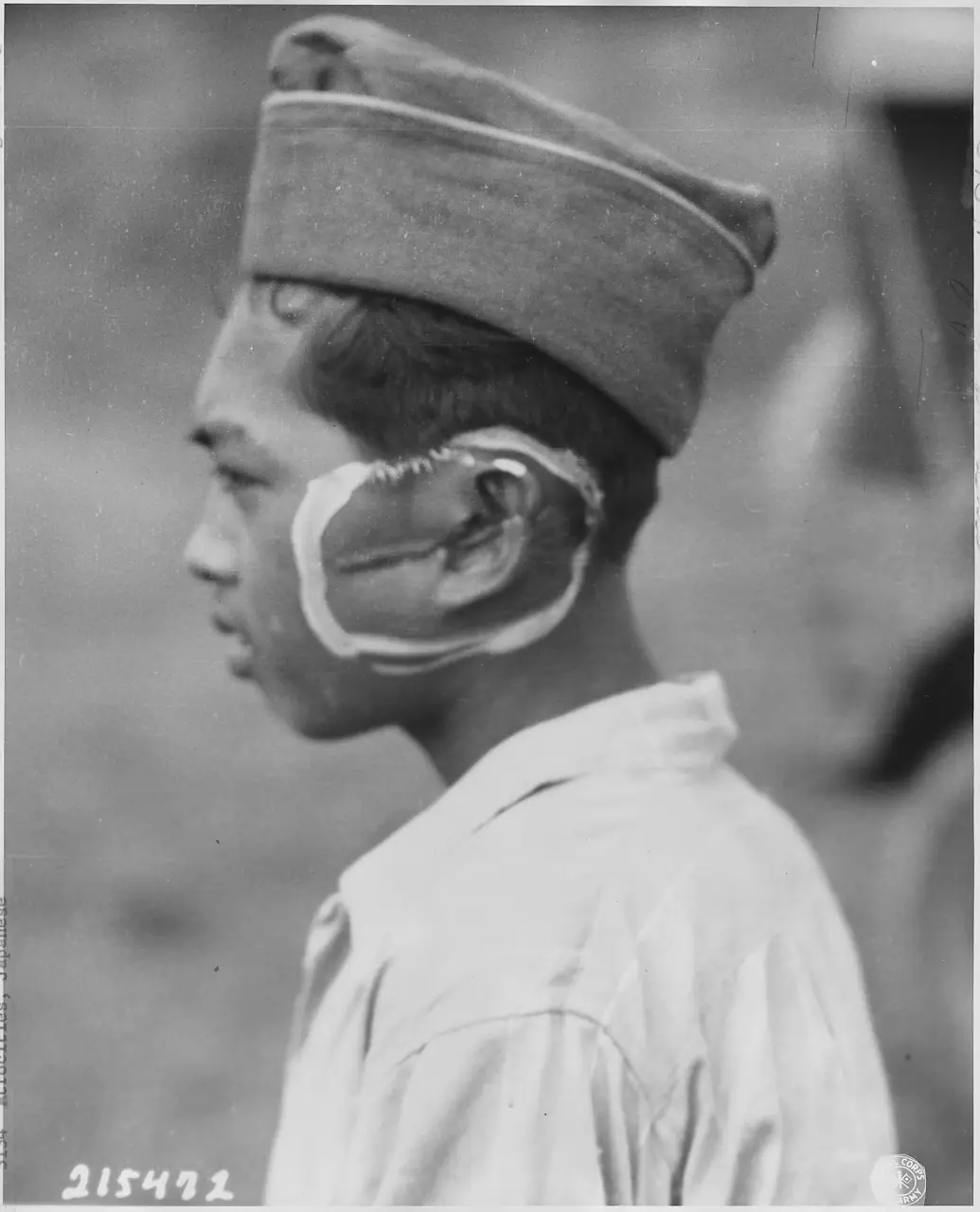
Japanese families faced conscription, rationing, school mobilization, and air raids; women, students, and people of colonial origin were mobilized into labor, and families endured separation and loss. Residents of occupied areas also suffered plunder, massacre, forced labor, and military sexual slavery. The risks, degrees of coercion, and room for action differed among groups, and an abstract "everyone suffered" must not conceal the relationship of perpetrator and victim or colonial rule.
04 / 1931–1945Where change began
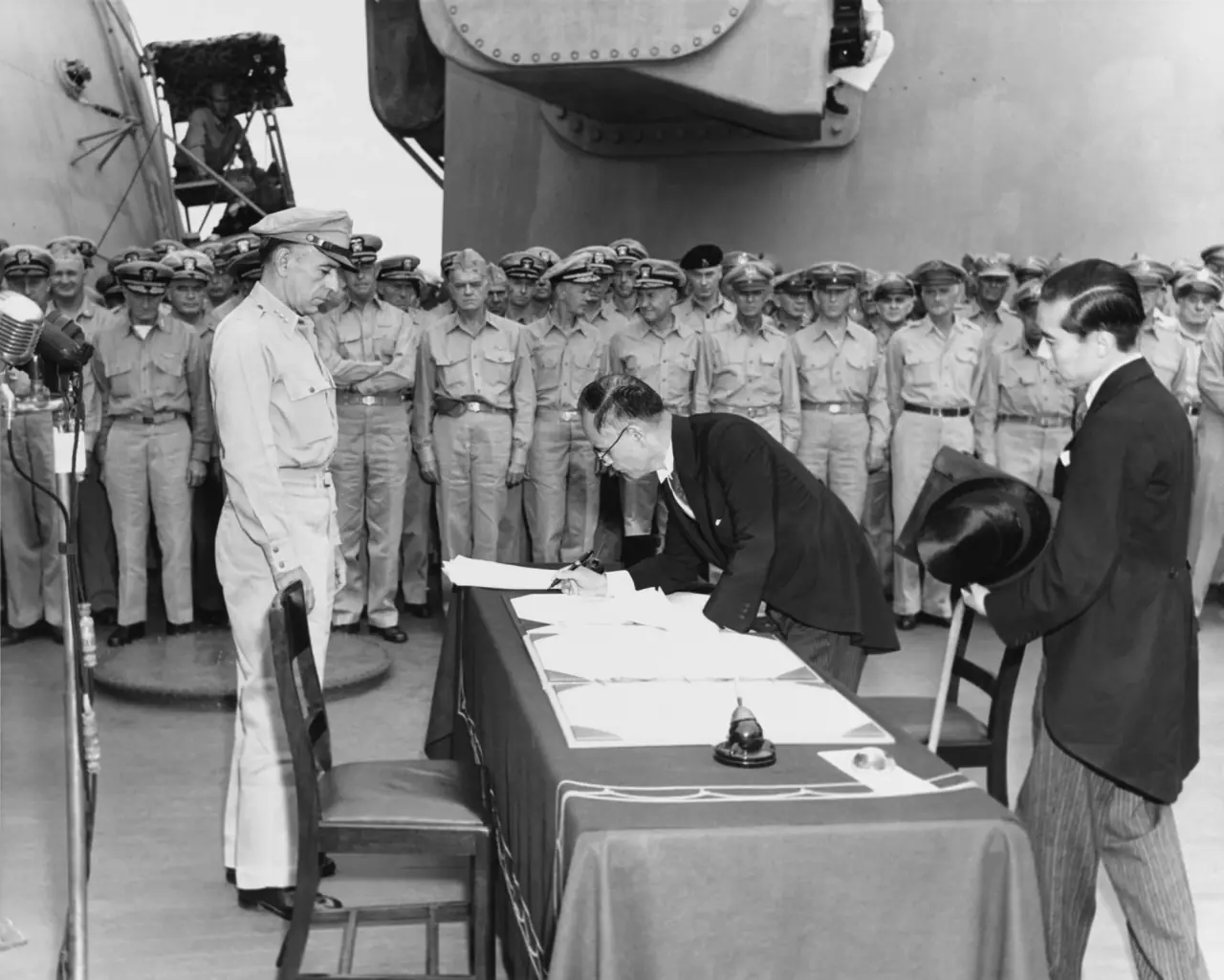
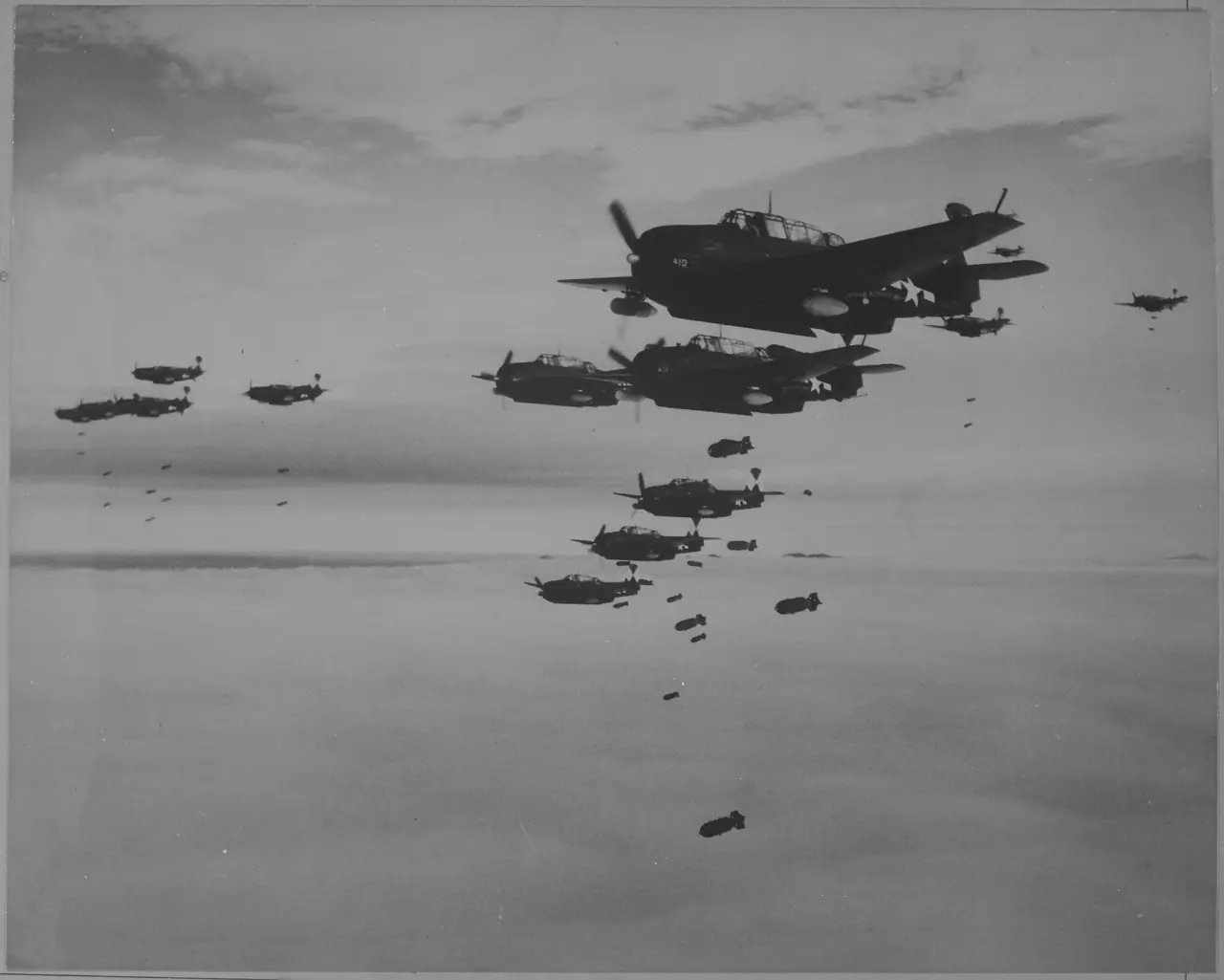
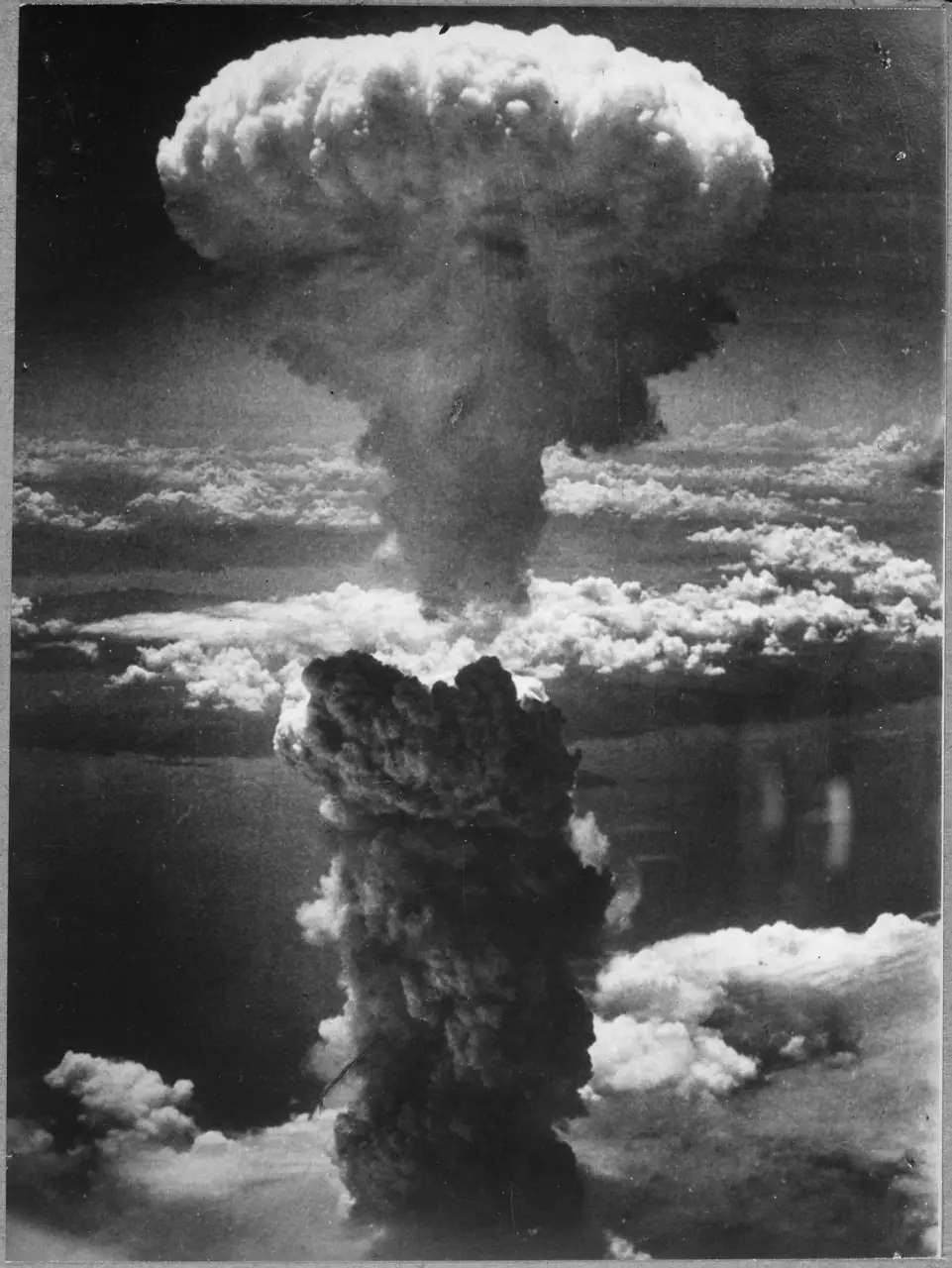
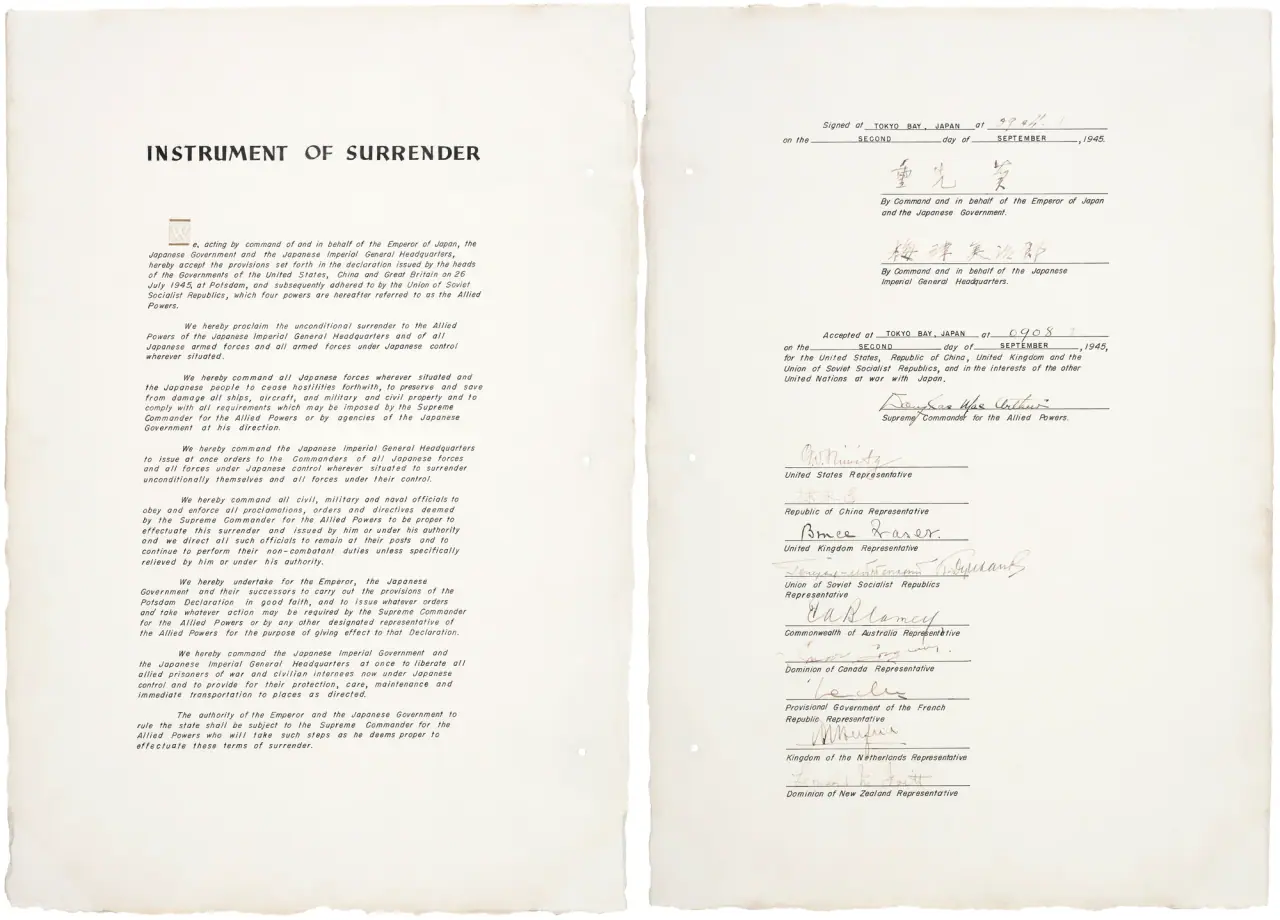
In 1945 Japan's military and transport capacity steadily disintegrated, and urban air raids, the Battle of Okinawa, the atomic bomb attacks on Hiroshima and Nagasaki, and Soviet entry into the war together narrowed the leadership's choices. The August 15 broadcast announced acceptance of the surrender terms, and the instrument of surrender was formally signed on September 2; the meanings of the two days should be distinguished. The ceasefire ended imperial rule but did not immediately resolve repatriation, missing persons, wounds and illness, prisoners' survival, and war responsibility.
Milestones that changed direction
1931: The Mukden Incident and expansion of occupation
The Kwantung Army expanded military action in Northeast China; the central government did not effectively stop it, and the aggression produced sustained rule and resistance.
1932: Installation of Manchukuo
Japan organized rule over Northeast China in the form of a puppet regime; formal state founding cannot be equated with the local people's autonomous decision.
1933: Withdrawal from the League of Nations
Disputes in the League of Nations over the occupation of Northeast China deepened, and Japan withdrew from the League; the aggression did not stop because of this.
1936: The February 26 Incident
Military personnel launched an attempted coup; violence and the political influence of the military increased, and parties and civilian officials came under greater pressure.
1937: Full-scale invasion of China and the Nanjing Massacre
After the conflict at Lugou Bridge the war expanded; Nanjing fell in December, and civilians and prisoners of war were killed and subjected to sexual violence; eyewitness archives must be read against other evidence.
1940: The Tripartite Pact and "Greater East Asia Co-Prosperity Sphere" propaganda
Japan allied with Germany and Italy and claimed to expel Western colonial powers, but its own military conquest and domination were not the liberation of Asian peoples.
1941: Outbreak of the Pacific War
Against the background of diplomatic negotiations and sanctions, Japan's leadership chose to expand attacks; the Pearl Harbor attack on December 7 in Hawaii was December 8 in Japan's time zone.
1943: Completion of the Burma-Thailand Railway
Prisoners of war and Asian laborers built the railway under forced conditions, and large numbers died from abuse, inadequate nutrition, and disease; one cannot describe only the speed of the project.
1945: Atomic bombs, Soviet entry into the war, and surrender
Hiroshima and Nagasaki were attacked with atomic bombs, and the Soviet Union entered the war against Japan; surrender was announced in August and the instrument of surrender was signed on September 2, while postwar injuries, illness, and repatriation continued.
What we know
Military orders, diplomatic archives, ration records, and factory materials can trace decisions and mobilization; one cannot read only military victory and defeat reports. Letters from people present in Nanjing, survivor testimony, and war crimes investigations can mutually corroborate violence, but images still require verification of dates and photographers. The casualties caused by aggression in China and elsewhere, and casualties in Japan itself, should be explained according to their respective definitions; this chapter does not package disputed totals as precise statistics.
Questions still debated
Regarding the reasons for surrender, the weight of the atomic bombs, Soviet entry into the war, the blockade, and the rulers' preservation of the emperor system are subject to different interpretations; a single factor cannot be written as an uncontested answer. Estimates of the scope and number of victims of the Nanjing massacre also involve time, place, and source definitions; disputes over numbers are not disputes over whether the event occurred. Responsibility research must distinguish policymakers, implementing institutions, collaborators, opponents, and victims, and avoid collective essentialization.
Legacies for later generations
War destroyed the lives, homes, and institutions of many societies. After colonial rule ended, reparations, belonging, and memory continued to shape relations in East Asia. Japan's peace constitution and victim memory were formed under conditions of defeat and occupation, and this cannot be used to invert the starting point of the earlier aggression. Preserving survivor testimony, local archives, and transnational investigations allows later generations to recognize civilian circumstances, institutional coercion, and leadership responsibility at the same time.
References and evidence
These materials support this page's account. Check the purpose, perspective and accessible scope of each source. Notes identify the evidential limits of excerpts, summaries and timelines.
- Chronology of modern Japanese archivesNational Diet Library of Japan · Archive
Checked political nodes from 1853 to the postwar period and can link to individual archival items. Lunar and Gregorian dates are listed together; this draft uses Gregorian years.
- The Sino-Japanese conflict, the United States, and the road to the Pacific WarOffice of the Historian, U.S. Department of State · Specialist reference
Diplomacy and sanctions from 1937 to 1941; U.S. diplomatic materials cannot be treated as a substitute for the social history of China and the colonies.
- Nanjing Massacre archive project: project descriptionYale Divinity School Library · Archive
Provides letters, diaries, and photographs of Western witnesses in Nanjing; the project itself states that this is not all the evidence of the event.
- Stolen years: the Burma-Thailand RailwayAustralian War Memorial · Museum research
Forced labor, disease, and death among prisoners of war and Asian laborers; differences in statistical definitions and estimates must be preserved.
- Original text of the 1993 Kono Cabinet Secretary statementGovernment statement preserved by the Ministry of Foreign Affairs of Japan · Primary source
Actually read the complete statement; the military's direct or indirect involvement in comfort facilities, transfers, and recruitment and coercive environments against women's will are what the statement acknowledges. An official statement is not all victims' testimony or a final international judicial determination, and unverified totals are not used.
- Japan: A Country Study (1992 edition), Historical Background chapterFederal Research Division, Library of Congress; edited by Ronald E. Dolan and Robert L. Worden · Specialist reference
Actually read the relevant passages of the 1992 edition's historical chapter: PDF pages 49–62, 64–80, and 81–110, and sampled the social environment section on PDF pages 129–132; the research mainly runs through 1990. The book's old Yayoi dating, some ethnic classifications, and several dates are clearly outdated or erroneous; errors such as the atomic bomb in 1941/August 8 and Kwantung Army losses of 80,000 were not adopted; precise dates and causation were checked against updated archaeology, NDL, and institutional materials. Makes no claim to have read all 670 pages or to treat old statistics as 2024 current conditions.
- Occupied and Rebuilt Japan, 1945–1952Office of the Historian, U.S. Department of State · Specialist reference
Land reform, democratization, the Cold War turn, and the peace treaty; a retrospective account by a US institution.
At the end, bring this chapter to a close.