Territorial claims, war and social tightening
How did the state's narrative of territory and security translate into changes in the lives of civilians in neighboring countries and of families at home?
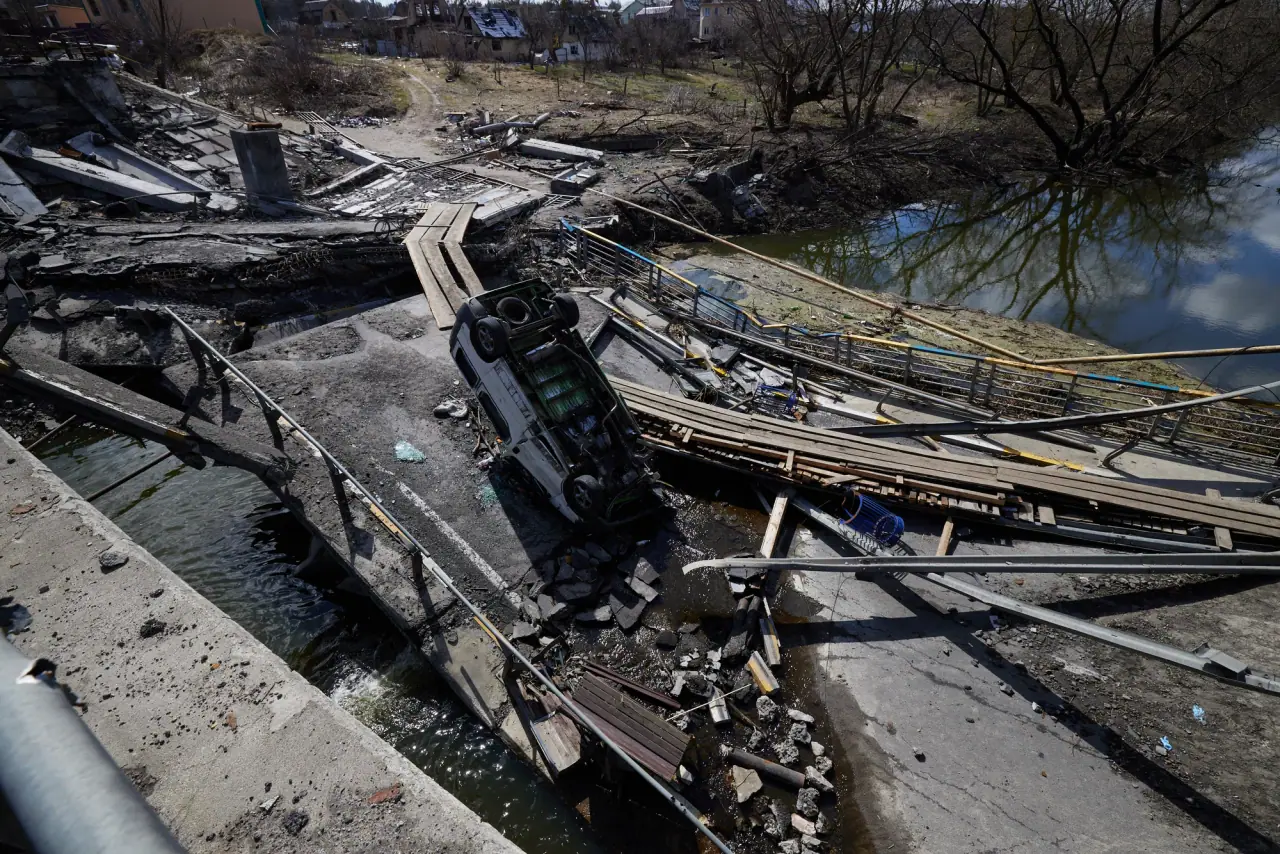
In 2014 Russia annexed Crimea, and fighting in eastern Ukraine and diplomatic arrangements remained intertwined thereafter. On 24 February 2022 Russian forces launched a full-scale invasion of Ukraine, expanding the conflict into a prolonged interstate war. The UN General Assembly condemned the aggression and opposed changing territory by force, and domestic political and expressive space tightened further. This chapter does not treat front lines or government territorial claims as legitimate borders; it records the war and its social costs using fixed documents, investigative methods and verified experiences as of 2024; the cutoff is this draft's observation boundary and does not mean that the war, accountability or political change have reached a final outcome.
01 / 2014–2024; observation cutoff 31 December 2024How this era began
The economy of the 2000s developed strong central control and resource dependence, and the civic mobilization of 2011–2012 exposed demands for representation. Russia and Ukraine had long been states with their own sovereignty and internationally recognized borders, and the shared history of Rus and the Soviet Union cannot cancel this distinction. The Ukrainian political crisis around 2014 provides specific context but cannot by itself prove that external military intervention or territorial change was lawful.
Why did this era begin?
Military control in Crimea and the claim of incorporation into Russia changed the regional security situation, and the conflict in eastern Ukraine in turn produced ceasefire and Minsk implementation measures. The full-scale invasion of 2022 was not a simple extension of the earlier scale of fighting but a new major decision. Security, historical ties and protection of populations are part of the Russian explanation and must be read as actors' accounts, not as a substitute for checking actual conduct, sovereignty and civilian consequences.
02 / 2014–2024; observation cutoff 31 December 2024Who held power
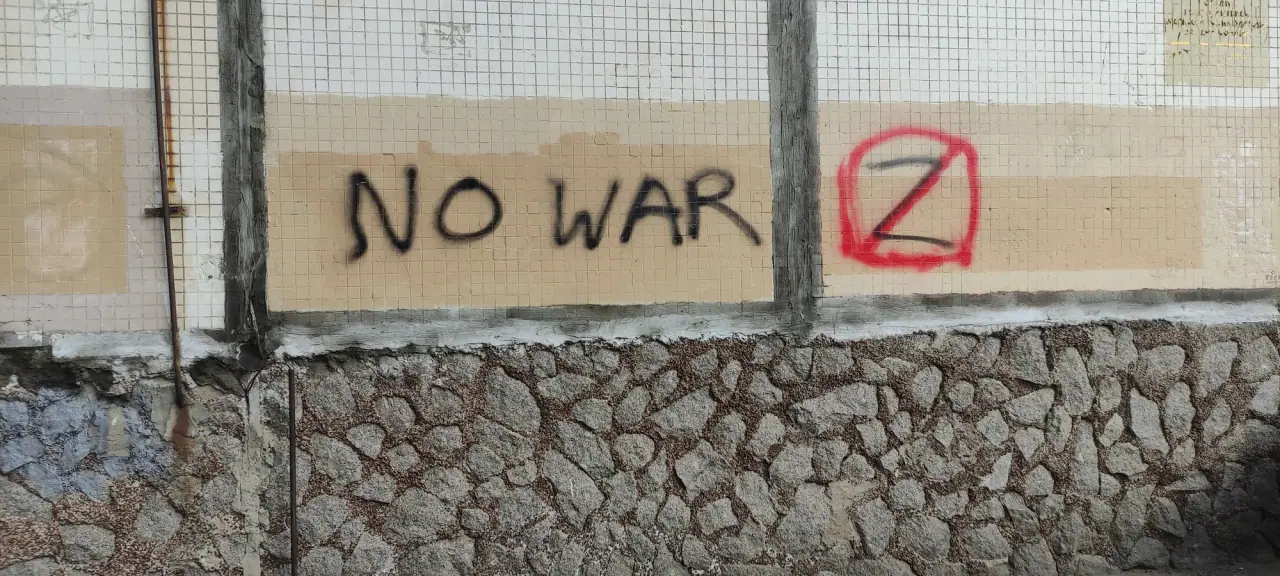
Presidential power and restrictions on political organizations and media were further strengthened; the 2020 constitutional amendments adjusted term arrangements and affected the institutional conditions of the 2024 election. The Special Rapporteur's 2024 report records the shrinking of anti-war expression, the foreign agents system and oversight space, but the restriction that he could not enter the country must be stated. The government, military, supporters, silent people and opponents are not the same subject, and state decision-making responsibility does not equal the shared will of every resident.
What tensions existed within the era?
There is a clear distinction between actual control, Russian territorial claims and internationally recognized status, and this difference cannot be called merely a difference in map versions. Domestic laws linking criticism with security threats expanded self-censorship and also make it difficult to infer genuine opinion from silence. The causes of the war, the manner of its conduct and individual violations must be discussed separately, and research into complex causes should not obscure the fact of who launched the full-scale invasion in 2022.
03 / 2014–2024; observation cutoff 31 December 2024How society worked
The 2014 sanctions and oil price changes affected the economy through financing, exchange rates and incomes respectively, and no single one of them can explain all changes. After 2022 the war and recruitment further changed labor, household spending and the priorities of state resources; this chapter does not use an unverified total military expenditure figure to judge improvements in living standards. Sanctioned enterprises, war-related sectors and households at different income levels faced different situations, and national output indicators cannot directly substitute for welfare or security.
How did ordinary people live?
Ukrainian civilians experienced shelling, power cuts, loss of housing and relatives, and older people near the front line found it harder to evacuate because of financial means, care needs and other reasons. Russian families may face recruitment, casualties, displacement and risks in public expression, with minorities and more vulnerable groups bearing uneven pressure. Prisoners of war on both sides have the right to be protected from abuse; OHCHR distinguished verified evidence from different locations, and violations by one side cannot absolve the other.
04 / 2014–2024; observation cutoff 31 December 2024Where change began
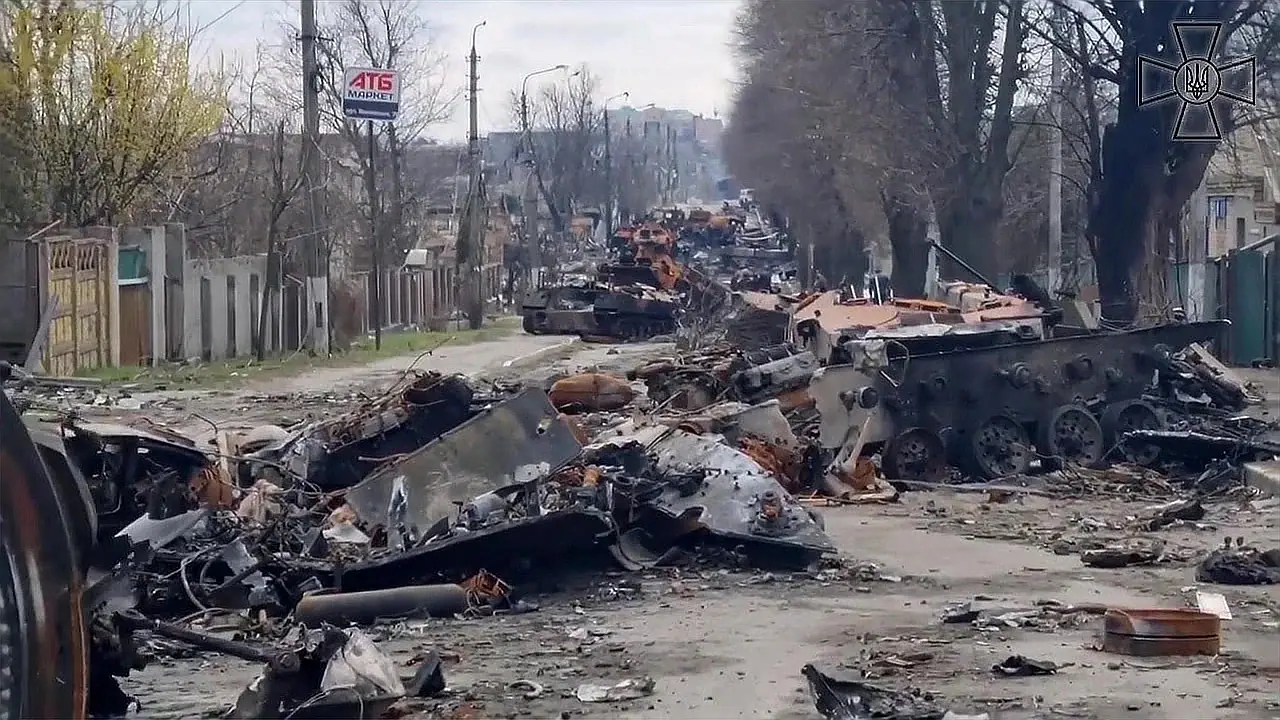
As of 31 December 2024, the fixed UN reports used still record the war and serious civilian harm and do not provide a historical outcome that has already ended. The Russian human rights report materials were updated to August 2024, while the 41st report on Ukraine observed September–November; the two windows are not the same. This chapter stops its narrative at the document cutoff and does not speculate about subsequent battlefield results, leadership arrangements or the real-time situation in 2026, nor does it mistakenly write the cessation of updates as a cessation of the conflict.
Milestones that changed direction
Annexation of Crimea and non-recognition
Russia incorporated Crimea into its territory; on 27 March UN General Assembly resolution 68/262 affirmed Ukraine's territorial integrity and rejected the referendum's effect of changing status.
Minsk implementation measures endorsed by the Security Council
On 17 February resolution 2202 endorsed the measures of 12 February and demanded a comprehensive ceasefire; adoption of a document does not mean actual implementation was completed.
Constitutional amendments change institutional conditions
Changes such as term arrangements strengthened the presidency; the 2021 Venice Commission opinion and the 2024 Special Rapporteur assessed their impact from different angles.
Full-scale invasion on 24 February
Russian forces entered Ukraine on a large scale, and the UN General Assembly subsequently explicitly called this act aggression against Ukraine.
General Assembly demands end to use of force and withdrawal
On 2 March resolution ES-11/1 demanded an end to the use of force, withdrawal of troops and protection of civilians; its adoption date is not to be confused with the document's issuance date.
Opposing illegal annexation of four regions
On 12 October resolution ES-11/4 rejected the effect of the so-called referendums and attempts at annexation to change legal status; actual military control is a separate factual judgment.
Reporting window on domestic rights and mobilization
A/HRC/57/59 records elections, expression and recruitment pressure; the rapporteur states that he was not granted entry and describes a multi-source methodology, so it cannot be treated as a census of the whole population.
Civilian harm continues, observation stops at year-end
The OHCHR 41st report issued on 31 December verifies civilian, energy and prisoner-of-war experiences in September–November, providing a fixed historical window rather than real-time battlefield conditions.
What we know
UN General Assembly resolutions 68/262, ES-11/1 and ES-11/4 record positions on the 2014 referendum, the 2022 aggression and territorial change respectively, and resolution 2202 retains the text of the ceasefire and political arrangements. They are not equivalent to judicial judgments in each crime. OHCHR's 41st report distinguishes verified, credible allegations and unverifiable ones, and the Special Rapporteur on Russia also states that he was not granted entry; adoption dates, issuance dates and actual observation periods must be understood separately.
Questions still debated
Research may debate why the security order, domestic politics and decision-making led to war, and may compare the roles of sanctions, propaganda and resource allocation, but disputed does not mean all accounts have equal evidence. Determining responsibility for individual war crimes still requires specific investigation and judicial proceedings. Government territorial claims are not international recognition, and casualties not yet fully verified should not be written as definite totals; this chapter's cross-checking explicitly preserves these boundaries.
Legacies for later generations
Disruption to housing, energy facilities and education, and the family losses caused by captivity, disappearance and displacement, will last longer than any single battle. The war also changes mutual trust between Russia and its neighbors and understandings of shared history. Long-term effects are still forming; this chapter only raises questions that can be supported by the reports read and does not predetermine future outcomes as some national destiny; preserving responsibility, victims' experiences and document dates is more reliable than proclaiming a final historical verdict.
References and evidence
These materials support this page's account. Check the purpose, perspective and accessible scope of each source. Notes identify the evidential limits of excerpts, summaries and timelines.
- UN General Assembly Resolution 68/262: Ukraine's territorial integrityUnited Nations General Assembly · Primary source
Actually read the full text of the resolution of 27 March 2014, focusing on paragraphs 1, 5, and 6; distinguished the adoption date from the document issuance date of 1 April.
- Security Council Resolution 2202 and the Minsk implementation measuresUnited Nations Security Council · Primary source
Actually read the official Chinese full text of Resolution 2202 (2015) and its two annexes, checking that on 17 February the measures of 12 February were endorsed, and distinguished the ceasefire commitment from its implementation. The original English library PDF returned 403 and the old meeting coverage link returned 404, so a separately public official UN Chinese document was used instead, without circumventing access restrictions.
- UN General Assembly Resolution ES-11/1: Aggression against UkraineUnited Nations General Assembly · Primary source
Actually read the full text of the resolution of 2 March 2022, checking the 24 February invasion, the demand for withdrawal, and civilian protection; this is a General Assembly position document, not a judgment on every war crime.
- UN General Assembly Resolution ES-11/4: Defending the principles of the CharterUnited Nations General Assembly · Primary source
Actually read the full text of the resolution of 12 October 2022; did not substitute Russia's territorial claims for internationally recognized borders, and distinguished actual military control from legal status.
- Opinion on the 2020 Russian constitutional amendments and the adoption procedureCouncil of Europe,Venice Commission · Primary source
Checked the publicly available 2021 opinion PDF and searchable text excerpts on the amendment procedure, term limits, and checks and balances, and did not claim to have read all 40 pages page by page. This institution's opinion is not equivalent to a Russian court judgment; term-limit changes were separately cross-checked against the main text of A/HRC/57/59.
- Report of the Special Rapporteur on the situation of human rights in Russia, A/HRC/57/59UN Human Rights Council,Special Rapporteur Mariana Katzarova · Primary source
Read the introduction, methodology, restrictive legislation, elections, mobilization, and vulnerable groups sections of the 2024 report. The Rapporteur was not granted entry and formed judgments from multiple sources inside and outside the country; did not claim a comprehensive on-site survey in Russia or a court ruling.
- Report on the human rights situation in Ukraine, 41st periodic report: September–November 2024OHCHR,UN Human Rights Monitoring Mission in Ukraine · Primary source
Read the summary, methodology, civilian harm, and prisoners of war on both sides sections of the report published on 31 December 2024; the catalogue path 2025-01 does not change the reporting period, and the three evidentiary states of verified, credible allegation, and unable to verify were made explicit.
- Russian Economic Report No. 33: Growth and shared prosperityWorld Bank · Specialist reference
Actually read the overview of the main text published in 2015, distinguishing income changes in the 2000s from its forecasts for 2015–2016; did not mix different poverty measures, and did not present forecasts as retrospective outcomes.
At the end, bring this chapter to a close.