Vladimir/Volodymyr
Grand Prince of Kyiv; a major ruler in the Christianization of RusBaptism and a Byzantine marriage changed Rus culture. The name forms in different modern languages do not mean he belongs to any one present-day nation-state.
From the multilingual river trade routes to the Rus principalities, from Moscow and the Russian Empire to the multiethnic Soviet Union, and on to the Russian Federation, this history has never had unchanging borders and peoples. Along law, grain, housing, faith, and war, observe how institutions entered daily life, and also how ordinary people's actions changed the state. The chapters cover both state capacity and cultural creation, and also the ruled, minority groups, and civilians in war. This draft uses fixed documents and historical sources up to 2024 as its observational boundary, distinguishing original records, later interpretations, and effects still taking shape, and does not pass off 2026 news as completed history.
Today's Russia is an entry point for exploration, not a claim of ownership over the entire history of the former empire. Rus is a heritage jointly connected to societies including Russia, Ukraine, and Belarus; the Soviet Union was a multiethnic union; modern states, nations, and borders cannot be projected back onto all eras. This draft combines public original documents, university source translations, archives, museums, and specialized research; a summary is only a summary, and prescriptive law does not equal enforcement fact. Facts, interpretations, disputes, and uncertainties are stated separately; on war and territorial questions, military control, government claims, and international recognition are distinguished. Reviewed means Codex has completed source cross-checking and structural review, not human expert certification; materials and understanding may still be revised with new evidence. The narrative observation cutoff is 31 December 2024, and each report's actual observation period is stated separately; grade-level nodes and adjacent periodizations do not pretend to have day-by-day precision.
Archive status: 127/100 qualifying images; 19/19 chapters have received source and narrative cross-checks. Editorial review is not certification by a human historian. Local content status and public deployment are recorded separately.
Every era echoes an earlier change.
Open a chapter to see society and everyday life beyond those in power.
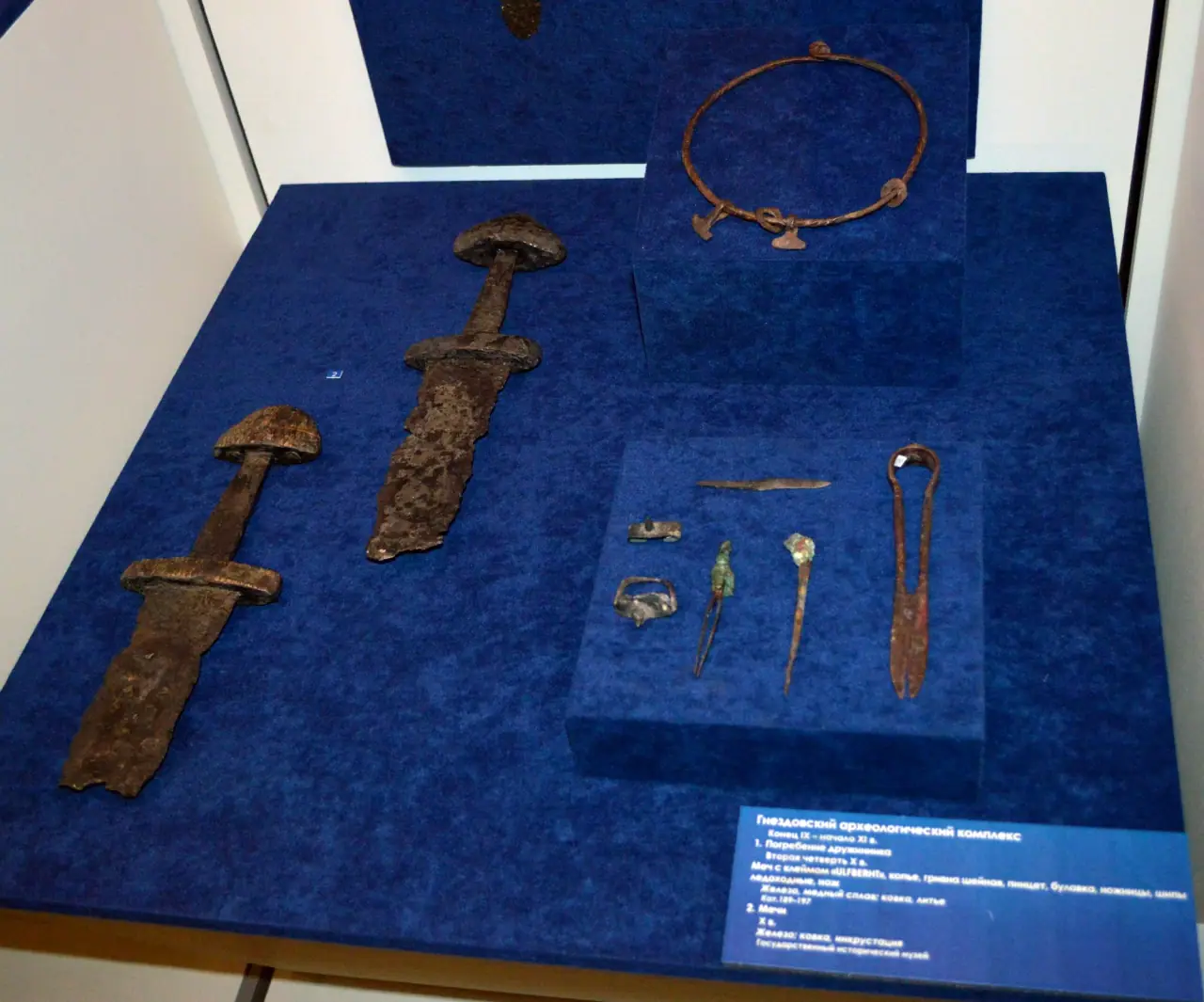
How did a cross-linguistic commercial network become a political community ruled by princes?
Enter this era
Why did a shared faith not produce a permanently unified state?
Enter this era
How did Moscow expand its power between submission, competition, and resistance?
Enter this era
Why did territorial concentration both strengthen the state and make society more fragile?
Enter this era
How did the state recover from the Troubles and then shift new burdens onto its subjects?
Enter this era
Why could Western-style technology grow alongside a stronger system of servitude?
Enter this era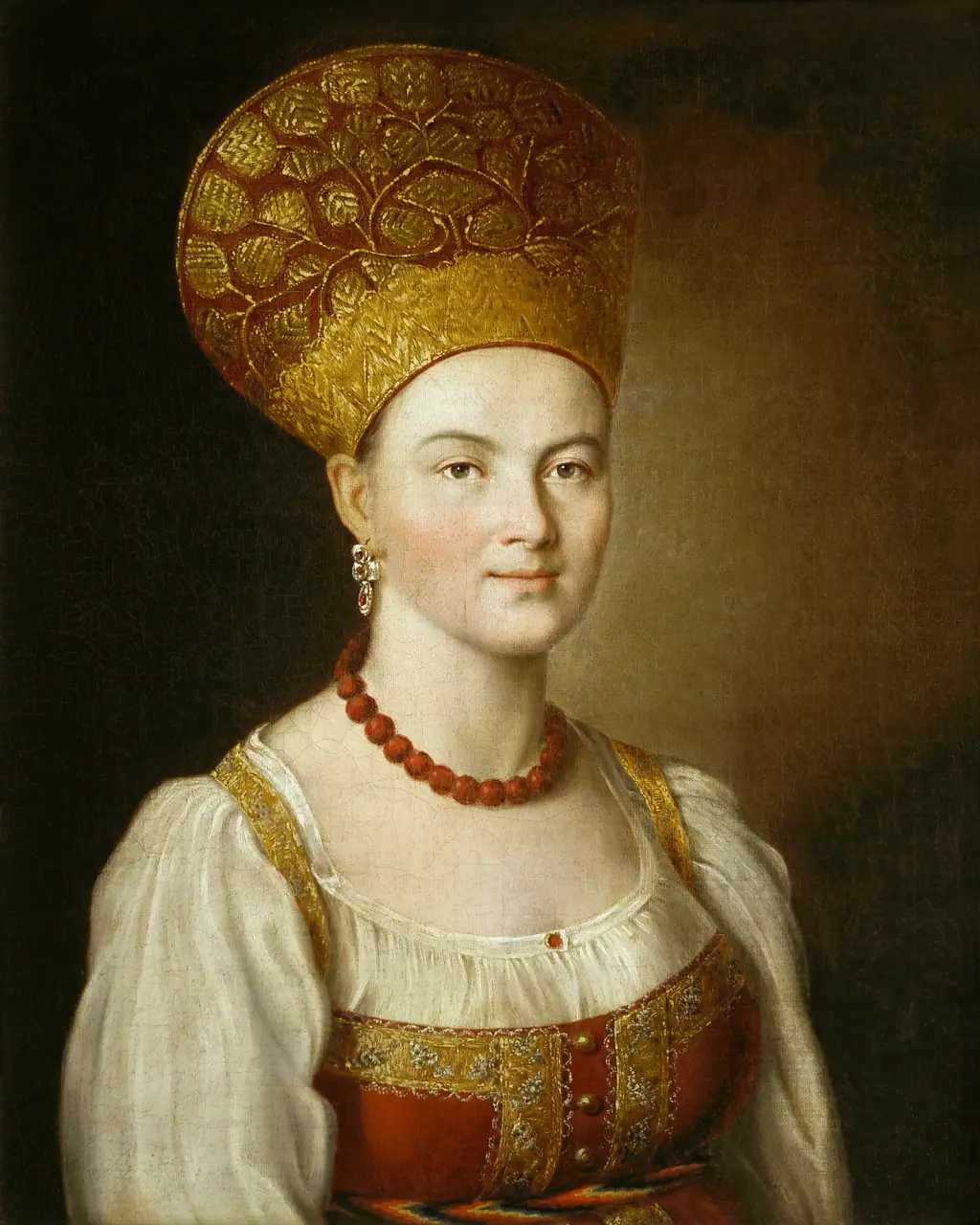
Why did a court that preached the Enlightenment maintain serfdom and a order of conquest?
Enter this era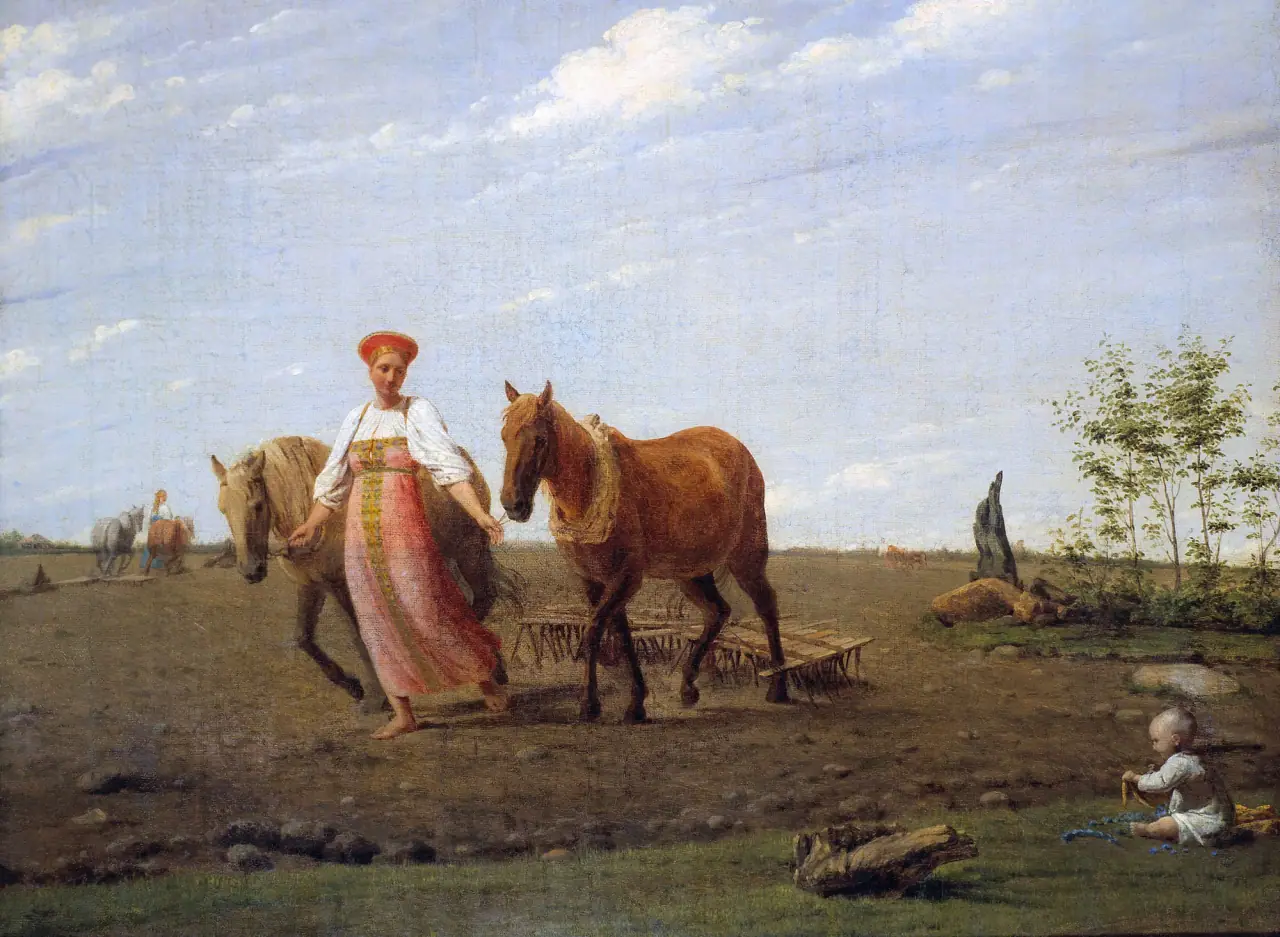
Why did military victory not automatically bring political and social reform?
Enter this era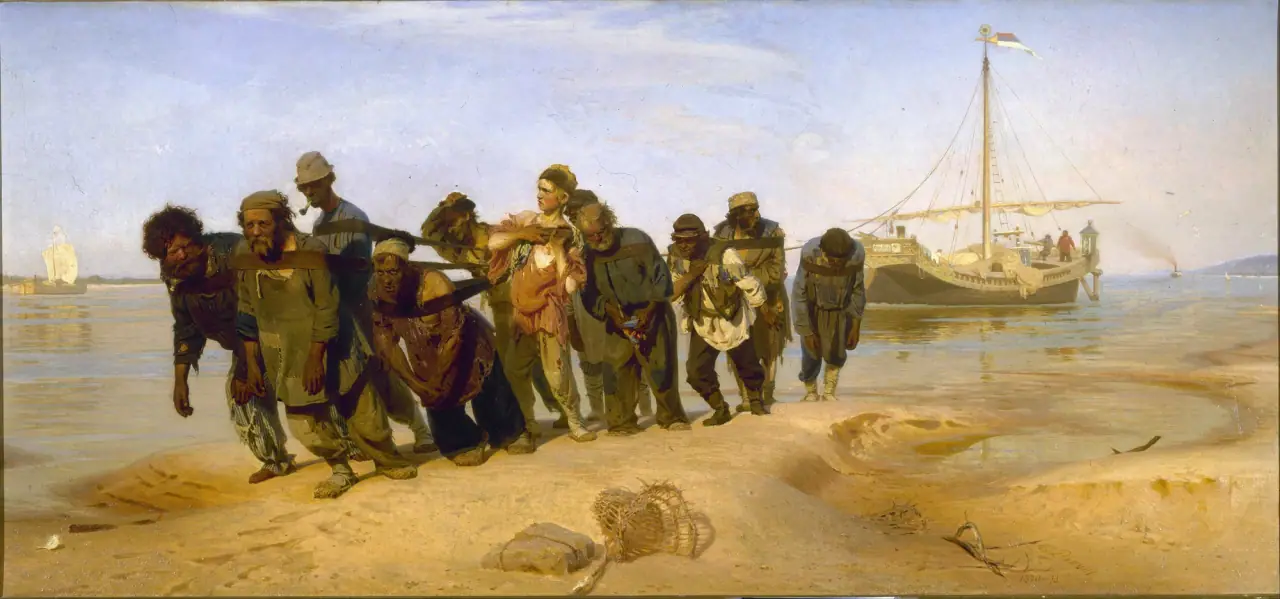
After the removal of personal bondage, why did land and rights remain political problems?
Enter this era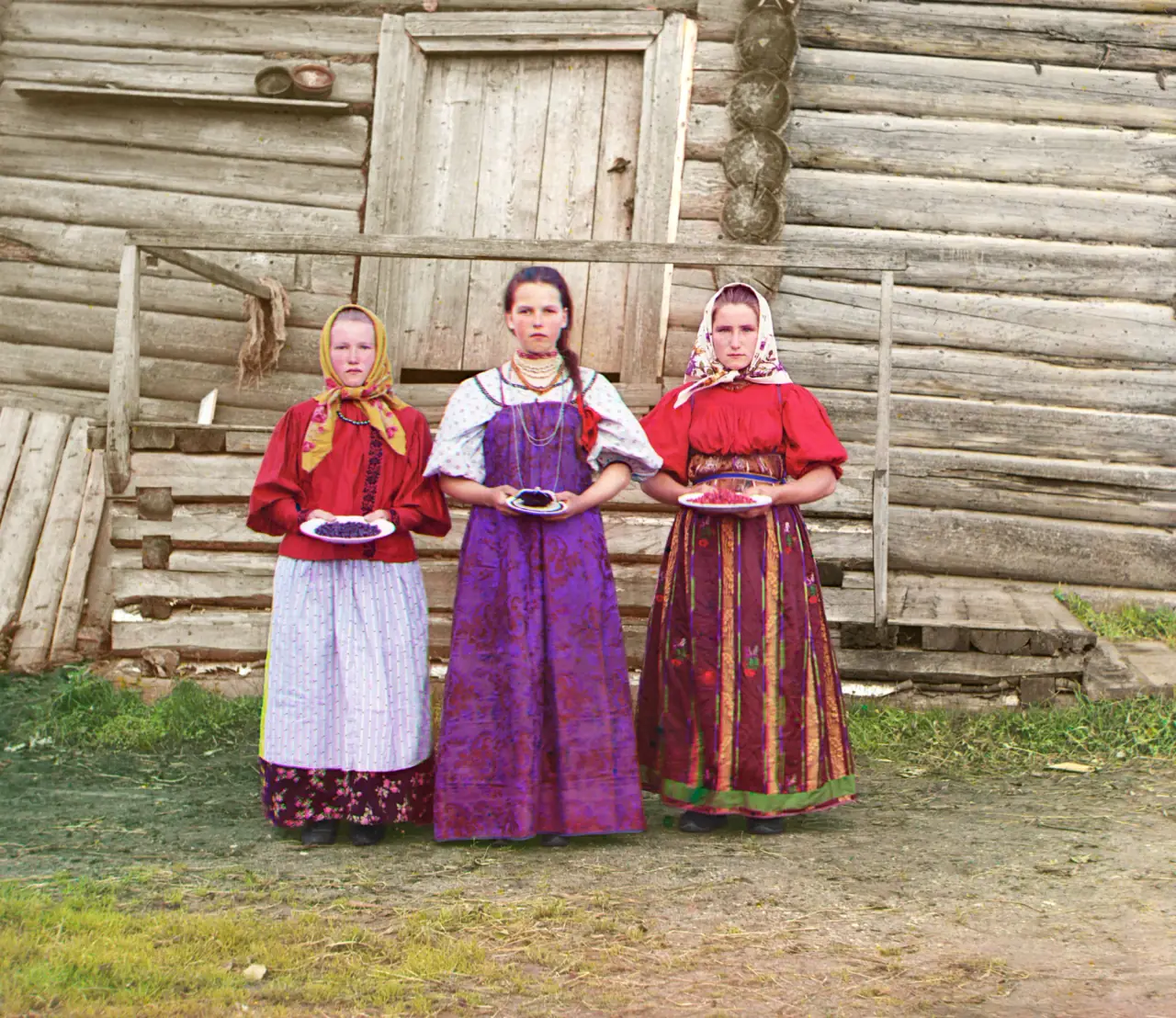
Why did an empire with railways, a parliament, and industrial growth still disintegrate in war?
Enter this era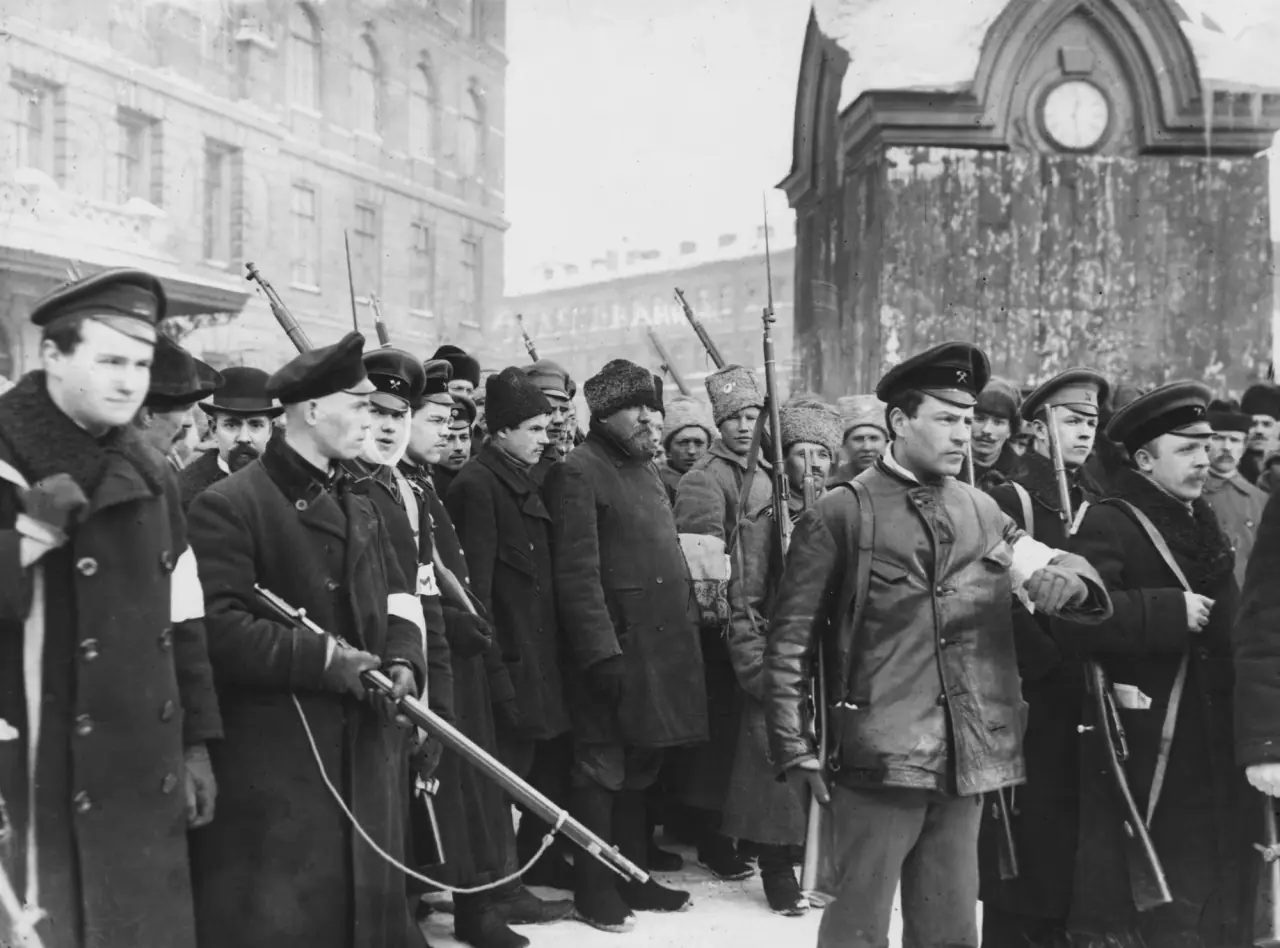
How did a revolution for peace, land, and autonomy move toward a one-party state?
Enter this era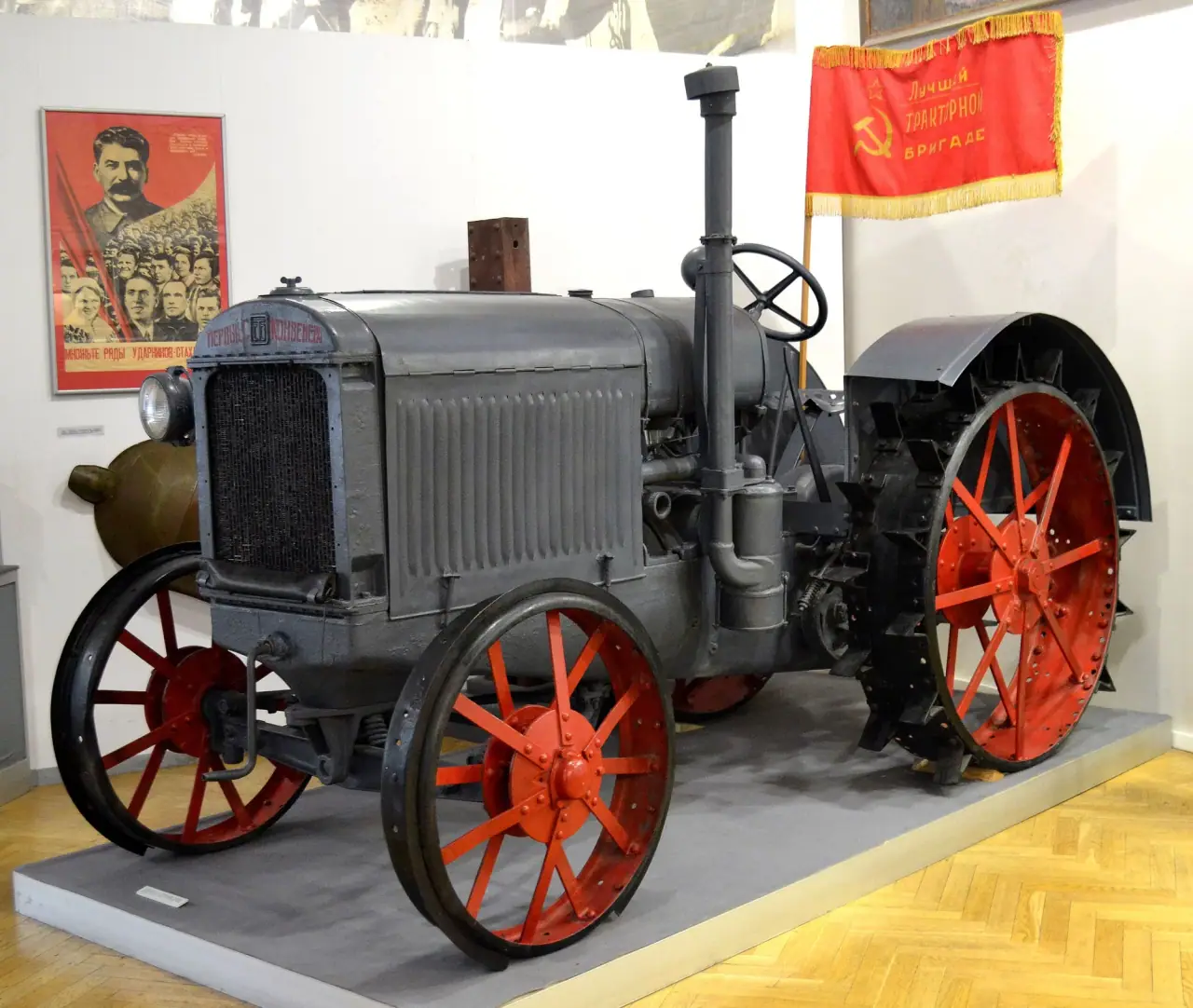
The state could concentrate resources; who would decide who bore the costs?
Enter this era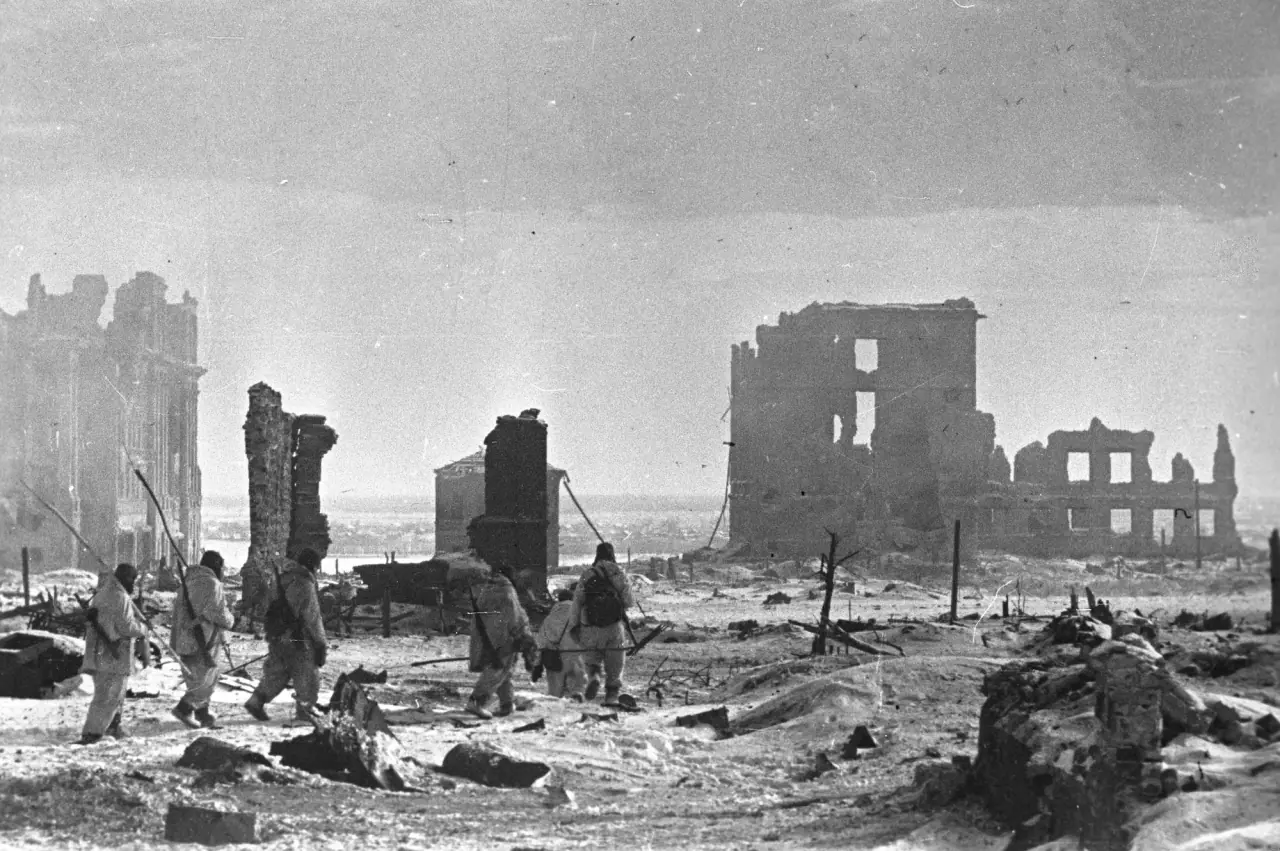
How can the victory of resistance, the experience of civilians, and state coercion be explained together?
Enter this era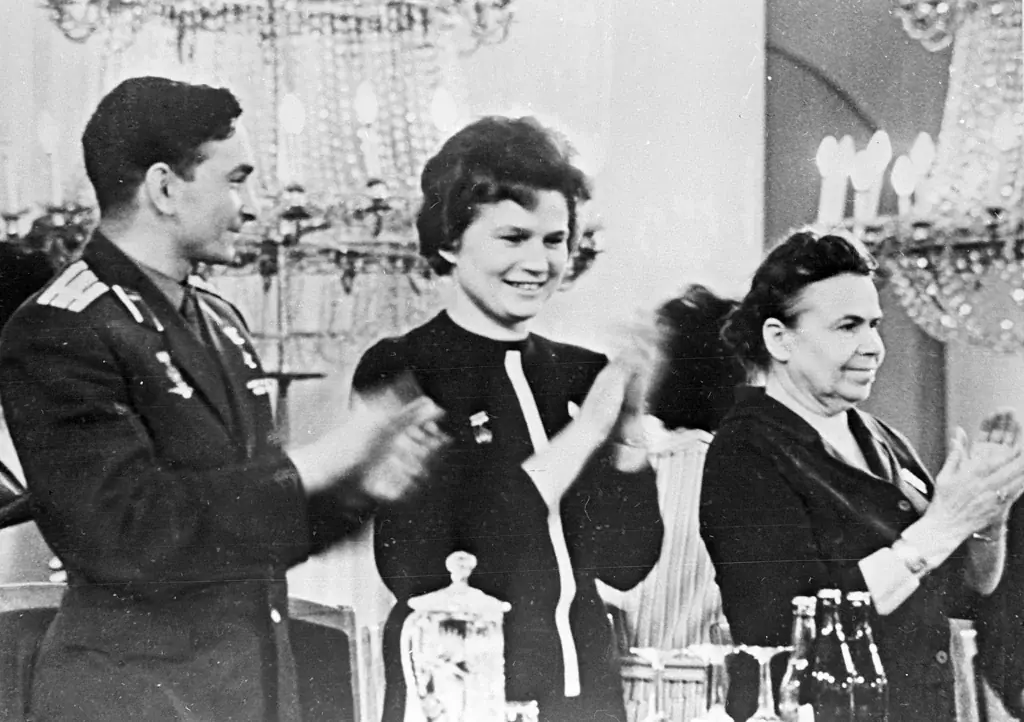
How did superpower achievements enter ordinary families' housing and lives?
Enter this era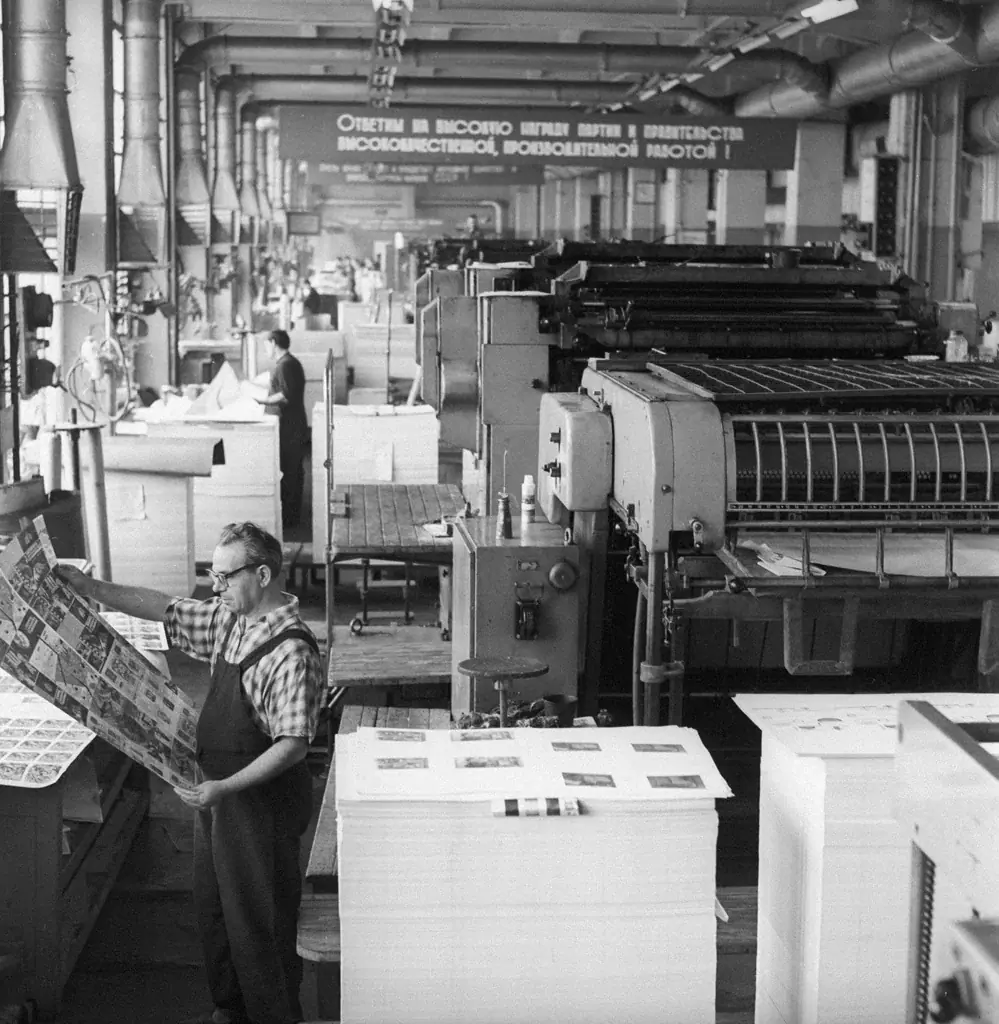
Why did a society with more stable living conditions find it increasingly difficult to promote institutional change?
Enter this era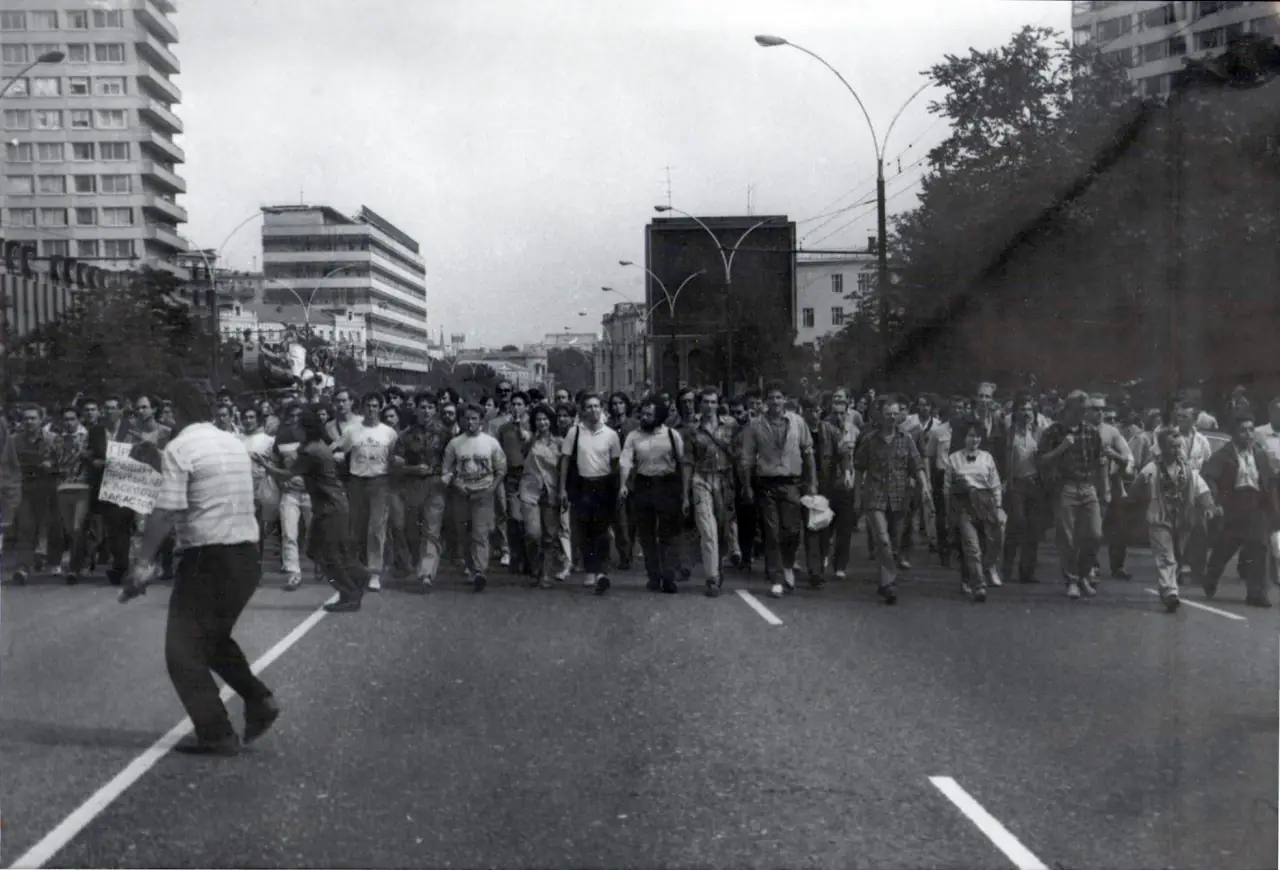
Why did reforms meant to save the union ultimately weaken the union itself?
Enter this era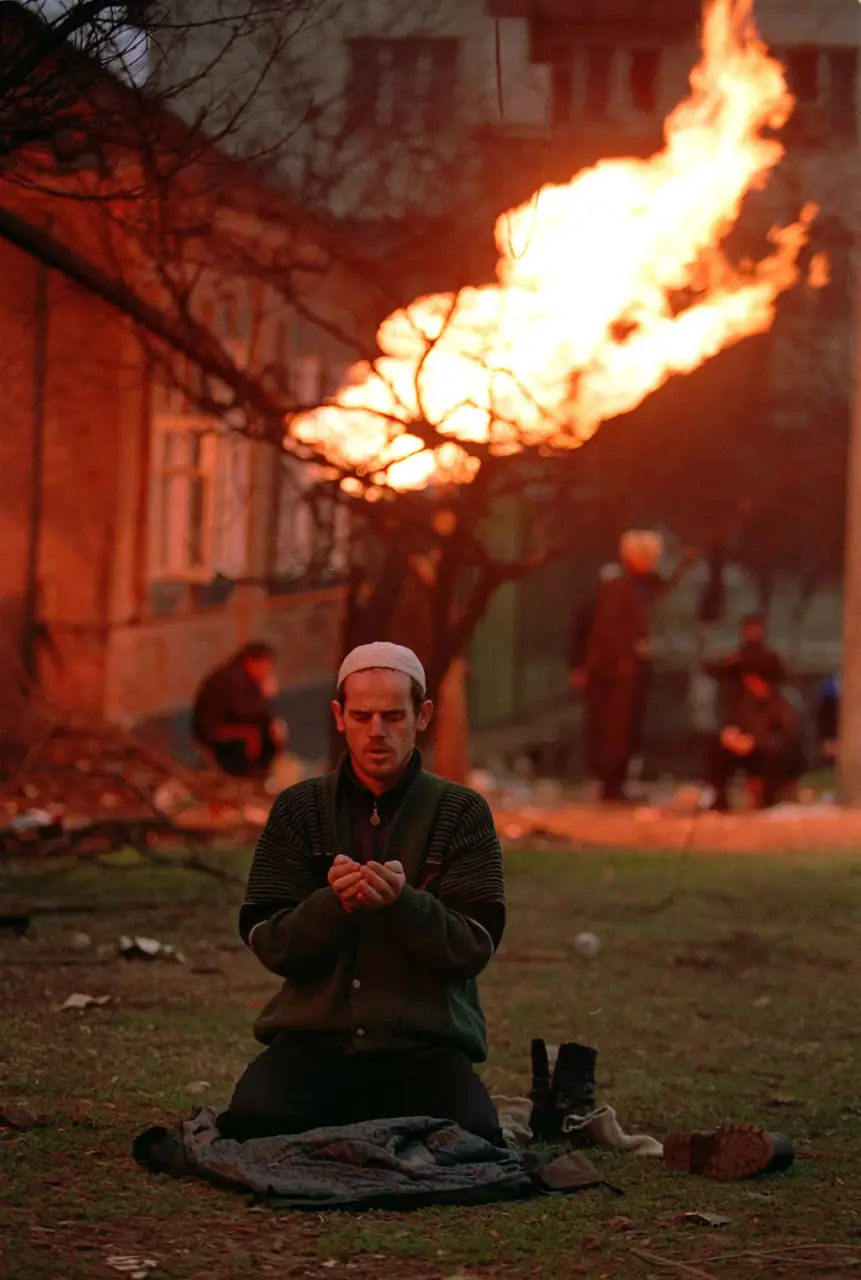
While building markets and electoral institutions, how could livelihoods and an accountable state be maintained at the same time?
Enter this era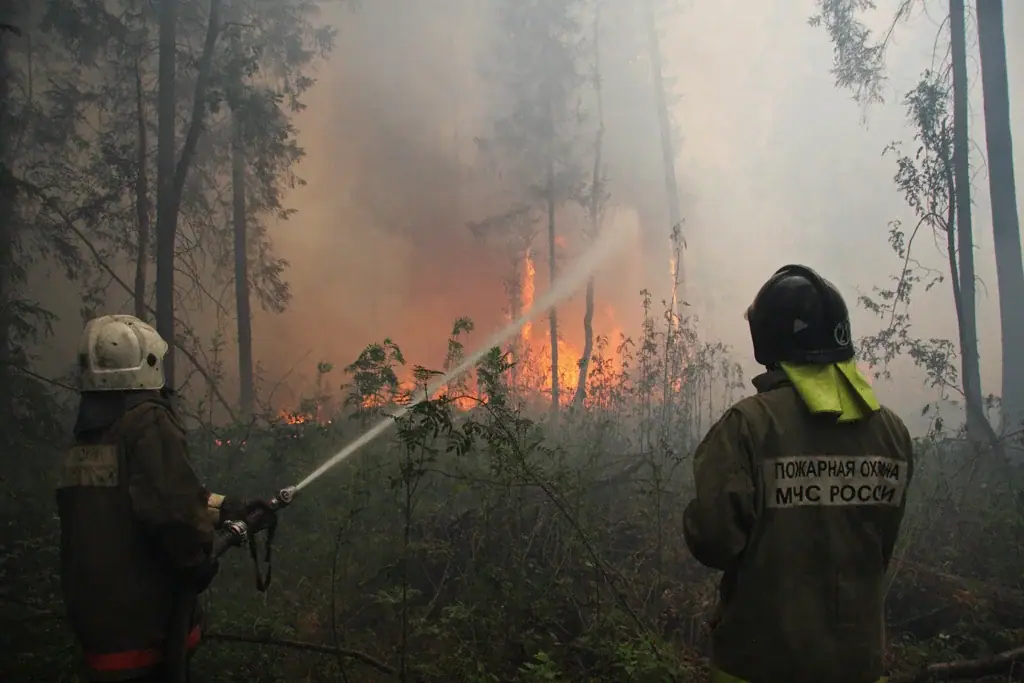
As the state restored finances and order, how did it change local autonomy, political competition, and family expectations?
Enter this era
How did the state's narrative of territory and security translate into changes in the lives of civilians in neighboring countries and of families at home?
Enter this eraLook beyond immediate triggers to underlying structures.
Understand the alternatives history once held.
Reform combined war, technical learning, and fiscal reorganization, giving Russia Baltic standing while deepening control over labor and service. A ship requires timber, iron smelting, canvas, skilled personnel, and transport, so military objectives entered finance, schools, and peasant household life. Administrative reform was not mere administrative beautification, and the new capital was not merely an aesthetic choice; they concentrated resources and service more tightly around the monarch. Measuring results requires asking simultaneously how much capacity increased, who gained opportunities, and who bore taxes, service obligations, and coercion.
Emancipation changed the status of privately owned serfs, and accompanying reforms reshaped society; allotments, redemption payments, and differentiated legal status made actual freedom vary by region and class. For peasant households, whether they could decide marriage and affairs without the landlord was a different question from what land they could receive and how much payment they bore. The state sought to balance finance, landlords, and social order, while peasants responded with their own understandings of land and justice. Promulgating the law was only a starting point; accompanying changes in courts, village communes, and local administration determined how freedom became rights that could actually be used.
February ended the monarchy, and October established a new central government; the goals of workers, peasants, soldiers, and national movements were recombined or suppressed during the civil war and reconstruction. The change of government in the capital did not make the countryside wait for central arrangements; actions on land and local self-government had already begun before October. Soldiers wanted peace, workers wanted rights, and different nationalities wanted autonomy; these demands overlapped and also conflicted. The Bolsheviks gained power at a critical moment, and the civil war and institutional choices gradually narrowed the initially plural space for participation.
The Nazis launched a war of extermination, and the Soviet Union fought back through multiethnic mobilization and cooperation with the Allies; the victory must be read together with the Holocaust, the sieges, forced labor, and state deportations. Nazi goals meant that civilians and prisoners of war in occupied territories faced more than ordinary military occupation. The Soviet Union's industrial relocation and multiethnic society sustained continued resistance, while supplies from Britain, the United States, and other Allies and other fronts changed the conditions of combat. Victory and great-power status cannot cover the sieges, massacres, family separations, and forced migrations, and these consequences continued after the war ended.
Reform, sovereignty movements, and economic disorder weakened the center; after the failed coup, decisions by republic leaders and voters turned union negotiations toward a system of independent states. In March a reformed union could still be supported, but August and December changed people's judgment of the center. The republics did not always have a single unchanging will, and Russia's own pursuit of sovereignty also weakened the union. Putting reform failure, resource competition, and genuine political choices together explains why the outcome was not predetermined in 1985, and why by late 1991 there was very little room left to salvage it.
Individual choices and institutional forces
are always intertwined.
Baptism and a Byzantine marriage changed Rus culture. The name forms in different modern languages do not mean he belongs to any one present-day nation-state.
Expanded dynastic ties through war, marriage, and patronage. The legal compilation associated with his name does not mean all of its text was personally drafted by him.
Sought room for maneuver between warfare in the northwest and submission to the khanate; his saintly and heroic image was shaped over a long period and should be read separately from the political choices of his time.
Annexation, diplomacy, and elite integration strengthened Moscow, and also meant the loss of political autonomy for Novgorod and other places.
Reforms and conquests expanded the state; the later oprichnina and wars caused destruction. Assessment must consider institutions, frontier residents, and victims of violence together.
Persecuted for opposing liturgical reforms. His autobiography offers a personal voice and also has a clear purpose of religious polemic.
Used war to advance military, administrative, and cultural reforms; the reforms also depended on officials, artisans, and conscripted laborers and cannot be attributed solely to the monarch's will.
Enlightenment culture, administrative adjustments, and expansion proceeded together, while also depending on noble privilege and serf labor; art collecting was also an expression of rule.
Supported emancipation and judicial and military reform; fundamental limits remained on land and political representation, and after his assassination constitutional government was not realized.
Drove the seizure of power and established centralized rule during the civil war; in 1921 he supported economic retreat. Mass action and later institutions cannot be entirely attributed to one person's design.
Led collectivization, industrialization, and large-scale repression, and commanded the state in wartime. State achievements cannot erase responsibility for policy disasters and violence.
Participated in key operations including Moscow and Berlin; his contribution must be understood within the context of other commanders, soldiers, rear-area laborers, and Allied cooperation.
Criticized the personality cult and promoted welfare reforms, and also suppressed some dissent and the Hungarian uprising; the Thaw coexisted with party-state control.
Moved from scientist in the nuclear program to advocate of civil rights, was subjected to surveillance and internal exile, and connects technology, national security, and personal responsibility.
Sought to save socialism through reform and helped end the Cold War, expanded political participation, and was unable to control economic and republican power struggles.
Opposed the coup in 1991 and strengthened republican power, later promoted market transition; the forcible resolution of the constitutional conflict and the Chechen war constitute major issues.
His rule combined restoration of state capacity and centralization with stricter political control. Responsibility for and impact of foreign wars and the 2020 constitutional amendments must be discussed separately from the different experiences of residents; this archive does not claim to provide real-time information on officeholding in 2026.
Became president when Putin moved to prime minister, and the position changed again in 2012. The relationship between the two men's formal powers and actual influence is a research question; it cannot be assumed from job titles alone who independently made all decisions.
Russia and Japan contended over interests in Northeast China and around Korea, and the war caused destruction on third-party land. The outcome changed relations among the great powers and also precipitated a crisis in Russia; local residents cannot disappear from a bilateral story.
Follow this connectionAt this time the Russian side was the multi-ethnic Soviet Union. The United States and the Soviet Union fought Germany together, then confronted each other over Europe, ideology, and security, while arms control reduced some nuclear risks.
Follow this connectionTwo rounds of Russo-Iranian war and the Treaties of Gulistan and Turkmenchay changed control over the South Caucasus, and Iran bore territorial cessions, indemnities, and privileged arrangements; imperial history must be read together with the experiences of local societies such as Azerbaijan and Armenia.
Follow this connectionThese materials support this page's account. Check the purpose, perspective and accessible scope of each source. Notes identify the evidential limits of excerpts, summaries and timelines.
Checked against the public chronology and authors; no claim is made to have read the full paid book, and uncertainties may remain in traditional dating.
Only publicly available signed abstracts were read, used for terminology and framing of research questions; no claim is made to have read the chapters in full; key narratives were cross-checked separately against accessible sources and historical texts.
Read the public abstract to check dynastic legitimacy and Christian culture; no page numbers of the main text were invented.
The public book description suggests that the memory of baptism was rewritten through liturgy and politics, and that the historical process should be distinguished from later origin narratives.
The public abstract describes dynastic and ecclesiastical continuity and political reorganization; the extent of Mongol influence must be read alongside local sources.
The public abstract concerns archaeology, land, and urban politics; the republic cannot be equated with modern universal-suffrage democracy.
The catalog describes documents including nos. 916–1062 and commercial and family correspondence; no claim is made to have examined each item in person.
Checked governance, estates, women, agriculture, economy, and thought in the public abstracts; this is not a page-by-page review of the whole book.
Publisher's public PDF, used to check dates and chapter structure; the map insert does not thereby become openly licensed.
Read the article and list of works to check the founding of the city, court, and craft exchange; treated its Westernization rhetoric with caution.
Checked the course of the campaign and the decision to retreat; the military perspective must be complemented by civilian and Russian experiences.
Read the exhibition notes and check a set of legal and reform background items for the 19th day of the 2nd month of the old calendar in 1861.
The public abstract discusses administrative reform, bureaucratic conflict, and implementation; no paywalled body page numbers were used.
Read the signed feature and distinguish the seizure of power in the capital, mass mobilization, and subsequent state-building.
Read the feature and check the coexistence of the 1921 economic retreat and political centralization.
Check the grain requisition crisis, coercion, peasant resistance, and famine; do not treat old estimates as precise mortality statistics.
Provides documents and translations on grain requisition, repression, censorship, deportation, and reform; the 1992 general introduction's period stance must be read against other research.
Read the feature and check the secret protocol, entry into Poland, the Winter War, and the annexation of the Baltic states.
Read the full text and check the invasion date, the war of extermination's objectives, and the experiences of Jews, prisoners of war, and civilians.
Check documents on aid, alliance, the Cold War, and nuclear crises; do not use old statistical ratios that have not been independently reviewed.
Read the body of Lewis Siegelbaum's feature; citations are limited to the content, omissions, and political boundaries of the 1956 criticism; no claim is made to have read the full original Khrushchev report, and the webpage's day-level date was not used as a sole basis.
The feature discusses the gap between employment, housework, and the promise of socialist gender equality.
This round read the complete feature body at the original URL, signed Lewis Siegelbaum and James von Geldern; James Millar's small deals are used as an interpretive framework, not as a formal nationwide agreement.
Read the feature and check how economic management reform expanded into political openness.
Read the feature and check the coup, the Ukrainian referendum, Belovezha, and the resignation; retain the different political paths.
The text includes 2008 amendments and is used only for the basic institutional framework; it is not the original 1993 definitive text or the current complete law.
Read the public overview of the 1999 report; the IMF was a participant in the transition, and policy assessments must retain their positional limits.
A contemporary report based on interviews with displaced persons; its scope is limited and it cannot replace a full history of the war.
Read the Japanese archive exhibition for comparison on the 1904–1905 war; it must be combined with the experiences of Northeast China and Korea.
A specialist overview; the webpage mistakenly lists the year of the Treaty of Turkmenchay as 1826, while the body uses the cross-checked 1828 and retains the correction.
Check the election of March 26, 2000, and the entry point to the observation report; do not use this to claim that all institutions were fully implemented.
The contemporary U.S. presidential statement and metadata confirm the resignation and Putin's assumption of the acting presidency; this is not a complete Russian decision-making record.
Read the complete historical exhibition page and the autobiographical materials cited therein, and check the 1980 exile and surveillance; no direct quotations from the person are used.
Read the complete signed text and check the December 1947 reform and the costs borne by different social groups.
Read the complete feature; the webpage places it in the 1956 section, but the historical event clearly occurred in 1957, so the content is ordered by event year.
Read the signed feature and check the April 12, 1961 orbital flight and the team and military-industrial background.
Read the contemporary report and check the Khasavyurt arrangements, withdrawal, and postponement of the decision on legal status; do not use old casualty figures that have not been independently reviewed.
The official report entry point and the election dates of June 16 and July 3, 1996, have been checked; no claim is made to have read the entire report page by page, and no conclusion about the overall quality of the campaign is drawn from this entry point alone.
Contemporary institutional records are used to check the fact of the military attack on the parliament; their political labels for the combatants are not directly adopted.
Check the investigation summary based on multiple rounds of interviews from February to May 2000, reflecting the experiences of detainees and civilians; do not use this to presume responsibility for all fighting or bombings.
Actually read the passages on the invitation to the Rus, Oleg's commercial treaty, Olga, and the choice of baptism; these are English translated selections with modern editorial insertions, not a complete critical edition, and miracles and dialogue between figures are not treated directly as fact.
Actually read selections including 1016–1445 and checked the narratives of cities, wars, fires, and Mongol invasions; the English text contains transcription errors, and precise dates were checked separately against scholarly chronologies.
Actually read selected translations of chapters I, II, XI, and others, focusing on rules for pursuing fugitives, registration, family, and property; selected translations and normative texts cannot prove case-by-case implementation.
Actually read selections from Burnet, Korb, Gordon, and Rousset, comparing technical learning, suppression of the Streltsy, taxation, and customs; each has foreign-observer and political positions, and hearsay is not treated as eyewitness testimony.
Actually read provisions on absolute sovereignty, law, security, torture, and estates; this is legislative guiding thought, not a new code that had been fully implemented.
Read the body of the public chapter, not a summary; the research was completed in 1996, the mirror is not the main LOC site, and old formulations such as those on nation formation and linear development are read critically rather than adopted as written.
Read the body text on the rise, Ivan IV, the Time of Troubles, the Romanovs, and expansion; the old survey's personality diagnoses and the claim of complete control by rulers are not used as causal conclusions in this draft.
Read the body text on Peter, court successions, Catherine, and the estate system; absolute assertions such as the economy being completely unable to grow under serfdom are not adopted.
Actually read the main text on the Great Reforms, local governance, the judiciary, military service, and counter-reforms; cross-checked against the Yale law exhibition and academic chronologies; did not use unreviewed statistics or erroneous dates from older books.
Actually read the main text on 1905–1907 and the Stolypin reforms; distinguished the manifesto, the 1906 Fundamental Laws, and actual power, and did not call the October Manifesto itself a complete constitution.
Actually read the Outstanding Universal Value sections on medieval architecture, mosaics, and later alterations; used only for explaining physical remains, and did not use dynamic news on the page after 2024.
Actually read the overview of the main text published in 2015, distinguishing income changes in the 2000s from its forecasts for 2015–2016; did not mix different poverty measures, and did not present forecasts as retrospective outcomes.
Actually read the executive summary, political background, and post-election protests sections, and did not claim to have read every annex page by page; distinguished direct observation, complaints, and statistical anomalies, and did not directly treat every allegation as proven fact.
Checked the publicly available 2021 opinion PDF and searchable text excerpts on the amendment procedure, term limits, and checks and balances, and did not claim to have read all 40 pages page by page. This institution's opinion is not equivalent to a Russian court judgment; term-limit changes were separately cross-checked against the main text of A/HRC/57/59.
Actually read the full text of the resolution of 27 March 2014, focusing on paragraphs 1, 5, and 6; distinguished the adoption date from the document issuance date of 1 April.
Actually read the full text of the resolution of 2 March 2022, checking the 24 February invasion, the demand for withdrawal, and civilian protection; this is a General Assembly position document, not a judgment on every war crime.
Actually read the full text of the resolution of 12 October 2022; did not substitute Russia's territorial claims for internationally recognized borders, and distinguished actual military control from legal status.
Read the introduction, methodology, restrictive legislation, elections, mobilization, and vulnerable groups sections of the 2024 report. The Rapporteur was not granted entry and formed judgments from multiple sources inside and outside the country; did not claim a comprehensive on-site survey in Russia or a court ruling.
Read the summary, methodology, civilian harm, and prisoners of war on both sides sections of the report published on 31 December 2024; the catalogue path 2025-01 does not change the reporting period, and the three evidentiary states of verified, credible allegation, and unable to verify were made explicit.
Actually read the main text; the article was formally published in New Europe Review in January 2005 and reposted by Brookings, analyzing the 2004 reform. Checked the visible date and structured metadata on the page, and did not mistake the year of the subject under study for the publication year; policy analysis does not replace the legal text.
Actually read the feature main text, checking the capital protests, Old Style and New Style dates, the garrison, and the monarch's abdication; did not treat women or the army as a single political bloc.
Actually read the feature main text, checking the sequence among land, village communes, and central decrees; land aspirations are not equivalent to support for every policy of a particular party.
Actually read the feature main text, checking prefabricated housing and changes in domestic privacy; rudimentary conditions, overcrowding, and regional differences were not obscured by total new housing figures.
Actually read the official Chinese full text of Resolution 2202 (2015) and its two annexes, checking that on 17 February the measures of 12 February were endorsed, and distinguished the ceasefire commitment from its implementation. The original English library PDF returned 403 and the old meeting coverage link returned 404, so a separately public official UN Chinese document was used instead, without circumventing access restrictions.