New Life and New Fractures in the Federation
While building markets and electoral institutions, how could livelihoods and an accountable state be maintained at the same time?
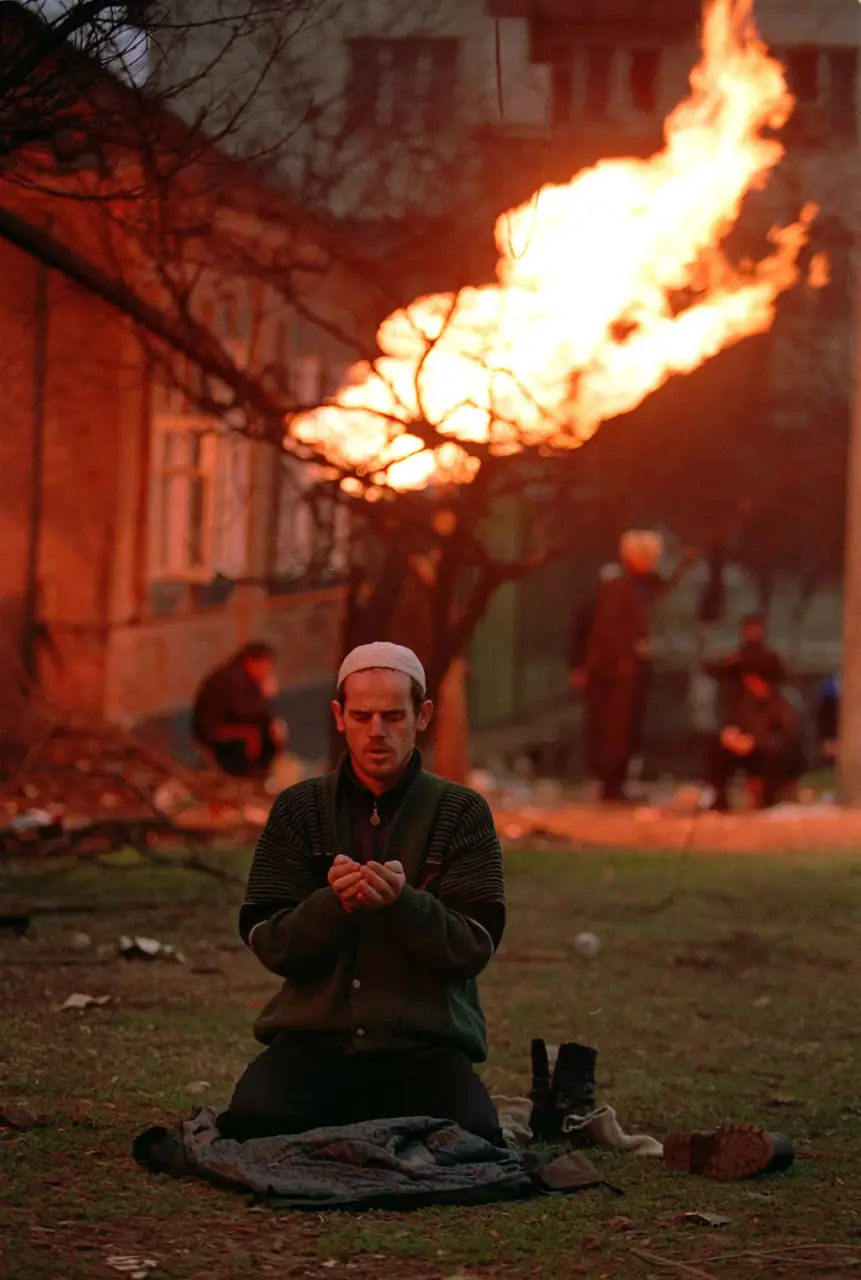
The Russian Federation inherited most of the Soviet Union's state capacity, and also faced broken supply chains. Liberalization, privatization, and fiscal crisis redistributed wealth; constitutional conflict, the Chechen wars, and the 1998 financial crisis showed that state forms and social experience did not move in step. A family might gain opportunities for business and travel, or lose savings to inflation, or go without wages for long periods. Political competition, media openness, and concentration of wealth occurred simultaneously, and federal-regional relations were not yet stable. State rebuilding was therefore both a story of constitutions and property rights and a story of how families rearranged work, care, and security.
01 / 1991–2000How this era began
Russia was originally a union republic; after 1991 it exercised sovereignty independently and assumed the main responsibility for international succession. Soviet industry, budgets, and monetary ties crossed republics, and dissolution turned many formerly internal arrangements into interstate issues. The bureaucracy, army, and welfare institutions Russia inherited did not disappear, but they needed new revenue and legal foundations. 1991 cannot simply be treated as the starting point for designing markets and democratic institutions on a blank sheet.
Why did this era begin?
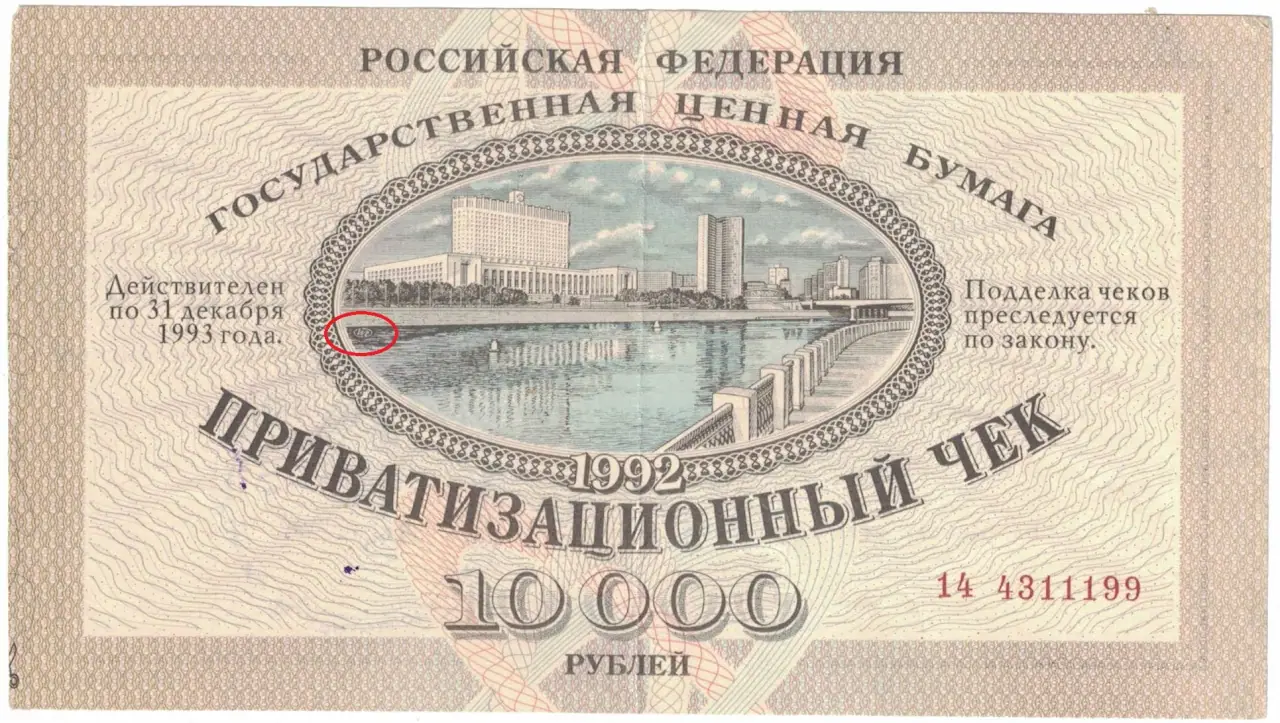
The union framework disintegrated, and the government hoped to stabilize finances quickly and build markets, but lacked mature regulation and social buffers. Price liberalization was meant to restore goods supply, and privatization was meant to establish property rights and business incentives, but the capacity to stabilize the currency, collect taxes, regulate, and provide welfare did not keep pace. Disputes over the speed of reform also entered presidential-parliamentary relations. The effects of different policies must be tracked separately; not all losses can be attributed to a single action.
02 / 1991–2000Who held power
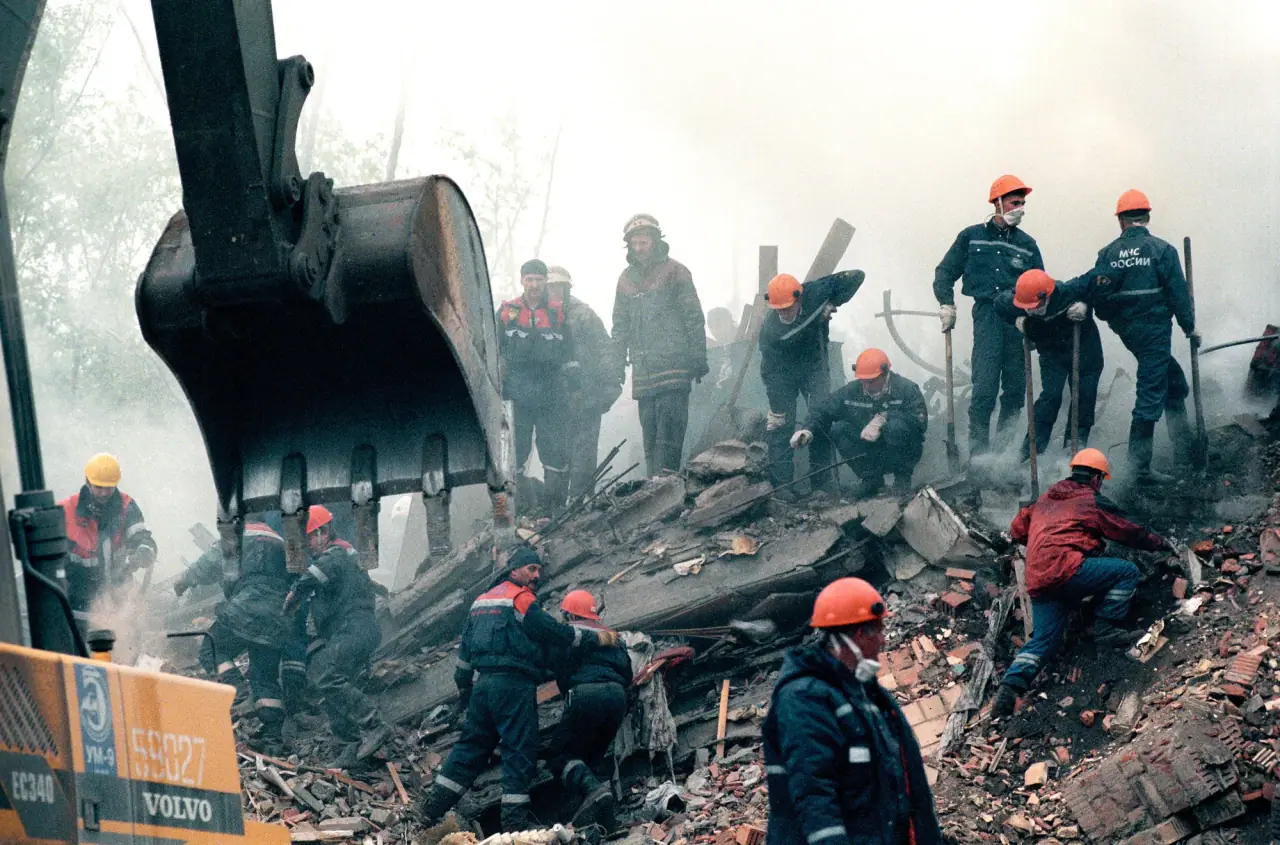
The 1993 constitution established a strong presidency and a two-chamber parliament; the center and regions negotiated through treaties, fiscal arrangements, and elections, with varying capacity for implementation. The old Soviet constitutional system, after amendment, coexisted with new presidential authority, and the 1993 conflict exposed differing claims about the boundaries of power. A military attack on parliament ended the standoff, and the new constitution gave the president relatively strong powers. Regional leaders retained room through fiscal and treaty negotiations, and a gap remained between the center's formal powers and actual implementation.
What tensions existed within the era?
Executive-legislative conflict, unfair asset distribution, and regional sovereignty disputes reinforced one another; in the two Chechen wars, civilians endured bombardment, detention, and displacement. Property rights, political representation, and local self-government did not stabilize in step, and concentration of wealth also affected media and campaign resources. Chechnya involved both separatism and local power conflicts, and also the right of civilians to be free from attack. Recording the conduct of all armed parties and federal military responsibility is a necessary part of understanding the conflict; the discussion cannot be ended with the phrase restoring order.
03 / 1991–2000How society worked
Price liberalization and the transfer of property rights were accompanied by inflation, output contraction, wage arrears, and inequality, and financial groups and resource sectors gained greater influence. When state enterprises lost old orders and subsidies, output, employment, and public services were hit at the same time; wage arrears, barter, and insufficient tax revenue were interconnected. Privatization distribution and financing mechanisms also gave a few groups the chance to accumulate assets. The 1998 crisis combined debt, exchange-rate, and banking problems; it was not the result of families not working hard enough.
How did ordinary people live?
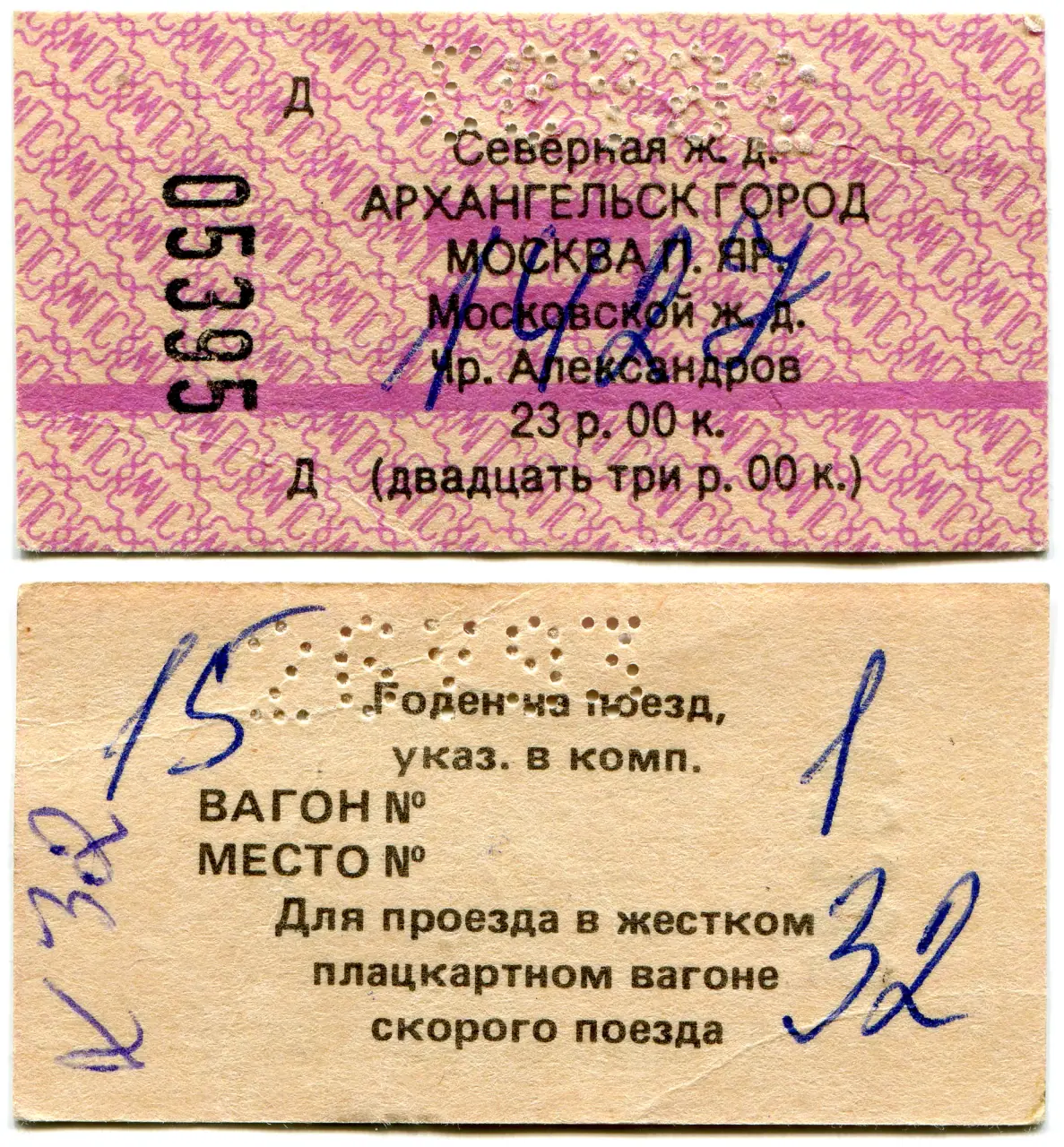
Families relied on small trading, sideline production, and mutual help from relatives and friends; space for news and travel expanded, while health care and public services came under pressure. Families supplemented formal wages with vegetable plots, sideline production, market transactions, and support from relatives, and women and the elderly often bore the caregiving buffer. Space for foreign travel, publishing, and religious activity expanded, but this did not translate evenly into income security. Differences among regional enterprises and public services meant that the new consumer landscape of the capital could not represent all residents.
04 / 1991–2000Where change began
The 1998 crisis made the old financing and exchange-rate arrangements hard to sustain, and also created conditions for subsequent adjustments. Yeltsin resigned at the end of 1999, and Putin first served as acting president and then took part in the 2000 election. This transfer did not end the Chechen war, wealth distribution, or center-region relations; this chapter ends here as a periodization marking a turn to a new stage, not as a point at which the history of the Russian Federation stopped in 2000.
Milestones that changed direction
Price liberalization
Most prices were freed, inflation hit savings, and fiscal, property, and supply relations continued to be reorganized.
Constitutional crisis and new constitution
The power conflict ended by force, and the December constitution reset institutions and power relations.
First Chechen war begins
Federal troops entered Chechnya, and the military and local political conflict caused serious harm to civilians.
Elections and Chechen ceasefire
Yeltsin was re-elected, the ceasefire stopped major fighting, and the sovereignty question was not fully resolved.
Financial crisis
Debt, banking, and exchange-rate crises deepened economic contraction, hitting savings and wages.
Second Chechen war expands
Federal troops again launched large-scale operations; bombing, detention, and displacement caused severe harm to civilians, and the conflict continued beyond the cutoff of this draft.
Yeltsin resigns
On December 31 power passed to Acting President Putin, and the leadership entered a new phase.
Presidential election completes the transition
The March 26 presidential election turned the acting-president arrangement into a new electoral phase; competition and media conditions must be assessed together with OSCE observation reports, and the holding of a vote alone cannot prove that democracy was fully implemented.
What we know
The constitutional database provides institutional architecture, but the version includes 2008 amendments and its term rules cannot be used to infer the 1990s. IMF reports cross-check output, wage arrears, and crisis, while the institution itself participated in transition policy; OSCE election materials, contemporary conflict records, and HRW interviews provide different evidence. Normative texts cannot prove that rights were fully implemented, and interviews and economic materials each have their own scope of observation, timing, and standpoint.
Questions still debated
Responsibility for reform speed, institutional defects, and international policy advice remains debated; losses in living standards need not depend on a single omnipotent cause for explanation. Transition studies debate speed, policy mix, legacies of old institutions, and state capacity, and must specify how these affected concrete outcomes. The different political positions of 1993 do not remove the boundary of responsibility for violence against civilians. Explaining oligarch formation should also examine property rights, financing, and regulatory processes rather than attributing all change to a national character or individual morality.
Legacies for later generations
The 1990s both expanded private choice and led many people to associate transition with disorder; different experiences shaped later state-society relations. The 1990s left behind market institutions, private choice, and public debate, but also distrust over unpaid wages, war, and asset distribution. Later centralization often gained support by overcoming disorder, but this does not show that everyone made the same trade-off between freedom and security. Memory is shaped by occupation, region, and family experience and cannot be directly generalized into nationwide public opinion.
References and evidence
These materials support this page's account. Check the purpose, perspective and accessible scope of each source. Notes identify the evidential limits of excerpts, summaries and timelines.
- The 1993 Constitution of the Russian Federation: database versionConstitute,Comparative Constitutions Project · Primary source
The text includes 2008 amendments and is used only for the basic institutional framework; it is not the original 1993 definitive text or the current complete law.
- Review of Russian economic development: 1990–1998International Monetary Fund · Specialist reference
Read the public overview of the 1999 report; the IMF was a participant in the transition, and policy assessments must retain their positional limits.
- Chechnya: civilian experiences in the 1995 fightingHuman Rights Watch and Memorial field investigations · Primary source
A contemporary report based on interviews with displaced persons; its scope is limited and it cannot replace a full history of the war.
- Observation of the 2000 Russian presidential electionOSCE Office for Democratic Institutions and Human Rights · Primary source
Check the election of March 26, 2000, and the entry point to the observation report; do not use this to claim that all institutions were fully implemented.
- December 31, 1999: archive of the contemporary statement on Yeltsin's resignationU.S. Government Publishing Office and National Archives · Primary source
The contemporary U.S. presidential statement and metadata confirm the resignation and Putin's assumption of the acting presidency; this is not a complete Russian decision-making record.
- Legacies of the Chechen war: background to the 1997 reportHuman Rights Watch · Primary source
Read the contemporary report and check the Khasavyurt arrangements, withdrawal, and postponement of the decision on legal status; do not use old casualty figures that have not been independently reviewed.
- Observation report on the 1996 Russian presidential electionOSCE Office for Democratic Institutions and Human Rights · Primary source
The official report entry point and the election dates of June 16 and July 3, 1996, have been checked; no claim is made to have read the entire report page by page, and no conclusion about the overall quality of the campaign is drawn from this entry point alone.
- Record of the October 4, 1993, Russian parliamentary conflictNATO historical news archive · Primary source
Contemporary institutional records are used to check the fact of the military attack on the parliament; their political labels for the combatants are not directly adopted.
- The 1999–2000 Chechen war: detention and civilian experiencesHuman Rights Watch · Primary source
Check the investigation summary based on multiple rounds of interviews from February to May 2000, reflecting the experiences of detainees and civilians; do not use this to presume responsibility for all fighting or bombings.
At the end, bring this chapter to a close.