After the pandemic: Protection, bodies and ballots
After the emergency, which risks would public institutions bear, and which rights would be left to states and courts?
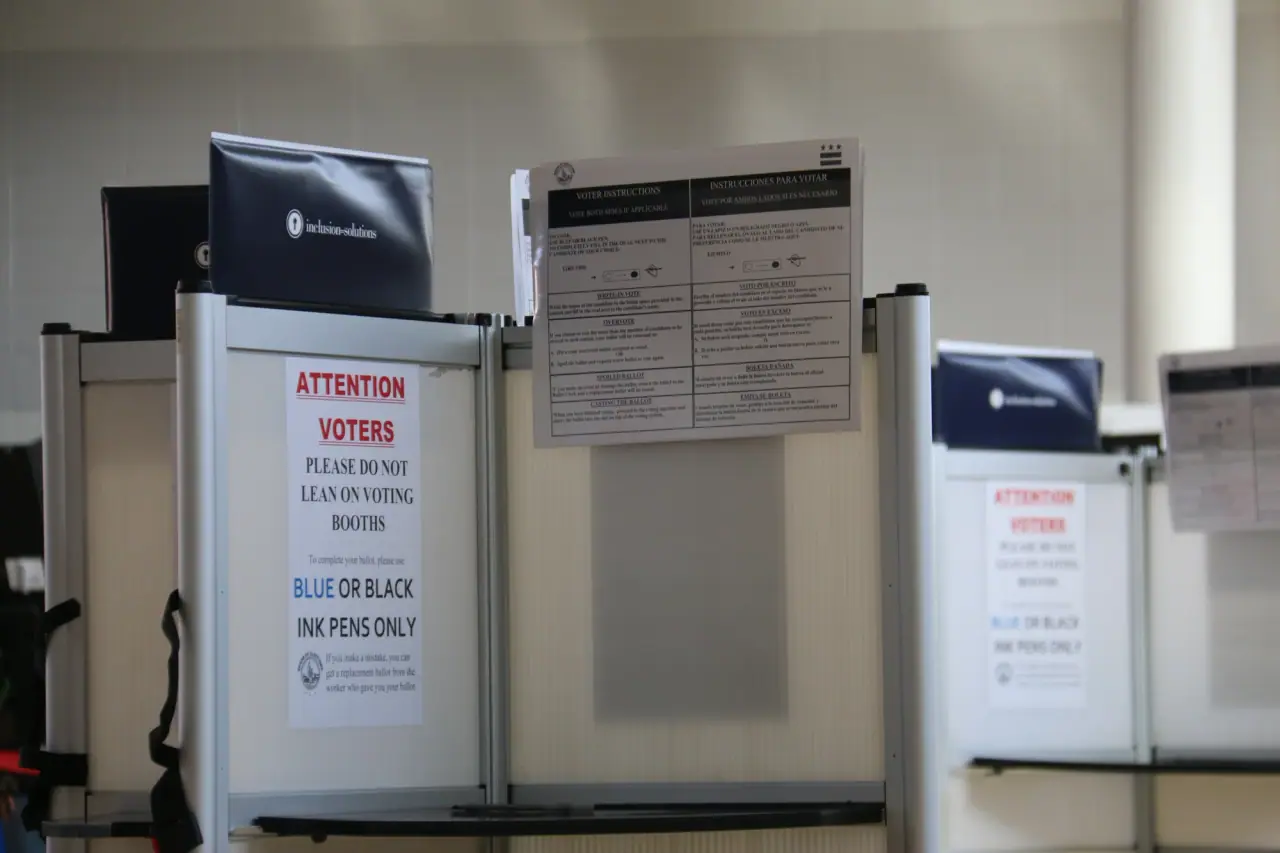
The transfer of power and vaccine rollout in 2021 did not immediately end the pandemic's unemployment, care burdens and crisis of trust. The federal government responded to economic shocks with relief spending and industrial and energy policies. The Supreme Court's 2022 Dobbs decision changed constitutional protection for abortion rights, returning many specific rules to political processes. Expiration of the public-health emergency in 2023 changed some authorizations and data systems without eliminating disease risks. The presidential election and Electoral College voting in 2024 show how competition converged through state counts and federal procedures. This chapter covers verifiable institutional milestones only through the end of 2024 and does not infer subsequent policy outcomes.
01 / 2021–2024 (narrative cutoff: December 31, 2024)How this era began
The pandemic disrupted school, work and care arrangements in 2020. Insecurity accumulated since the housing-credit crisis affected households' capacity to cope. The January 6 attack on Congress showed that acceptance of election results had itself become a political conflict. The starting point in 2021 was therefore not simply economic recovery: public-health response, the transfer of power and governmental legitimacy were simultaneous problems.
Why did this era begin?
Biden took office on January 20, 2021. The subsequent relief plan combined cash, unemployment support, state and local finances, and public-health spending. Policy shifted from managing emergency shutdowns toward reopening activity. Differences in vaccine access, viral change and local measures made recovery uneven. Passage of federal legislation did not mean that every household received the same protection.
02 / 2021–2024 (narrative cutoff: December 31, 2024)Who held power
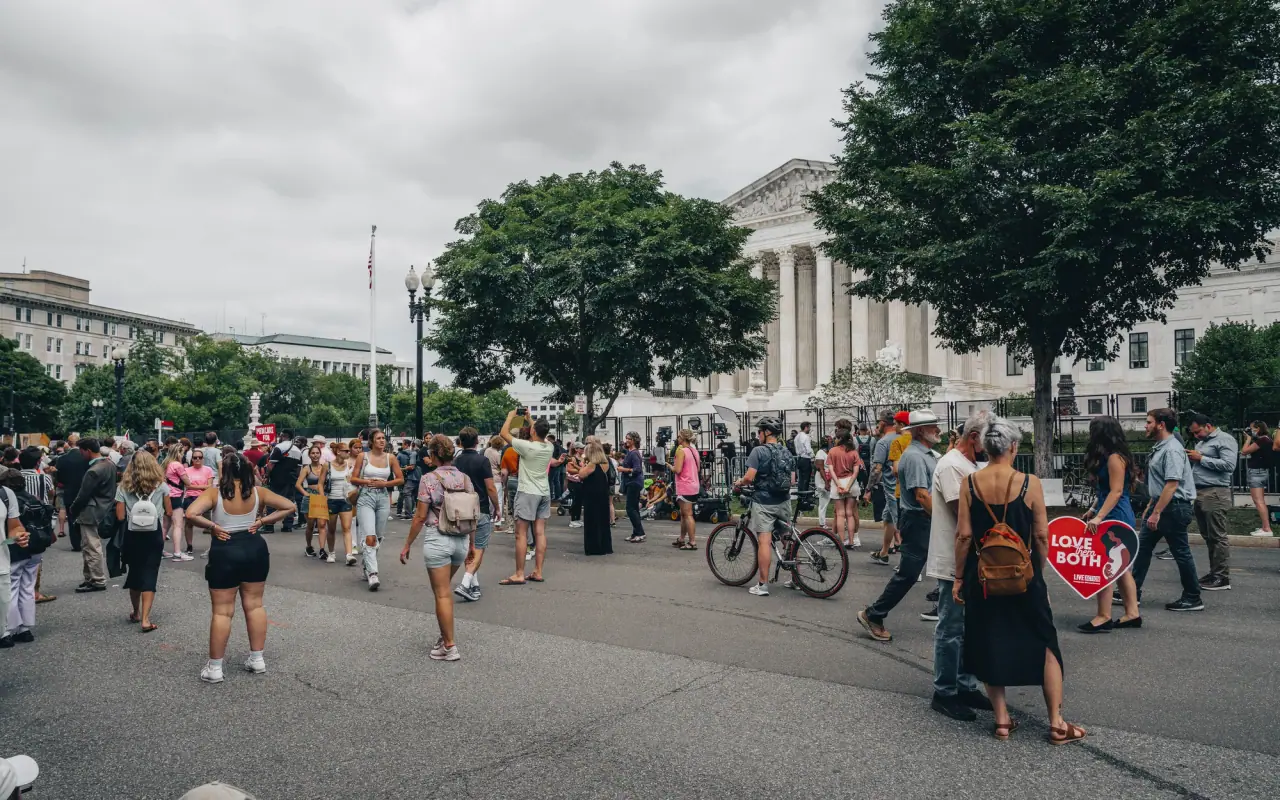
The president and Congress determined fiscal and administrative measures, the Supreme Court interpreted constitutional limits, and states controlled many health, electoral and medical rules. Dobbs overturned the Roe and Casey precedents. It did not itself create a uniform nationwide ban; it removed existing federal constitutional protection. This widened interstate differences and increased the significance of state courts, legislatures and ballots.
What tensions existed within the era?
The scale of public protection, governmental health powers and bodily autonomy became disputes at different levels. The Dobbs majority emphasized constitutional text, historical traditions and judicial authority; the dissent emphasized liberty, equality and protection of precedent. These are different legal arguments that can be compared in the original opinions. Neither side's value judgments should be rewritten as uncontested historical facts.
03 / 2021–2024 (narrative cutoff: December 31, 2024)How society worked
The 2021 relief plan emphasized income support, public services and pandemic response. The 2022 Inflation Reduction Act combined energy, taxation and some health provisions. A law's name cannot replace evaluation of its effects. Implementation stood between authorized spending, tax incentives and actual investment. National totals also cannot summarize the differing household effects of rising prices, borrowing costs and care expenses.
How did ordinary people live?
Returning to schools and offices did not restore every previous arrangement. Families still coordinated income, health and care. Remote work was possible in only some occupations; service, logistics and health jobs requiring physical presence involved different risks. Changes in abortion policy also linked medical decisions to state of residence, transport and economic circumstances. Discussion of rights therefore needs to recognize the practical conditions for exercising them.
04 / 2021–2024 (narrative cutoff: December 31, 2024)Where change began
The federal public-health emergency expired on May 11, 2023, changing some data-reporting arrangements and authorizations. This should not be interpreted as a legal declaration that the pandemic had vanished. The November 2024 election and December Electoral College voting mark this chapter's endpoint. The inauguration and the next administration's policies occurred in 2025, beyond the cutoff, so future outcomes are not used to conclude this history.
Milestones that changed direction
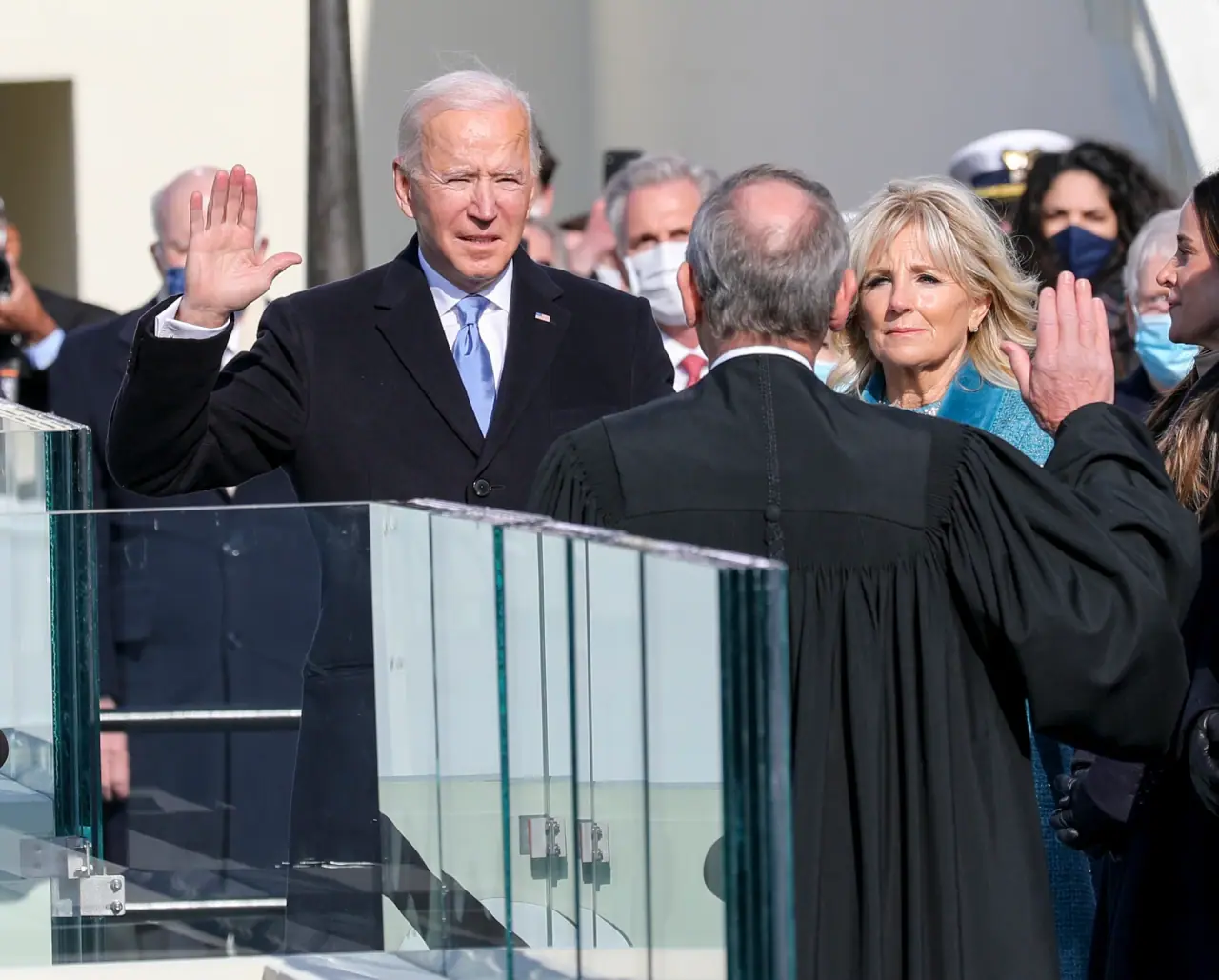
2021: Transfer of presidential power
Biden took office on January 20. Distinguishing the inauguration from the interruption of certification on January 6 separates the violent event, the certification process and the beginning of an executive term.
2021: The American Rescue Plan Act
The federal law passed in March combined support for individuals and households, state and local finances, and public-health funding. Statutory authorization does not mean that every expenditure had already produced its effects that year.
2022: The Dobbs decision
On June 24 the Supreme Court overturned the abortion-rights precedents of Roe and Casey. The decision itself did not establish a uniform nationwide ban. Subsequent state rules require separate verification.
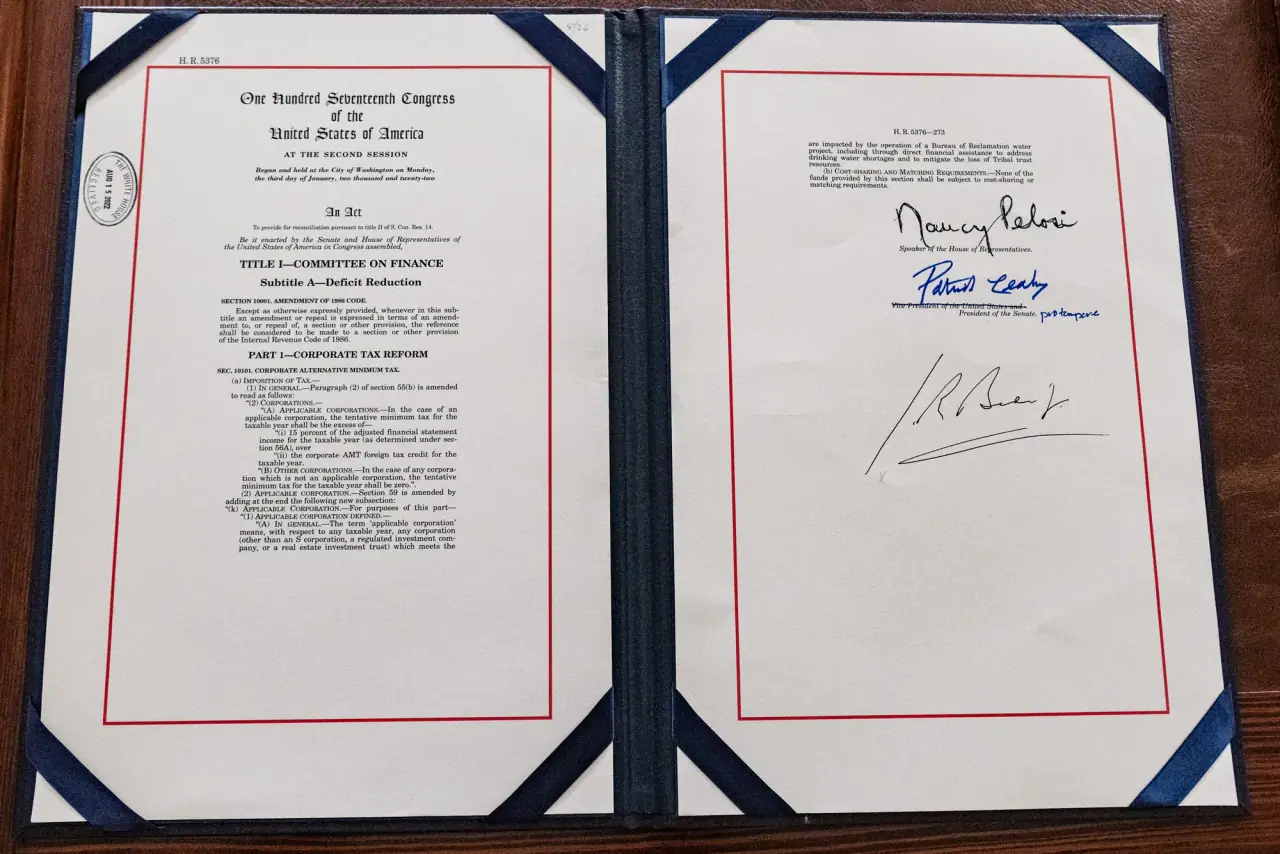
2022: The Inflation Reduction Act
The law combined energy, taxation, health and other provisions. Its scope must be distinguished from actual effects on prices, investment and employment; the law's name is not an evaluation.
2023: The public-health emergency expires
Expiration on May 11 changed some authorizations and surveillance practices. The CDC continued monitoring severe disease. Ending an administrative status should not be described as ending the risks posed by the virus.
2024: The election and Electoral College votes
Following the November election, electors in the states voted in December. The National Archives records 312 votes for Trump and 226 for Harris. The congressional count and inauguration in 2025 fall outside this chapter.
What we know
The original relief-plan and Inflation Reduction Act statutes establish the scope of legal authorizations, not economic effects by themselves. Supreme Court decisions require distinctions among majority, concurring and dissenting opinions. CDC surveillance reports explain changes in information after the emergency expired. State election certificates and National Archives compilations support Electoral College vote totals. These materials have different legal functions and scales of observation.
Questions still debated
Recent history has not had enough time for a full assessment of long-term consequences. Policy effects are also difficult to separate completely from changes in the pandemic, corporate decisions and international shocks. Debates over historical interpretation in law, federal and state powers, and the distribution of protection can be presented through their evidence and logic. Political slogans are not studies of effects, and later outcomes do not establish that only one choice was feasible at the time.
Legacies for later generations
This period exposed two rhythms within American institutions. Emergency fiscal measures could expand rapidly, while courts and federalism continually reshaped long-term rights and administrative authority. Historical impact should be judged through the specific scope of institutional change: which data ceased to be collected in the same way, or which medical rules shifted to states. Arrangements at the end of 2024 should not be described as a permanent settlement.
References and evidence
These materials support this page's account. Check the purpose, perspective and accessible scope of each source. Notes identify the evidential limits of excerpts, summaries and timelines.
- Report on the January 6, 2021 Attack on the U.S. CapitolU.S. House Select Committee / Government Publishing Office · Primary source
Narrative, testimony and materials in the House committee's 2022 report. Congressional findings are distinguished from judicial convictions. Relevant passages are used only to verify the attack and the interruption and resumption of certification.
- The Original American Rescue Plan Act of 2021U.S. Government Publishing Office · Primary source
The original Public Law 117-2, its approval record and provisions on income, the 2021 child tax credit, and state and local finances. Legislative amounts and authorizations are not actual disbursements or demonstrated causal effects.
- Dobbs v. Jackson: Original Majority, Concurring and Dissenting OpinionsSupreme Court of the United States · Primary source
The original 2022 decision. Distinguish Alito's majority opinion, Roberts's concurrence in the judgment only, and the joint dissent by three justices. Overturning precedent did not directly create a nationwide ban.
- The Original Inflation Reduction Act of 2022U.S. Government Publishing Office · Primary source
The original Public Law 117-169, approved in 2022. Selected provisions concern drug-pricing programs and clean-energy tax credits. Some implementation occurred beyond this chapter; future targets are not presented as achieved.
- Surveillance after Expiration of the Public-Health Emergency in 2023U.S. Centers for Disease Control and Prevention · Primary source
The CDC's 2023 surveillance report explains changes to data and authorizations after the emergency expired on May 11. It is not a declaration that pandemic risks disappeared or individual medical guidance.
- State Electoral College Vote Records for 2024U.S. National Archives · Primary source
State certificates and compiled Electoral College votes. Distinguish the 2024 popular vote, the electors' December voting, and the congressional count and inauguration in 2025. The narrative ends in 2024.
- On-Site Record of the Presidential Oath, January 20, 2021U.S. Department of Defense DVIDS · Primary source
Original field records and captions by an Army photographer support the time of the oath, not the policy effects of an entire presidential term.
At the end, bring this chapter to a close.