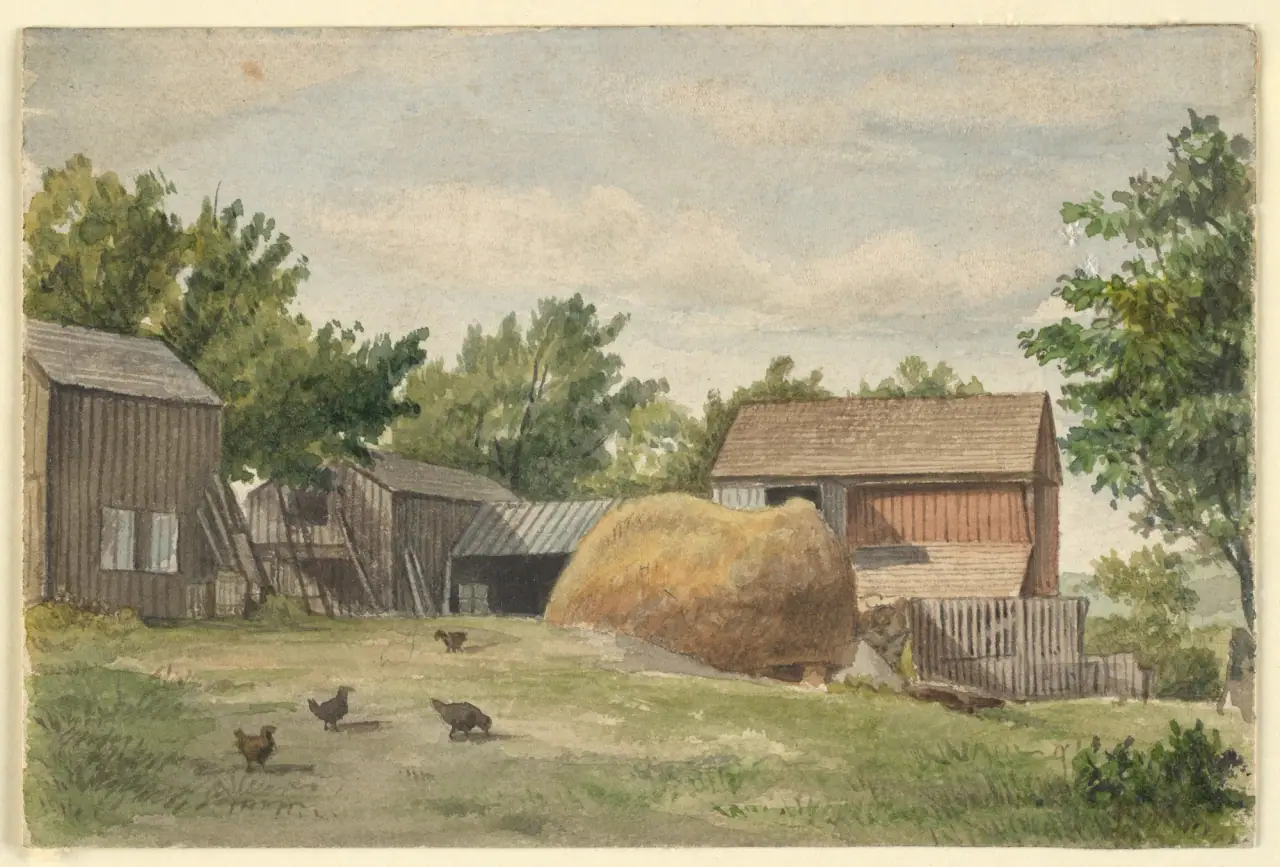
Farm scene: barn, haystacks and poultry,Second half of the 19th century (1851–1899, date of the watercolor)
CIVILIZATION ARCHIVE / c. 21,000 BCE–2024 CE; the prehistoric starting point is a selected node, and the final chapter ends on 31 December 2024

United States

United StatesReviewed

How does a republic founded on equality keep rewriting who can hold land, rights, and opportunity?

17 historical chapters149 verified images4 historical topics
UNDERSTANDING UNITED STATES

Before the nation,
within history.

American history begins in the world of North American Indigenous peoples long before the founding of the state. Colonization, slavery, independence, and continental expansion gradually formed a republic that expressed itself in the language of freedom yet long excluded many of its residents. Industry, global war, and digital networks expanded the nation's wealth and power, while ordinary people's organizing, labor, and struggles continually changed the boundaries of rights and opportunity. Here institutional texts and lived experience are examined together, territorial claims are distinguished from residents' consent, legal guarantees from enforcement outcomes, and transnational connections and overseas societies are included in the narrative. The recent history has a fixed cutoff at the end of 2024, and later outcomes are not used to settle the choices of the time.

Indigenous peoples are enduring political communities, and US borders are only a modern scale for organizing materials. Slavery and land dispossession are placed at the core of state and market development, while labor, migration, care, and collective action also drive institutional change. The Cold War, civil rights, and the digital revolution use deliberately overlapping thematic periodization; Reconstruction distinguishes the political core of 1865–1877 from longer-running social processes. Primary texts, collections, memoirs, and policy interpretations each have uses and limits; legal goals do not directly prove actual effects, and diplomatic archives cannot replace the experiences of societies that were intervened in. The source cross-checking referred to in the content status is Codex editorial checking and does not indicate certification by human historians; the recent narrative ends on 31 December 2024.

Archive status: 149/100 qualifying images; 17/17 chapters have received source and narrative cross-checks. Editorial review is not certification by a human historian. Local content status and public deployment are recorded separately.

01 / A STORY IN 17 CHAPTERS

Travel through time into United States.

Every era echoes an earlier change.
Open a chapter to see society and everyday life beyond those in power.

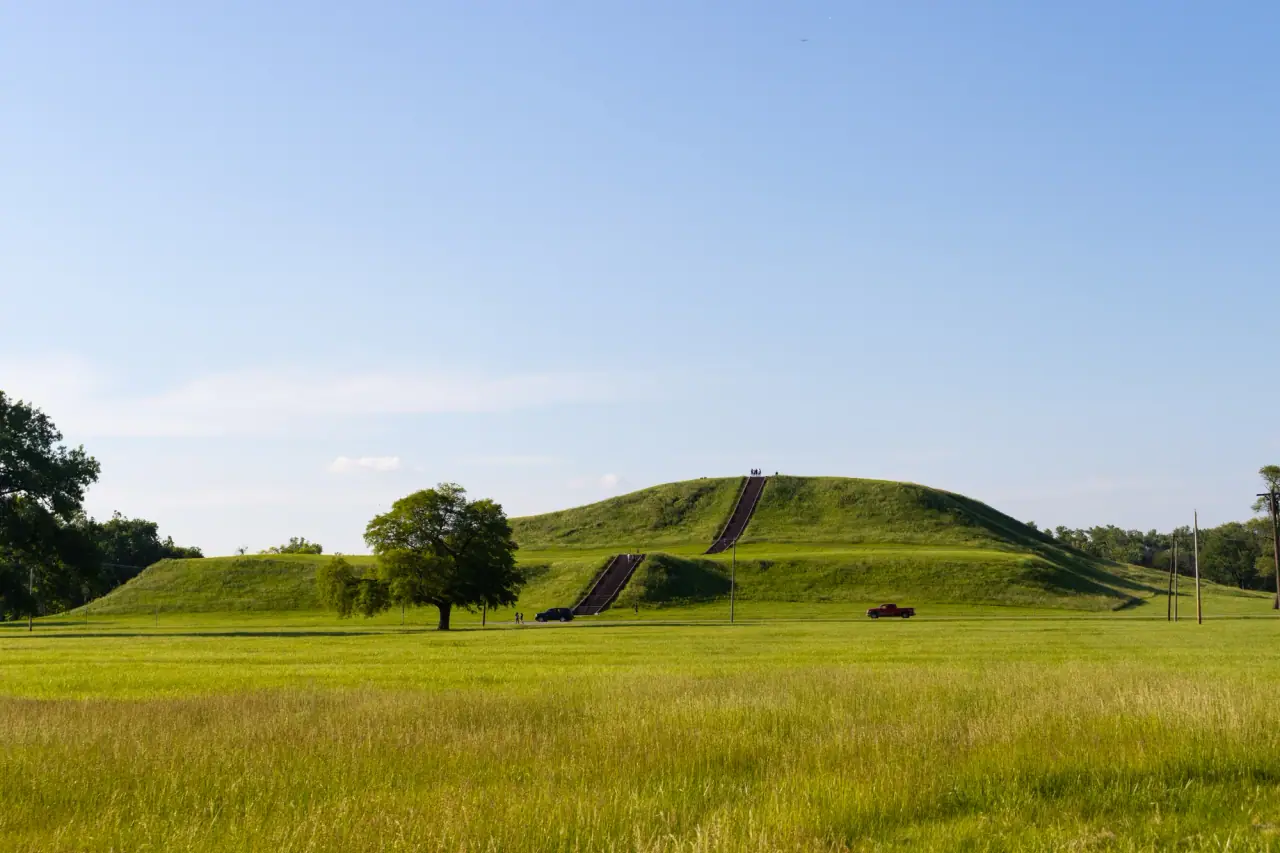
The modern site landscape of Monks Mound at Cahokia,Site of approximately the 11th–14th centuries;Photographed on May 20, 2024
01 / c. 21,000 BCE–1607 CE (selected archaeological nodes, not a line of first arrival)

Indigenous North America: Many worlds connected

What would North American history look like if it began from rivers, fields, and kin?

Enter this era
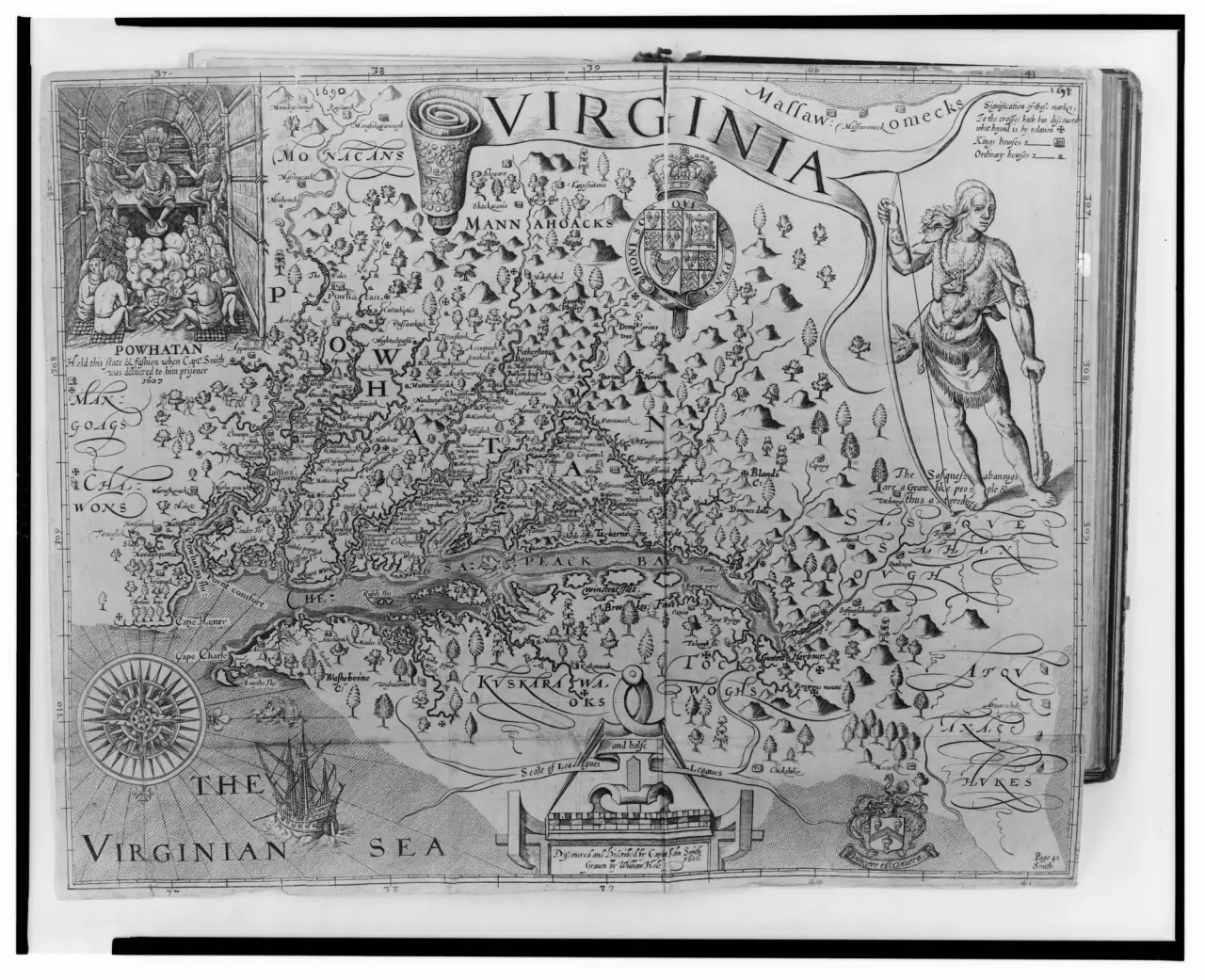
Map of Virginia in Smith's book of 1624,Map published in a 1624 book;Modern digital scan
02 / 1607–1763

Colonies: Land, Labor, and the Atlantic

When a ship carried tobacco to Europe, who owned the profits, and who bore the labor?

Enter this era
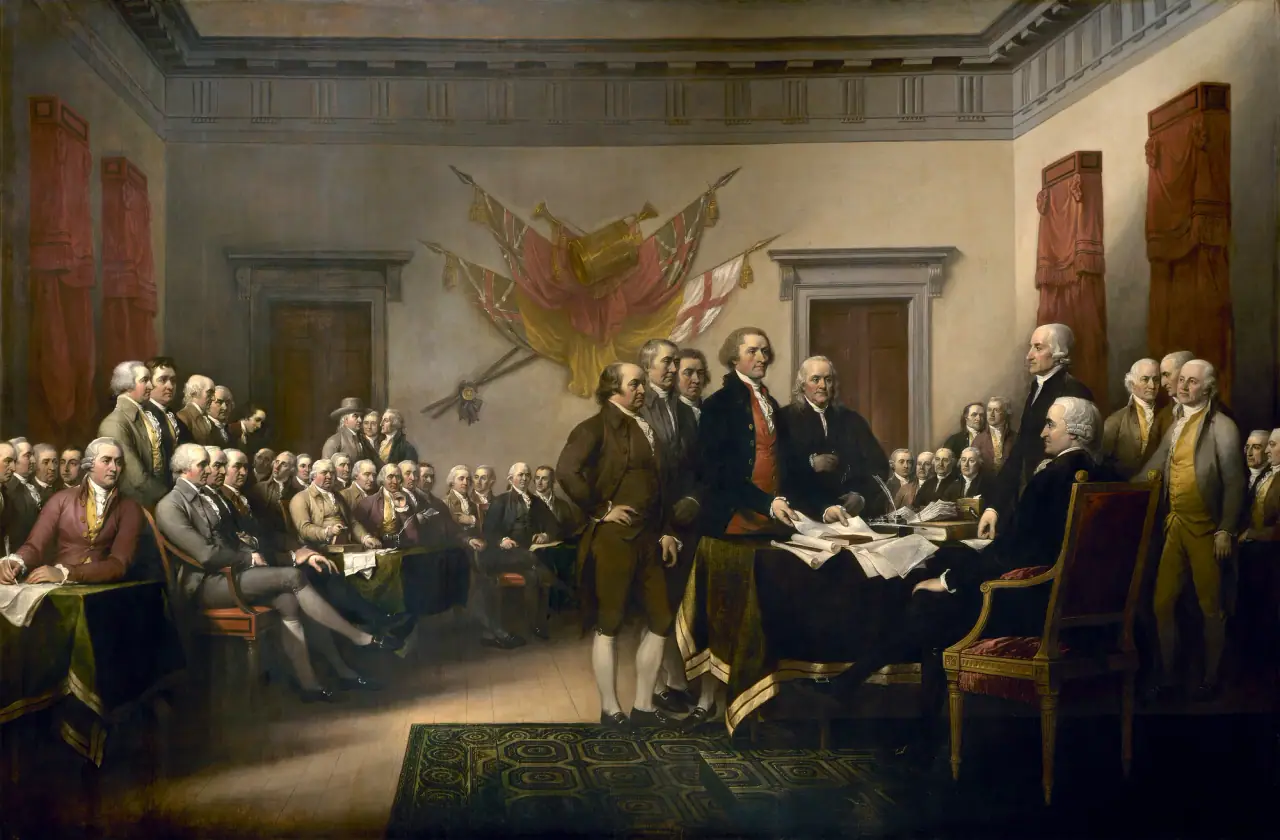
Trumbull's Declaration of Independence: a later commemorative painting,Painted in 1817–1818 and delivered to the Capitol in 1819;Looking back to 1776
03 / 1763–1783

The Independence Revolution: Whose Freedom?

Why did a revolution that declared all people equal still preserve slavery?

Enter this era
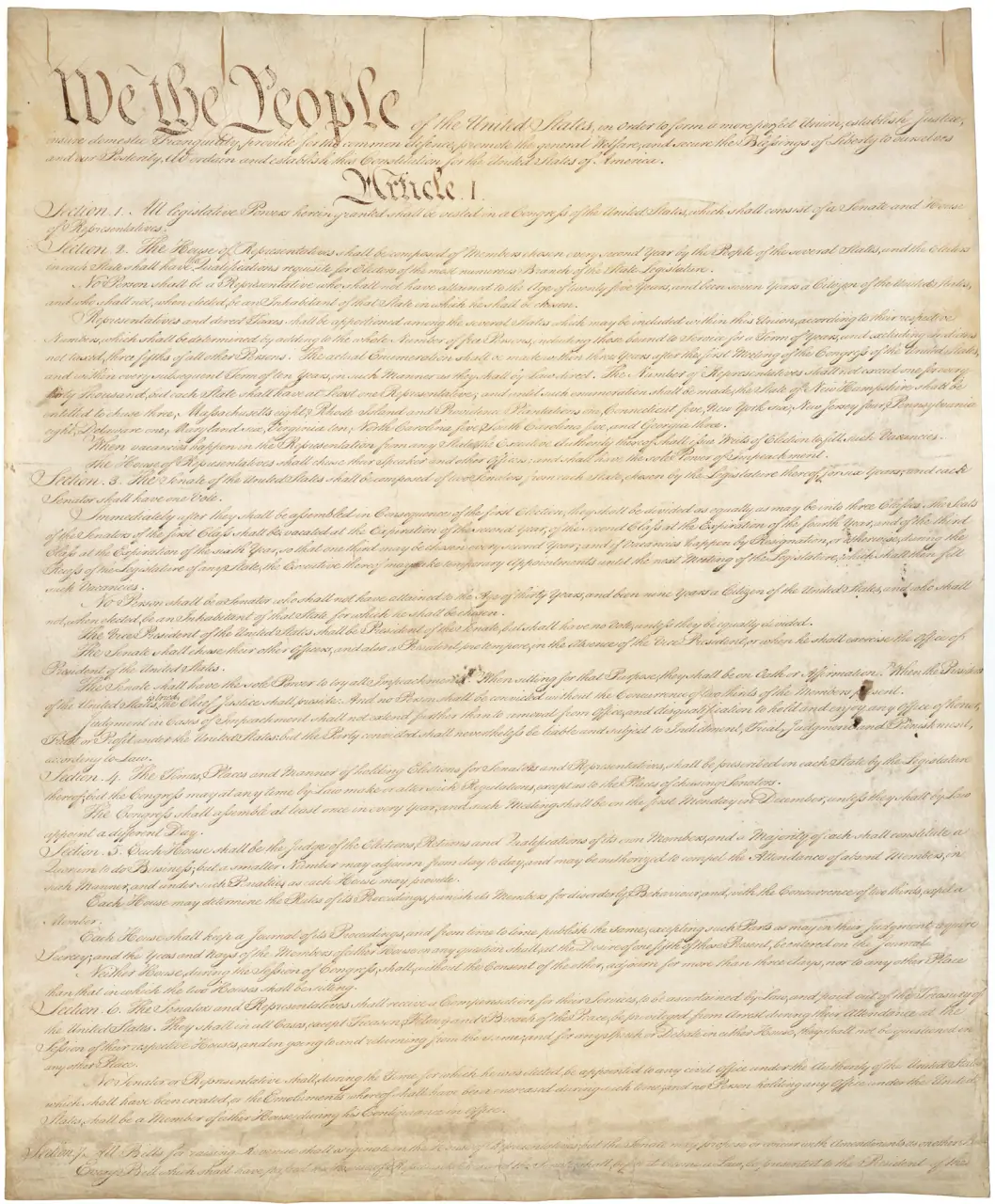
First page of the original United States Constitution of 1787,Document dated September 17, 1787;Modern archival digitization
04 / 1783–1815

Constitution-making and the early republic: How was liberty to be organized?

How could a capable government be built while preventing power from spinning out of control?

Enter this era
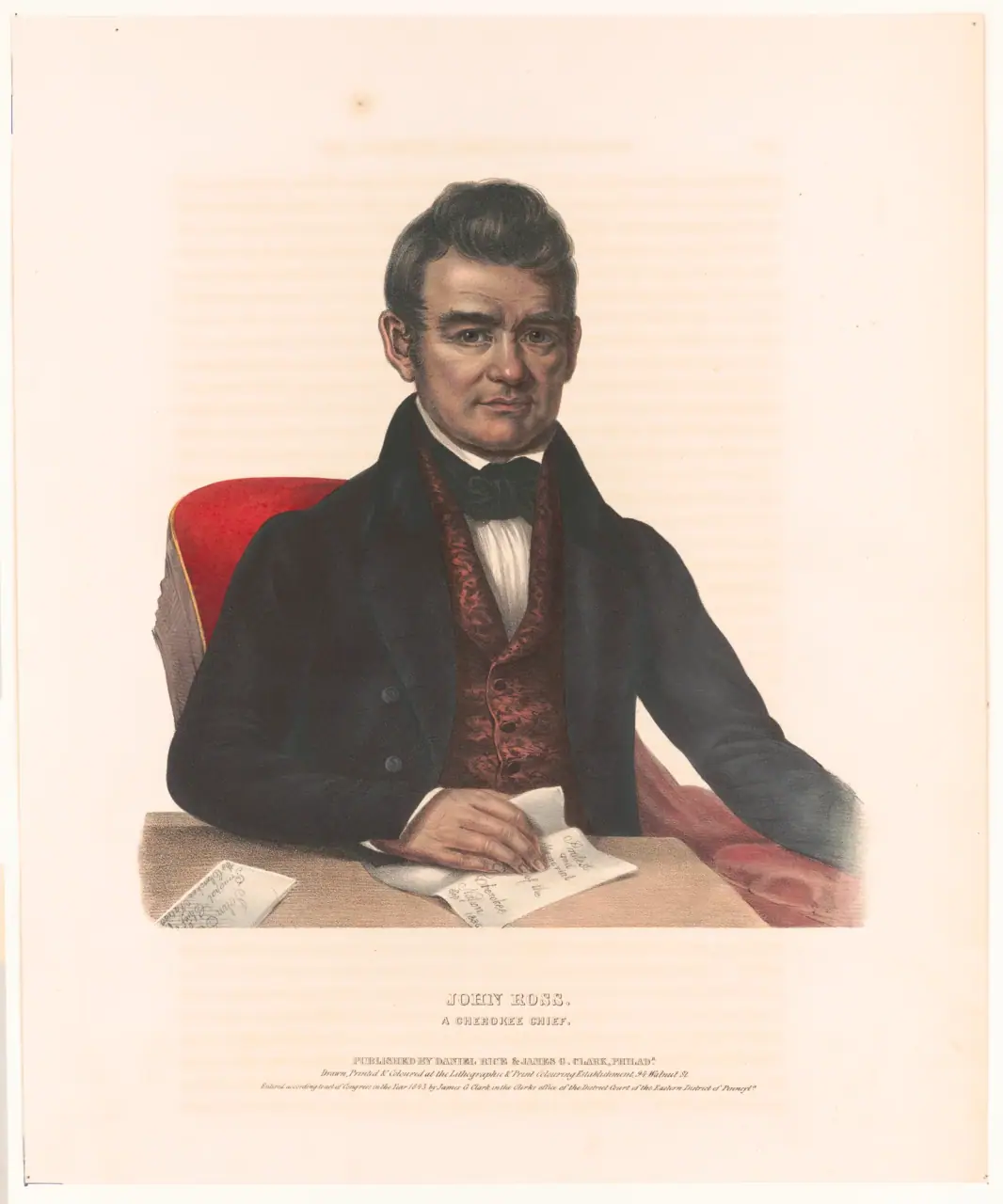
Color lithographic portrait of John Ross, 1843,Lithograph published in 1843; modern digitization
05 / 1815–1848

Continental expansion: The frontier was not empty land

When a territory was added to the map, where did its original inhabitants go?

Enter this era
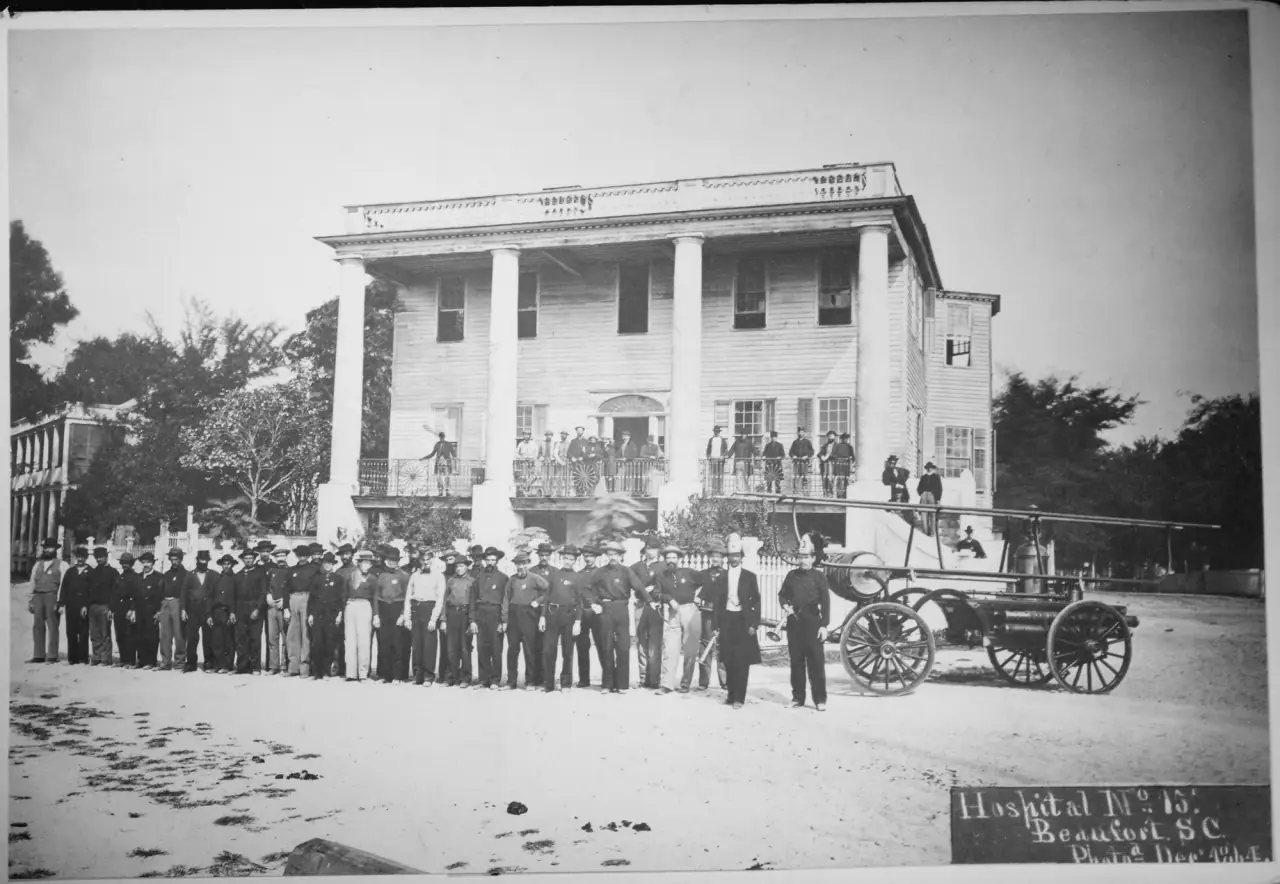
Fire brigade outside Hospital No. 15 in Beaufort, 1864,Historical photograph of December 1864;Modern archival scan
06 / 1848–1865

Slavery and the Civil War: The Union Fractures

How did people treated as property help bring about the end of slavery?

Enter this era
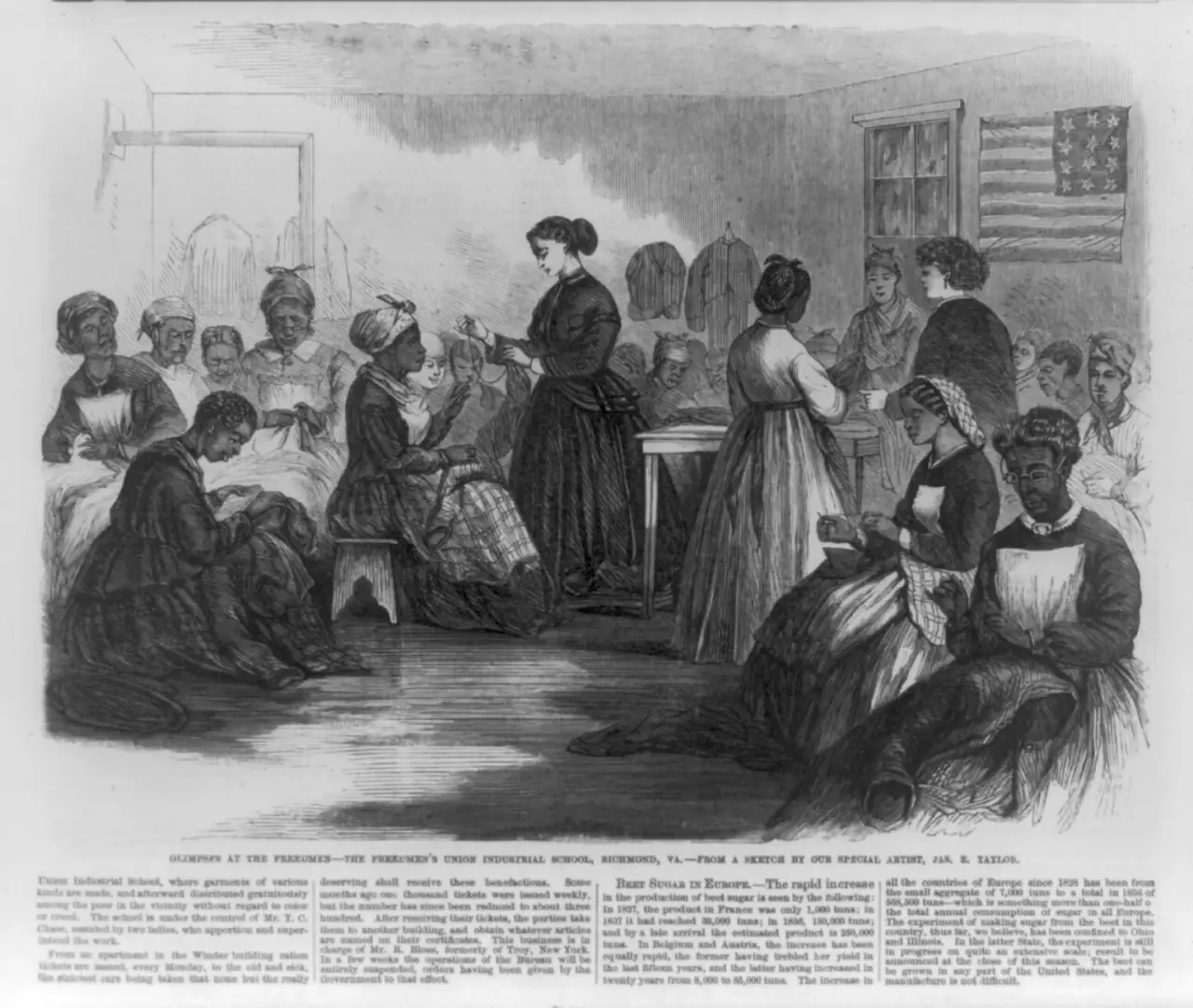
Newspaper wood engraving of a freedpeople's industrial school in Richmond, 1866,Published on September 22, 1866
07 / 1865–1877

Reconstruction: How to Live After Freedom

With free status, could one own land, vote, and be safe?

Enter this era
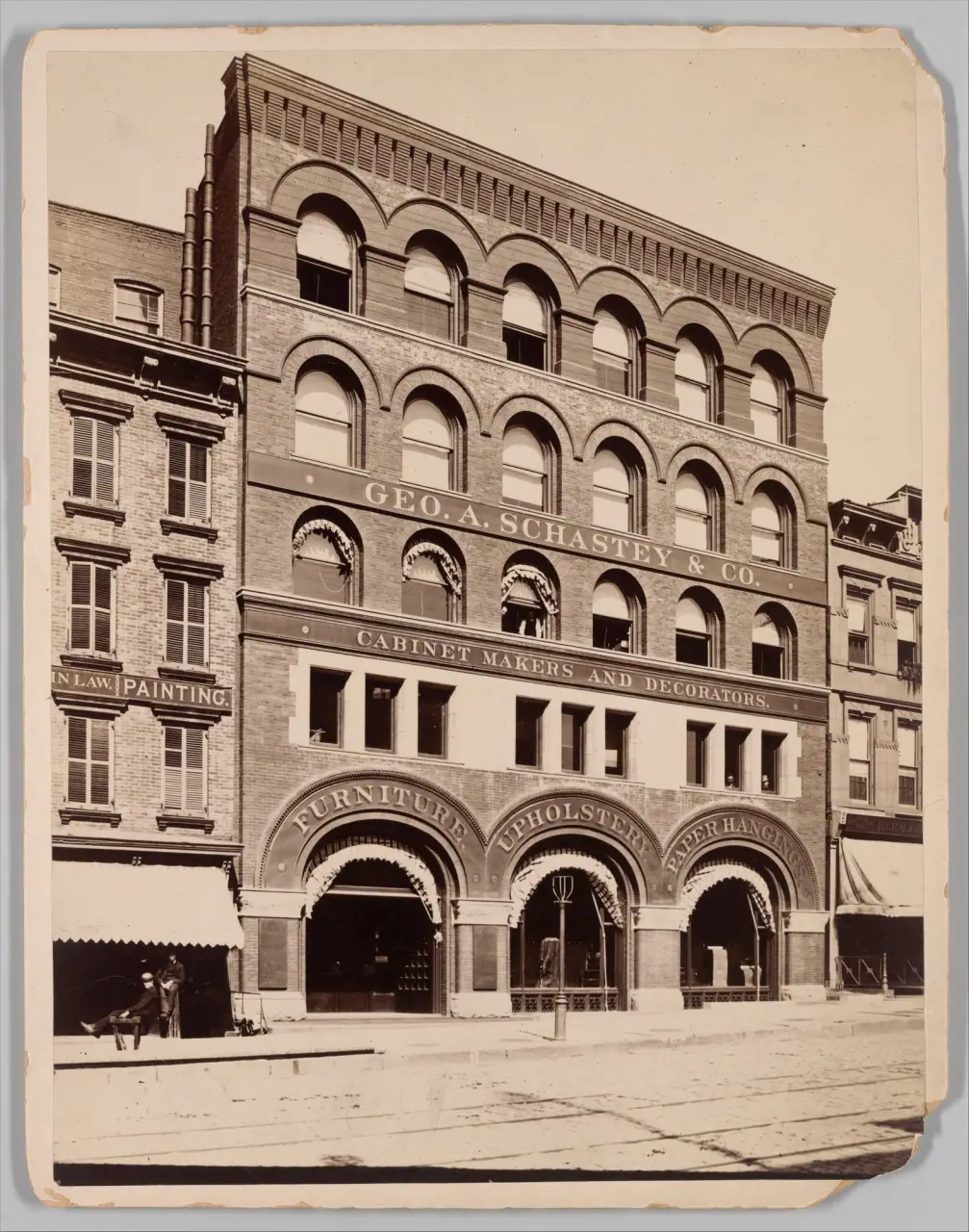
Photograph of the Schastey company storefront in New York, circa 1885,c. 1885 (date of the artwork/object)
08 / 1877–1900

Industry and Immigration: A Society Connected by Rail

How was an industrial power built, and who was allowed to become a member of it?

Enter this era
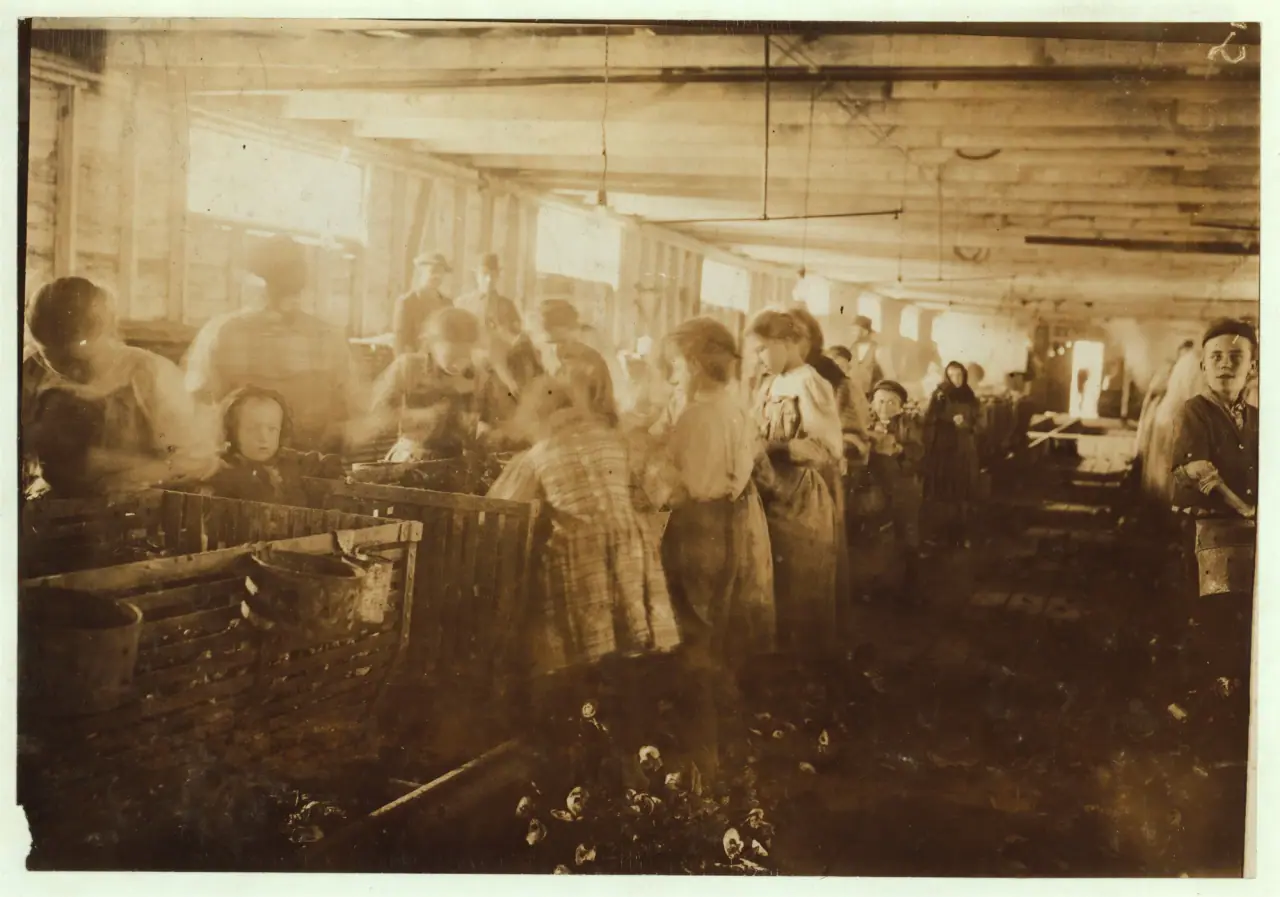
Oyster shuckers at the Dunbar Cannery,1911 photograph
09 / 1900–1920

The Progressive Era and World War I: Governing Modern Society

If the government could protect consumers and workers, why could it also suppress dissent?

Enter this era
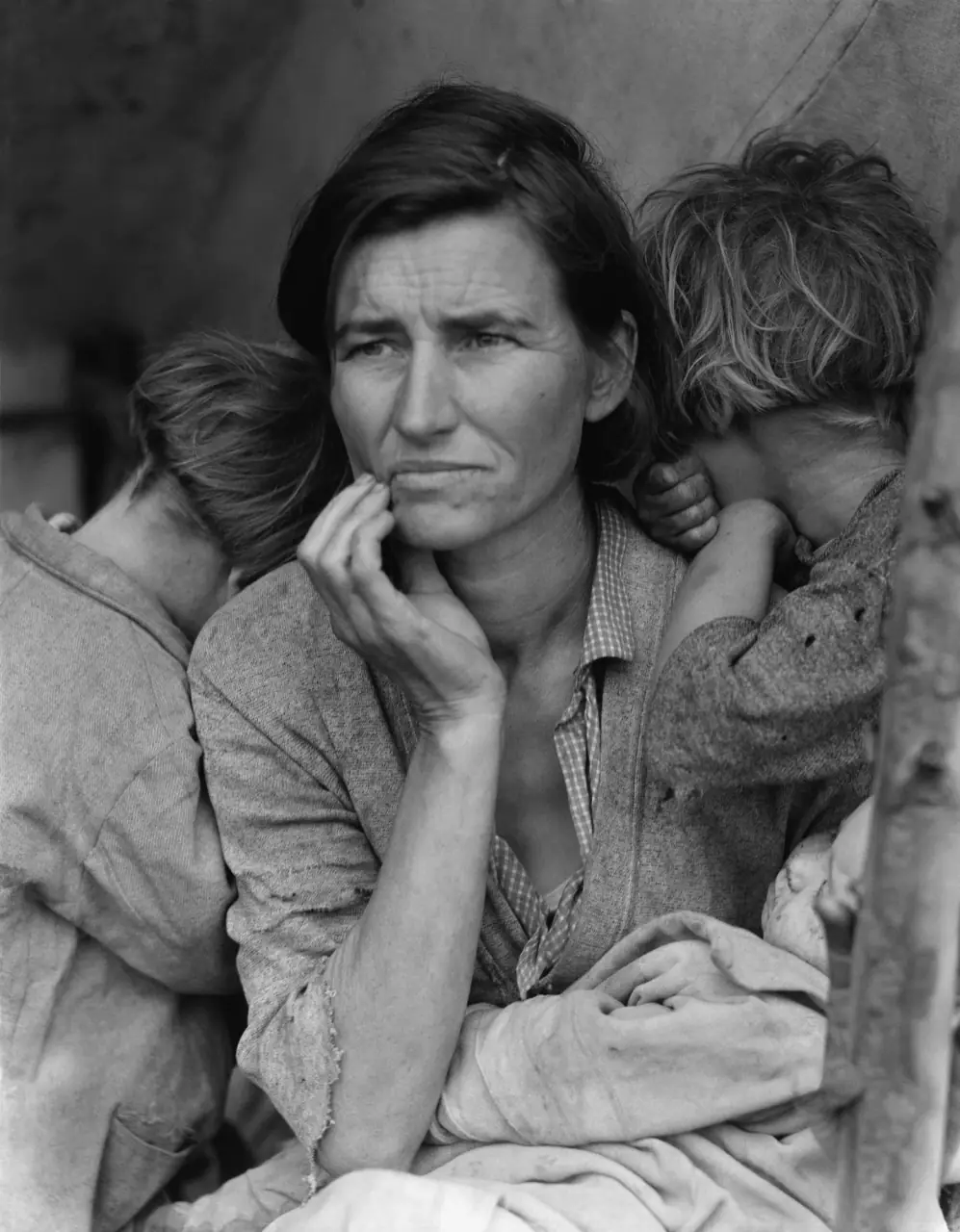
Lange's Migrant Mother: a family of internally migrant farmworkers,Photographed in February or March 1936
10 / 1920–1939

The Great Depression and the New Deal: Redefining Security

When the market cannot provide work, what responsibility should the state bear?

Enter this era
A woman assembly worker at the Douglas Aircraft plant,October 1942 photograph
11 / 1939–1945

World War II: The contradictions of the arsenal of democracy

How did a nation fighting for freedom treat minorities within its own borders?

Enter this era
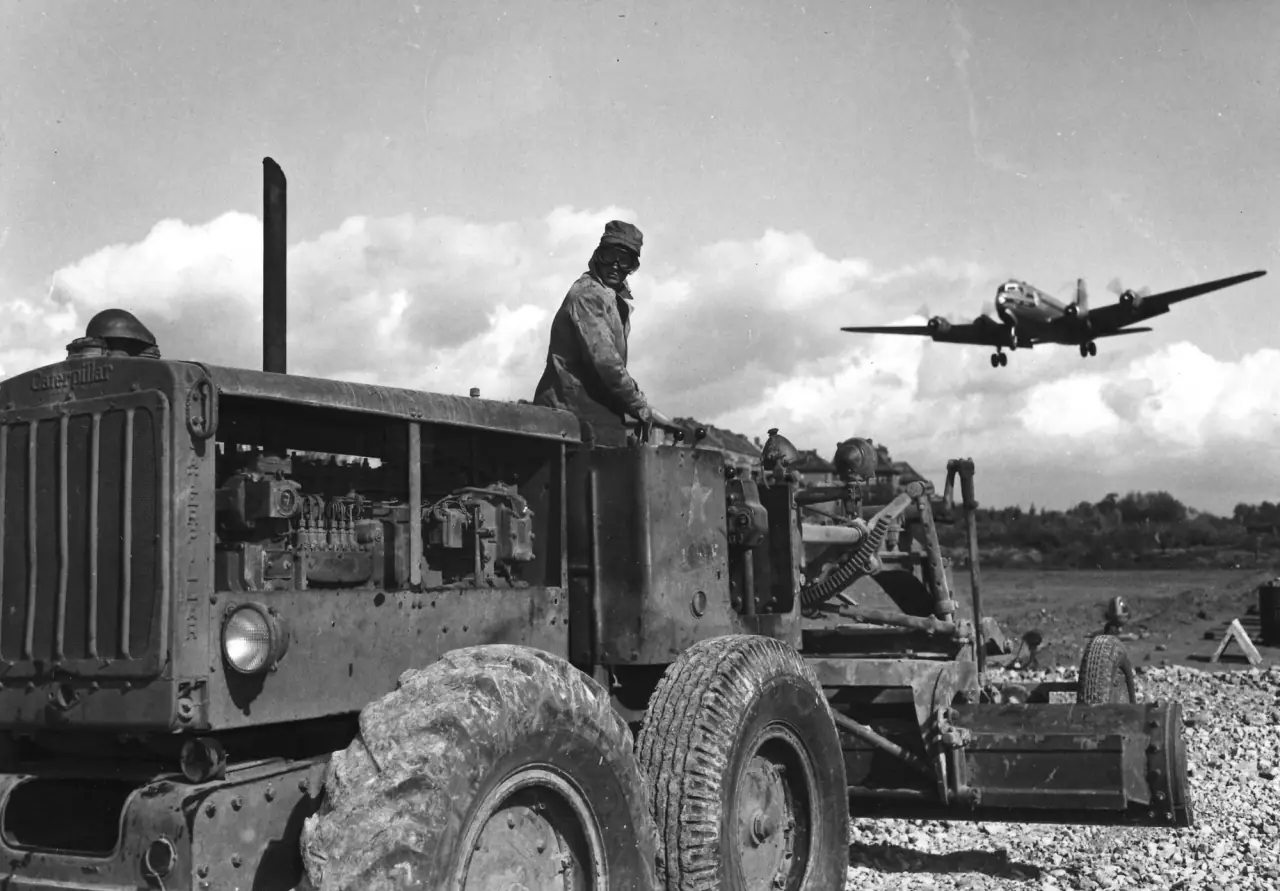
An aircraft landing and runway construction during the Berlin Airlift,September 1948 photograph
12 / 1945–1968

The Cold War: How Security Entered the Home

How did a global security system change wages, schools, and the politics of other countries?

Enter this era
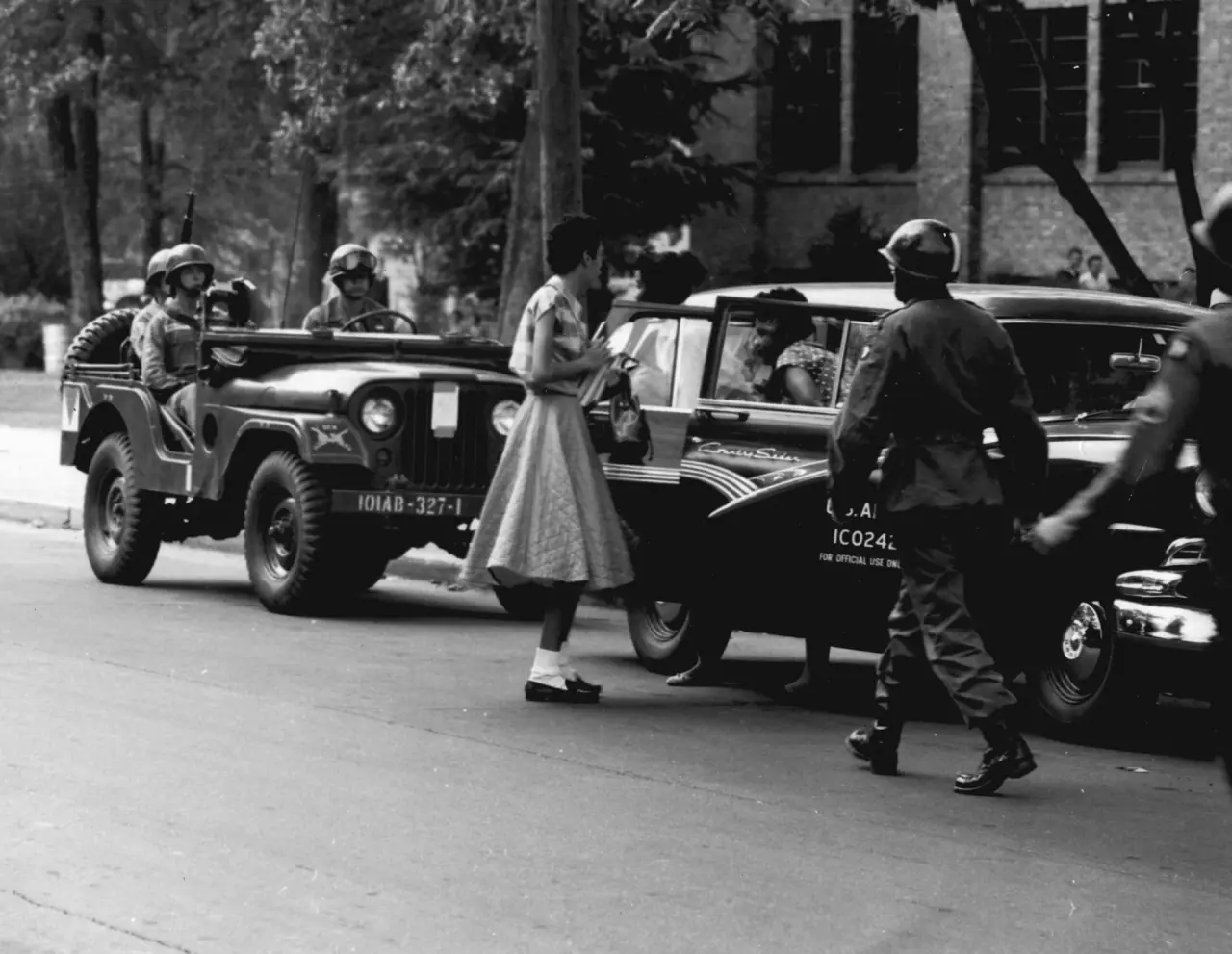
Federal troops escort a student outside a Little Rock school,September 1957 photograph
13 / 1954–1975 (thematic chapter)

Civil Rights and Social Movements: Turning Rights into Reality

How did a written promise of equality pass through school gates and polling stations?

Enter this era
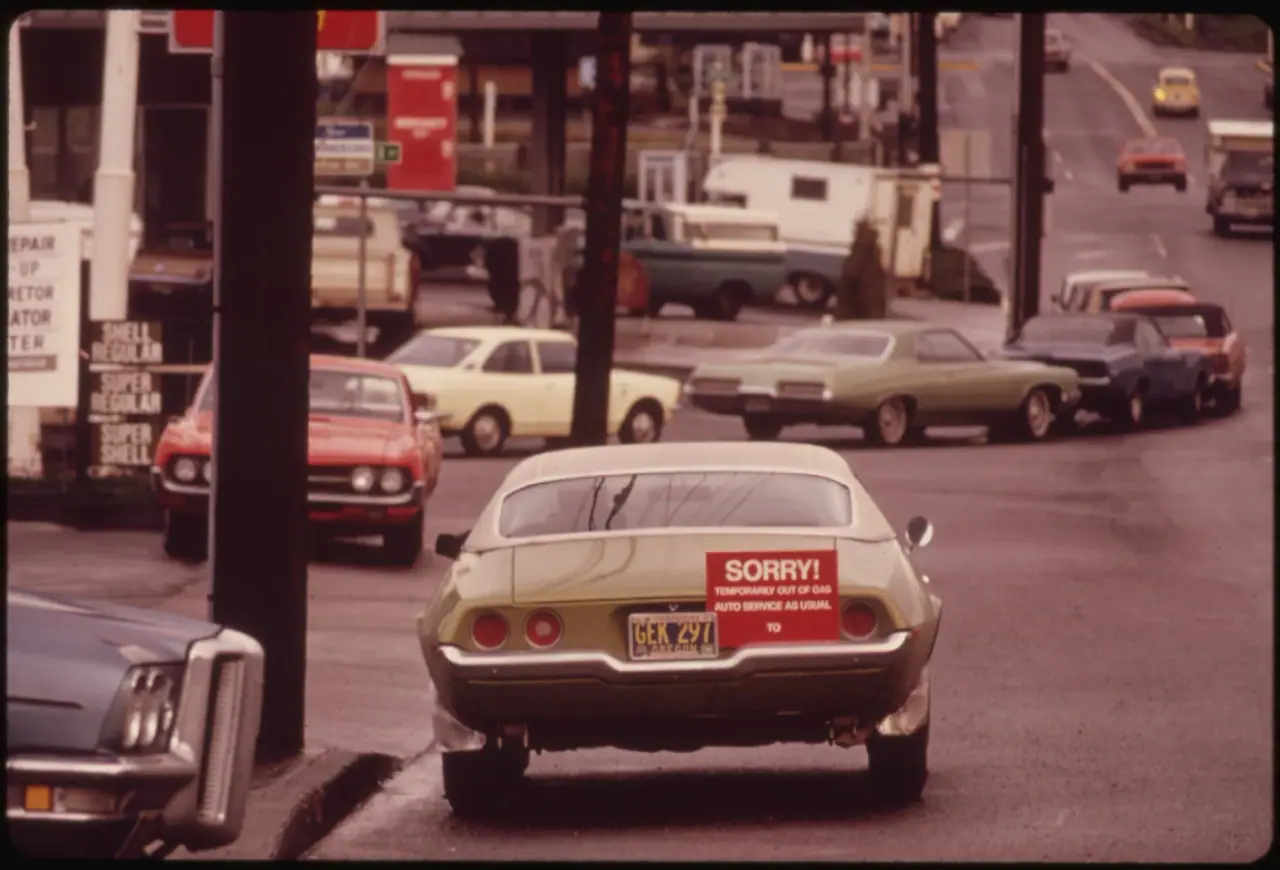
Cars queuing during the 1973 gasoline shortage,December 1973 photograph
14 / 1968–1991

Transformation and Division: From the Great Inflation to the End of the Cold War

How did policies for price stability and market efficiency change workers' sense of security?

Enter this era
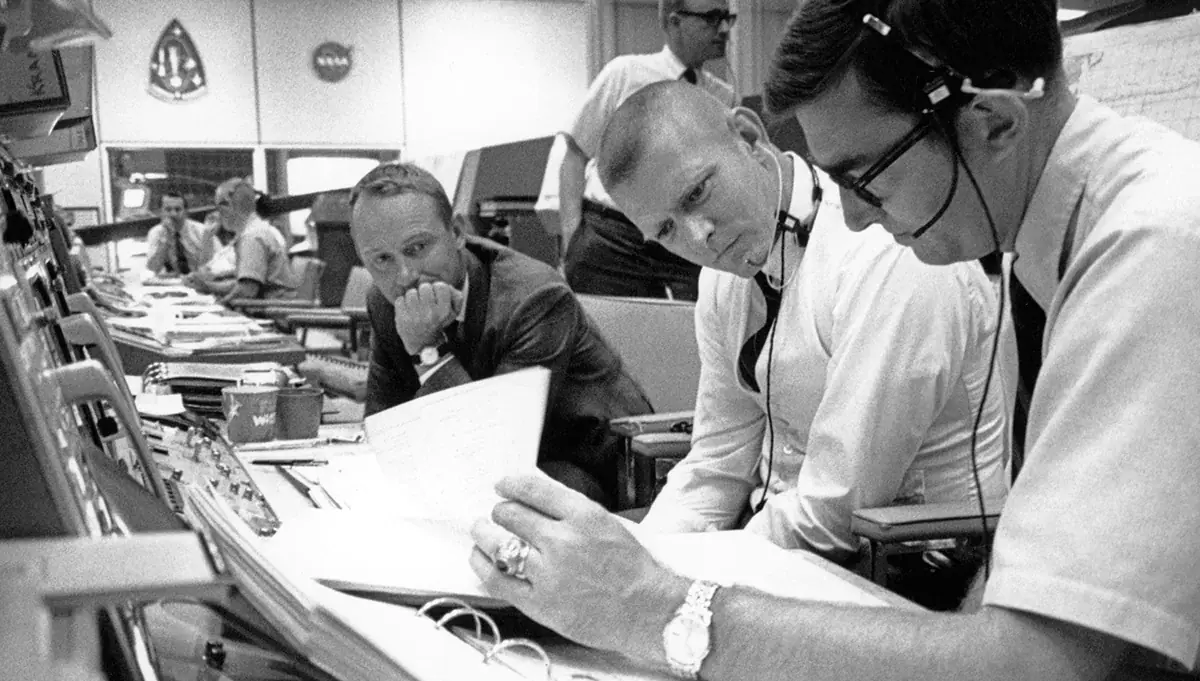
Tindall, Kranz and colleagues in Apollo 11 Mission Control,Photographed circa 1969 (approximate dating on the source page)
15 / 1969–2001 (thematic chapter)

The information revolution: Public foundations behind the screen

How much unseen public investment and labor lies behind a personal computer?

Enter this era
Rescue workers transferring a survivor after Hurricane Katrina,September 1, 2005 photograph
16 / 2001–2021

The twenty-first century: Security, risk and shared life

In successive crises, who receives protection and who is more likely to bear losses?

Enter this era
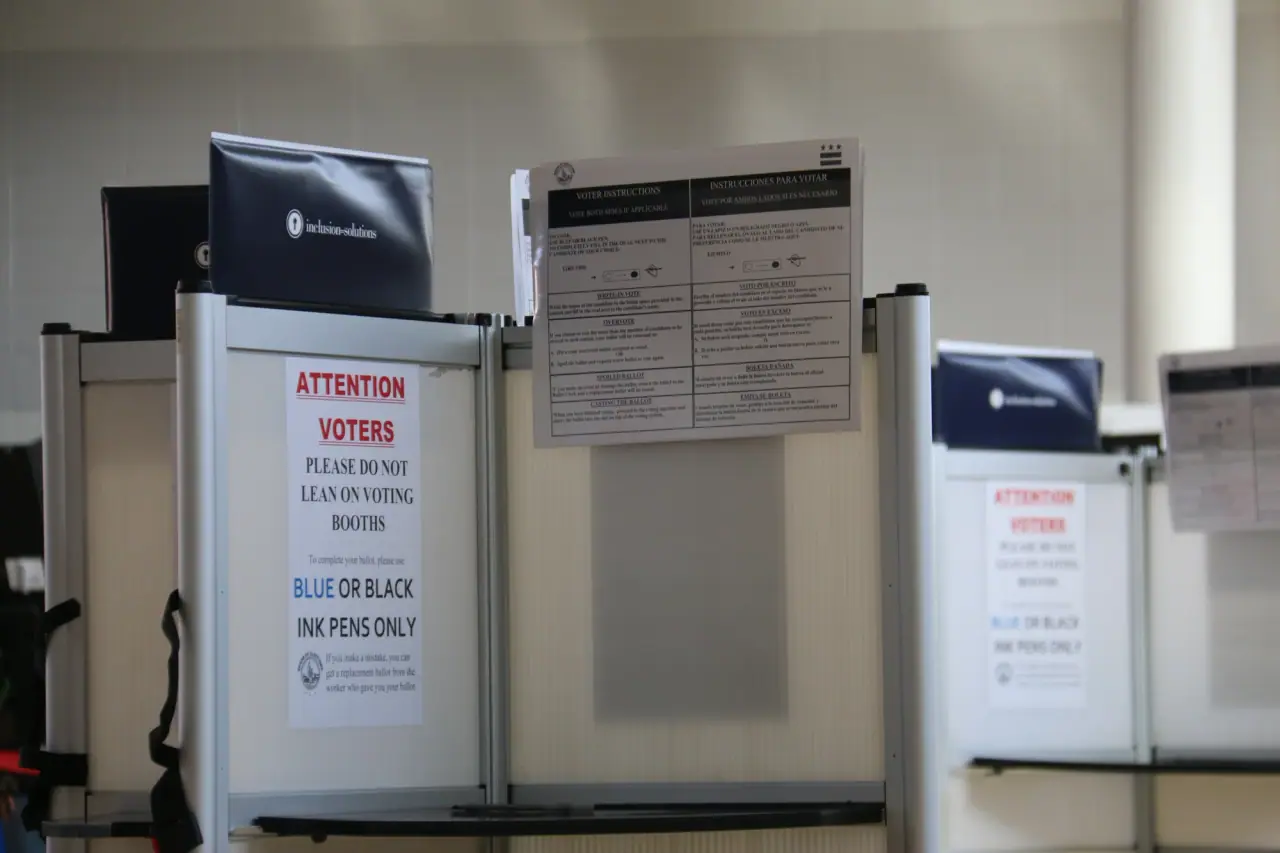
Voting booths at a Washington, D.C., polling place in 2024,November 5, 2024 photograph
17 / 2021–2024 (narrative cutoff: December 31, 2024)

After the pandemic: Protection, bodies and ballots

After the emergency, which risks would public institutions bear, and which rights would be left to states and courts?

Enter this era
02 / TURNING POINTS

One turning point, many paths toward it.

Look beyond immediate triggers to underlying structures.
Understand the alternatives history once held.

1763

The American Revolution

American independence was not created by a declaration alone. Disputes over taxation, imperial administration and representation developed through boycotts, local organization, war and diplomacy. The Continental Congress declared independence in 1776. France and other outside powers subsequently changed military resources and the international situation, and the 1783 peace recognized the new country. Colonial residents did not experience a single shared liberation: Loyalists faced exclusion, enslaved people sought freedom, and Indigenous peoples tried to defend their territories. The revolution's universal principles coexisted with these practical limits, while later struggles for equality continued to invoke and reinterpret its language.

1830

Forced removal of Indigenous peoples

Forced removal in the 1830s involved conflicts between expanding American control of land and Indigenous defense of sovereignty, rather than a voluntary movement of population. The Removal Act used treaty negotiation as its formal mechanism. State encroachment, agreements with disputed representation and federal military enforcement made refusal increasingly difficult. Ross's protest and the Worcester litigation show that explicit opposition and policy alternatives existed at the time. The Cherokee expulsion of 1838–1839 caused death and dispersal. Different peoples experienced different routes and conditions. After arrival, people continued rebuilding governments and everyday life. The history cannot end with a picture of victimhood.

1861

The American Civil War and emancipation

War began in 1861 through conflict over secession by southern slave states and preservation of the Union. Slavery is central to understanding secession and the crisis of expansion. As enslaved people escaped plantations and supplied labor and military service to the Union, war aims and feasible policies changed. The Emancipation Proclamation of 1863 linked emancipation to military advance, but applied mainly to rebellious areas and did not free every enslaved person nationwide that day. Confederate defeat and the Thirteenth Amendment established nationwide legal abolition in 1865. Land, wages and citizenship remained contested. Emancipation was both a state decision and a result of actors collectively changing the war.

1954

From local resistance to civil-rights legislation

From 1954 to 1965, court judgments, bus boycotts, student sit-ins and voter registration jointly challenged segregation. Long-term organizing in local communities turned everyday risks into a national agenda. Police violence at Selma forced the federal government to confront inadequate enforcement. The Civil Rights Act of 1964 and Voting Rights Act of 1965 supplied new tools against discrimination and for voting protection. They emerged from grassroots action while requiring executive, congressional and judicial involvement. Legislation changed formal rules without ending differences in housing, work and wealth. Including women, students and unnamed participants explains why a few famous speeches could have sustained political effects.

03 / PEOPLE IN THEIR TIMES

People are never the whole of history.

Individual choices and institutional forces
are always intertwined.

George Washington

Commander of the Continental Army and first president

He commanded the Continental Army during the Revolutionary War, subsequently helped establish the new federal government and became its first president. His leadership and civil-military precedents had lasting influence. He was also a slaveholder. Understanding the republic's language of freedom requires attention to his power, household economy and the circumstances of enslaved people, rather than preserving only an image of a founding hero.

Frederick Douglass

Abolitionist and writer

After escaping enslavement, he advanced abolition through writing, speeches and organizing. During the Civil War he supported Black enlistment and demanded citizenship. He connected war with equality without treating government policy as the sole source of freedom. Personal experience, political strategy and community action jointly shaped his influence.

Ida B. Wells

Investigative journalist and anti-lynching activist

Her investigations and publications exposed lynching and challenged narratives defending racial terror. She also participated in women's suffrage and community organizations. Facing exclusion based on both race and gender, she demonstrates how evidence, media and collective collaboration could become tools for civic safety. Formal legislation was not the only force with historical effects.

Grace Hopper

Computer programmer and naval officer

She participated in teams working on wartime computing, early compiler technology and the development of COBOL, and promoted software education and communication about standards over many years. Her career connected the military, business and teaching and demonstrates the importance of programming labor. She should not be portrayed as the sole inventor of modern software, nor credited with inventing the word 'bug', a popular misconception.

Ancestral Pueblo communities

Farming, architecture and village cooperation

Generations built dwellings, reservoirs and roads while farming, exchanging goods and maintaining relationships across mesas and canyons. Leaving a particular site did not mean that a people vanished; descendants continue their lives and knowledge. A modern national park's boundaries also do not define the original political and cultural boundaries.

Wahunsenacawh (Powhatan)

Paramount chief of the Tsenacommacah political alliance

Before English arrivals at Jamestown, he had brought together several Tidewater communities. He responded to colonists through food, diplomacy and arrangements of power. He should not be reduced to a father or background figure in colonists' biographies. He led a political world with independent aims.

Enslaved African people and descendant communities

Labor, households, culture and resistance to slavery

People forcibly drawn into colonial economies retained skills, languages and relationships. Through family, faith, escape and collective struggle, they fought for space in which to live. Virginia's 1619 record does not mark the beginning of African presence throughout the Americas. Changes in legal status should not obscure coercion at arrival.

John Ross

Cherokee leader and petitioner against forced removal

His 1836 protest challenged the authority of the Treaty of New Echota's signatories, detailing injuries to property, freedom and political community. His actions show explicit contemporary opposition to removal. Internal strategic differences cannot be used to presume that the whole Cherokee Nation consented to moving west.

Harriet Tubman

Anti-slavery activist, scout and participant in rescue operations

After escaping enslavement, she returned repeatedly to help relatives and others obtain freedom. During the Civil War she participated in nursing, reconnaissance and rescue, and later supported women's rights and community care. Her life connects self-emancipation, military action and household rebuilding. It should not be reduced to a legend existing only during the Underground Railroad period.

Freed people's households and school-building communities

Education, autonomy over labor and political participation

Family reunification, marriage registration, school-building and church organization turned legal abolition into practicable freedom. People sought federal protection while sustaining institutions with their own resources. Literacy, assembly and political participation were connected. Elected office and federal funding alone cannot measure these achievements.

Frances Perkins

Labor reformer and secretary of labor

A witness to the Triangle factory fire, she later promoted factory inspection and labor protection and joined the cabinet in 1933. Her 1964 speech connected the fire with reform organizing, but retrospective memory must be read alongside contemporary records. Neither she nor the president independently designed and implemented the New Deal's institutions.

Japanese American families subjected to incarceration

Displaced people, community sustainers and campaigners for redress

Ancestry became a basis for government removal and incarceration. Many victims were already American citizens. Families lost homes and property, sustained education and communities inside segregated facilities, and later sought apologies and compensation. The government's contemporary language of relocation should not be mistaken for voluntary migration or evidence of individual criminal conduct.

Ella Baker

Grassroots organizer and advocate of participatory leadership

She emphasized helping ordinary people develop their own organizations and judgments, connecting community resources with youth action. Leadership involved more than speaking at rallies: it included communication, training and sustaining the conditions for ongoing action. This perspective explains how the movement extended beyond the personal influence of a few national leaders.

Dolores Huerta

Farmworker organizer and voter mobilizer

She brought labor, family, gender and immigrant circumstances into organizing, helped establish a farmworkers' association and supported the Delano strike. Filipino workers' preceding action was an important starting point for this coalition. The movement should not be reduced to a wage dispute initiated by one ethnic group or one leader.

Rachel Carson

Biologist, science writer and environmental advocate

She brought knowledge of the sea and environmental risks into public discussion. Silent Spring encouraged scrutiny of pesticides and ecological relationships. Connected to networks of researchers, readers and policymakers, she should not be credited with a single linear chain from one book to all later environmental agencies and legislation. One policy influence should not stand in for her complete scientific career.

Katherine Johnson

NASA research mathematician and member of computing teams

She contributed calculations for spaceflight trajectories and continued verification work as electronic computers entered use. Her career demonstrates collaboration among mathematics, teams and institutional resources and the barriers facing Black women entering professional employment. Film scenes cannot replace verified records of her actual career.

04 / THE VISUAL ARCHIVE

Let the sources speak.

From an object's patterns to a street photograph, enlarge an image to find clues beyond frames and words. Every image retains its creator, date, source and license.

Open the visual archive
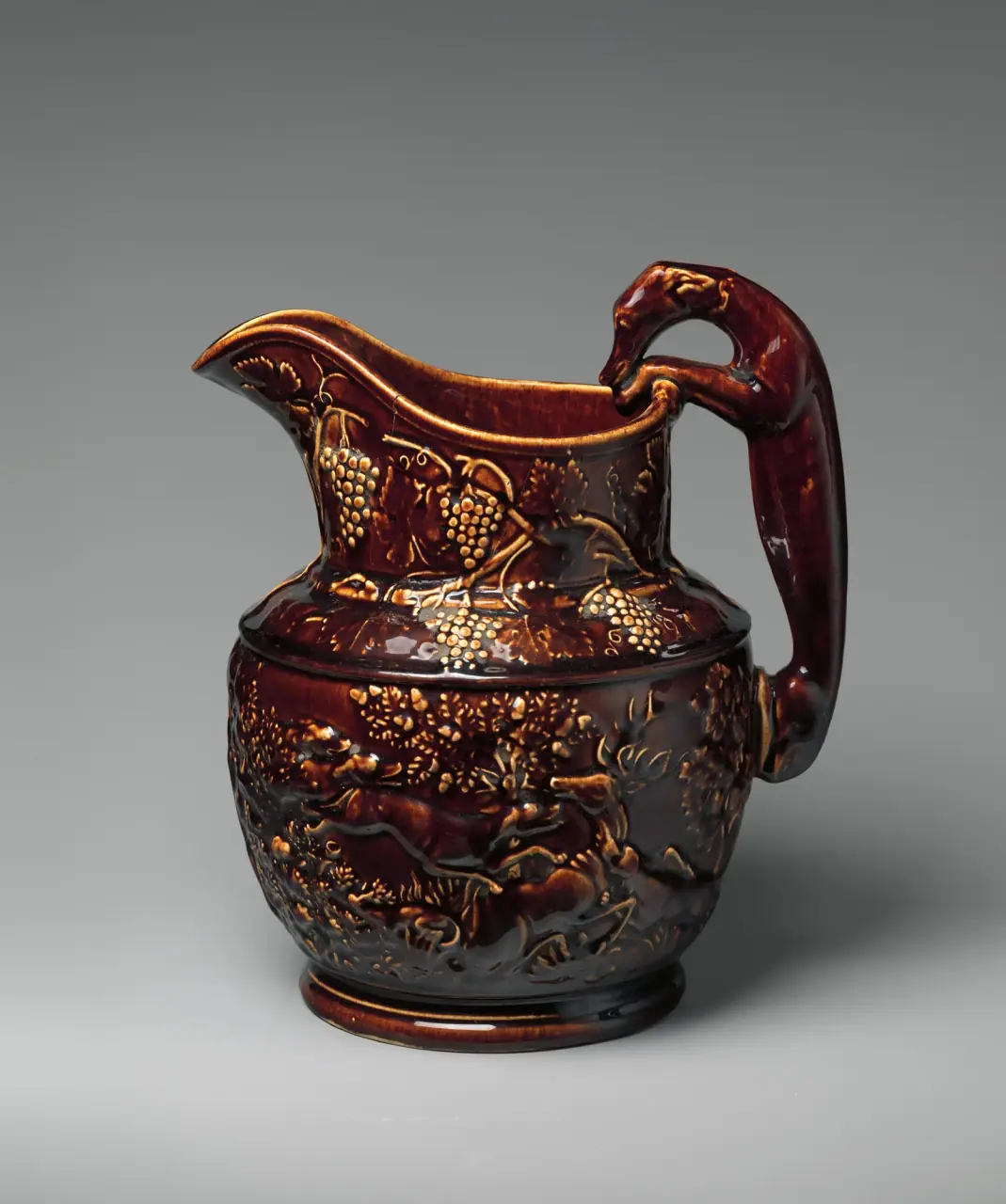
Brown mottled-glaze ceramic pitcher,1852 – 1858 (date of the artwork/object)
Brown mottled-glaze ceramic pitcher 1852 – 1858 (date of the artwork/object)
Farm scene: barn, haystacks and poultry,Second half of the 19th century (1851–1899, date of the watercolor)
Farm scene: barn, haystacks and poultry Second half of the 19th century (1851–1899, date of the watercolor)
05 / CONNECTED HISTORIES

Beyond the border.

Explore on the map
1853–1854 · United States / Japan

The Arrival of the Black Ships: An Unequal Encounter

The United States used gunboats to demand that Japan open. Japanese and American artists depicted the fleet and one another's residents differently. Diplomacy, translation and images together show inequalities of power.

Follow this connection
1953 · United States / Iran

The Iranian Coup of 1953 and American Intervention

Declassified files record American participation in TPAJAX planning and implementation. This was an important milestone in Iranian-American relations, while requiring attention to Britain and internal Iranian politics rather than external manipulation alone.

Follow this connection
1945–1991 · United States / Russia

From Soviet-American Competition to Soviet Dissolution

The Soviet Union included several republics and cannot be equated with Russia. Soviet-American armaments, diplomacy and negotiations changed lives worldwide. Dissolution created new states and nuclear-security arrangements.

Follow this connection

References and evidence

These materials support this page's account. Check the purpose, perspective and accessible scope of each source. Notes identify the evidential limits of excerpts, summaries and timelines.

  1. Native Knowledge 360°: Essential UnderstandingsSmithsonian National Museum of the American Indian · Museum research

    An educational framework developed with Indigenous participation, emphasizing social diversity, sovereignty, continuity and contemporary life.

  2. Indigenous history of the lower New River regionU.S. National Park Service · Specialist reference

    Materials on local Clovis artifacts, the Woodland period and trade. A local archaeological sequence cannot represent the entire continent.

  3. Mesa Verde: Living spaces and architectureU.S. National Park Service · Specialist reference

    Ancestral Pueblo residents and settlements from approximately 550 to 1300 CE. Moving away does not mean extinction or disappearance of a people.

  4. Cahokia MoundsUNESCO World Heritage Centre · Specialist reference

    A Mississippian city and its flourishing around 1050–1150 CE. Population figures are estimates rather than census counts.

  5. Colonial settlement, the 1600s to 1763Library of Congress · Archive

    A thematic navigation entry for locating materials. Specific dates and institutional conclusions are cross-checked against documents, collections and substantive entries listed in this chapter. A directory does not establish an account of an entire period.

  6. The Declaration of Independence (1776)U.S. National Archives · Primary source

    Original document, transcription and historical explanation. The Declaration's claims about rights do not mean that everyone actually enjoyed equality.

  7. The U.S. Constitution (1787)U.S. National Archives · Primary source

    The constitution-making process and access to the original. Institutional compromises also involved slavery and political exclusion.

  8. Milestone Documents in American HistoryU.S. National Archives · Archive

    A thematic navigation entry for locating materials. Specific dates and institutional conclusions are cross-checked against documents, collections and substantive entries listed in this chapter. A directory does not establish an account of an entire period.

  9. The New Nation, 1783–1815Library of Congress · Archive

    A thematic navigation entry for locating materials. Specific dates and institutional conclusions are cross-checked against documents, collections and substantive entries listed in this chapter. A directory does not establish an account of an entire period.

  10. What Does It Mean to Remove a People?Smithsonian National Museum of the American Indian · Museum research

    Perspectives, maps and documents involving Cherokee, Muscogee and other Indigenous peoples. Removal included force, fraud and resistance.

  11. The Treaty of Guadalupe Hidalgo (1848)U.S. National Archives · Primary source

    Provisions ending the Mexican-American War and addressing territory and residents' rights. The treaty does not demonstrate that Indigenous sovereignty automatically disappeared.

  12. The Causes of the American Civil WarU.S. National Park Service · Specialist reference

    Slavery's central role in secession, alongside disputes over federal power and the economy.

  13. The Emancipation Proclamation (1863)U.S. National Archives · Primary source

    Geographical scope, wartime context and Black enlistment. It did not abolish all slavery nationwide on the day of publication.

  14. Institutions and Society during ReconstructionU.S. National Park Service · Specialist reference

    The Thirteenth through Fifteenth Amendments, freed people and gaps in institutional implementation.

  15. The American Industrial Revolution: A Primary Source SetLibrary of Congress · Archive

    Context and original materials in a collection on industry and labor. Distinguish government support, corporate narratives and workers' experiences; do not repeat unexamined claims that an invention was the first.

  16. The Chinese Exclusion Act (1882)U.S. National Archives · Primary source

    Federal legislation concerning Chinese labor immigration and naturalization, and its aftermath. It cannot be summarized as a ban on every Chinese person entering at that time.

  17. The Dawes Act (1887)U.S. National Archives · Primary source

    Allotment of reservations and mechanisms of land privatization, understood through Indigenous land loss and sovereignty.

  18. Progressive Era Reform: A Primary Source SetLibrary of Congress · Archive

    Source collections and contextual texts on food, labor, elections, urban reform and other subjects. Reform coalitions and their exclusions varied.

  19. The Triangle Shirtwaist Factory Fire ArchiveKheel Center, Cornell University School of Industrial and Labor Relations · Archive

    The fire of March 25, 1911, victims, testimony and labor-safety reform. Workers were more than victims alone.

  20. The Nineteenth Amendment (1920)U.S. National Archives · Primary source

    Prohibition of denying voting rights on the basis of sex, while noting that racial restrictions continued to prevent many women from actually voting.

  21. A Research Guide to the Great Depression and New DealLibrary of Congress · Archive

    A thematic navigation entry for locating materials. Specific dates and institutional conclusions are cross-checked against documents, collections and substantive entries listed in this chapter. A directory does not establish an account of an entire period.

  22. The Social Security Act (1935)U.S. National Archives · Primary source

    The original 1935 statute. Distinguish employment definitions, old-age benefits, unemployment and other assistance by Title. Check agricultural and domestic-service exclusions in particular; this was not immediate insurance for everyone.

  23. The Great Depression and World War II, 1929–1945Library of Congress · Archive

    A thematic navigation entry for locating materials. Specific dates and institutional conclusions are cross-checked against documents, collections and substantive entries listed in this chapter. A directory does not establish an account of an entire period.

  24. Executive Order 9066 and Japanese American IncarcerationU.S. National Archives · Primary source

    The 1942 order, forced removal, incarceration and later redress. 'Relocation' was contemporary government terminology; the account must expose the actual deprivation.

  25. The Early Cold War, 1945–1952Office of the Historian, U.S. Department of State · Specialist reference

    A thematic navigation entry for locating materials. Specific dates and institutional conclusions are cross-checked against documents, collections and substantive entries listed in this chapter. A directory does not establish an account of an entire period.

  26. Access to Cuban Missile Crisis ArchivesU.S. National Archives · Archive

    Crisis chronology, aerial photographs and presidential-library materials. Intelligence images must be read alongside diplomatic records.

  27. Foreign Relations of the United States: Supplement on Iran, 1951–1954Office of the Historian, U.S. Department of State · Archive

    A thematic navigation entry for locating materials. Specific dates and institutional conclusions are cross-checked against documents, collections and substantive entries listed in this chapter. A directory does not establish an account of an entire period.

  28. The Civil Rights Act (1964)U.S. National Archives · Primary source

    Statutory protections in public accommodations, employment and other areas. Legislation must be distinguished from enforcement.

  29. The Voting Rights Act (1965)U.S. National Archives · Primary source

    Federal enforcement mechanisms and statutory provisions. This account concerns historical enactment and does not assert that every provision remained unchanged in force through 2026.

  30. The Selma MarchesU.S. National Archives · Archive

    Connections among the local voting-rights movement, police violence and federal legislation.

  31. The Great Inflation, 1965–1982Federal Reserve History · Specialist reference

    Monetary systems, energy shocks and tightening policies. Interpretations from an institution involved in policymaking require comparison with labor and social history.

  32. Soviet Dissolution and American DiplomacyOffice of the Historian, U.S. Department of State · Specialist reference

    American policy choices and internal Soviet changes. Russia and the Soviet Union should not be equated.

  33. Timeline of Computer HistoryComputer History Museum · Museum research

    A thematic navigation entry for locating materials. Specific dates and institutional conclusions are cross-checked against documents, collections and substantive entries listed in this chapter. A directory does not establish an account of an entire period.

  34. Internet History, 1962–1992Computer History Museum · Museum research

    A thematic navigation entry for locating materials. Specific dates and institutional conclusions are cross-checked against documents, collections and substantive entries listed in this chapter. A directory does not establish an account of an entire period.

  35. 1993: Mosaic and Other Technological MilestonesComputer History Museum · Museum research

    NCSA Mosaic and the development of interfaces for mass internet use.

  36. 9/11 Memorial: Introduction to the Interactive TimelineNational September 11 Memorial & Museum · Museum research

    A museum chronology of the 2001 attacks and eyewitness accounts. Later wars and domestic policies require independent verification.

  37. The Great Recession, 2007–2009Federal Reserve History · Specialist reference

    Housing, credit, employment and policy responses. Economic data are revised; the text avoids numbers whose versions have not been checked.

  38. What Is the Affordable Care Act?U.S. Department of Health and Human Services · Primary source

    Verification of the 2010 legislation and reform aims. Statutory aims are not treated as an evaluation of effects.

  39. CDC Museum COVID-19 TimelineDavid J. Sencer CDC Museum · Museum research

    A historical chronology of public-health and social responses in 2020. This is not current medical guidance for individual treatment.

  40. Report on the January 6, 2021 Attack on the U.S. CapitolU.S. House Select Committee / Government Publishing Office · Primary source

    Narrative, testimony and materials in the House committee's 2022 report. Congressional findings are distinguished from judicial convictions. Relevant passages are used only to verify the attack and the interruption and resumption of certification.

  41. George Washington: Biographical InformationU.S. National Park Service · Specialist reference

    Dates of birth and death, military service and presidency. Celebratory biographical language should be read alongside his status as a slaveholder.

  42. Frederick Douglass and the Civil WarU.S. National Park Service · Specialist reference

    Dates of birth and death, anti-slavery activities, Black enlistment and demands for citizenship.

  43. Ida B. Wells: Biographical InformationU.S. National Park Service · Specialist reference

    Investigative reporting, opposition to lynching, women's suffrage, and dates of birth and death.

  44. Grace Hopper: Biographical InformationNational Women's History Museum · Museum research

    Reference for her career and life dates. The page oversimplifies claims concerning the first electronic computer and the origin of 'bug'; the narrative does not repeat those claims of priority or invention of the term.

  45. Black Ships & Samurai: Images of Japanese-American EncountersMIT Visualizing Cultures · Academic research

    The first substantive essay in Black Ships & Samurai, with Japanese and American images and the encounters of 1853–1854. Distinguish the production and publication dates of images and their creators' perspectives.

  46. Timeline of the American RevolutionU.S. National Park Service · Specialist reference

    A specialist chronology of the imperial crisis after 1763, the Stamp Act, Tea Party, war and independence.

  47. Nixon and WatergateU.S. National Archives · Archive

    The security log of 1972 and resignation letter of 1974: original documents concerning individual accountability.

  48. Dobbs v. Jackson: Original Majority, Concurring and Dissenting OpinionsSupreme Court of the United States · Primary source

    The original 2022 decision. Distinguish Alito's majority opinion, Roberts's concurrence in the judgment only, and the joint dissent by three justices. Overturning precedent did not directly create a nationwide ban.

  49. The Original American Rescue Plan Act of 2021U.S. Government Publishing Office · Primary source

    The original Public Law 117-2, its approval record and provisions on income, the 2021 child tax credit, and state and local finances. Legislative amounts and authorizations are not actual disbursements or demonstrated causal effects.

  50. Surveillance after Expiration of the Public-Health Emergency in 2023U.S. Centers for Disease Control and Prevention · Primary source

    The CDC's 2023 surveillance report explains changes to data and authorizations after the emergency expired on May 11. It is not a declaration that pandemic risks disappeared or individual medical guidance.

  51. State Electoral College Vote Records for 2024U.S. National Archives · Primary source

    State certificates and compiled Electoral College votes. Distinguish the 2024 popular vote, the electors' December voting, and the congressional count and inauguration in 2025. The narrative ends in 2024.

  52. The Original Inflation Reduction Act of 2022U.S. Government Publishing Office · Primary source

    The original Public Law 117-169, approved in 2022. Selected provisions concern drug-pricing programs and clean-energy tax credits. Some implementation occurred beyond this chapter; future targets are not presented as achieved.

  53. A Clause-by-Clause Transcription of the U.S. ConstitutionU.S. National Archives · Primary source

    The institution that produced a source and the nature of its text must be distinguished from what it describes. A source link does not mean that every related archive has been made public.

  54. Original Text of the Thirteenth AmendmentU.S. National Archives · Primary source

    The institution that produced a source and the nature of its text must be distinguished from what it describes. A source link does not mean that every related archive has been made public.

  55. Original Text of the Fourteenth AmendmentU.S. National Archives · Primary source

    The institution that produced a source and the nature of its text must be distinguished from what it describes. A source link does not mean that every related archive has been made public.

  56. Original Text of the Fifteenth AmendmentU.S. National Archives · Primary source

    The institution that produced a source and the nature of its text must be distinguished from what it describes. A source link does not mean that every related archive has been made public.

  57. John Ross's 1836 Protest against the Treaty of New EchotaU.S. National Park Service · Primary source

    The institution that produced a source and the nature of its text must be distinguished from what it describes. A source link does not mean that every related archive has been made public.

  58. A Brief History of JamestownU.S. National Park Service · Specialist reference

    The institution that produced a source and the nature of its text must be distinguished from what it describes. A source link does not mean that every related archive has been made public.

  59. Records of African Arrivals in Virginia in 1619U.S. National Park Service · Specialist reference

    The institution that produced a source and the nature of its text must be distinguished from what it describes. A source link does not mean that every related archive has been made public.

  60. Bacon's Rebellion: Context and Changing HistoriographyU.S. National Park Service · Specialist reference

    The institution that produced a source and the nature of its text must be distinguished from what it describes. A source link does not mean that every related archive has been made public.

  61. The Philippines, 1898–1946: Conquest, War and RepresentationOffice of the Historian, U.S. House of Representatives · Specialist reference

    The institution that produced a source and the nature of its text must be distinguished from what it describes. A source link does not mean that every related archive has been made public.

  62. The Immigration Act of 1924 and National-Origins QuotasOffice of the Historian, U.S. Department of State · Specialist reference

    The institution that produced a source and the nature of its text must be distinguished from what it describes. A source link does not mean that every related archive has been made public.

  63. Financial and Monetary Mechanisms of the Great DepressionFederal Reserve History · Specialist reference

    The institution that produced a source and the nature of its text must be distinguished from what it describes. A source link does not mean that every related archive has been made public.

  64. The National Labor Relations Act (1935)U.S. National Archives · Primary source

    Legislative context and an online statutory transcription incorporating later amendments. Current definitions should not all be projected back onto 1935. Agricultural and domestic-service coverage also requires separate comparison with the original act and Social Security Act.

  65. The GI Bill (1944)U.S. National Archives · Primary source

    The institution that produced a source and the nature of its text must be distinguished from what it describes. A source link does not mean that every related archive has been made public.

  66. The Truman Doctrine Speech (1947)U.S. National Archives · Primary source

    The institution that produced a source and the nature of its text must be distinguished from what it describes. A source link does not mean that every related archive has been made public.

  67. The Economic Cooperation Act and Marshall Plan (1948)U.S. National Archives · Primary source

    The institution that produced a source and the nature of its text must be distinguished from what it describes. A source link does not mean that every related archive has been made public.

  68. Executive Order 9981 (1948)U.S. National Archives · Primary source

    The institution that produced a source and the nature of its text must be distinguished from what it describes. A source link does not mean that every related archive has been made public.

  69. Brown v. Board of Education (1954)U.S. National Archives · Primary source

    The institution that produced a source and the nature of its text must be distinguished from what it describes. A source link does not mean that every related archive has been made public.

  70. Women Organizers in the African American Civil-Rights MovementU.S. National Park Service · Specialist reference

    The institution that produced a source and the nature of its text must be distinguished from what it describes. A source link does not mean that every related archive has been made public.

  71. Dolores HuertaU.S. National Park Service · Specialist reference

    The institution that produced a source and the nature of its text must be distinguished from what it describes. A source link does not mean that every related archive has been made public.

  72. Rachel CarsonU.S. National Park Service · Specialist reference

    The institution that produced a source and the nature of its text must be distinguished from what it describes. A source link does not mean that every related archive has been made public.

  73. Frances PerkinsU.S. National Park Service · Specialist reference

    The institution that produced a source and the nature of its text must be distinguished from what it describes. A source link does not mean that every related archive has been made public.

  74. Wahunsenacawh and the Powhatan Political AllianceU.S. National Park Service · Specialist reference

    The institution that produced a source and the nature of its text must be distinguished from what it describes. A source link does not mean that every related archive has been made public.

  75. Harriet TubmanU.S. National Park Service · Specialist reference

    The institution that produced a source and the nature of its text must be distinguished from what it describes. A source link does not mean that every related archive has been made public.

  76. Katherine Johnson's Recollections and CareerNational Aeronautics and Space Administration · Primary source

    The institution that produced a source and the nature of its text must be distinguished from what it describes. A source link does not mean that every related archive has been made public.

  77. Liberty and Slavery: The Stono Rebellion and a Colonial-Era TimelineMuseum of the American Revolution · Museum research

    Dated entries explain enslavement, resistance and choices during the revolutionary era. A timeline does not represent the experience of every colony.

  78. Excerpts from Perkins's 1964 Speech Recalling the Triangle Fire and ReformKheel Center for Labor-Management Documentation and Archives, Cornell University · Primary source

    A transcript of a speech in 1964 recalling 1911, shaped by selective memory. Distinguish it from testimony and regulations from the time.

  79. Memorandum of the TPAJAX Planning Meeting, June 6, 1953Office of the Historian, U.S. Department of State / FRUS · Primary source

    The meeting discussed specific military, Shah-related and propaganda arrangements. Redactions remain. Planning does not establish that every proposal was implemented.

  80. Tehran Station Chief's TPAJAX Operational Report, August 28, 1953Office of the Historian, U.S. Department of State / FRUS · Primary source

    Public paragraphs 1–7 record agent mobilization and military roles. This is an account by participants in the operation, subject to self-crediting and redaction limitations.

  81. FRUS Editorial Note on TPAJAX Authorization RecordsOffice of the Historian, U.S. Department of State / FRUS · Archive

    Distinguish memoirs, operational chronologies and formal records that have not been found. Do not invent a written presidential order.

  82. Survivors of the Hiroshima and Nagasaki Atomic BombsU.S. National Park Service · Specialist reference

    The nuclear attacks of 1945 and survivors' experiences. Postwar recollections alone cannot determine every cause of the surrender decision.

  83. Original Indian Self-Determination and Education Assistance Act of 1975U.S. Government Publishing Office · Primary source

    Public Law 93-638, beginning at 88 Stat. 2203. Distinguish declarations, definitions and contracting provisions. The act did not resolve all sovereignty disputes.

  84. The 1960s Prehistory of the Internet and ARPANETComputer History Museum · Museum research

    Specific teams, protocols and connections through 1969. Packet switching had parallel research histories across countries.

  85. Computing Milestones in 1971Computer History Museum · Museum research

    The 4004 was developed for the Japanese Busicom calculator project. Distinguish commercial release, architecture and design, rather than calling it first in every possible sense.

  86. Personal Computers and Software Ecosystems in 1981Computer History Museum · Museum research

    The IBM PC launch and related technological milestones. Release did not mean immediate adoption by every household.

  87. CERN's 1993 Document Releasing World Wide Web SoftwareCERN Document Server · Primary source

    The public statement and digital original dated April 30, 1993. The World Wide Web is not the whole set of internet protocols.

  88. The Louisiana Purchase Treaty and Financial Conventions (1803)U.S. National Archives · Primary source

    Interstate transfers of territorial claims and financial arrangements. These are not evidence that all Indigenous nations consented.

  89. The Compromise of 1850: Resolutions and Five ActsU.S. National Archives · Primary source

    Distinguish Clay's resolutions from subsequent statutes. Stronger provisions for recapturing fugitives from slavery did not end slavery.

  90. The Kansas-Nebraska Act (1854)U.S. National Archives · Primary source

    Specific legislation concerning territorial politics and slavery. Statutory language of self-determination should not conceal violence or excluded people.

  91. Transcription of the Bill of RightsU.S. National Archives · Primary source

    The first ten amendments, ratified in 1791. Distinguish their provisions and timing of application from the original 1787 Constitution.

  92. The Treaty of Paris (1783)U.S. National Archives · Primary source

    Original provisions on recognition and territory. They did not include the consent of every affected Indigenous people.

  93. The Authorization for Use of Military Force (2001)U.S. Government Publishing Office · Primary source

    Original Public Law 107-40. Read it separately from the 2002 Iraq authorization. Legal authorization does not establish a war's effects or justification.

  94. The Authorization for Use of Military Force against Iraq (2002)U.S. Government Publishing Office · Primary source

    Original Public Law 107-243. The resolution's stated reasons were claims by the actors; they cannot all be treated as facts subsequently verified.

  95. The Original Patient Protection and Affordable Care Act (2010)U.S. Government Publishing Office · Primary source

    Public Law 111-148. Verify the approval date and insurance rules. Coverage and health outcomes cannot be inferred from statutory goals.

  96. On-Site Record of the Presidential Oath, January 20, 2021U.S. Department of Defense DVIDS · Primary source

    Original field records and captions by an Army photographer support the time of the oath, not the policy effects of an entire presidential term.

  97. Original Indian Removal Act of 1830U.S. Government Publishing Office · Primary source

    4 Stat. 411–412, May 28, 1830. Provisions for land exchanges, assistance and treaty reservations must be distinguished from actual coercive implementation.

  98. Original Decision in Worcester v. Georgia (1832)Legal Information Institute, Cornell University / U.S. Supreme Court decisions · Primary source

    Core passages concerning the Cherokee political community and application of Georgia law. Legal victory did not automatically prevent forced removal.

  99. Trail of Tears: Expulsion, Migration and RebuildingU.S. National Park Service · Specialist reference

    Distinguish confinement, different parties' journeys and arrival in 1839. Mortality figures are uncertain. Compare the page's overview with the original Removal Act, petitions and decisions.

  100. The War of 1812–1815 and the North American FrontierOffice of the Historian, U.S. Department of State · Specialist reference

    A diplomatic-history interpretation of trade, sailors' rights and expansion. Indigenous peoples were not passive dependents of two empires.

  101. The Erie Canal: Transport, Settlement and the Circulation of ReformU.S. National Park Service · Specialist reference

    Construction in 1817–1825 and transport connections. The page's patriotic rhetoric is not used to infer equal benefits for every resident.

  102. Signing the Federal Reserve Act in 1913 and Institutional DebatesFederal Reserve History · Specialist reference

    The text distinguishes proposals, legislation, and regional and central structures. The illustration is a painting made in 1923 or later, not a photograph of the 1913 event.

  103. American Entry into World War I in 1917Office of the Historian, U.S. Department of State · Specialist reference

    Substantive material on diplomacy, submarine warfare and the decision to enter the war. Decision-makers' stated reasons are distinguished from historical explanations.

  104. Roosevelt's 1941 Draft War Speech against Japan and the Declaration of WarU.S. National Archives · Primary source

    The speech draft, revisions and congressional declaration of war. The original speech is material for political mobilization, not an account of every aspect of the war's background.

  105. The Korean War and Japan's RecoveryOffice of the Historian, U.S. Department of State · Specialist reference

    Diplomatic context for war in 1950 and the armistice of 1953. This is an official American retrospective, not a substitute for Korean, Chinese and civilian experiences.

  106. The Cuban Missile Crisis: Public and Secret NegotiationsOffice of the Historian, U.S. Department of State · Specialist reference

    The October 1962 crisis, missiles in Turkey and a pledge not to invade. Official interpretations require comparison with records from the different parties.

  107. Collection Notes on the North Atlantic Treaty of 1949National Archives Museum · Archive

    The original treaty collection and information about its signing in 1949. Later membership numbers on the website are not projected back onto 1949.

  108. The Internet Commercial Boom and the Turn around 2000Computer History Museum · Museum research

    The specific Boom-and-Bust entry. Technological application, corporate financing and share value are different measures.

  109. The 9/11 Museum: What Happened That DayNational September 11 Memorial & Museum · Museum research

    The module's substantive text verifies the four airliners and attack locations. Eyewitness and video entry points are distinguished from the text; there is no claim that every interview was viewed.

  110. Plymouth Settlement and Reconsidering the Memory of 1620U.S. National Park Service · Specialist reference

    Verification of the 1620 voyage and settlement. Commemorative traditions are read alongside Wampanoag communities and colonial relations. Later reconstructions are not presented as images of the event.

  111. Mount Vernon: Washington and Enslaved CommunitiesMount Vernon and the Washington Library · Museum research

    Notes on the estate, enslaved labor, households and the will. Distinguish those Washington could legally dispose of from the Custis estate. The will is not described as freeing every resident at once.

  112. White Sands National Park: Fossil Footprints and Dating ContextU.S. National Park Service · Specialist reference

    Uses the page's account of the 2021 research and related context. The website's 2026 update date is not an ancient date, and research published after the 2024 cutoff is not incorporated.

  113. Pigati et al.: Independent Dating of the White Sands Footprints (2023)Science / public copy hosted by an author's department at the University of California, Berkeley · Academic research

    The three-page main body of the original 2023 paper. It verifies the 1950 cal BP reference point, convergence of terrestrial-pollen radiocarbon and quartz luminescence dates, and uncertainties. It does not claim to recalculate supplementary data or all migration routes into the Americas.