Media and the Achaemenids: Governing a Vast Empire
How could one king rule regions with different languages, deities, and ways of life?
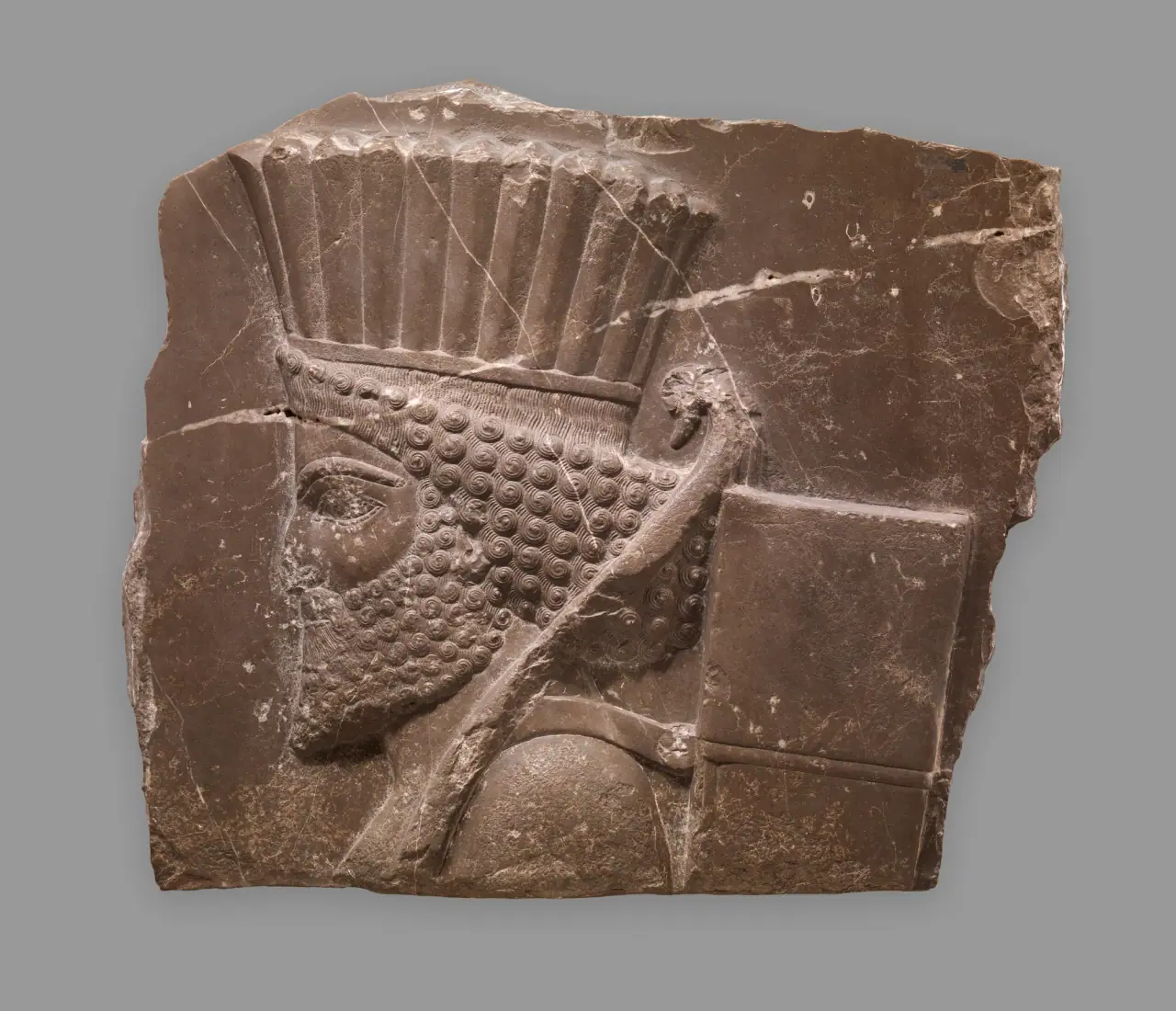
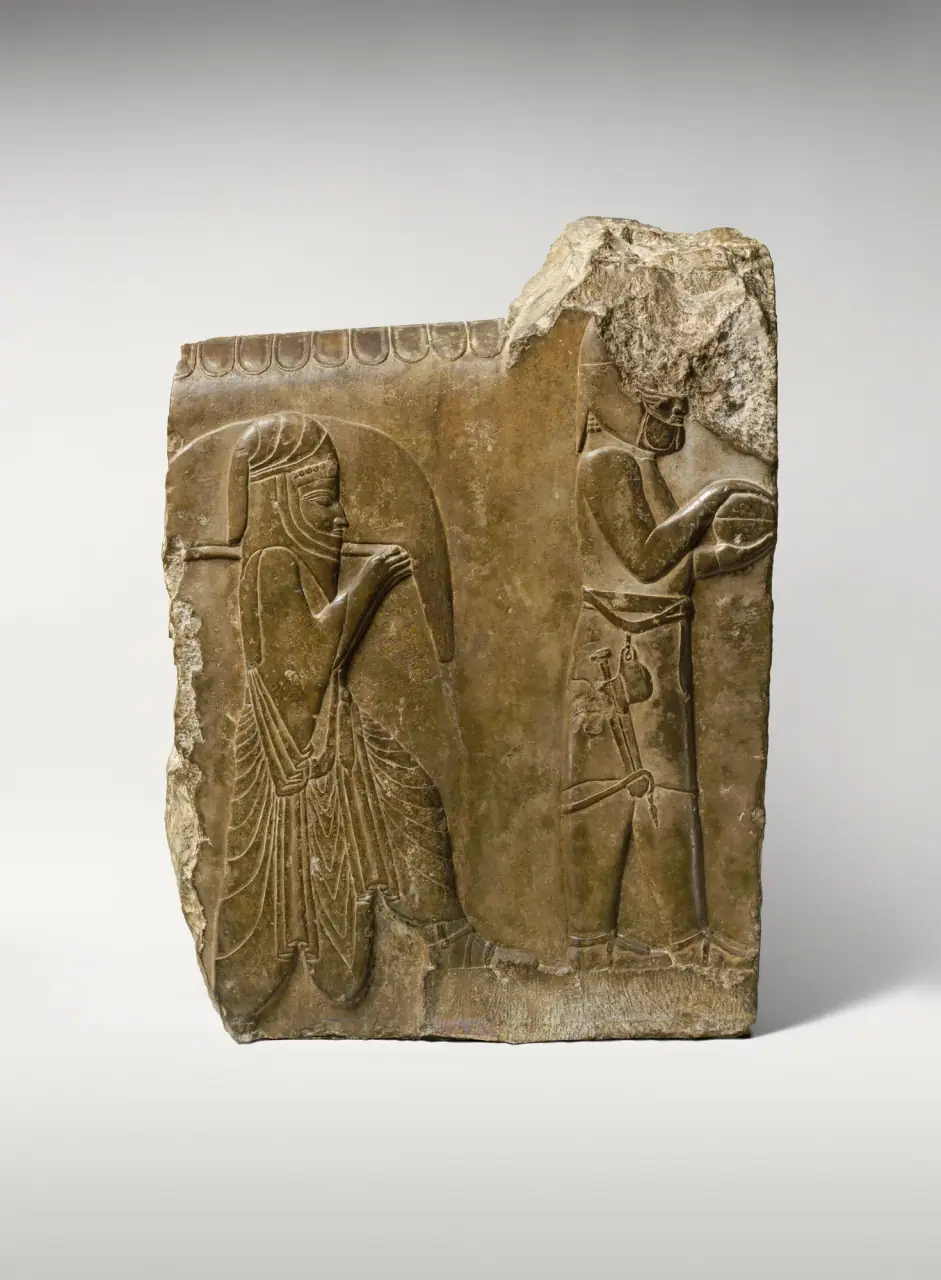
A ledger recording rations issued to travelers and workers can make the workings of a vast empire more concrete than a throne relief. Cyrus's conquests joined Media, Lydia, Babylonia, and other regions to the same dynasty, and Darius further integrated resources through provinces, taxation, roads, and palace works. Rule depended on armies, but also on local scribes, temples, nobles, and multiple administrative languages. The empire displayed contributions from various regions, but this did not thereby eliminate coercion, resistance, or inequality. The degree of Median political unification remains debated; the legitimacy and order proclaimed by the Persian court must also be read separately from actual accounts, local records, and the positions of Greek authors.
01 / c. 700–330 BCEHow this era began
Assyrian, Babylonian, and Elamite political networks had already connected the Near East, and the Iranian Plateau was not a blank space waiting to be unified. Median and Persian-speaking groups formed power in different regions, but the degree of concentration in the Median kingdom is harder to determine than traditional imperial maps suggest. Archaeological sites cannot be judged to be Median palaces on geographical location alone, and later ethnic names do not equal every inhabitant's self-identification in the seventh century BCE.
Why did this era begin?
After defeating Median kingship, Cyrus continued to expand westward and eastward, and the takeover of Babylon in 539 BCE changed the entire Near Eastern configuration. Armies could seize cities, but long-term rule still required cooperation from local elites and resource systems. Darius suppressed revolts during a succession crisis and carved his victories into a royal narrative of legitimacy; these inscriptions show how rule explained itself and cannot by themselves determine the identities of all opponents.
02 / c. 700–330 BCEWho held power
King of Kings, provincial governors, military personnel, and local authorities formed multiple layers of rule. Different regions retained their own laws, cults, and scribal traditions, while the court connected them through taxation, transport, and personnel arrangements. So-called tolerance did not mean modern civic equality, nor did local autonomy mean complete independence; large-scale revolts and repression show that imperial order required continuous use of force to maintain.
What tensions existed within the era?
Rulers needed sustained supplies from various regions while also dealing with succession, local resistance, and foreign wars. The conflicts of Darius, Xerxes, and the Greek world were only part of imperial experience; Egypt, Babylonia, and Central Asia also had their own interests. Greek accounts often shaped the image of Persia through war, while royal inscriptions classified opponents as lies; neither can replace people who left no texts of their own.
03 / c. 700–330 BCEHow society worked
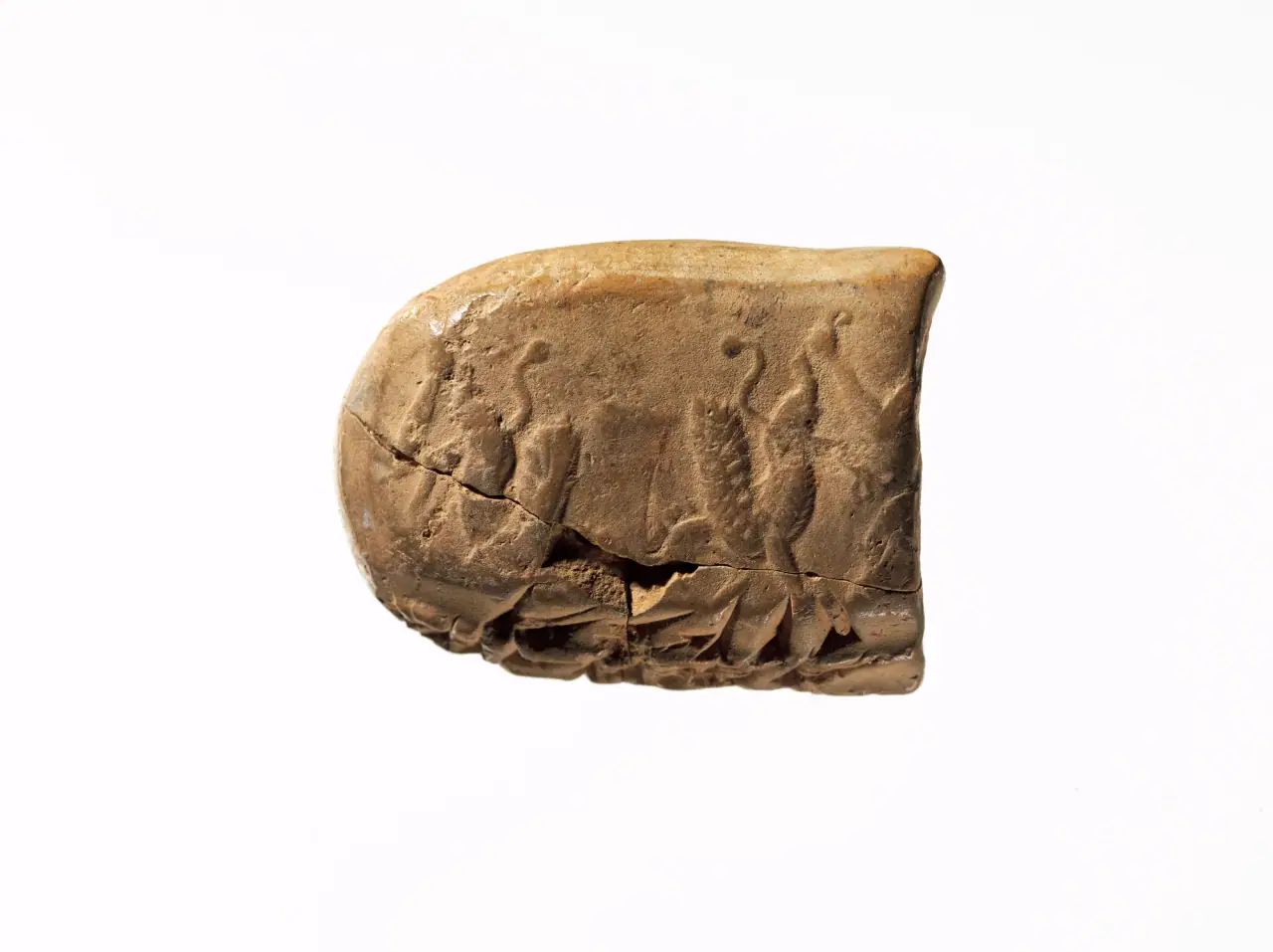
Land, livestock, rations, tribute, and precious metals together supported finance; coinage did not replace all payments in kind. The Persepolis administrative tablets record personnel travel, distribution of goods, and organization of labor, making visible the supply chains behind palace construction. Roads facilitated envoys and transport and also helped extract resources; the splendor of royal projects cannot be directly converted into a shared rise in living standards for households everywhere.
How did ordinary people live?
Administrative records show male and female labor groups, rations for children, and people of different statuses, far more complex than looking only at royal portraits. Some worked in workshops and on construction sites; others transported goods, farmed, or supplied envoys. Ration quantities can show management methods and differential treatment, but they do not necessarily equal wages for free labor; the actual legal status of those recorded and the unrecorded household labor still require careful distinction.
04 / c. 700–330 BCEWhere change began
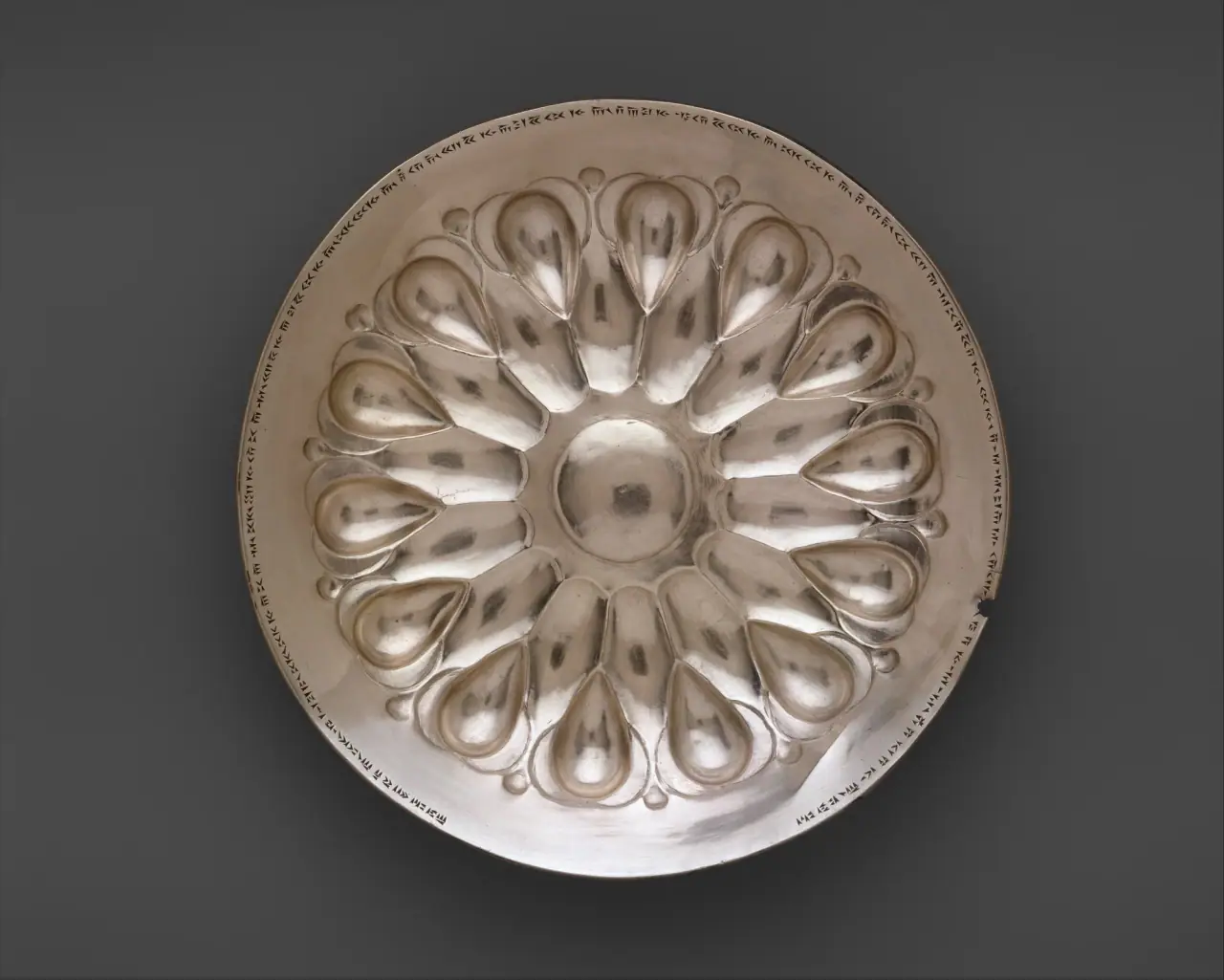
Alexander's army defeated the Achaemenid dynasty, Darius III died in 330 BCE, and the royal center was reorganized. Palace destruction and conquest involved real violence, but officials, transport routes, and local societies did not reset to zero overnight. New rulers continued to draw on local resources and adjust elite relations, so the end of a dynasty is suitable for marking political change but cannot be written as an overall interruption of Iranian history.
Milestones that changed direction
The Fall of Nineveh
A Median-Babylonian alliance took part in destroying the Assyrian core, and Near Eastern power was reorganized accordingly. Alliance and military victory do not automatically prove that Media already possessed the same centralized imperial institutions shown on later maps.
Cyrus Defeats the Median King
Cyrus defeated the Median king Astyages, and this is usually treated as an important point around which Persian dynastic expansion began. Chronicles preserve traces of army defections and resource transfers, but motives still cannot be fully recovered.
Conquest of Babylon
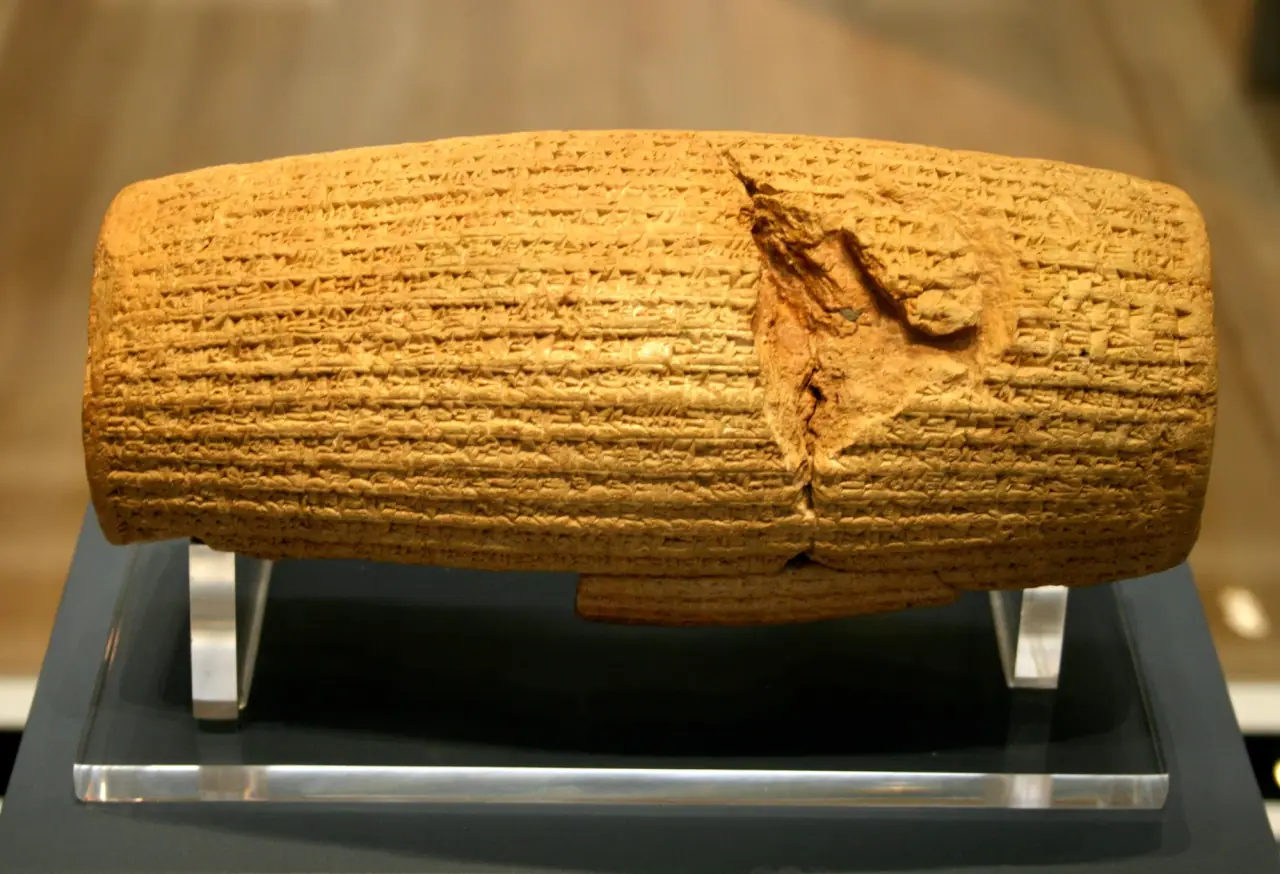
Cyrus's army took over Babylon, and the cylinder explained the new king's legitimacy in local religious language. The surviving chronicle copies are separated from the events they record by a longer period, so genre and date of production must be kept distinct.
Egypt Incorporated into the Empire
Cambyses conquered Egypt, giving the dynasty new agricultural, temple, and administrative resources. Royal titles and cooperation with local institutions required practical management; conquest did not make all social relations disappear at once.
Darius Seizes Power
Darius obtained the throne during a succession crisis and suppressed revolts; inscriptions call his opponents usurpers. Royal narrative can prove claims to legitimacy but cannot by itself determine the identities of all opponents.
Details of Administration
Around this time, the Persepolis tablets record rations, personnel, and supply exchanges, making male and female laborers and travelers visible. Payments in kind do not necessarily equal modern wages and cannot represent every province.
The Dynasty Ends
Alexander defeated the Achaemenid dynasty, Darius III died, and the palace center was reorganized. War and palace destruction did not simultaneously erase local scribes, production, and transport networks.
What we know
Royal inscriptions provide self-representation, fortification tablets preserve administrative affairs, Babylonian documents and archaeological materials show local continuity, and Greek authors bring an outside gaze. These sources each have their own genres and preservation biases. If a relief claims that all regions contributed in harmony, the accounts can only prove specific distributions; they cannot be used to infer that all inhabitants loyally consented; regions without documents are not thereby without social activity.
Questions still debated
Regarding the organization of the Median polity, local cooperation in conquests, and the nature of imperial rule, scholars emphasize different bodies of evidence. Generalizations such as tolerance, despotism, or pluralism have explanatory power only when tied to specific institutions. The continuity of a temple in one region cannot be used to assert the absence of coercion; nor can a single repression compress centuries of governance across the empire into one single experience.
Legacies for later generations
Royal projects, cross-regional administration, and multilingual writing became resources continually borrowed by successor regimes, and Cyrus acquired new symbolic meaning in modern national narratives. The Cyrus Cylinder explained conquest through local religious and kingship conventions; it was not a modern universal human rights code. Only by placing ancient policies back in their own time can their differences and effects be discussed, rather than letting today's slogans speak for them.
References and evidence
These materials support this page's account. Check the purpose, perspective and accessible scope of each source. Notes identify the evidential limits of excerpts, summaries and timelines.
- MEDIAEncyclopaedia Iranica · Academic research
Comparison of Assyrian, Babylonian, and Greek materials; the Median political structure is disputed.
- The Achaemenid Persian Empire (550–330 B.C.)The Metropolitan Museum of Art · Museum research
Empire formation, provinces, and court art.
- Persepolis Fortification TabletsUniversity of Chicago ISAC / Richard T. Hallock · Academic research
Publication introduction to Elamite administrative tablets; the grain payment records have regional limitations.
- The Cyrus cylinder: image 262895001The British Museum · Museum research
The collection description allows verification of content; the image is CC BY-NC-SA, and this does not authorize reuse of images in this project.
- Iran: A Country Study, fifth edition (2008)Library of Congress, Federal Research Division; Glenn E. Curtis and Eric Hooglund, eds. · Academic research
The official LOC full-text OCR was obtained, and body paragraphs on history, women, education, and government politics were read; this was not merely reading the table of contents or a summary, nor is any claim made of having read all 416 scans. The study has limitations of period and national-studies framework; errors in the history chapter such as Chaldiran 1524 and Gulistan 1812 are not carried over, and 1514 and 1813 are adopted respectively per specialized research; the internal discrepancy in the history and education chapters over Tehran University 1935/1934 is likewise not copied directly.
- Nabonidus Chronicle, British Museum number 35382British Museum · Museum research
The original museum's complete object fields were actually checked: the extant tablet is tentatively dated to the 3rd–2nd century BCE, while the events it records are in the 6th century BCE; the object, the narrative era, and modern photography are distinguished. This catalog field differs from the approximately 529 BC label on the Livius photo page; the production dating follows the original museum, and no open license for the museum's photography is inferred from the ancient object.
- ABC 7: Nabonidus Chronicle, translation and commentaryLivius; translation attributed to A. K. Grayson with later research adjustments · Primary source
The relevant columns of the translation and the notes on lacunae have been read; the third column distinguishes the battle/killing at Opis, the entry into Babylon without battle, and Cyrus's later entry into the city, while the lacuna in the place name for 547 in the second column is not forced to mean Lydia. Translation and later commentary are kept in separate layers; the object's production date is listed separately per the BM original museum's tentative 3rd–2nd century BCE.
At the end, bring this chapter to a close.