From the clay tablets of Susa, the ration accounts of Persepolis, the markets of Isfahan, and modern streets, different inhabitants shaped history through labor, migration, faith, and political action. Iran here is not a single unchanging national or ethnic boundary lasting thousands of years: languages, religions, and dynastic rule each had their own scope. The narrative observes how empires and states organized resources, and also asks how families, artisans, merchants, women, and minority communities responded to change. Modern and contemporary history is consistently covered through the end of 2024, with facts, causal explanations, and still-contested questions presented separately.
The geography of ancient Iran, the Persian-speaking cultural space, and modern state borders do not coincide, and Persian-speaking, Persian, Iranian, Muslim, and Shia are not synonyms. Royal inscriptions, normative treatises, administrative accounts, art, family records, and diplomatic archives can answer different questions; the best-preserved elite experiences cannot stand in for all of society. Conquest, conversion, and language change each had their own rhythms; conclusions from modern surveys must retain their methods and institutional affiliations, and economic estimates and forecasts must not be mixed in as if they were already established facts.
Archive status: 116/100 qualifying images; 18/18 chapters have received source and narrative cross-checks. Editorial review is not certification by a human historian. Local content status and public deployment are recorded separately.
01 / A STORY IN 18 CHAPTERS
Travel through time into Iran.
Every era echoes an earlier change. Open a chapter to see society and everyday life beyond those in power.
Individual choices and institutional forces are always intertwined.
Cyrus II
Founder of the Achaemenid Empire
He expanded his rule through conquest and cooperation with local elites. The Cyrus Cylinder explains the new king's legitimacy in local theology, which can show royal policy and propaganda, but also has its silences and limitations.
Darius I
Institutional consolidator after conquest
After the succession wars, Darius integrated provinces, taxation and court construction. Royal inscriptions tell of order, while administrative tablets make labor and grain supply another entry point for understanding the empire.
Ferdowsi
Poet of the Shahnameh
He rewrote stories of kings and heroes in New Persian, preserving and transforming ancient memory in the Islamic era. The work is both literary creation and shaped by patronage, social status and textual transmission.
Abbas I
Safavid shah and city builder
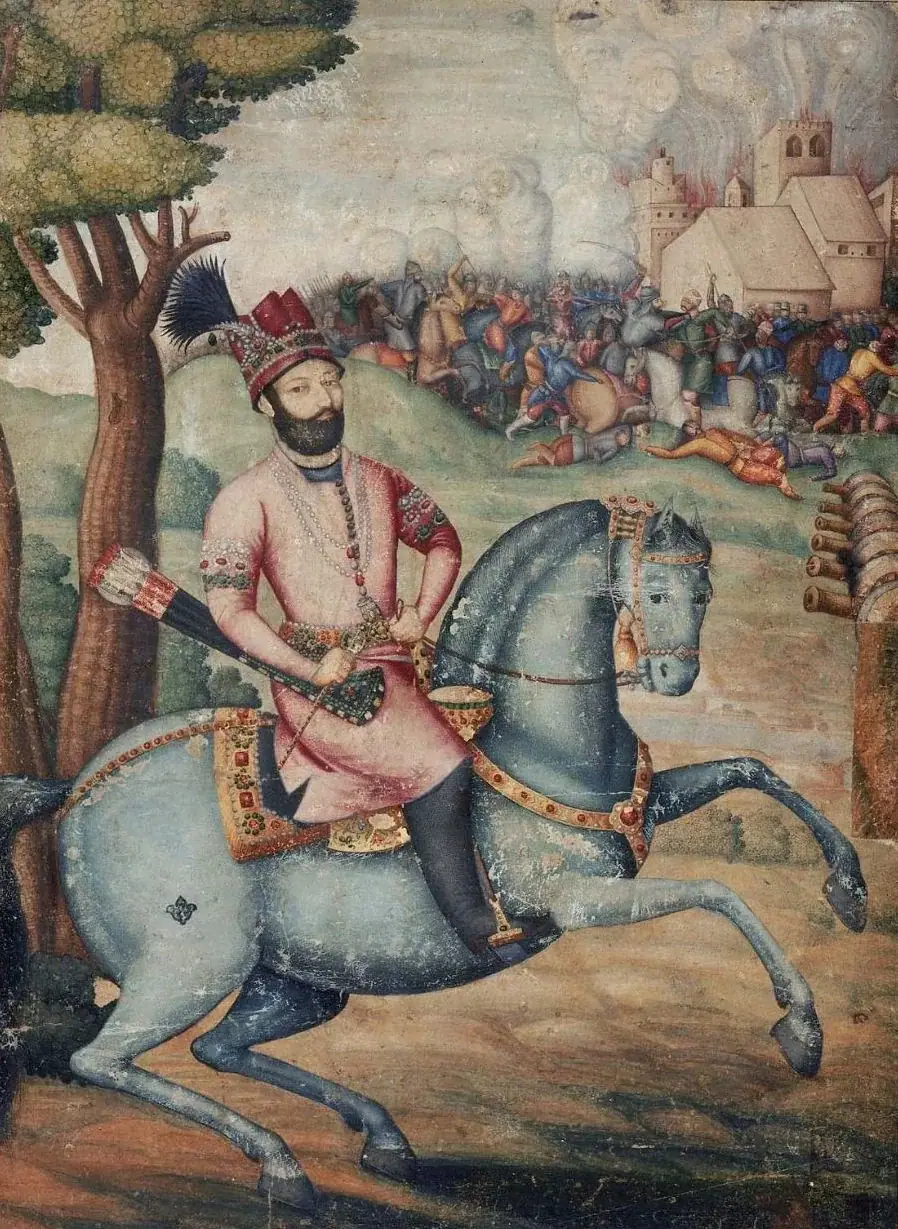
He reorganized the army, strengthened court finances and developed Isfahan. The other side of commercial prosperity and splendid architecture was the Caucasus wars, forced population transfers and the costs of concentrated royal power.
Reza Shah
Founder of the Pahlavi dynasty
He expanded the army, bureaucracy and education networks, and used coercion to suppress politics and local autonomy. The British-Soviet invasion of 1941 forced his abdication, and state building and social coercion should be assessed together.
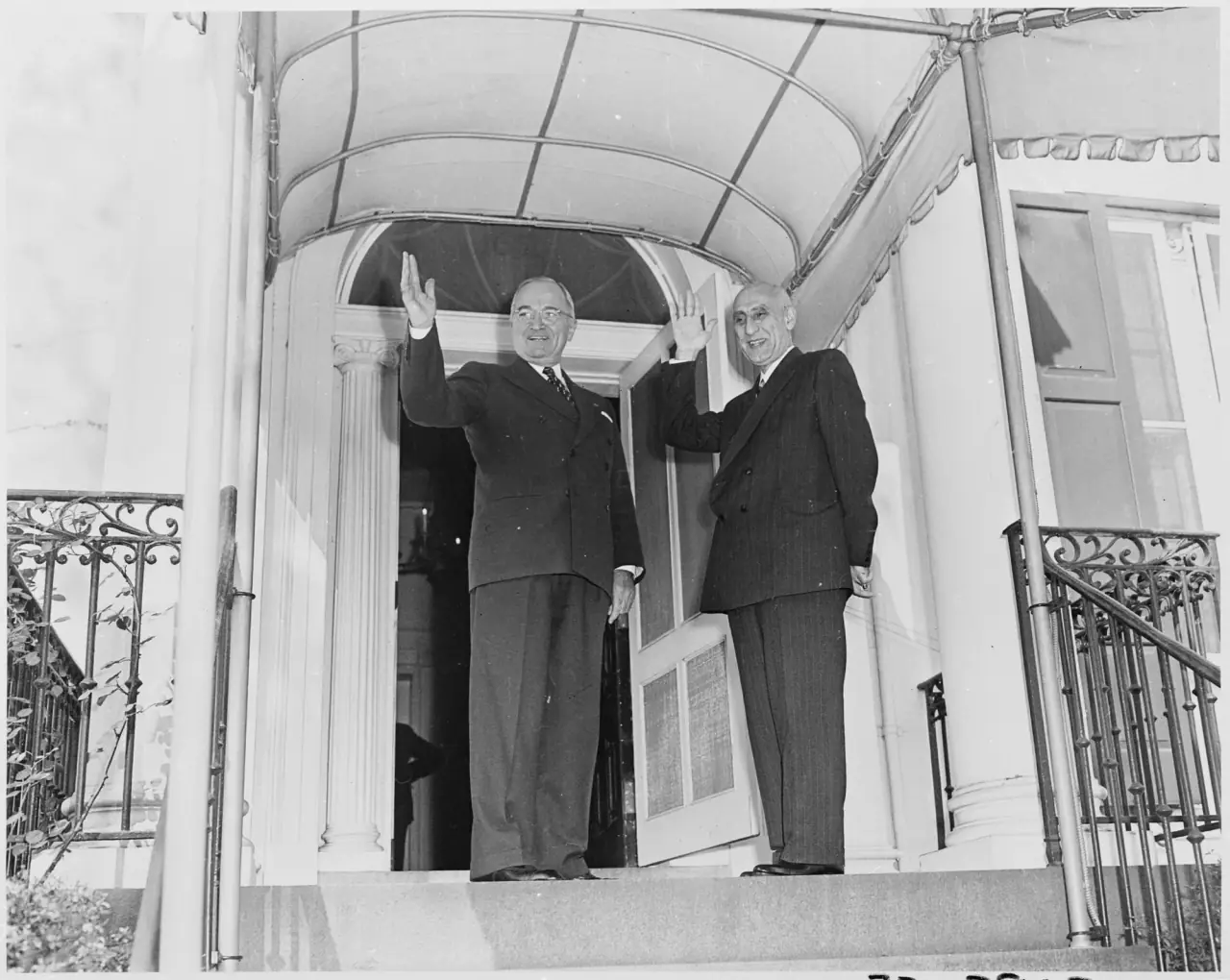
Mohammad Mosaddegh
Prime minister and leader of the oil nationalization movement
Appointed with parliamentary support, Mosaddegh advocated control over oil resources and came into conflict with the monarchy and Britain. The 1953 coup overthrew his government, and his political choices still need to be analyzed within the pressing domestic and international conditions.
Ruhollah Khomeini
Revolutionary leader and first Supreme Leader of the Republic
He became the core of the anti-Shah movement through religious networks and political mobilization, and promoted the guardianship of the jurist. The relationship between his authority and the revolution's diverse participants needs to be understood beyond individual biography.
Forugh Farrokhzad
Modern Persian poet and documentary filmmaker
She changed poetic language starting from female subjectivity, the body and everyday experience, and made The House Is Black. Her work shows cultural agency beyond state reform and cannot be replaced by sensational stories about her private life.
Labor groups in the Persepolis tablets
Men, women and families in court projects and supply networks
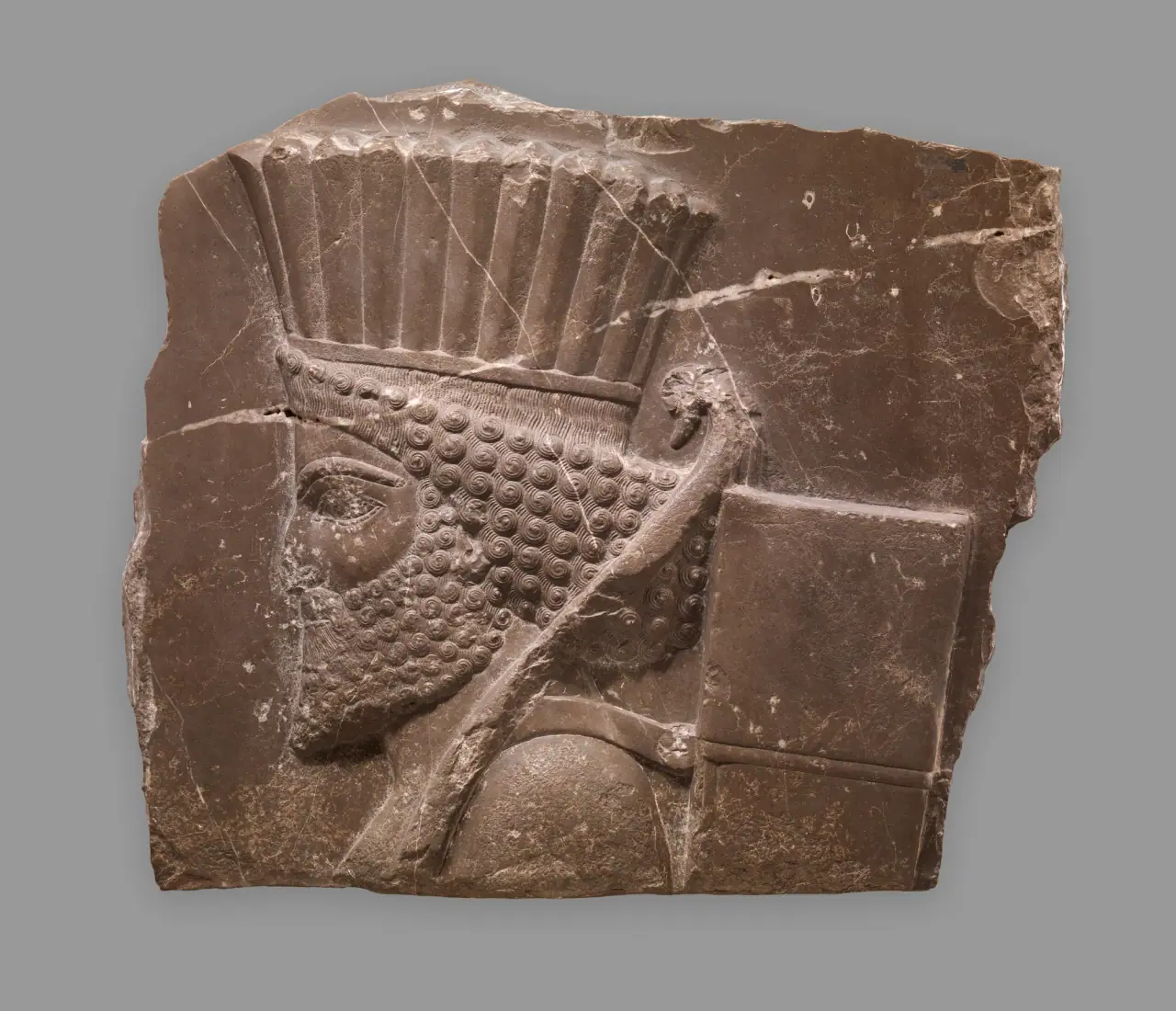
Ration tablets bring male and female labor groups, children and travelers into imperial history, showing how resources were registered, distributed and transported. They were not a single organization, and their circumstances cannot be presumed from rations alone to be free wage labor. Reading these records alongside royal reliefs reveals the concrete work on which grand projects depended, as well as household labor not fully preserved in the documents.
Nizam al-Mulk
Seljuk vizier and author of the Siyasatnama
He participated in coordinating the sultan, military commanders, taxation, and scholarly patronage, while the Book of Government turned governance experience into advice for the ruler. The text upholds the vizier, order, and legitimacy through historical stories, and also carries bias against heresy and court women. The normative rules in the book cannot be taken as a system actually implemented everywhere in the realm, and the 1086 commission must be kept separate from later additions.
Rashid al-Din
Ilkhanid civil official and organizer of cross-linguistic historiography
He linked fiscal governance, court patronage, and the intellectual project of the Jami' al-Tawarikh, bringing the histories and images of different regions into a single dynastic plan. Such cross-cultural collaboration expanded the knowable world, yet it depended on ruling resources and faced court power struggles. His works can be used to study how knowledge was organized; they are not a shared self-account of all inhabitants, and artistic achievement must not be used to offset the violence of conquest.
Karim Khan Zand
Zand ruler centered on Shiraz
He used titles such as vakil al-ra'aya (deputy of the subjects), and in Shiraz he managed markets, public buildings, and local alliances; later generations often commemorated him with an ideal of relatively lenient rule. Restoring urban life had real effects, but this does not mean every region enjoyed the same stability, nor was it a modern elected representative system. The succession crisis reminds us that personal reputation and long-term organizational power remain distinct questions.
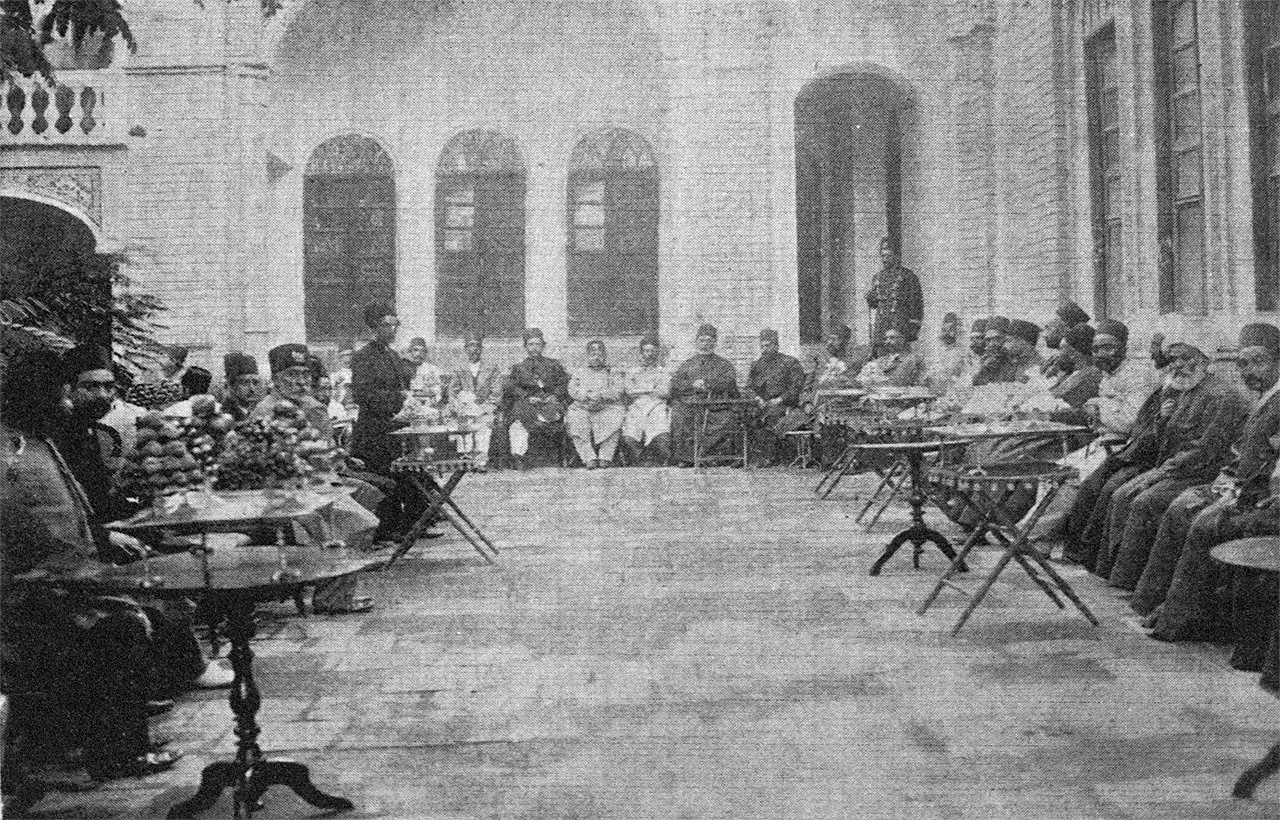
Women educators and writers of the constitutional period
A group that expanded public action beyond formal electoral exclusion
Through schools, articles, associations, fundraising, and support, they participated in politics and education, acting beyond the boundary of whether the law recognized their electoral eligibility. Members came from different families and intellectual backgrounds and were not a single unified women's camp. The better-preserved urban records also cannot represent rural areas and all classes; participation against royal power does not mean they all held the same positions on religion, family, or economic policy.
Mehdi Bazargan
Prime Minister of the 1979 interim government
He tried to organize the post-revolutionary state through administrative, legal, and governmental institutions, while facing the overlapping powers of Khomeini, the Revolutionary Committees, and the new armed organizations. The interim government resigned during the hostage crisis, showing that the anti-Shah coalition had not formed a single institutional program. His relatively moderate personal stance cannot by itself explain the outcome; it must be studied together with the resources, organization, and social support he could control.
Sardasht survivors and caregiving families
Long-term victims, caregivers, and public advocates of the chemical weapons attack
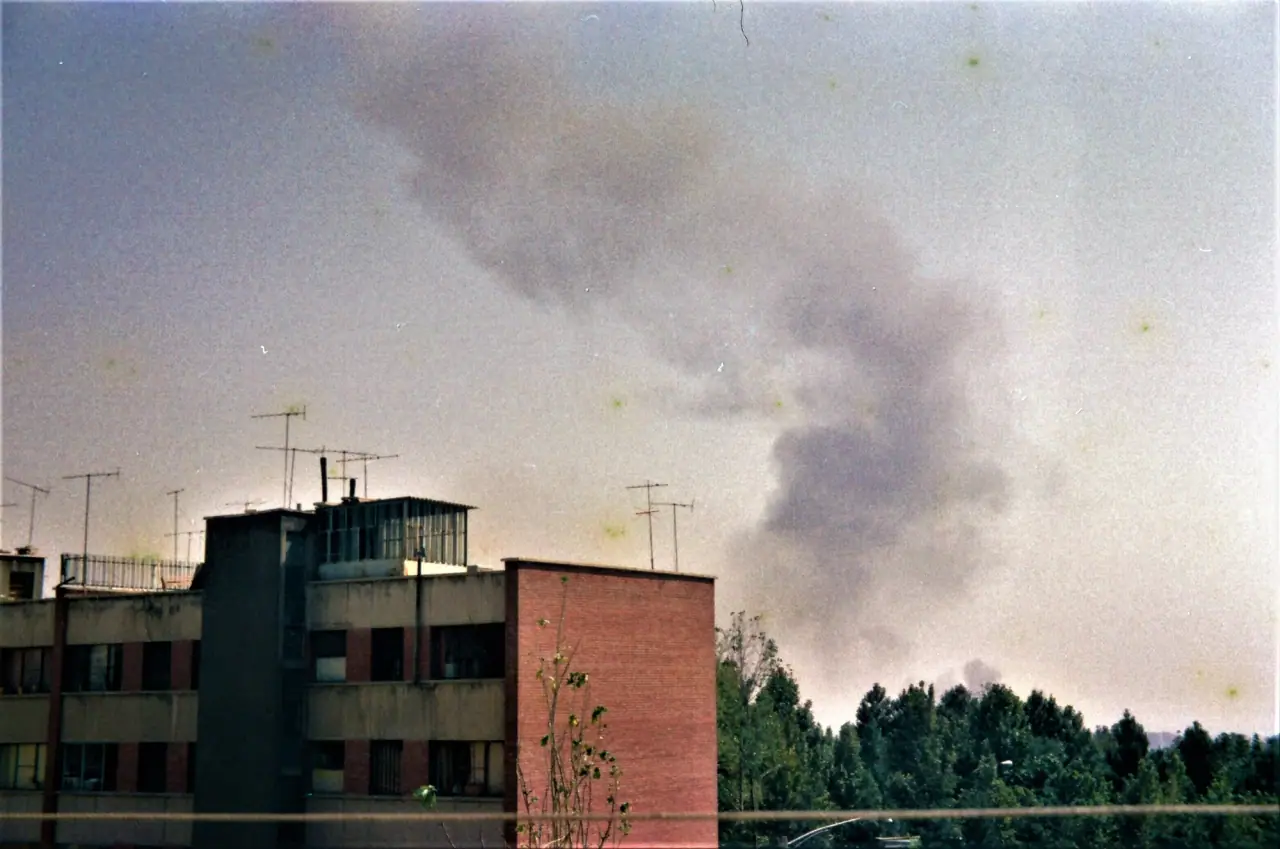
After the chemical weapons attack, civilians faced long-term respiratory and other injuries, with medical care, income, and family caregiving continuing beyond the ceasefire. Survivor groups spoke at international chemical weapons ban forums, showing that they also actively preserved memory and sought support. Age, health, and resources differ within the group; commemorative photographs or one spokesperson's experience cannot substitute for the specific circumstances of every family.
Shirin Ebadi
Human rights lawyer and public advocate
She engaged with issues of women's, children's, and citizens' rights through legal work and public advocacy, and the 2003 award brought these issues international attention. External recognition does not mean domestic institutions changed accordingly, and lawyers, affected families, and journalists still faced their own constraints. Her actions offer agency beyond the state and political parties, and cannot be taken as the common opinion of all Iranian women.
Mohammad Khatami
Presidential candidate and president of reform politics and public dialogue
He mobilized voters with calls for the rule of law, civil society, and dialogue; during his tenure newspapers and public discussion expanded, yet he was constrained by supervisory, judicial, and security institutions and by factional divisions. Electoral victory is not direct control over all state power, and the setbacks of reform cannot erase the actions of journalists, organizations, and ordinary residents. Evaluating his politics requires examining advocacy, implementation capacity, and actual consequences together.
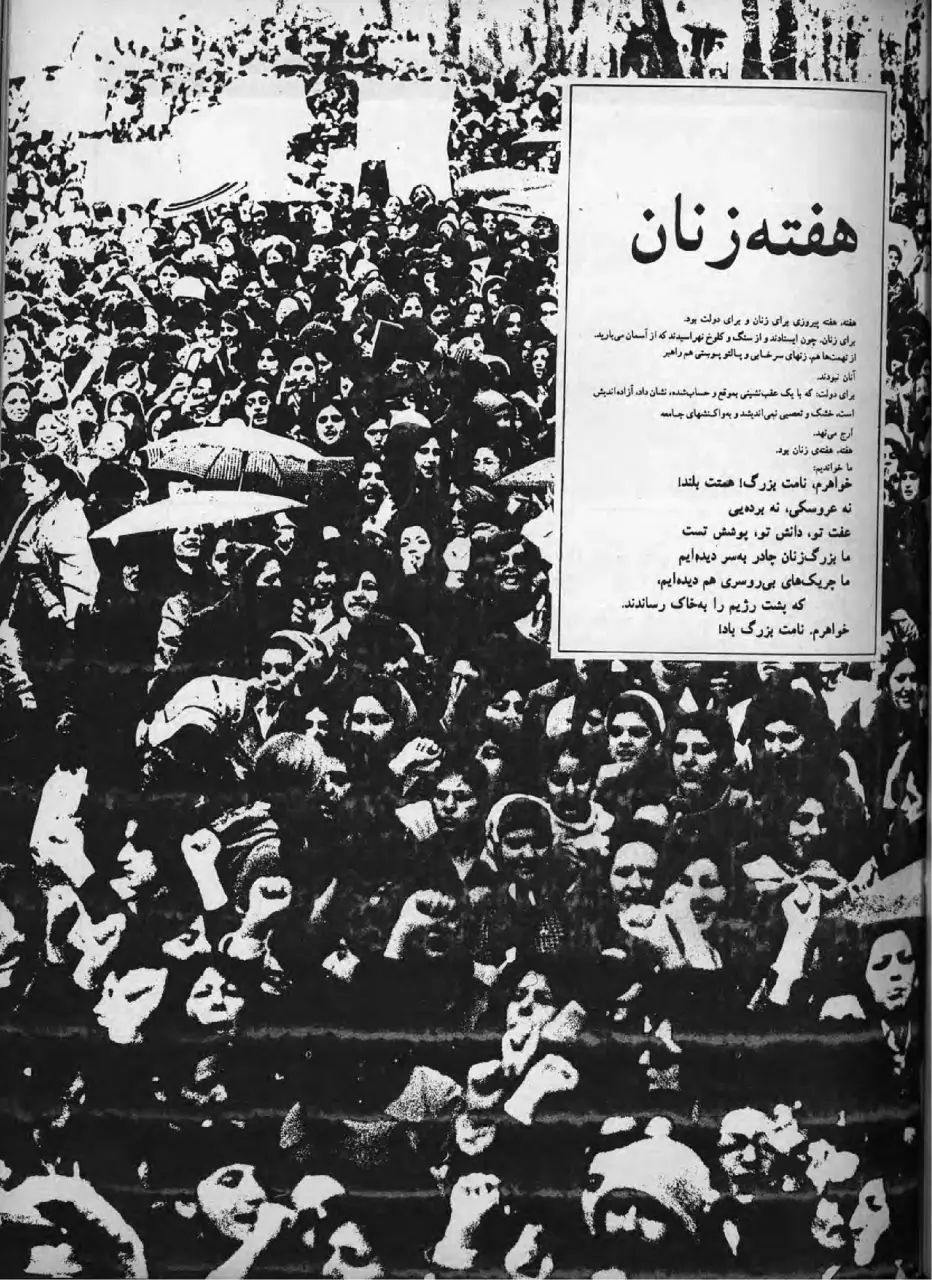
Jina Mahsa Amini
Kurdish woman whose death after detention in 2022 triggered widespread protests
She died on September 16 after being detained by the morality police, and her family's experience and the issue of bodily autonomy became a focus of national and transnational attention. In 2024 a United Nations fact-finding mission concluded that physical violence in custody caused her death, and it explained its evidentiary standards and access restrictions. This is an attributed investigative conclusion and should not be passed off as a final criminal judgment; her Kurdish background and family should not disappear into an abstract symbol of a movement.
04 / THE VISUAL ARCHIVE
Let the sources speak.
From an object's patterns to a street photograph, enlarge an image to find clues beyond frames and words. Every image retains its creator, date, source and license.
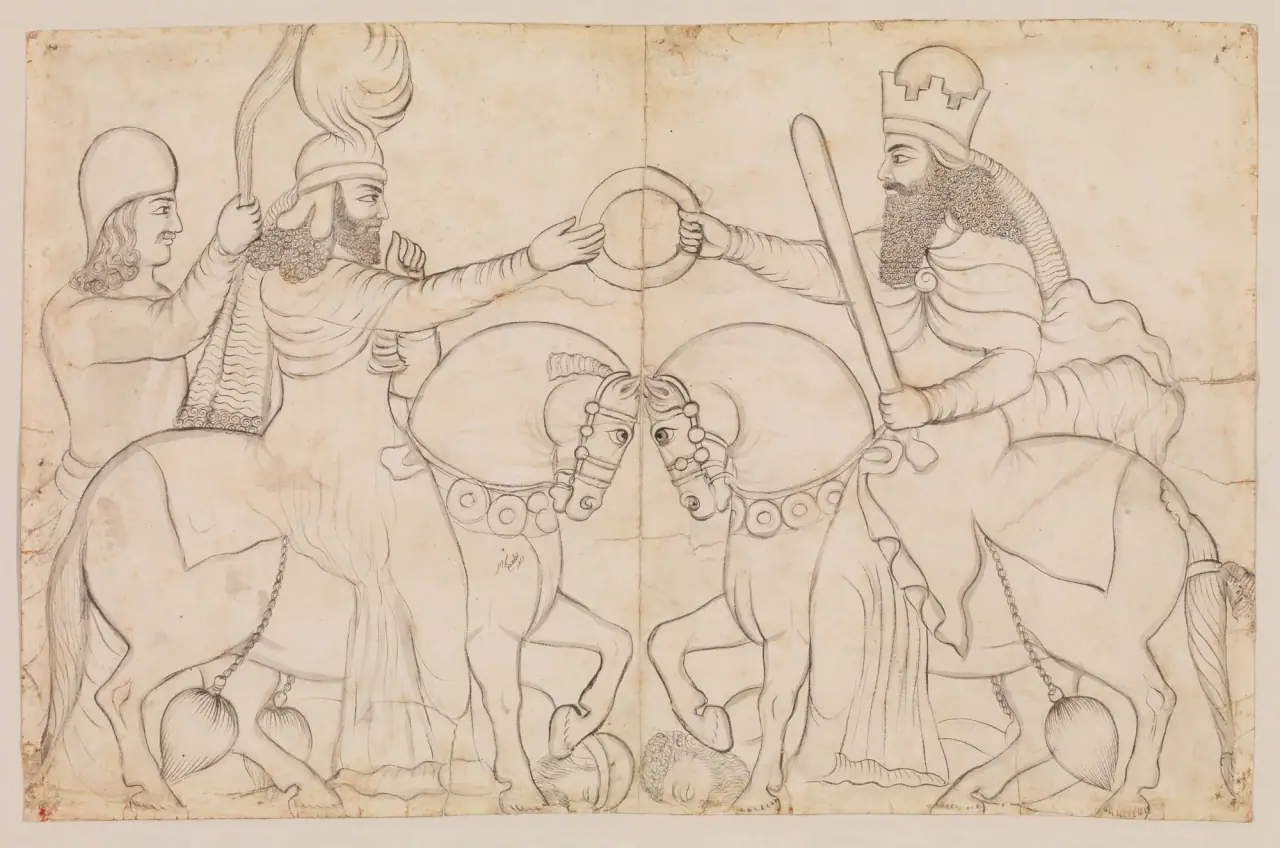
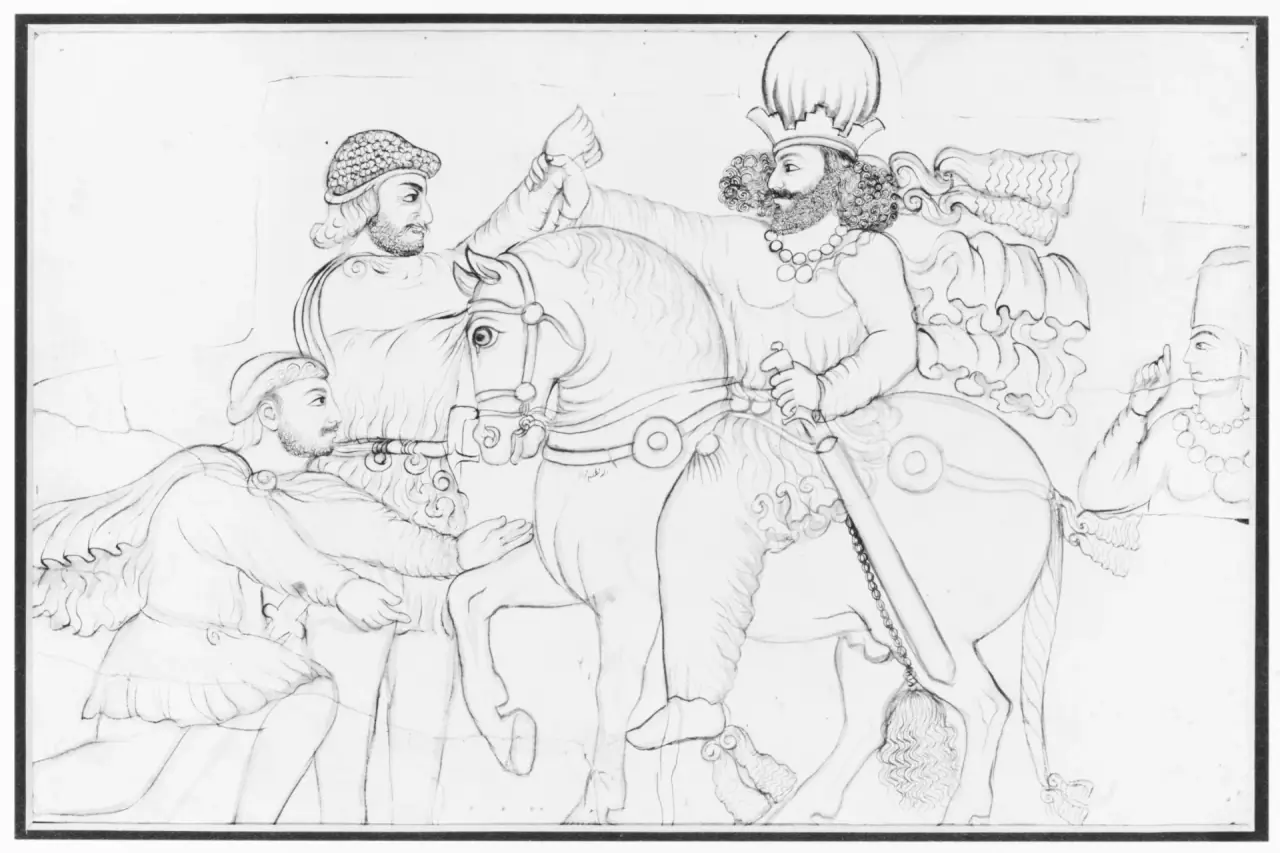
An 1812 drawing of the relief of Ardashir's investiture Drawing made in 1812; depicts a third-century CE Sasanian reliefAn 1812 drawing of the relief of Shapur I and a Roman emperor Drawing made in 1812; depicts a third-century CE Sasanian relief
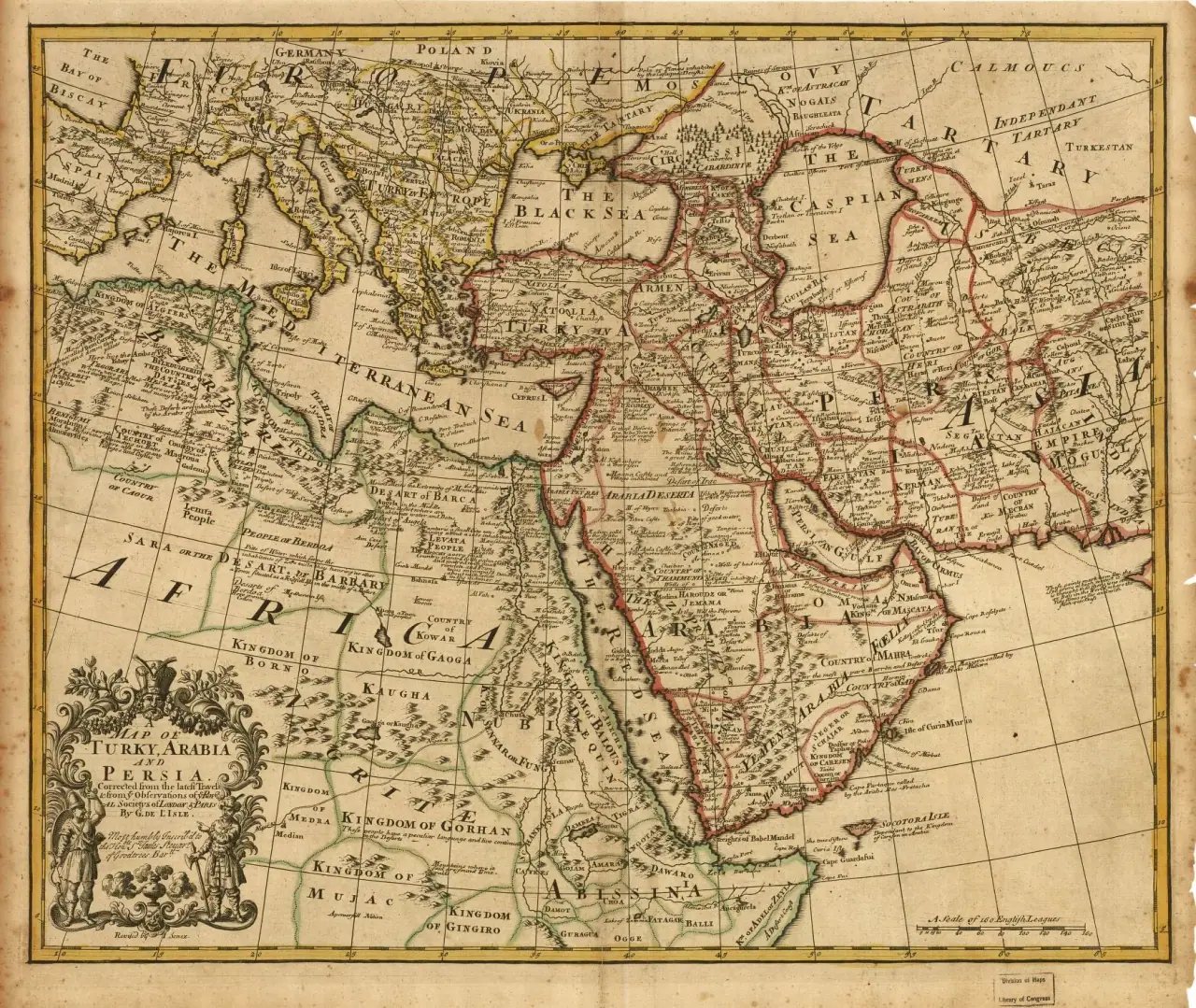
Two rounds of Russo-Iranian wars and the treaties of 1813 and 1828 cost the Qajars control over many parts of the Caucasus. The experiences of local societies such as Armenians and Azerbaijanis should be traced, rather than drawing only arrows of rivalry between two states.
From Oil and Coup to Revolution and Hostage Crisis
Oil nationalization, Anglo-American involvement in the 1953 coup, cooperation between the monarchy and the United States, and the 1979 revolution and embassy hostage crisis repeatedly transformed the relationship. State decisions and social attitudes were not uniform, nor can they be summed up by a single inevitably hostile timeline.
These materials support this page's account. Check the purpose, perspective and accessible scope of each source. Notes identify the evidential limits of excerpts, summaries and timelines.
The 2013 original documents and editor's notes must be read together with the 2017 FRUS, and the old status that had not yet been published at the time should not be carried over.
Read the text of Resolution 598 in the United Nations public 2-page compilation: adopted on July 20, 1987, it called for a ceasefire, withdrawal, observers, and the return of prisoners of war; the date of adoption must be kept separate from the actual ceasefire of August 20, 1988.
Specialist entry on the war; its opening conflates acceptance of the resolution with the end, so this article's actual ceasefire date is corrected to the United Nations record and does not follow its claim of ending on July 20.
The official index verifies the ceasefire of 20 August 1988; direct reading of the old page was limited in this instance, and no claim is made that a complete web capture succeeded.
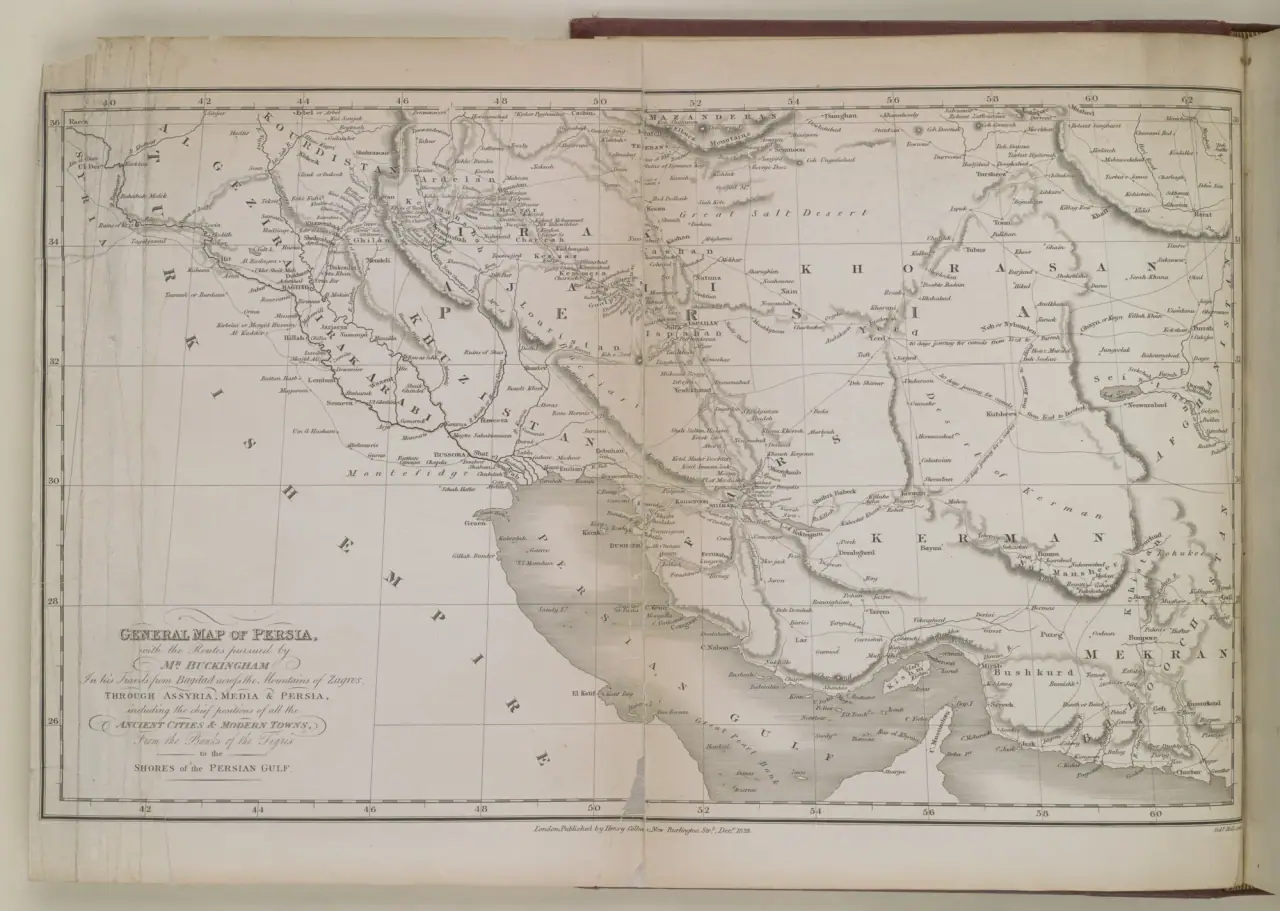
The official LOC full-text OCR was obtained, and body paragraphs on history, women, education, and government politics were read; this was not merely reading the table of contents or a summary, nor is any claim made of having read all 416 scans. The study has limitations of period and national-studies framework; errors in the history chapter such as Chaldiran 1524 and Gulistan 1812 are not carried over, and 1514 and 1813 are adopted respectively per specialized research; the internal discrepancy in the history and education chapters over Tehran University 1935/1934 is likewise not copied directly.
Memorandum of conversation of 6 June 1953; the public text concerns operational arrangements involving the Shah, the military, propaganda, religion, and local partners, retaining redactions and the perspective of the agency involved, and no identities are invented for redacted code names.
Public body paragraphs 1–7 have been read: they report on preparations for the 19th demonstration, arson, military vehicles, radio, and subsequent military leadership, directly supporting actual participation; this is an operational-side report with redactions, and it does not independently quantify the causal weight of each Iranian group or of all external actions.
The complete editor's note has been read; no formal record of the 25 June meeting alleged in the memoir was found, and no written presidential authorization was found; the cited operational chronology records Anglo-American diplomatic authorization on 11 July and a handwritten presidential approval note. The absence of sources is kept separate from existing operational evidence, and no presidential signed document is fabricated.
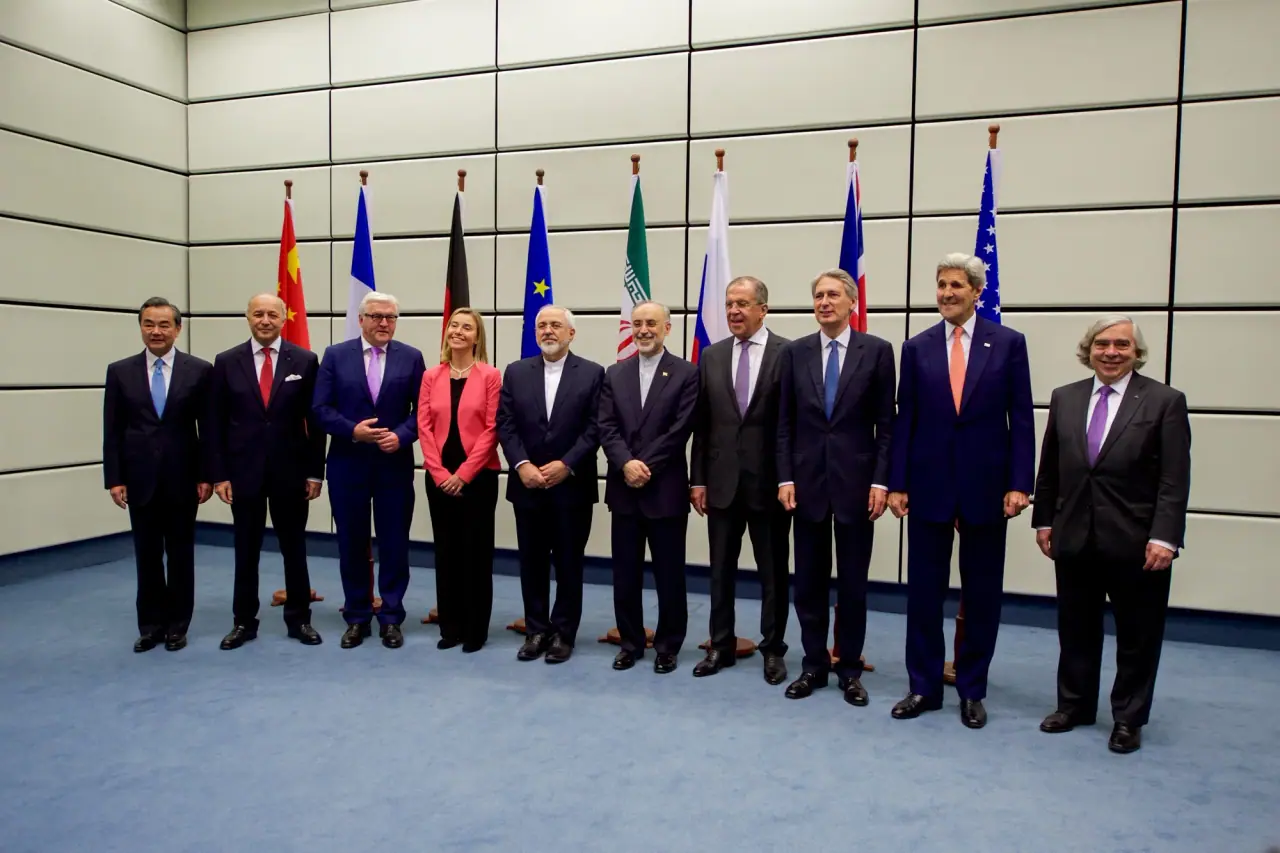
The original 104-page document was actually opened, and the relevant body text of the 20 July 2015 resolution, the JCPOA arrangements, and the implementation framework was checked; no claim is made of having read every technical annex page by page. Signing, adoption of the resolution, implementation, and subsequent verification are not the same point in time.
A 12-page report declassified on 19 and 21 November 2024; the body text on background, verification limits, and conclusions has been read. The 2016 implementation day, the 2019 step-by-step suspension of commitments, and post-2021 verification limits are listed separately; estimates, verified quantities, and gaps in continuity of knowledge must not be conflated; the report is not used to assert that a nuclear weapon has been built or to state the 2026 status.
The formal U.S. decision of 8 May 2018 to cease participation and restore relevant sanctions was checked; the document's evaluative wording is the position of the government concerned and is not taken directly as an independent factual conclusion about Iran's nuclear activities or the agreement's effects.
The original 20-page UN report with the same symbol was downloaded and extracted, and pages 2–5 and 16–20 were read for methodology, Amini's death, protests, digital space, and conclusions, not merely the summary. Direct reading of the same-symbol PDF from the official digital library failed; the reading channel was a public document copy on ecoi, and no claim is made of comparing hashes with the official copy. The reasonable grounds standard, access restrictions, and the distinction between investigation conclusions and final judicial rulings are retained.
The 52-page report was downloaded and its text extracted, and PDF pages 13–15 (executive overview) and relevant economic body paragraphs were actually read; no claim is made of having read the entire book. Iran's 2023/24 fiscal year, historical estimates, and projections after 2024/25 are distinguished; the body text uses only structures with clearly defined scope and reported results, and projections are not written as events that have occurred by 2026.
Report of 23 September 2009; paragraphs 17–21 were actually checked via the official body-text index, distinguishing government-announced results, UN concerns, protests, and detentions. The direct PDF returned 403 and the old NSF entry returned 404, so no claim is made of having obtained the full text; the current official English PDF address is used and access limitations are recorded, and the summary is not passed off as the full text.
Paragraphs 5–7 on the November 2019 fuel price increase, protests, and crackdown were checked via the official body-text index; direct PDF capture failed, and no claim is made of having read the full text. Casualty and detention figures are quoted from other reports and have definitional limits; this draft does not combine them into a precise total.
The public text confirms construction began in 1927, was completed in 1938, and crossed mountainous terrain; the heritage-value assessment serves a nomination purpose and cannot by itself prove voluntary construction, household tax burdens, or nationwide welfare. The webpage and nomination materials do not automatically license all images therein.
The Assistant Secretary-General's briefing and related paragraphs in the meeting news were read, checking the October 2024 escalation of direct strikes between Iran and Israel; allegations in states' statements remain attributed and are not treated as independent investigation conclusions. The date wording of the 25th in the introduction and the early hours of the 26th in the briefing sometimes differs by time zone/level; the body text uses the month rather than inventing a unified time conversion.
Pezeshkian's inauguration background and the briefing at the time on 2024 regional tensions were checked; this is used only for the already-established change of office and meeting context, and not all allegations by speakers about responsibility for attacks are automatically treated as adjudicated fact.
The briefing at the time, as of December 2024, that resuming compliance with the nuclear agreement remained at an impasse was checked; expressions about 2025 terms and the future are arrangements or expectations at that time and are not automatically rewritten in this text as subsequently occurring facts.
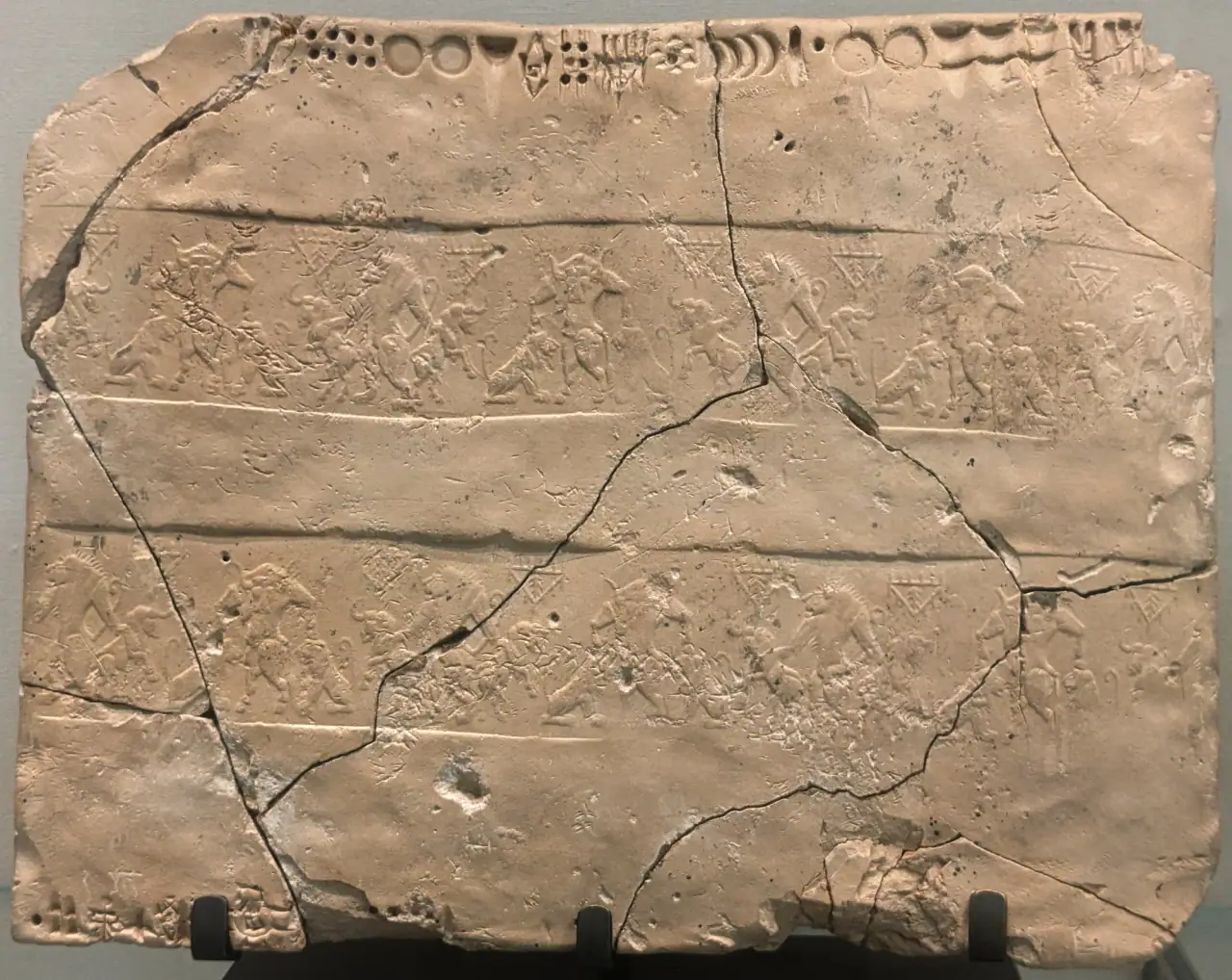
The original museum's complete object fields were actually checked: the extant tablet is tentatively dated to the 3rd–2nd century BCE, while the events it records are in the 6th century BCE; the object, the narrative era, and modern photography are distinguished. This catalog field differs from the approximately 529 BC label on the Livius photo page; the production dating follows the original museum, and no open license for the museum's photography is inferred from the ancient object.
The relevant columns of the translation and the notes on lacunae have been read; the third column distinguishes the battle/killing at Opis, the entry into Babylon without battle, and Cyrus's later entry into the city, while the lacuna in the place name for 547 in the second column is not forced to mean Lydia. Translation and later commentary are kept in separate layers; the object's production date is listed separately per the BM original museum's tentative 3rd–2nd century BCE.
The substantive body paragraphs on Chaldiran in 1514 and Hormuz in 1622 were checked; only the diplomatic, commercial, and conflict processes that have been cross-read are used, and travelers' titles or misremembered royal names are not treated as an accurate chronology.
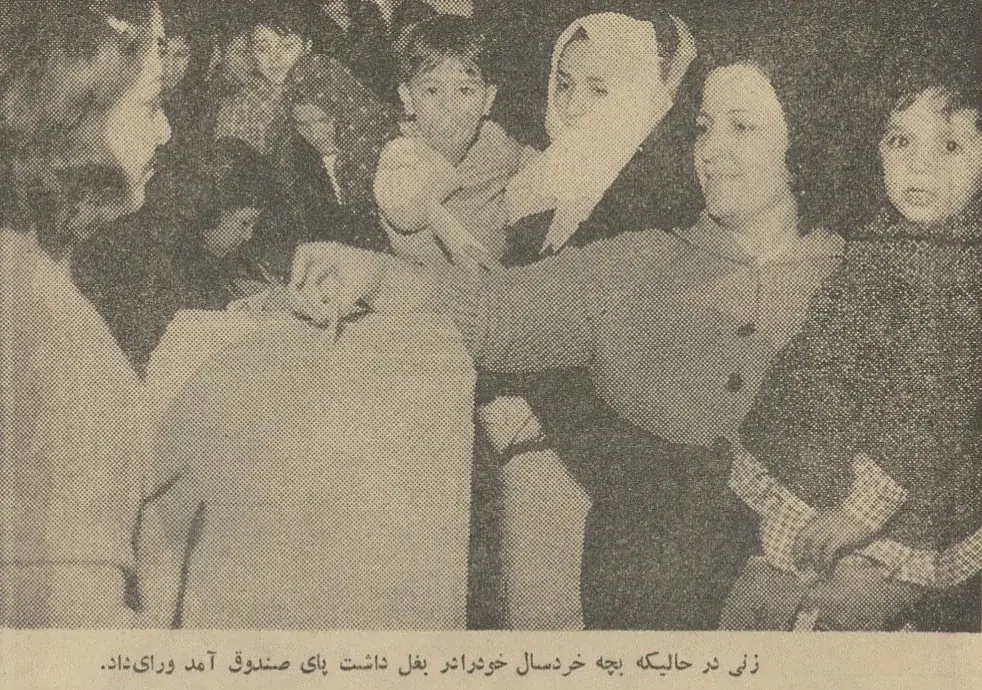
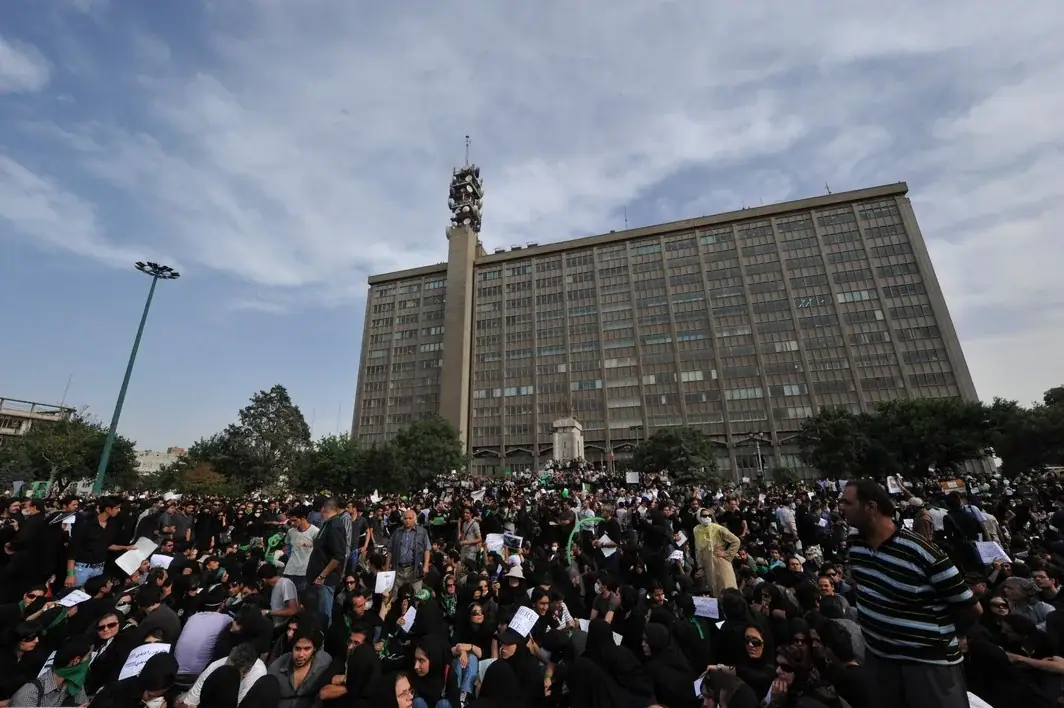
The original photographer's own work statement, date, and original license statement have been read; the photograph supports only the specific voting act and does not verify national vote counting, procedural fairness, or candidate eligibility. Image citation, download, and whether it is ultimately used are decided by independent image review; citing a source does not automatically equal approval of the asset.
The original institutional statement confirms the award was given to Amini and the Woman, Life, Freedom movement; it is used only for the European Parliament's action and wording at the time, and external solidarity is not allowed to substitute for all the demands of residents of Iran. The photography license is reviewed separately, and institutional views are not directly transferred as this museum's unattributed conclusions.