Hellenistic and Parthian: Multiple Traditions Coexisting
How did Hellenistic cities and Iranian nobles together shape politics?
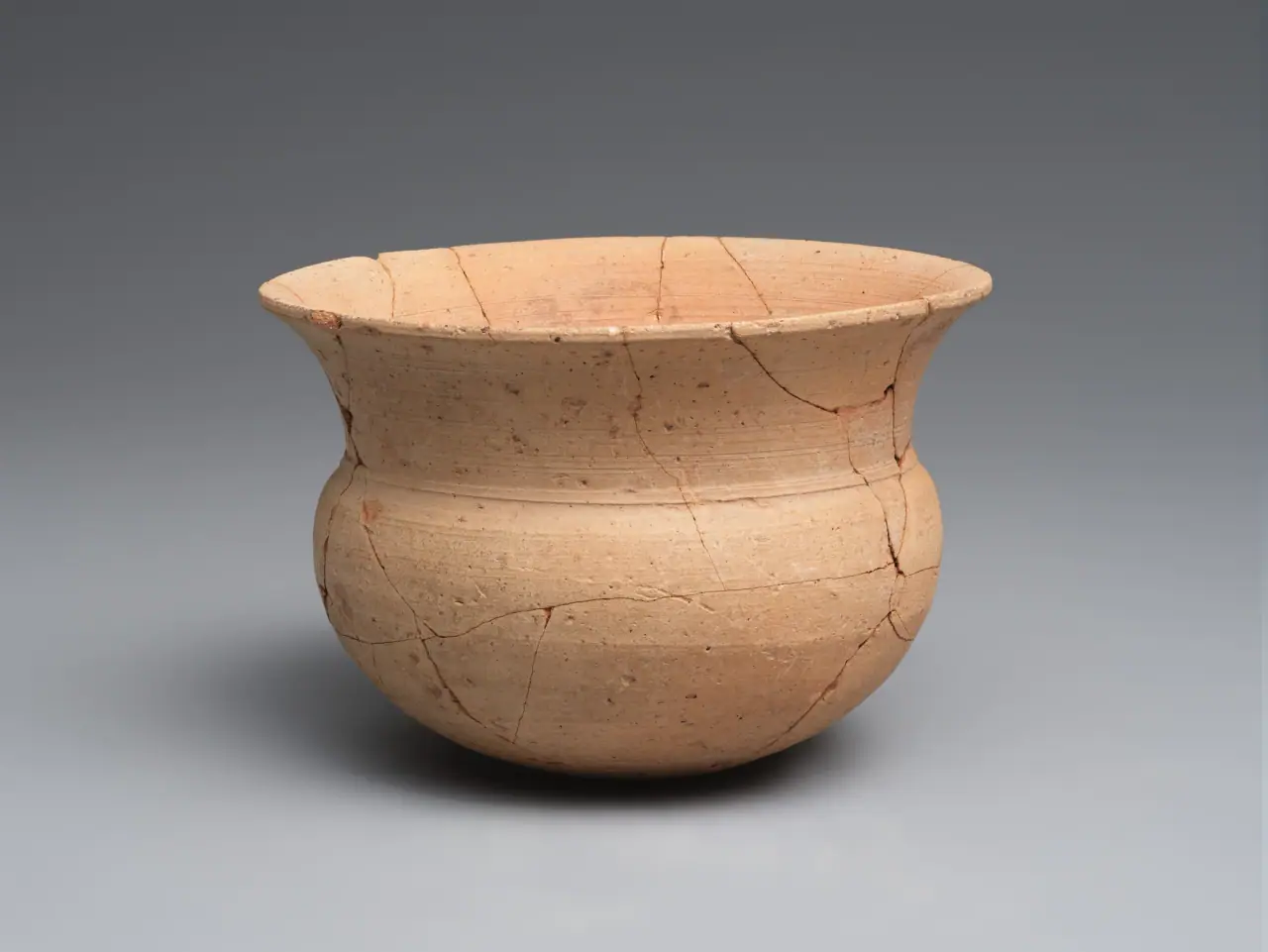
A coin that uses both Greek script and symbols of kingship suggests that after conquest, only one culture did not remain. After Alexander's death, the Seleucid dynasty maintained western Asia through cities, garrisons, eras, and coinage, while the Arsacid family expanded rule from the northeast, forming what was later called the Parthian or Arsacid Empire. Local nobles, kingdoms, and cities retained power within the royal network, and trade routes connected Mesopotamia, the plateau, and Central Asia. Wars with Rome were conspicuous, but rural production, religious communities, and the coexistence of Greek and Iranian traditions were equally important. Hellenization cannot be explained as the wholesale replacement of inhabitants, nor was Parthia a closed world without contact with its neighbors.
01 / 330 BCE–224 CEHow this era began
The Achaemenid dynasty left behind cities, roads, and various local institutions, and Alexander's conquest redistributed control over them. Soldiers and administrators from different regions entered old centers, while local inhabitants still had their own land, temples, and family relations. So-called Hellenization was political and cultural change occurring within an existing society; the names of foreign rulers cannot be taken as evidence that the entire population had changed language.
Why did this era begin?
The wars of succession after 323 BCE split the empire, and the Seleucids gradually gained an important part of western Asia. Garrison cities, coinage, and eras provided new links of rule, while local forces also continually gained space. The rise of the Arsacid family later used 247 BCE as the starting point of an era, but actual territorial seizure was a process spanning years; era, founding legend, and consolidated rule should not be merged into a single day.
02 / 330 BCE–224 CEWho held power
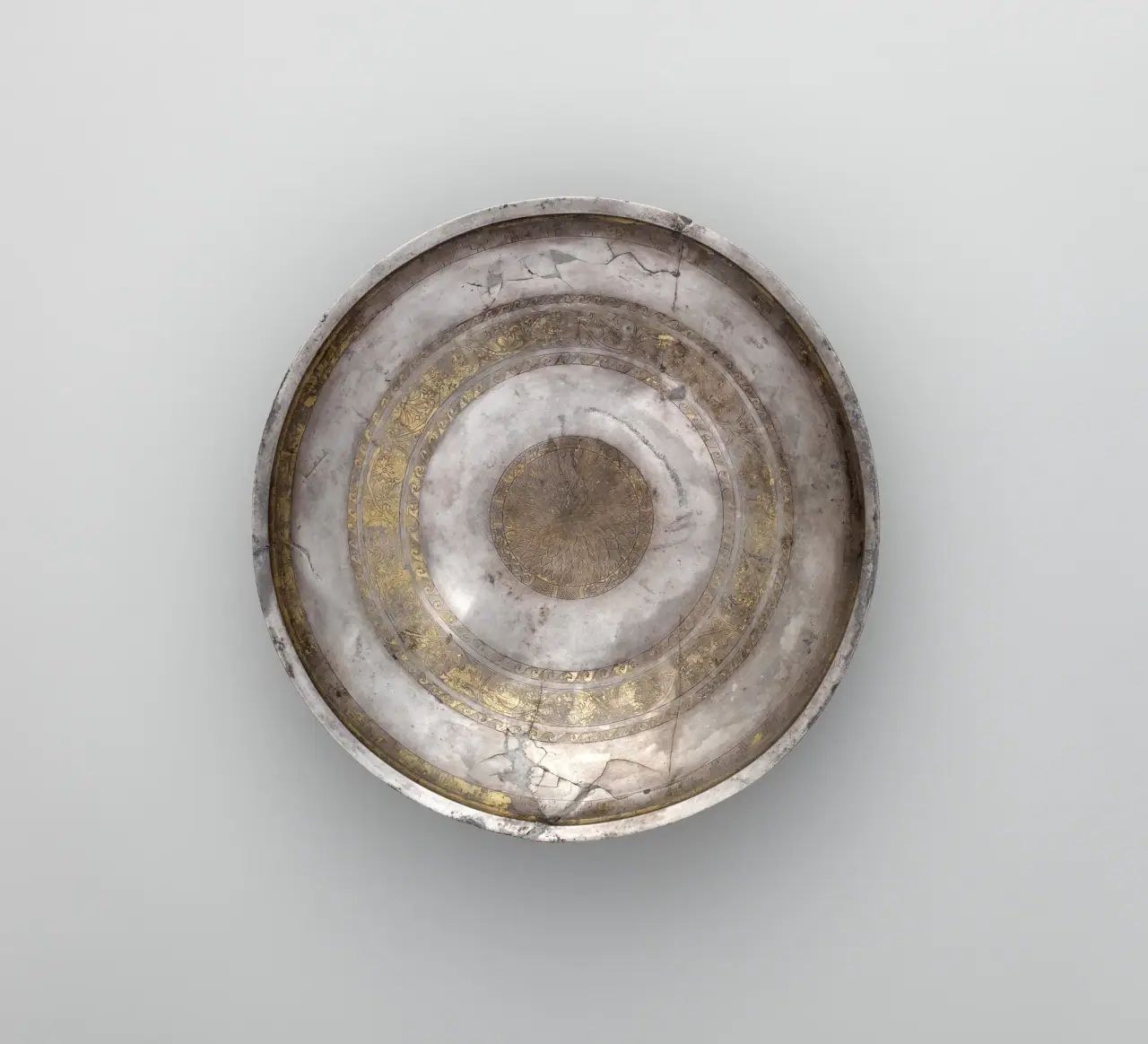
The Parthian King of Kings had to cooperate with noble families, local rulers, and cities; the court was not a single center able to dispose of all localities at will. Succession struggles often involved these supporters, and frontier forces could also turn to Rome or other partners. More dispersed power could increase adaptability, but it also made the throne and resource distribution more prone to conflict; it cannot simply be equated with permanently low state capacity.
What tensions existed within the era?
Rome and Parthia competed for influence in Armenia, Mesopotamia, and border kingdoms, and local rulers often made their own choices. The Battle of Carrhae in 53 BCE demonstrated the power of cavalry tactics, but it did not end the long rivalry. Succession crises, noble relations, and the eastern frontier also affected royal resources; using only wars with Rome to organize this entire period would make many regions and social issues within the empire disappear.
03 / 330 BCE–224 CEHow society worked
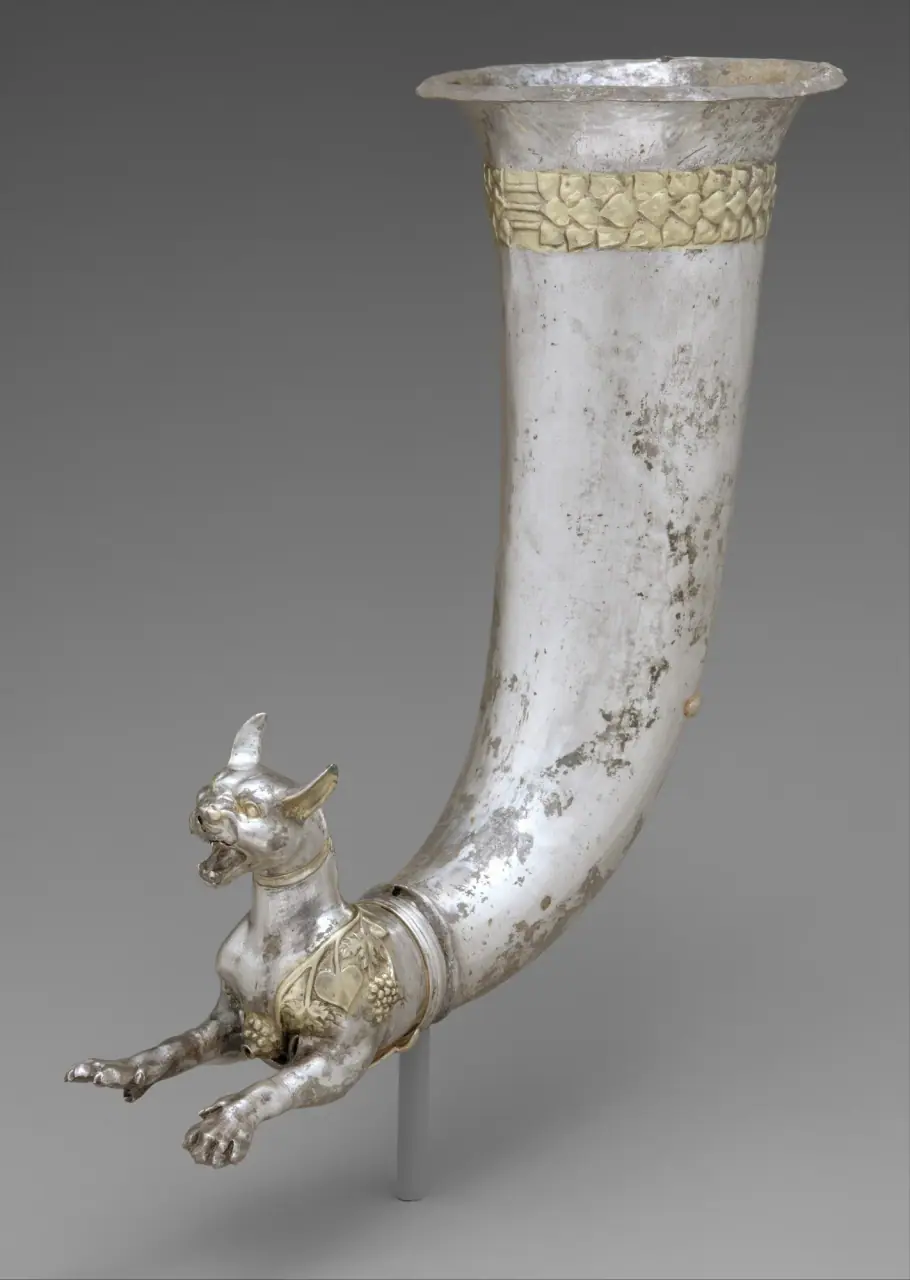
Mesopotamian agriculture, highland pastoralism, and interregional trade together formed livelihoods, and urban minting shows the importance of monetary exchange. Merchants could connect the Mediterranean, Central Asia, and farther regions, but goods were often passed through multiple segments of a network; not everyone traveled a complete Silk Road. Fine imported goods show some connections, but the excavation of a single object cannot be used to infer that most residents of a village participated in long-distance trade.
How did ordinary people live?
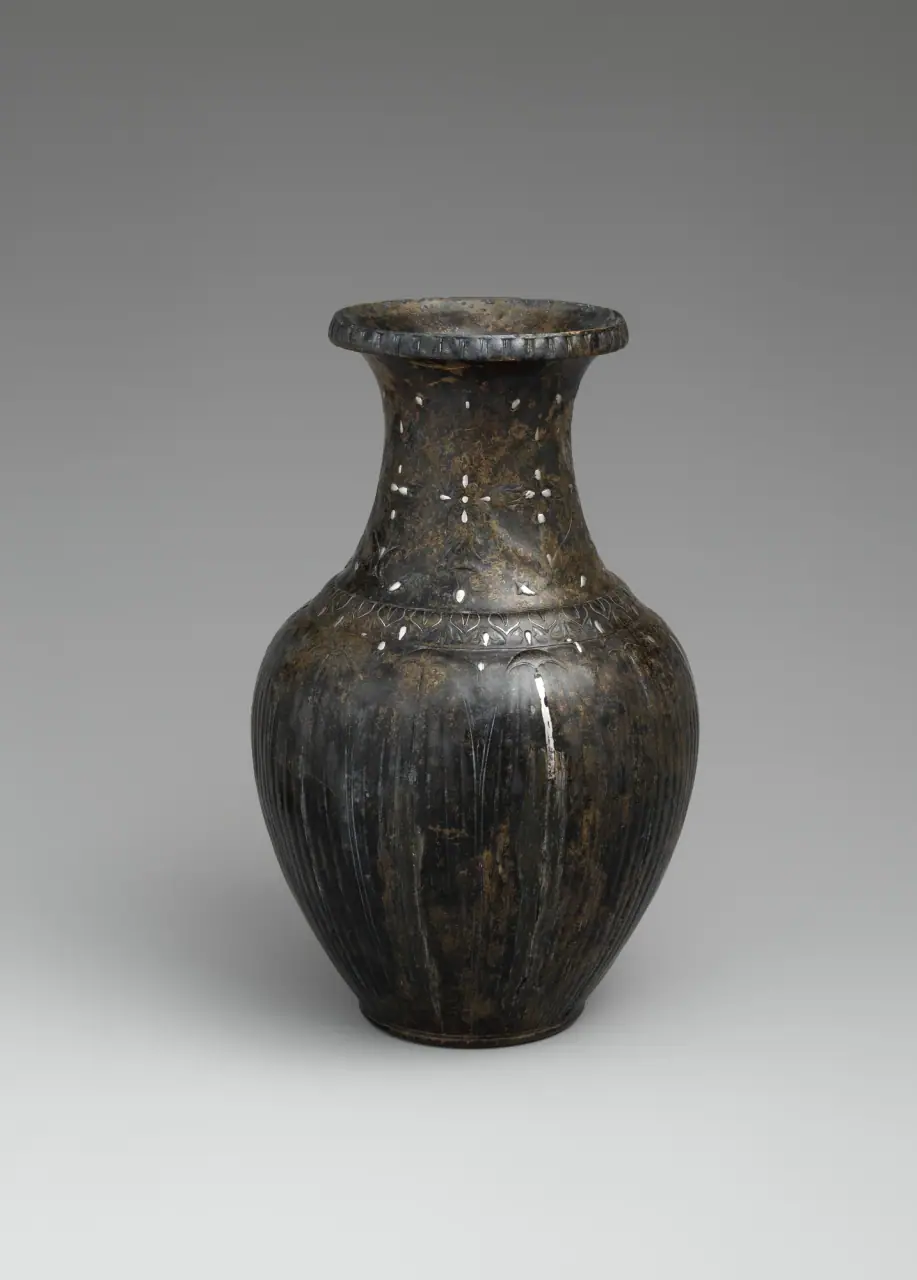
Temples, towns, and villages used different languages and religious traditions, and household production did not change immediately when a dynasty changed its name. Burials, vessels, sculpture, and jewelry present different choices of dress and identity, while royal coins lean more toward elite images. Fewer textual records make ordinary people's voices especially hard to recover, and Greek imagery and Iranian symbols on the same object cannot directly determine which ethnic group its owner belonged to.
04 / 330 BCE–224 CEWhere change began
In the early third century, Sasanian power in Fars expanded, and Ardashir defeated Arsacid kingship in 224 and founded a new dynasty. Royal titles, religious patronage, and court imagery were adjusted accordingly, but local families, artistic forms, and several governing practices continued into the Sasanian system. A political victory was not the elimination of all social relations of the previous dynasty, and the new dynasty also selectively claimed to have restored older traditions.
Milestones that changed direction
Wars of succession
After Alexander's death, generals contended for western Asia, and local elites and garrisons chose new partners. Wars of political succession do not mean that the life of existing cities and families was completely interrupted in the same year.
Seleucid era
Seleucus's return to Babylon became the starting point of later dynastic chronology. Chronology provides a common language of time, but actual rule and local cooperation still had to be built up gradually through subsequent wars.
Starting point of the Arsacid era
Arsacid family tradition uses this as the starting point of the Arsacid era, but the early rise was a complex process. The era cannot be equated with already controlling all later territories on that day or with all institutions being completed at once.
Entry into Mesopotamia
Mithridates I expanded into Mesopotamia, giving the Arsacids more agricultural, urban, and transport resources. The new territories still required local cooperation, not merely an additional title on royal coins.
Roman eastward advance checked
The Battle of Carrhae severely damaged the Roman army, and Arsacid cavalry and tactics changed the conditions of negotiation between the two sides. A single battle did not end the long competition in the western borderlands, nor can it represent the daily life of the entire empire.
A new dynastic center
Sasanian power defeated Arsacid kingship, and the political resources of Fars rose. The dynastic change adjusted military and religious expression, while local families, crafts, and some governing experience continued to exist.
What we know
Coins, inscriptions, archaeological sites, and objects are important entry points for studying the Arsacids, while Greco-Roman authors mostly focused on war and the court. Royal names can help with dating, but imagery borrows from earlier forms and cannot by itself identify ethnic groups. Uneven preservation of materials also makes local differences hard to compare; the western cities with more sources cannot automatically represent life on the plateau, in the northeastern borderlands, and among mobile pastoralists.
Questions still debated
The origins of the Arsacid family, the early chronology, and the actual extent of local power remain debated. Calling the Arsacids a feudal state may obscure their differences from European institutions, and calling them a Hellenistic reaction would exaggerate cultural rupture. A more reliable approach is to observe item by item how coins, administration, and art used different traditions, rather than assuming in advance a story in which one pure ethnic culture necessarily replaced another.
Legacies for later generations
Frontal figures, royal ritual, and polycentric governance left long-term effects, and the Arsacids were also repositioned in later dynastic memory. The combined use of Greek and Iranian elements shows that cultural choice did not have only two outcomes, acceptance or resistance. Later histories describe the Arsacids rather briefly, which does not mean that their social experience around five hundred years was merely a blank interval between two famous empires.
References and evidence
These materials support this page's account. Check the purpose, perspective and accessible scope of each source. Notes identify the evidential limits of excerpts, summaries and timelines.
- SELEUCID EMPIREEncyclopaedia Iranica / Rolf Strootman · Academic research
Political and cultural continuity; records east of the Zagros remain sparse.
- The Parthian Empire (247 B.C.–224 A.D.)The Metropolitan Museum of Art · Museum research
Coinage, trade, and Greek Near Eastern visual traditions.
- The Sasanian Empire (224–651 A.D.)The Metropolitan Museum of Art · Museum research
Kingship, war, and art; some objects lack a precise excavation context.
- Iran: A Country Study, fifth edition (2008)Library of Congress, Federal Research Division; Glenn E. Curtis and Eric Hooglund, eds. · Academic research
The official LOC full-text OCR was obtained, and body paragraphs on history, women, education, and government politics were read; this was not merely reading the table of contents or a summary, nor is any claim made of having read all 416 scans. The study has limitations of period and national-studies framework; errors in the history chapter such as Chaldiran 1524 and Gulistan 1812 are not carried over, and 1514 and 1813 are adopted respectively per specialized research; the internal discrepancy in the history and education chapters over Tehran University 1935/1934 is likewise not copied directly.
At the end, bring this chapter to a close.