After the conquest: Islamization was not overnight
If a dynasty is conquered, do language, belief, and daily life change immediately?
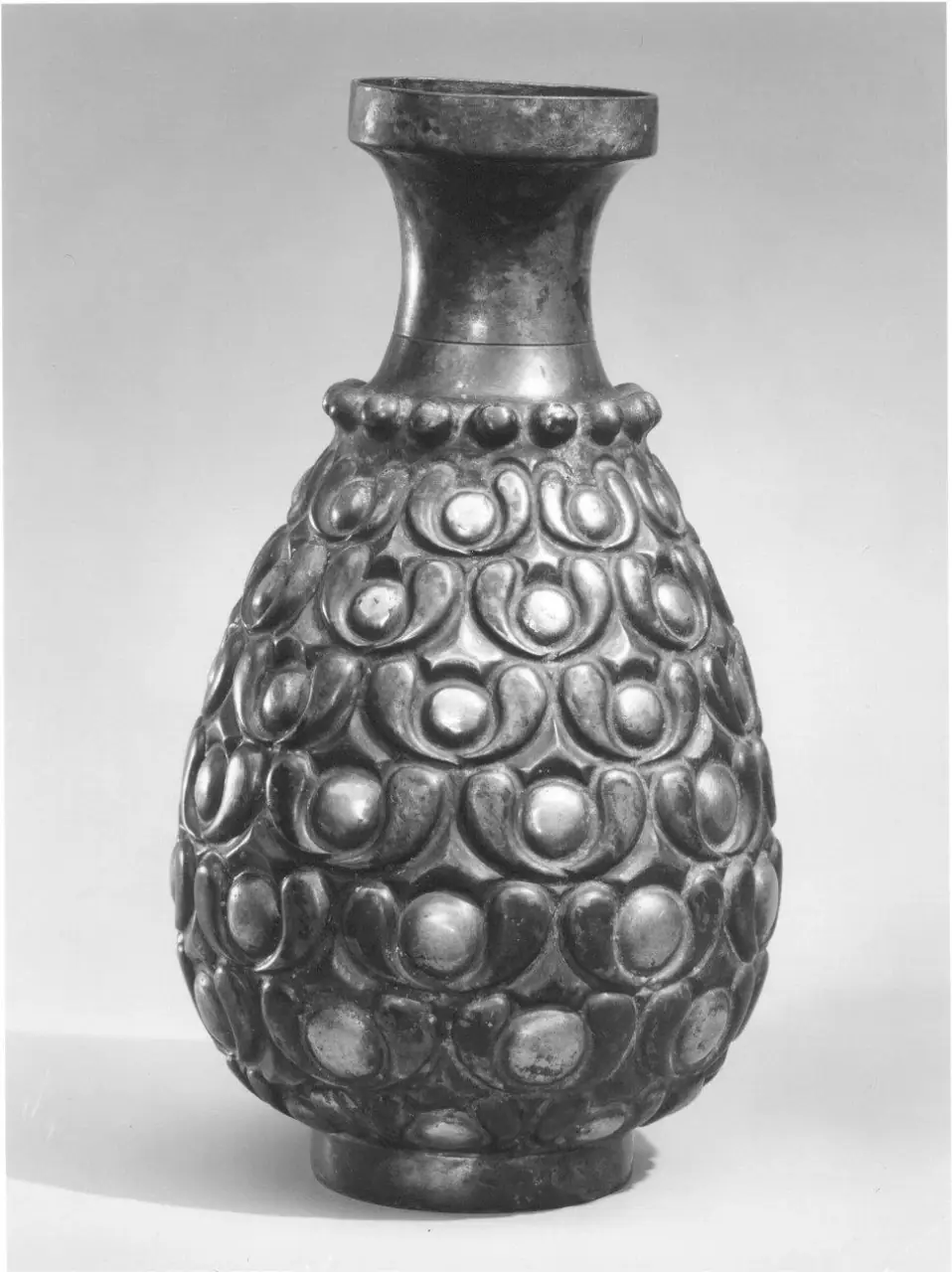
Conquering a city, switching to an administrative language, and changing a family's faith are not the same thing. After Arab Muslim armies defeated Sasanian royal power in the seventh century, regions across the Iranian plateau experienced treaties, garrisons, revolts, and local cooperation, while Islamization continued for generations or longer. Old scribes, land relations, and coinage practices entered the new state, and Arabic gradually acquired religious and administrative standing. The burdens and opportunities of peasants, local elites, and new migrants were not the same. Khorasan later took part in the Abbasid Revolution, showing that conquered regions could also shape the imperial center; this history cannot be reduced to a story of Persian culture either suddenly vanishing or being preserved intact.
01 / c. 633–821 CEHow this era began
In the late Sasanian period, prolonged foreign wars, pressure of requisition, and succession crises weakened military and political coordination, and the empire still contained communities of different languages and faiths. On the Arabian Peninsula, new political and religious alliances formed a mobilizing force. Changes on both sides together created the conditions for conquest, and hindsight explanations such as the old dynasty having already become corrupt or the new faith being bound to win must not erase the specific processes of military decision-making and local resistance.
Why did this era begin?
Armies entered Mesopotamia, took Ctesiphon, and won at Nahavand, forcing the royal center to retreat repeatedly. The plateau was not taken over everywhere at once; some places were arranged through agreements to pay tribute, while others resisted repeatedly or renegotiated. The death of the last king in 651 is a node in dynastic history, not the date every village converted; political submission, tax status, and private belief must be observed separately.
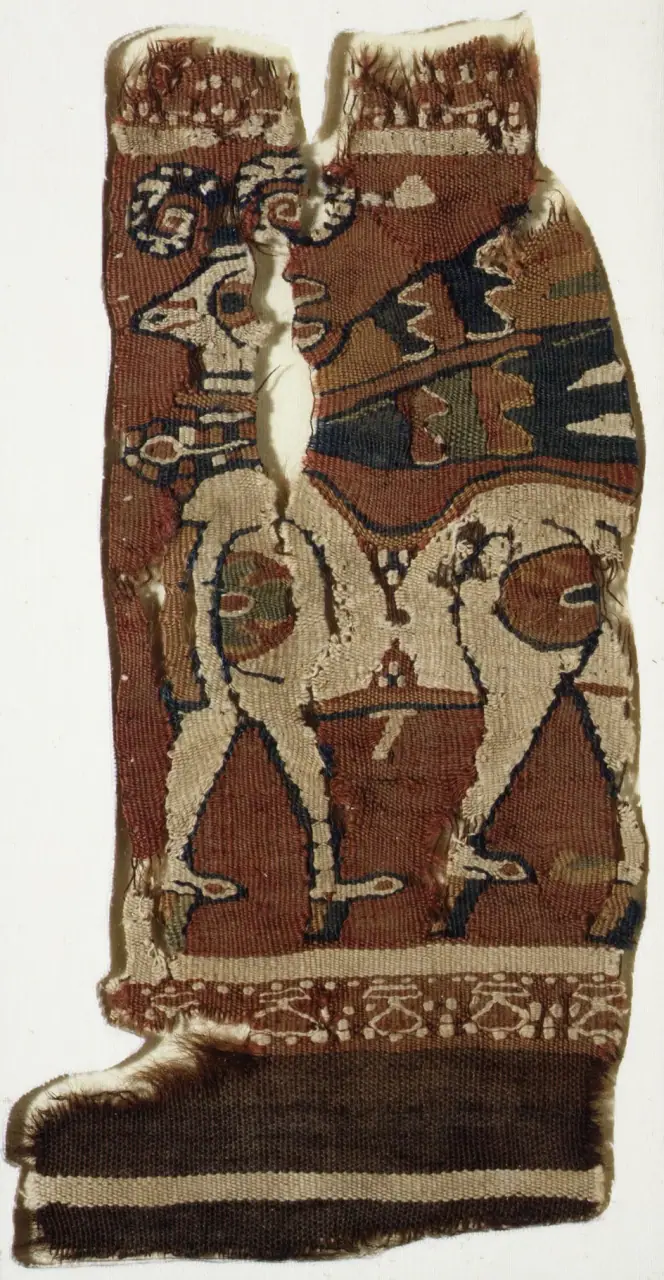
02 / c. 633–821 CEWho held power
Caliphs, governors, garrisons, and local tax collectors formed new relations of rule, and some existing landholding elites and scribes continued to play a role. The new rule depended both on military domination and on local institutions capable of accounting and collection. Arab identity, Muslim identity, and tax treatment were not always consistent, converts could still face discrimination, and the ideal rules of the system could conflict with practical fiscal needs.
What tensions existed within the era?
Local revolts, competition within garrisons, and the status of converts made rule unstable. Different Arab tribes in Khorasan, new Muslims, and local elites had overlapping interests, and anti-Umayyad mobilization was not a modern national liberation war. Religious orthodoxy and demands for justice could combine, but that did not make all participants agree on the future caliph or on the distribution of resources.
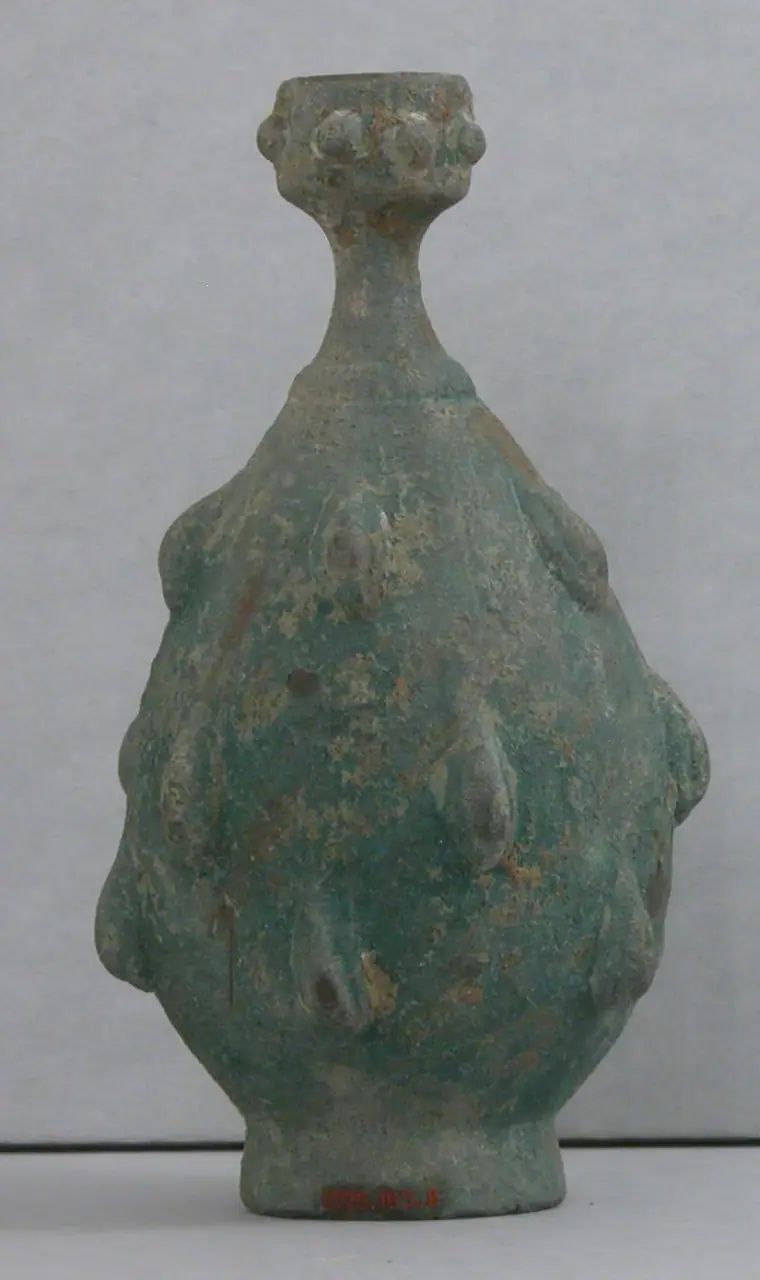
03 / c. 633–821 CEHow society worked
Land tax, personal tax burdens, war gains, and local production supported rule, and existing coinage and administrative experience were gradually adjusted. For a household, who collected what and who used the fields was often more immediate than the name of the dynasty. Conquest caused damage but also preserved some agricultural and commercial networks; one cannot assume that all land was uniformly seized, nor use a single lenient treaty to prove that all regions enjoyed the same conditions.
How did ordinary people live?
Urban and rural inhabitants continued to farm, herd, and trade while facing new garrisons, tax collectors, and religious institutions. The Muslim community expanded, and Zoroastrians and other groups still lived in many places. Conversion could involve multiple considerations of belief, marriage, opportunity, and tax burden; one cannot choose a single motive on behalf of people who left no self-account, still less project today's religious distribution back onto the seventh century.
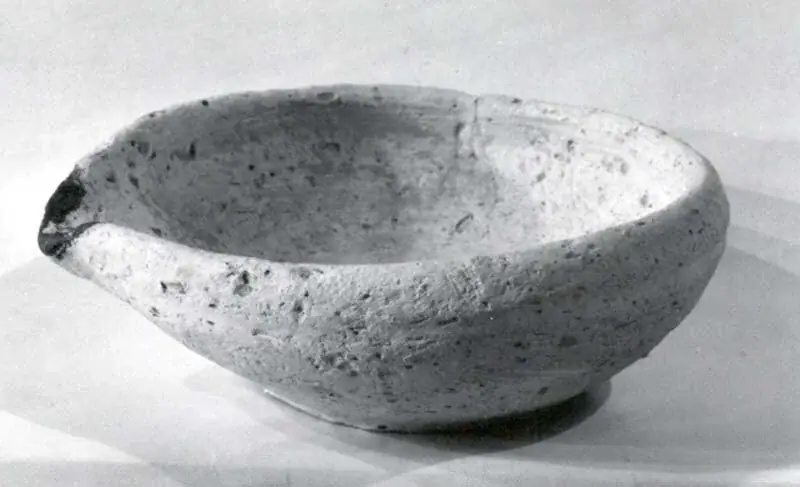
04 / c. 633–821 CEWhere change began
In 750 the Abbasid Revolution used Khorasanian forces to change the imperial center, but the new dynasty did not abolish all distinctions and conflicts. Regional commanders gradually acquired a more stable local base, and Tahir's appointment as governor of Khorasan in 821 provides a new observation point. Central authorization, local finance, and family inheritance began to form another combination; it was not the case that in that year a modern Iranian state independent of the Islamic world suddenly appeared.
Milestones that changed direction
Military advance
Arab Muslim armies expanded operations in the Iraqi regions controlled by the Sasanians, changing the border situation. The early advance differed from the later process of full control over the plateau and cannot be compressed into a single completed conquest.
Fall of Ctesiphon
Around this time Ctesiphon fell, the royal court moved east, and the main political center was taken over. Entry into the city, local tribute payments, and private conversion of inhabitants had different rhythms, and one capital should not stand for the whole realm.
Battle of Nahavand
Defeat at Nahavand opened the way for further conquest, but local military and social resistance did not end. Later generations called the battle a decisive victory, which does not mean that every region accepted all new institutions in that year.
Turning point in the northeast
The last Sasanian king died, while Khorasan still experienced treaties, garrisons, requisition, and resistance. Dynastic chronology can provide only political nodes and cannot directly show when each household changed its faith.
Adjustment of the administrative language
At the end of the seventh century the position of Arabic in caliphal administration was strengthened, linked to coinage and documentary reforms. Languages such as Persian continued in households and localities, and an administrative change cannot be equated with all inhabitants simultaneously changing their spoken language.
Abbasid Revolution
Various forces in Khorasan took part in overthrowing the Umayyad regime, and the Abbasid dynasty was established. The mobilization included groups of different Arab and Iranian backgrounds and was not a modern national revolution with completely unified aims.
Local hereditary power
Tahir was appointed governor of Khorasan, and a regional family gradually formed a more stable local base. The combination of central authorization and hereditary power does not mean that in that year a modern nation-state independent of the Islamic world appeared.
What we know
Coins and local documents show how institutions were adjusted; later Arabic and Persian histories preserve memories of wars, treaties, and persons but were often compiled after the events. Religious texts provide the positions of communities, not reliable censuses. On the pace of conversion, regions, periods, and types of evidence must be compared; the death of a king in a given year cannot substitute for research on changes in ordinary families' beliefs.
Questions still debated
Scholars offer different explanations of how great a rupture the conquest caused, why local inhabitants converted, and how old elites entered the new order. Past one-line narratives that portrayed this period either as foreign oppression or as egalitarian liberation cannot cover the differences. A more cautious judgment should distinguish military control, administrative language, legal status, and private belief, and acknowledge that evidence from villages and minority communities is often scarcer than court narratives.
Legacies for later generations
Islamic scriptural scholarship, law, and transregional networks became an important part of subsequent history, and administrators and scholars of Iranian background helped shape them. The intellectual standing of Arabic and the continuity of Persian could coexist, and religious change did not require inhabitants all to become Arabs. The process by which Shiism became the majority and the state faith occurred much later, and the seventh-century conquest should not be interpreted directly as the completion of today's configuration.
References and evidence
These materials support this page's account. Check the purpose, perspective and accessible scope of each source. Notes identify the evidential limits of excerpts, summaries and timelines.
- ʿARAB ii. Arab conquest of IranEncyclopaedia Iranica / Michael G. Morony · Academic research
History of the conquest; later narratives and the dates of battles must be used critically.
- KHORASAN iv. The Arab Conquest and Omayyad PeriodEncyclopaedia Iranica · Academic research
Garrisons, treaties, and resistance in the Khorasan region.
- ZOROASTRIANISM ii. From the Arab Conquest to Modern TimesEncyclopaedia Iranica · Academic research
Long-term religious change and the legal status of minority groups.
- KHORASAN vi. History in the Taherid and Samanid PeriodsEncyclopaedia Iranica / Elton L. Daniel · Academic research
Irrigation, trade, slave trading, and Persian-language culture.
- Iran: A Country Study, fifth edition (2008)Library of Congress, Federal Research Division; Glenn E. Curtis and Eric Hooglund, eds. · Academic research
The official LOC full-text OCR was obtained, and body paragraphs on history, women, education, and government politics were read; this was not merely reading the table of contents or a summary, nor is any claim made of having read all 416 scans. The study has limitations of period and national-studies framework; errors in the history chapter such as Chaldiran 1524 and Gulistan 1812 are not carried over, and 1514 and 1813 are adopted respectively per specialized research; the internal discrepancy in the history and education chapters over Tehran University 1935/1934 is likewise not copied directly.
At the end, bring this chapter to a close.