Mongols and Timur: Destruction and Reconstruction
How can the violence of conquest and the artistic flourishing that later appeared be told at the same time?
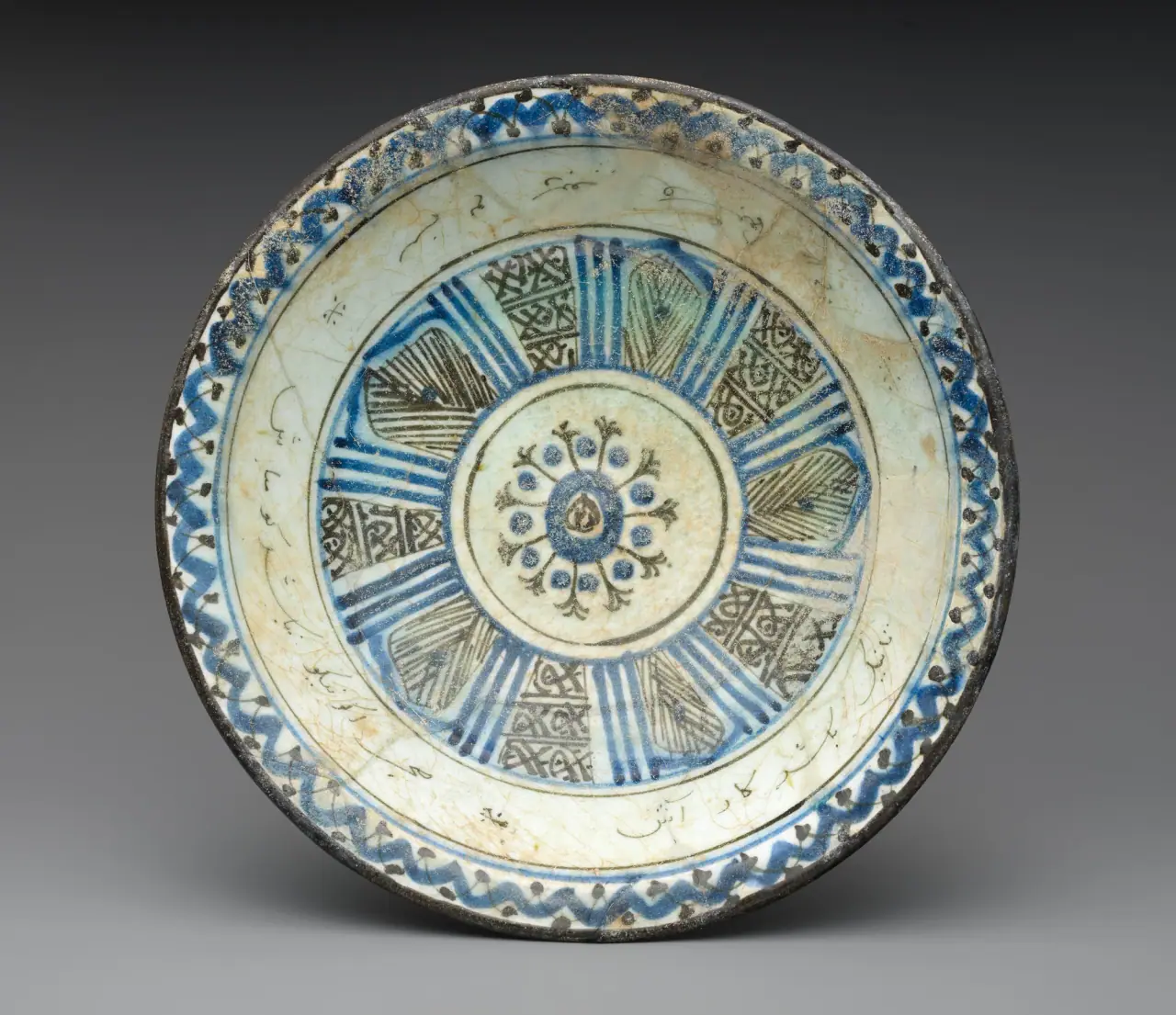
The destruction of besieged towns and the creation of exquisite manuscripts can belong to the same stretch of history, yet they cannot cancel each other out. The thirteenth-century Mongol conquests severely damaged many cities, villages, and irrigation works; Ilkhanid rule subsequently gradually combined local bureaucrats, finance, and Islamic legitimacy. Trade and court patronage promoted new images, materials, and knowledge exchange, while ordinary residents still had to bear taxation, displacement, and war. Timur's campaigns again concentrated artisans and resources at major courts, and places such as Herat became centers of book production. Cultural flourishing does not prove that conquest benefited its victims, and the enormous scale of destruction should not obscure the concrete processes by which different regions rebuilt, negotiated, and continued living.
01 / 1219–1501 CEHow this era began
Khwarazmian expansion connected multiple cities and regions to a new military rule, but local loyalties, the safety of trade routes, and revenue relations remained unstable. The Mongol Empire formed a greater capacity for mobilization in the east, and diplomacy and conflicts involving merchants on both sides escalated the war. Understanding the conditions of the invasion requires looking at both specific decisions and existing political structures; violence cannot be explained as the eternal, unchanging character of steppe peoples or settled peoples.
Why did this era begin?
The wars after 1219 broke the old order; different cities experienced siege, surrender, massacre, or continued resistance. Hulagu's campaigns then established Ilkhanid control, and the fall of Baghdad in 1258 reorganized regional power. After military victory, taxation, pastureland, and urban life still had to be arranged; Mongol rulers gradually adopted local administrators and institutions, and conquest and governance were not the same set of easily completed tasks.
02 / 1219–1501 CEWho held power
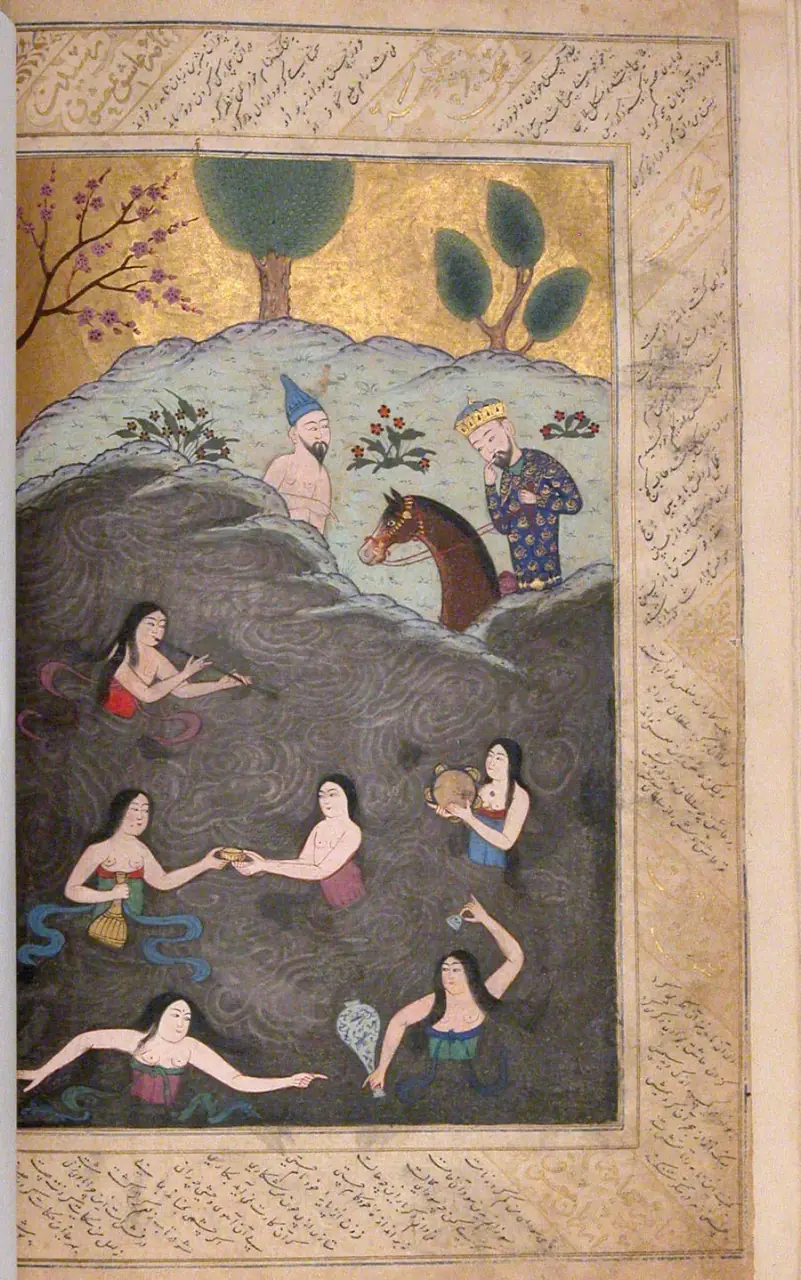
Khans ruled together with royal family members, Mongol military leaders, Persianate bureaucrats, and religious figures. Ghazan converted to Islam in 1295, changing royal legitimacy and the direction of patronage, but this cannot be used to conclude that the country's residents only began to practice religion at that time. Bureaucrats such as Rashid al-Din managed finance and historiography, and their power also exposed them to court struggles; multilingual intellectual collaboration did not mean that participants held equal status.
What tensions existed within the era?
The army and royal family demanded resources, bureaucrats wanted to maintain the tax base, and local residents might flee, resist, or seek protection. Religious policy, succession struggles, and local military competition made order change repeatedly. Artistic production could continue after the disintegration of the Ilkhanate, but political fragmentation increased uncertainty on roads and in cities; a few surviving masterpieces cannot be taken as evidence that all places had recovered from the earlier catastrophes.
03 / 1219–1501 CEHow society worked
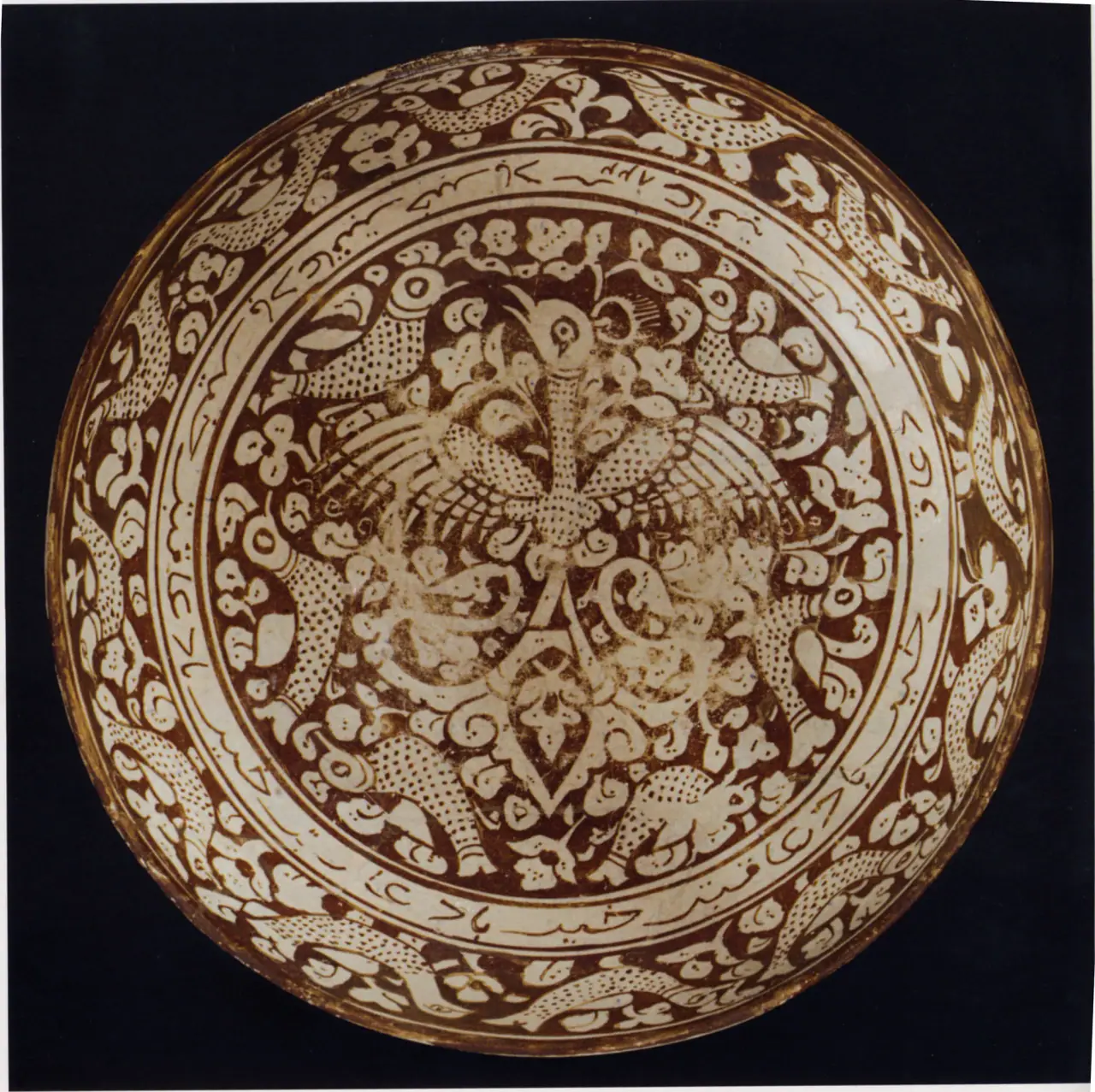
War damaged fields, irrigation, and population, and restoring production required rearranging taxation and local relations. Reforms in some periods, protection of trade routes, and cross-regional movement promoted exchange, accompanied by corvée labor and concentration of resources. Chinese and Central Asian elements entered pottery and painting, showing concrete artistic connections; one cannot directly infer that a safe, unobstructed Silk Road continuously covered the entire region, or that all cities flourished at the same time.
How did ordinary people live?
Farming households had to face damaged waterworks, taxation, and displacement, while artisans might obtain work through patronage or be forcibly relocated by conquerors. Urban reconstruction and market recovery reorganized life, but experiences differed greatly by region and status. Lavish manuscripts usually preserve the names of patrons, while canal diggers, porters, and family caregivers left fewer voices; court collections cannot be used to declare on their behalf the gains and losses of war.
04 / 1219–1501 CEWhere change began
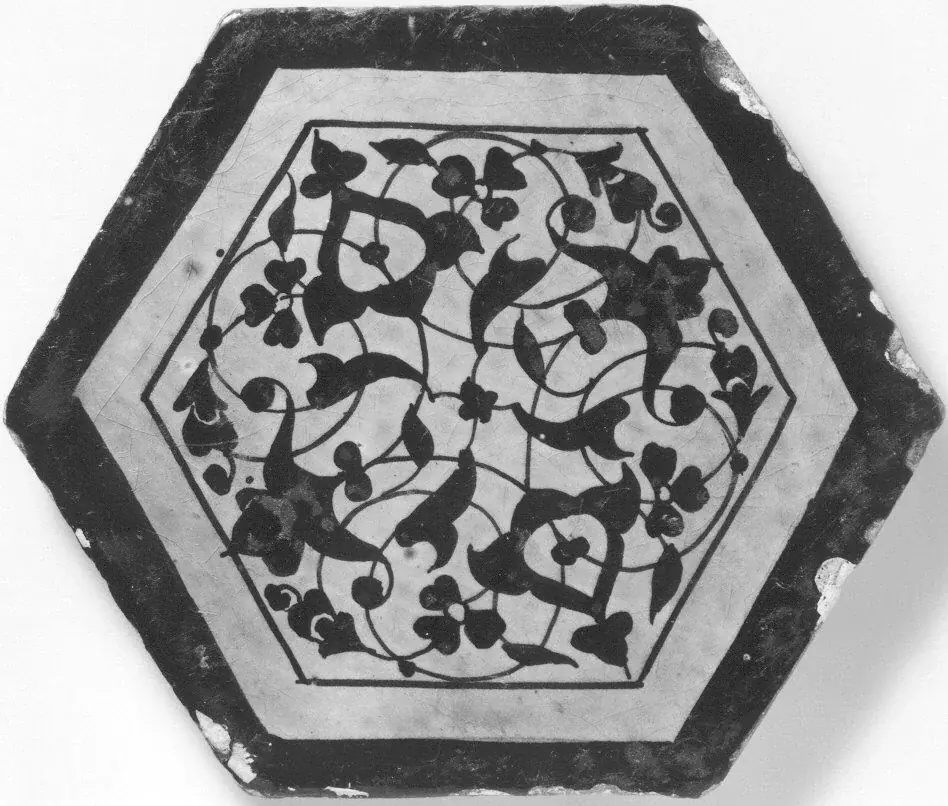
After 1335 the Ilkhanid center disintegrated, and multiple regional polities continued to compete; Timur established his own power base in Transoxiana in 1370 and campaigned into Iran and elsewhere. After his death in 1405, dynastic branches and other forces contended, while courts such as Herat still patronized book production. The rise of the Safavids in 1501 reassembled several workshops and political traditions; this was a series of reorganizations, not a smooth succession within a single empire.
Milestones that changed direction
Mongol conquests begin
The Mongol wars broke Khwarazmian rule, and many towns, villages, and irrigation systems suffered severe damage. Experiences differed across regions, and exaggerated numbers in historical texts cannot be directly converted into precise population losses.
Ilkhanate forms
Hulagu's campaigns established Ilkhanid control over Iran and surrounding areas, and military conquest still had to be converted into taxation and local governance. Mongol leaders and local civil officials both cooperated and competed for resources.
Fall of Baghdad and regional reorganization
Hulagu's army captured Baghdad, ending Abbasid rule there, and the war caused major destruction. Political networks in Iran, the Two Rivers, and surrounding areas were reorganized, and the loss of inhabitants cannot be viewed solely from the perspective of dynastic victory.
Ghazan's conversion
Ghazan's conversion to Islam changed royal patronage and the language of legitimacy, while local Muslim communities had already existed for a long time. A monarch's conversion must not be treated as the date when the country's inhabitants began to practice the religion.
Disintegration of the khanate
After Abu Sa'id's death, the center of the khanate disintegrated, and local regimes inherited parts of its military, political, and artistic forms. Court patronage could continue, but trade routes, agriculture, and the safety of inhabitants were not necessarily equally stable.
Timur takes power in Transoxiana
Timur gained power in Transoxiana and launched campaigns, drawing Iran, Iraq, and Central Asia into a new military network. The movement of craftsmen and populations included forced relocation, and later artistic flourishing cannot offset this cost.
After the conqueror's death
After Timur's death, succession struggles continued, while courts such as Herat still patronized architecture, painting, and calligraphy. Dynastic branches and other regimes together shaped culture, and all creative work cannot be attributed to a conqueror who was already dead.
Workshops gather again
The Safavids established a new kingship in Tabriz and absorbed the traditions of multiple earlier courts and workshops. A new political center did not mean art began from zero, nor can exquisite manuscript pages be used to infer that all regions had recovered.
What we know
Chronicles, administrative records, archaeology, and painting and calligraphy should be used in cross-reference. War narratives often use exaggerated numbers and moral language to describe destruction, and precise population losses are especially difficult to derive from a single author. Colophon notes on manuscript copies can help confirm patronage and production, while later bindings or detached leaves introduce new source problems; cultural achievements and material destruction each have their own evidence, and neither can automatically cancel out the research significance of the other.
Questions still debated
How long conquest destruction lasted, what effects tax reforms actually had, and which groups benefited from trade growth are assessed at different scales in different studies. Summarizing the Mongol period as purely dark, or presenting it as global exchange naturally bringing prosperity, both flatten regional differences. It is necessary to specify which city, which kind of labor, and which period a given conclusion addresses, rather than replacing concrete production and demographic materials with grand labels.
Legacies for later generations
The exchange of historiography, book production, and visual language influenced later Safavid, Ottoman, and South Asian courts; Herat and Tabriz were cultural nodes across modern borders. Rashid al-Din's world history organized diverse knowledge into a dynastic project, expanding horizons while also serving power. Dispersed pages in today's collections were also separated and traded, and a surviving page cannot represent the complete viewing experience of the original book.
References and evidence
These materials support this page's account. Check the purpose, perspective and accessible scope of each source. Notes identify the evidential limits of excerpts, summaries and timelines.
- The Art of the Ilkhanid Period (1256–1353)The Metropolitan Museum of Art · Museum research
Ilkhanid rule, Islamization, and cross-Eurasian art.
- The Art of the Timurid Period (ca. 1370–1507)The Metropolitan Museum of Art · Museum research
Conquest and Herat book art; mainly reflects the court.
- The Art of the Safavids before 1600The Metropolitan Museum of Art · Museum research
Early Safavid painting, carpets, and royal workshops.
- Iran: A Country Study, fifth edition (2008)Library of Congress, Federal Research Division; Glenn E. Curtis and Eric Hooglund, eds. · Academic research
The official LOC full-text OCR was obtained, and body paragraphs on history, women, education, and government politics were read; this was not merely reading the table of contents or a summary, nor is any claim made of having read all 416 scans. The study has limitations of period and national-studies framework; errors in the history chapter such as Chaldiran 1524 and Gulistan 1812 are not carried over, and 1514 and 1813 are adopted respectively per specialized research; the internal discrepancy in the history and education chapters over Tehran University 1935/1934 is likewise not copied directly.
At the end, bring this chapter to a close.