The rise of the Pahlavi and oil politics
The army, schools, and roads of the modern state: for whom did they widen opportunity, and whom did they constrain?
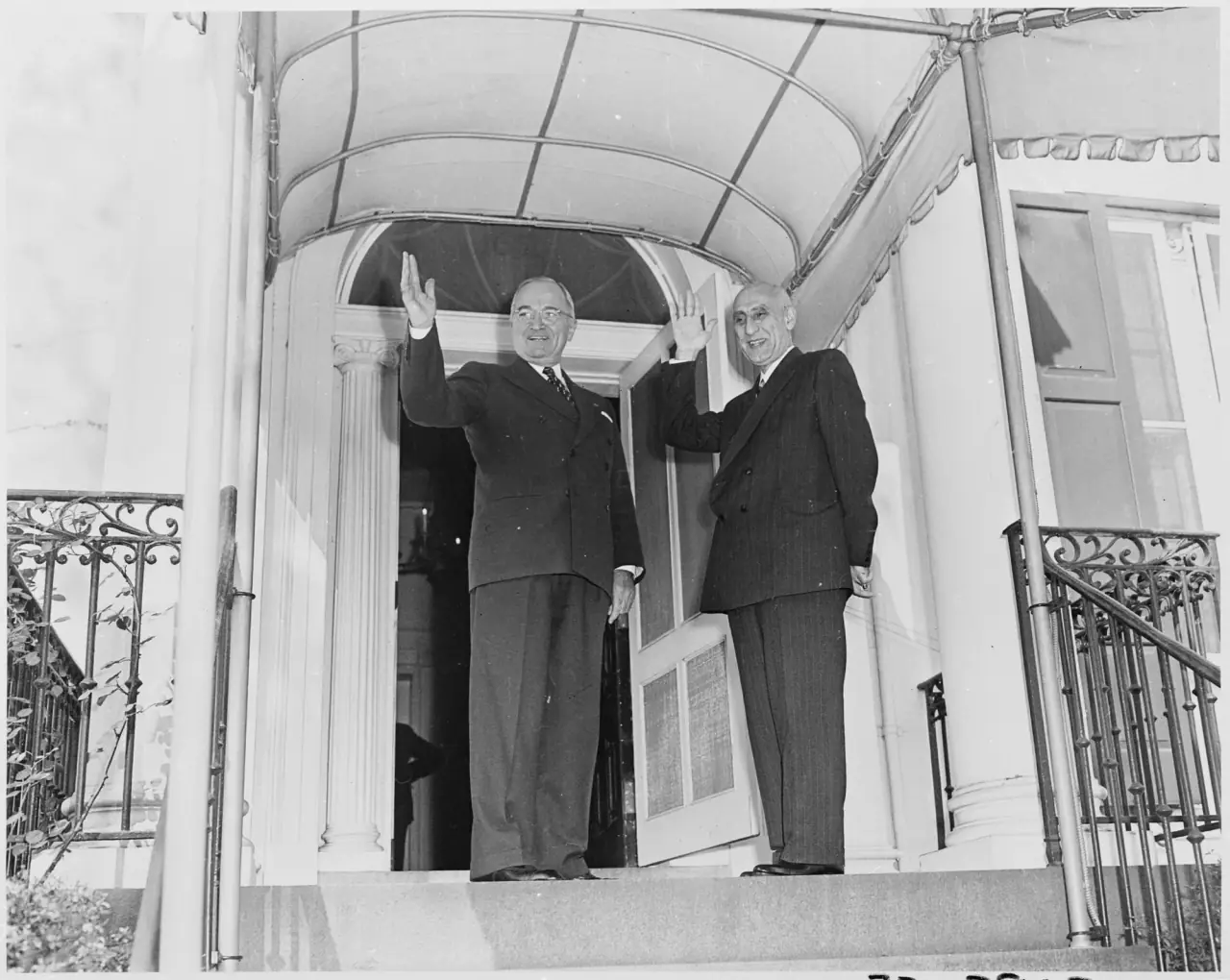
A railway, a school, and an oil contract connect different experiences of state building. Reza Khan moved from military commander to the throne, expanding the army, bureaucracy, judiciary, and education, while also using conscription, dress regulations, and repression to narrow local and individual choices. The Anglo-Soviet invasion of 1941 forced his abdication, after which parliament, newspapers, trade unions, and parties became active again, and politics was no longer merely an affair within the court. Oil nationalization then combined finance, sovereignty, and mass mobilization. The overthrow of the government in 1953 involved secret Anglo-American action and domestic opponents; explaining each party's role requires reading archives alongside social materials, and neither the achievements and coercion of state building nor national sovereignty and constitutional disputes can be set against each other to cancel one another out.
01 / 1925–1953How this era began
Constitutional institutions went through armed conflict, foreign intervention, and a world war, and the state found it hard to collect taxes steadily, maintain roads, and restrain local armed force. Voices demanding order, independence, and reform therefore grew, but different groups did not agree that these could only be achieved through military concentration of power. Reza Khan's rise used these conditions and also relied on his own organization and political choices; it cannot be written as though a turbulent society naturally had only one way out.
Why did this era begin?
The military action of 1921 opened Reza Khan's path upward, the transfer of the throne in 1925 and the coronation in 1926 completed the change of dynasty. He strengthened control through the army, bureaucracy, and local integration, while schools, factories, and transport construction advanced at the same time. Institutional change both expanded state capacity and altered who could use resources; the continued existence of parliamentary forms did not mean opponents could compete freely under equal conditions.
02 / 1925–1953Who held power
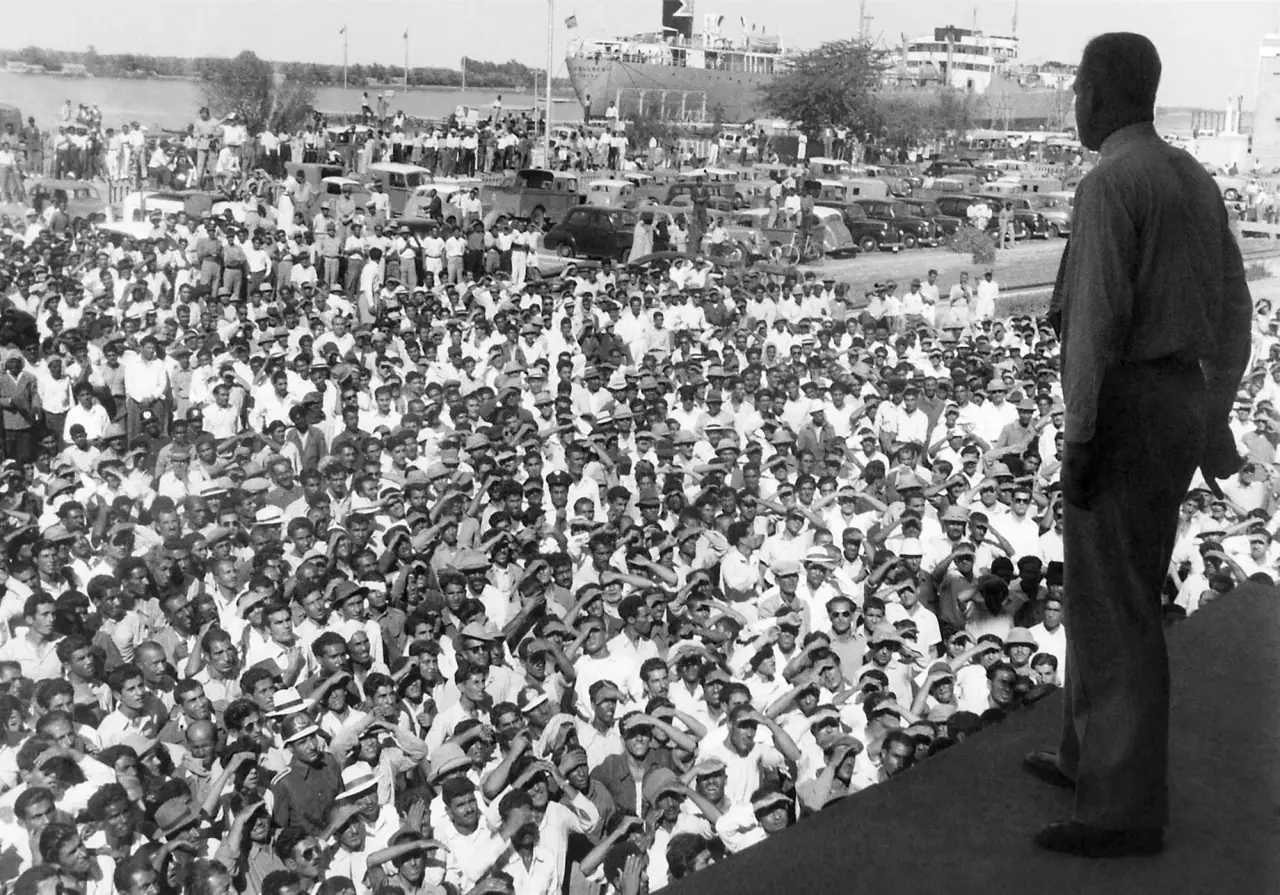
The monarchy and military strengthened local appointments, conscription, and administration, and the judiciary and education were partly removed from the control of existing religious institutions. Provinces and nomadic tribes were more strongly constrained, newspapers and political opponents were suppressed, and land and wealth concentrated in the ruling group. Uniform law and administration had real effects, but administrative reach, political freedom, and social equality are different measures, and one kind of progress cannot stand in for the other two problems.
What tensions existed within the era?
The uneven distribution of resources and coercion under reform accumulated tensions between the monarchy and local society. After the British and Soviet occupation in 1941, parties and trade unions became active, while the monarchy, parliament, the army, and various social movements competed for power. The camp supporting oil nationalization was also internally divided; opposition to British economic domination does not automatically show that all parties supported the same set of prime ministerial powers, social policies, or foreign policy lines.
03 / 1925–1953How society worked
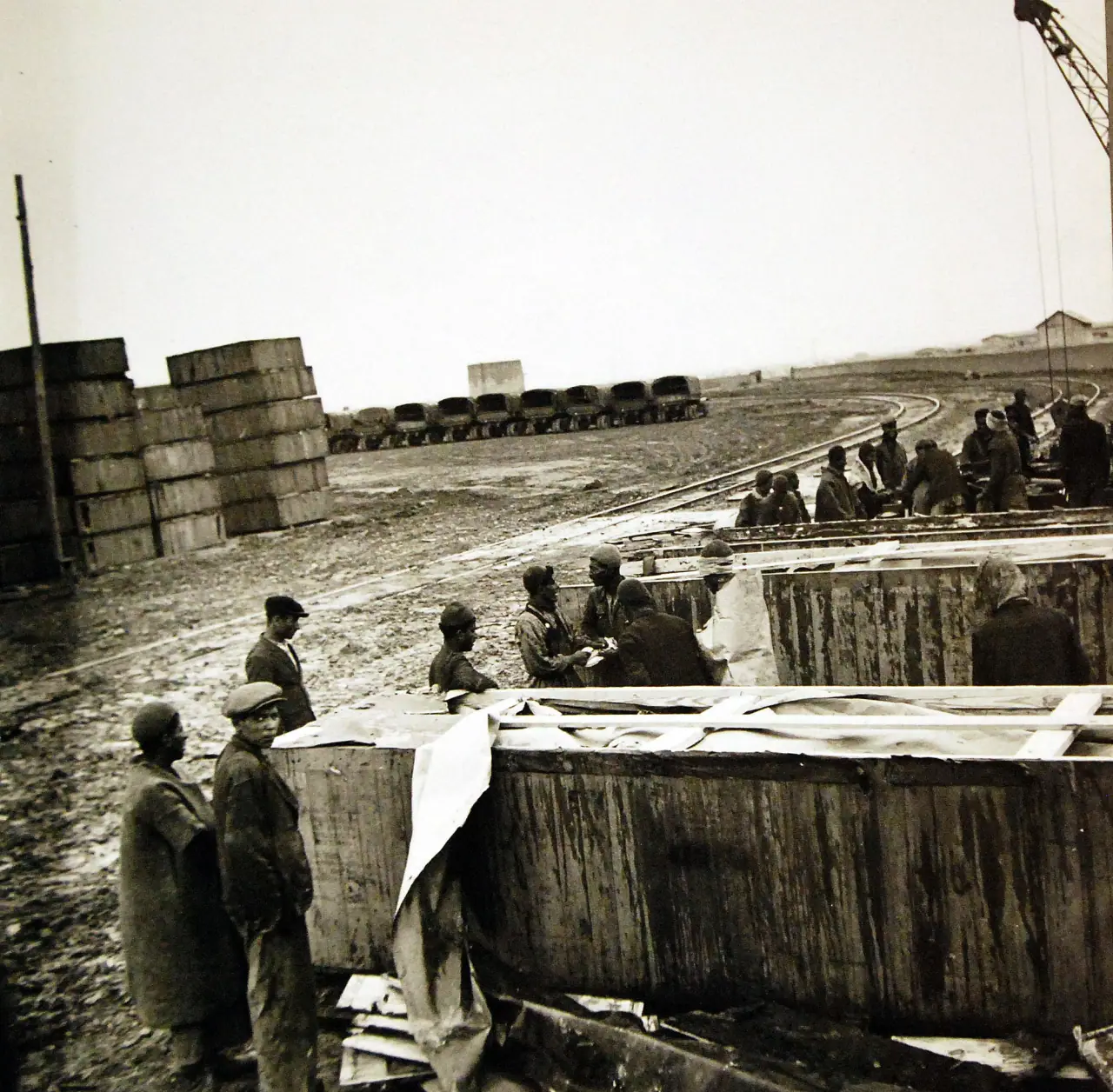
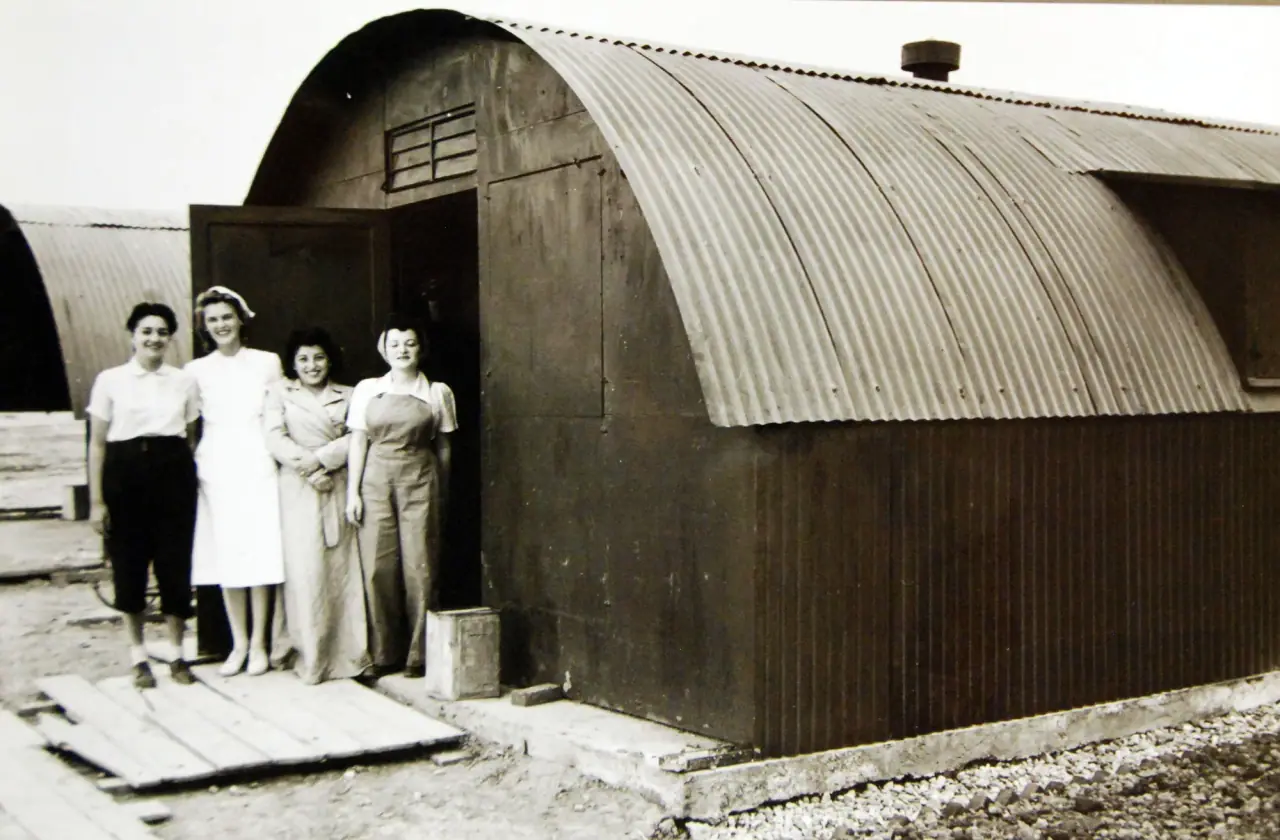
State factories, highways, and the Trans-Iranian Railway translated construction goals into labor, finance, and imported equipment, while agriculture still supported many households. Oil revenue and relations with foreign companies shaped development choices, and the new agreement of 1933 did not end disputes over distribution and sovereignty. The occupation of 1941 and wartime transport again changed the flow of goods; supply lines were useful to the Allies, which did not mean local residents all had sufficient food and stable prices.
How did ordinary people live?
New schools and occupations gave some residents opportunities, while conscription, relocation, and dress policies also directly changed family life. Compulsory unveiling in 1936 brought some women into certain public spaces but forced others to withdraw or suffer humiliation, and this cannot be merged into one-directional liberation. The situations of the urban middle class, rural farming households, and tribal women differed greatly, and the uniform image in state propaganda could not conceal these experiences.

04 / 1925–1953Where change began
The 1951 nationalization and Mosaddegh's assumption of the premiership intensified the oil dispute, with blockade, financial pressure, and domestic power struggles interacting. After the first attempt in early August 1953 failed, royalist forces and street mobilization ultimately overthrew the government; the British-American covert operation has clear archival evidence. The prime minister's policy controversies do not cancel the fact of external intervention, nor does the existence of intervention reduce all domestic participants to agents without goals of their own.
Milestones that changed direction
Establishment of the Pahlavi dynasty
Reza Khan obtained the throne, and the centralization of the army and bureaucracy entered a new phase; he was crowned later, in 1926. The establishment of the dynasty, the coronation, and the earlier military rise of 1921 should be kept separate and not compressed into a single day.
Forced dress reform
The government forcibly promoted the removal of the veil, changing public space and dress norms. Some women gained opportunities, while others were coerced or withdrew into the home because of it; the policy's effects must be distinguished by circumstance.
Completion of the Trans-Iranian Railway
The Trans-Iranian Railway, begun in 1927, was completed in 1938, connecting transport toward the Caspian Sea and the Persian Gulf. Its engineering and tax mobilization show state-building capacity, which does not mean that residents along the route all benefited in the same way.
British-Soviet invasion
Britain and the Soviet Union invaded and occupied Iran, Reza Shah was forced to abdicate, and his son succeeded him. Allied transport needs and Iranian sovereignty conflicts existed at the same time; the role of the supply line is not treated as proof of general benefit to residents.
Sovereignty crisis after the occupation
The Soviet withdrawal and the northern political crisis highlighted Cold War great-power pressure and also involved the goals of Iranian local groups. All local participants cannot be reduced to agents of foreign powers lacking autonomy.
Oil nationalization
Parliament passed oil nationalization, Mosaddegh was appointed prime minister, and Abadan, London, Washington, and international institutions were drawn into the dispute. National sovereignty, workers' interests, and negotiating strategy could not always be fully aligned.
Overthrow of the government
A British-American covert operation and Iranian domestic opponents participated in overthrowing the government, and the monarchy subsequently strengthened political control. The planning and operation have direct archival evidence, while domestic mobilization and constitutional disputes still require separate analysis.
What we know
Administrative decrees, financial records, and transport records can test construction, while family and women's studies supplement the different costs of policy. The FRUS discussions of the 1953 plan, station reports, and editorial notes directly show the covert operation while preserving redactions and institutional self-accounting. Judgments in the archives about the communist threat belong to the perceptions of the parties involved and cannot, without other evidence, be rewritten into an objective fact that some seizure of power was imminent.
Questions still debated
The extent to which Reza Shah's state-building improved opportunities and the extent to which it produced exclusion must be assessed by class, gender, and region. The forms of foreign involvement in 1921 and 1953 also cannot be conflated into a single mechanism. Constitutional debates over Mosaddegh, the referendum, the Shah's orders, and the coup should be kept separate from the confirmed planning and execution, and legal evaluation should not erase the military and social processes.
Legacies for later generations
State administration, education, transport, and legal institutions influenced later generations, while forced dress, local repression, and oil sovereignty left different memories. The newspaper and party experience of 1941 to 1953 shows that politics once had multiple forms of organization; later centralization cannot be used to infer that all earlier choices were impossible. 1953 in particular became a long-term reference point for US-Iranian relations and monarchical legitimacy, and memory must still be distinguished from specific archives.
References and evidence
These materials support this page's account. Check the purpose, perspective and accessible scope of each source. Notes identify the evidential limits of excerpts, summaries and timelines.
- ADMINISTRATION in Iran vii. Pahlavi periodEncyclopaedia Iranica · Academic research
Bureaucracy, the military, and centralization.
- ANGLO-IRANIAN RELATIONS iii. Pahlavi periodEncyclopaedia Iranica · Academic research
The 1941 occupation, abdication, and relations with Britain.
- FEMINIST MOVEMENTS iii. IN THE PAHLAVI PERIODEncyclopaedia Iranica · Academic research
Women's organizations, the 1963 suffrage, and the tensions of state reform.
- Foreign Relations of the United States, 1952–1954, Iran, 1951–1954U.S. Department of State, Office of the Historian · Archive
A collection of declassified documents published in 2017, including TPAJAX; the U.S. institutional perspective is not a complete social record.
- Iran: A Country Study, fifth edition (2008)Library of Congress, Federal Research Division; Glenn E. Curtis and Eric Hooglund, eds. · Academic research
The official LOC full-text OCR was obtained, and body paragraphs on history, women, education, and government politics were read; this was not merely reading the table of contents or a summary, nor is any claim made of having read all 416 scans. The study has limitations of period and national-studies framework; errors in the history chapter such as Chaldiran 1524 and Gulistan 1812 are not carried over, and 1514 and 1813 are adopted respectively per specialized research; the internal discrepancy in the history and education chapters over Tehran University 1935/1934 is likewise not copied directly.
- FRUS, Document 216: Outline of Preliminary Operational Plan in Implementation of Project TPAJAXU.S. Department of State, Office of the Historian · Primary source
Memorandum of conversation of 6 June 1953; the public text concerns operational arrangements involving the Shah, the military, propaganda, religion, and local partners, retaining redactions and the perspective of the agency involved, and no identities are invented for redacted code names.
- FRUS, Document 306: CIA Station Memorandum on Contribution to TPAJAX, 28 August 1953U.S. Department of State, Office of the Historian; CIA archival document · Primary source
Public body paragraphs 1–7 have been read: they report on preparations for the 19th demonstration, arson, military vehicles, radio, and subsequent military leadership, directly supporting actual participation; this is an operational-side report with redactions, and it does not independently quantify the causal weight of each Iranian group or of all external actions.
- FRUS, Document 225: Editorial Note on Authorization of Operation TPAJAXU.S. Department of State, Office of the Historian · Archive
The complete editor's note has been read; no formal record of the 25 June meeting alleged in the memoir was found, and no written presidential authorization was found; the cited operational chronology records Anglo-American diplomatic authorization on 11 July and a handwritten presidential approval note. The absence of sources is kept separate from existing operational evidence, and no presidential signed document is fabricated.
- Trans-Iranian Railway, World Heritage property 1585UNESCO World Heritage Centre · Specialist reference
The public text confirms construction began in 1927, was completed in 1938, and crossed mountainous terrain; the heritage-value assessment serves a nomination purpose and cannot by itself prove voluntary construction, household tax burdens, or nationwide welfare. The webpage and nomination materials do not automatically license all images therein.
At the end, bring this chapter to a close.