The Qajars: Everyday Life and Reform under Imperial Pressure
How did a dynasty with weak finances face Russian and British competition and the demands of domestic society?
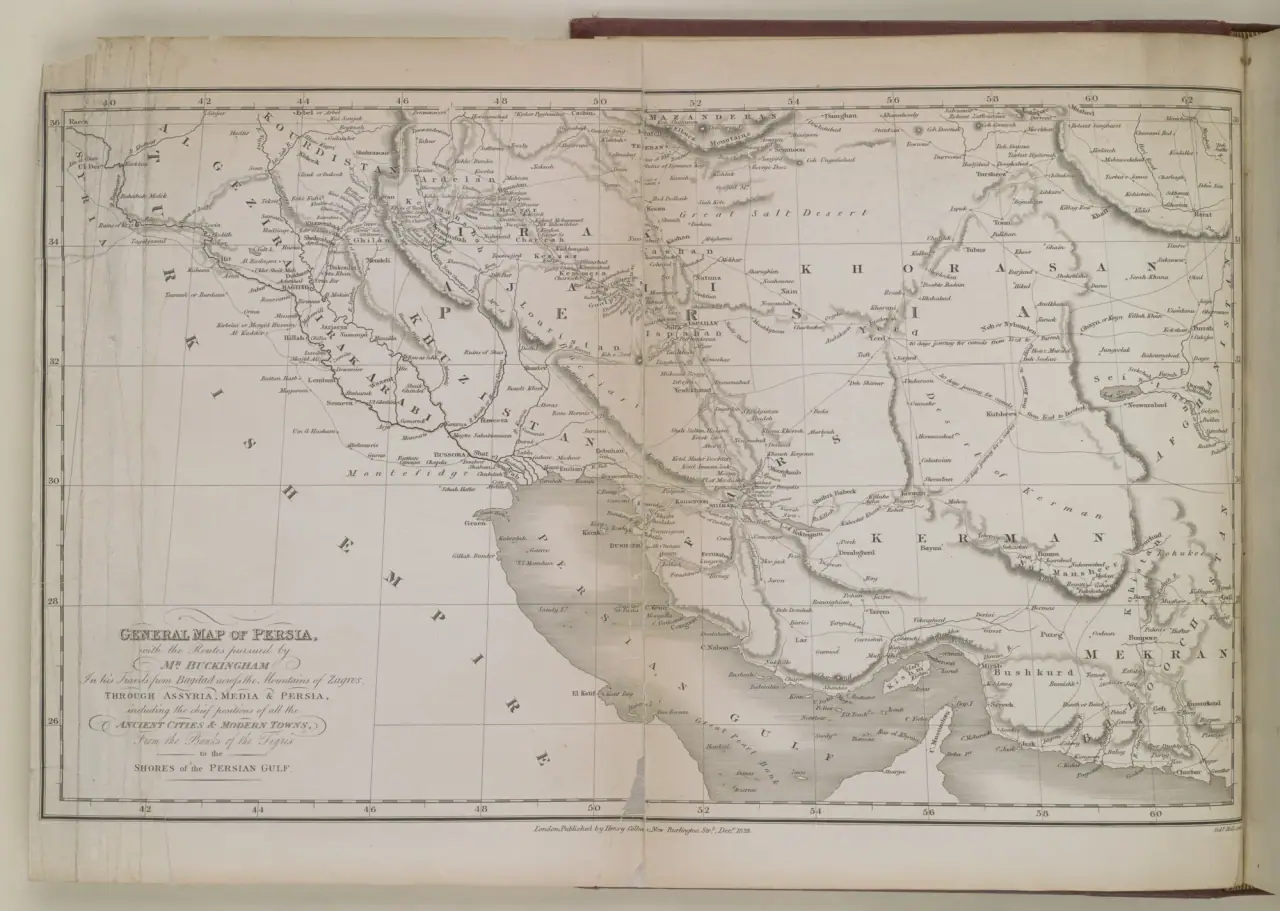
A foreign concession contract could change the everyday choices of merchants, cultivators, and families. The Qajar dynasty reintegrated many regions, yet came under sustained pressure from Russian-British imperial rivalry, military spending, and fiscal difficulties. The Caucasus wars, the Herat dispute, and loans limiting sovereignty constrained the state, while military schools, newspapers, photography, and new administrative knowledge expanded the imagination of reform. The court could not arbitrarily command all localities; markets, religious networks, and local elites each had influence. The tobacco boycott let dispersed interests form a common mobilization, but different groups did not thereby share a single goal. Understanding reform and resistance requires looking at international inequality and domestic resource distribution together, and not writing all inhabitants as people who merely waited for the court to act.
01 / 1796–1905How this era began
Eighteenth-century wars and succession rivalries damaged many regions, and the Qajars rebuilt control through military force and royal appointments. Tehran became the center, while provinces, tribal leaders, and urban religious authorities retained their own resources. The dynasty's establishment did not mean all social relations were already unified, and restoring order could be accompanied by violence; cooperation with and resistance to the new regime in different places must be explained separately.
Why did this era begin?
The monarchy tried to maintain its army and bureaucracy but faced stronger Russian and British power and costly wars. The treaties of 1813 and 1828 changed control in the Caucasus, and the 1857 Treaty of Paris limited claims to Herat. Defeat prompted some officials to promote educational and administrative reform, and reform in turn unsettled the court and entrenched interests; it cannot be understood only as copying European institutions, or as whether a monarch's personal will was firm enough.
02 / 1796–1905Who held power
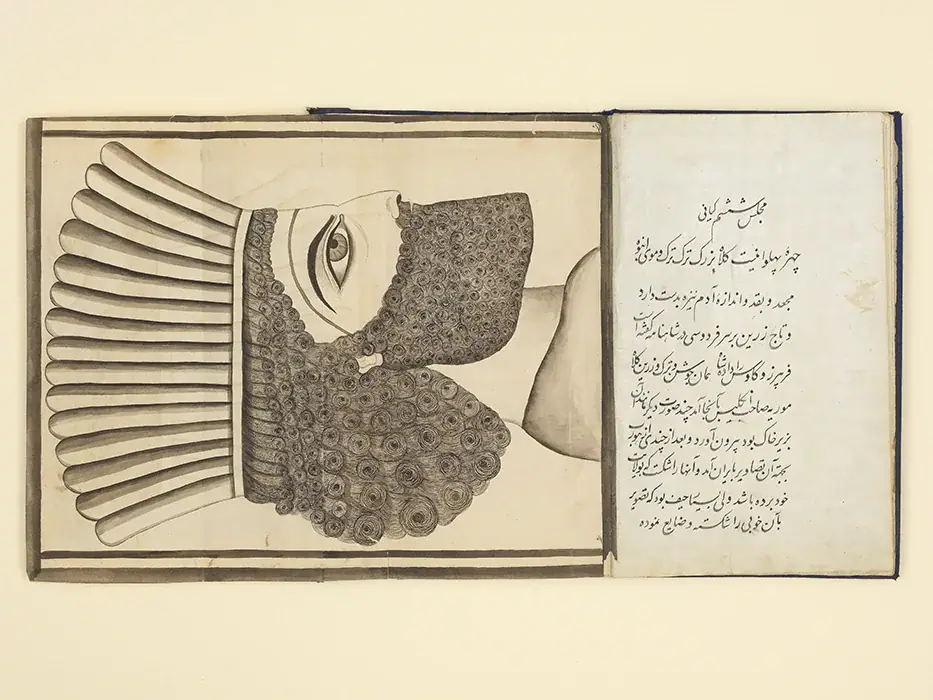
The shah maintained rule through the royal family, provincial governors, officials, and local cooperation; merchants, clerics, and tribal leaders were not a periphery that could be ignored. Fiscal shortfalls made concessions, tax farming, and loans into options, and also increased dependence on intermediaries and foreign powers. Royal rhetoric could be strong, but capacity to implement varied by region and matter; the title of absolute monarch cannot be used to assume the state controlled every village.
What tensions existed within the era?
Taxation, prices, concessions, and local governance caused discontent, while external military pressure kept narrowing choices. Religious authorities could support anti-concession movements and could also have their own cooperation with the court or merchants. Clerics cannot be treated as a single political bloc, nor can opposition to foreign monopolies be equated with rejecting all foreign technology; people often sought new knowledge, fairer exchange, and limits on arbitrary power at the same time.
03 / 1796–1905How society worked
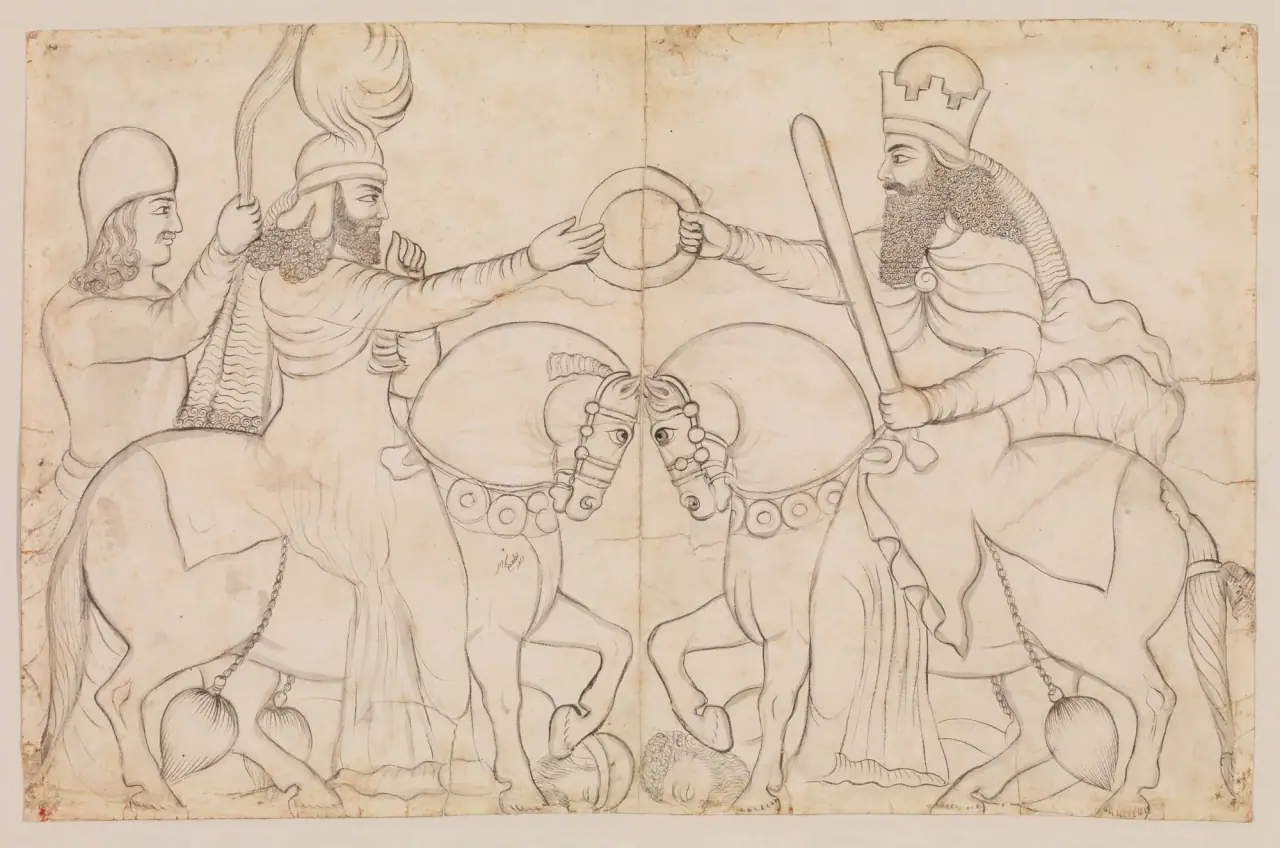
Agriculture, handicrafts, the domestic market, and foreign trade were interconnected, and exports and imports changed who gained and who lost in different places. Foreign concessions raised funds for the court and could also crowd out local merchants and producers. The tobacco monopoly touched cultivation, sale, and consumption, and so could link different interests; cancellation of the contract still left compensation and fiscal problems, and the boycott's success was not a one-time solution to sovereignty and poverty.
How did ordinary people live?
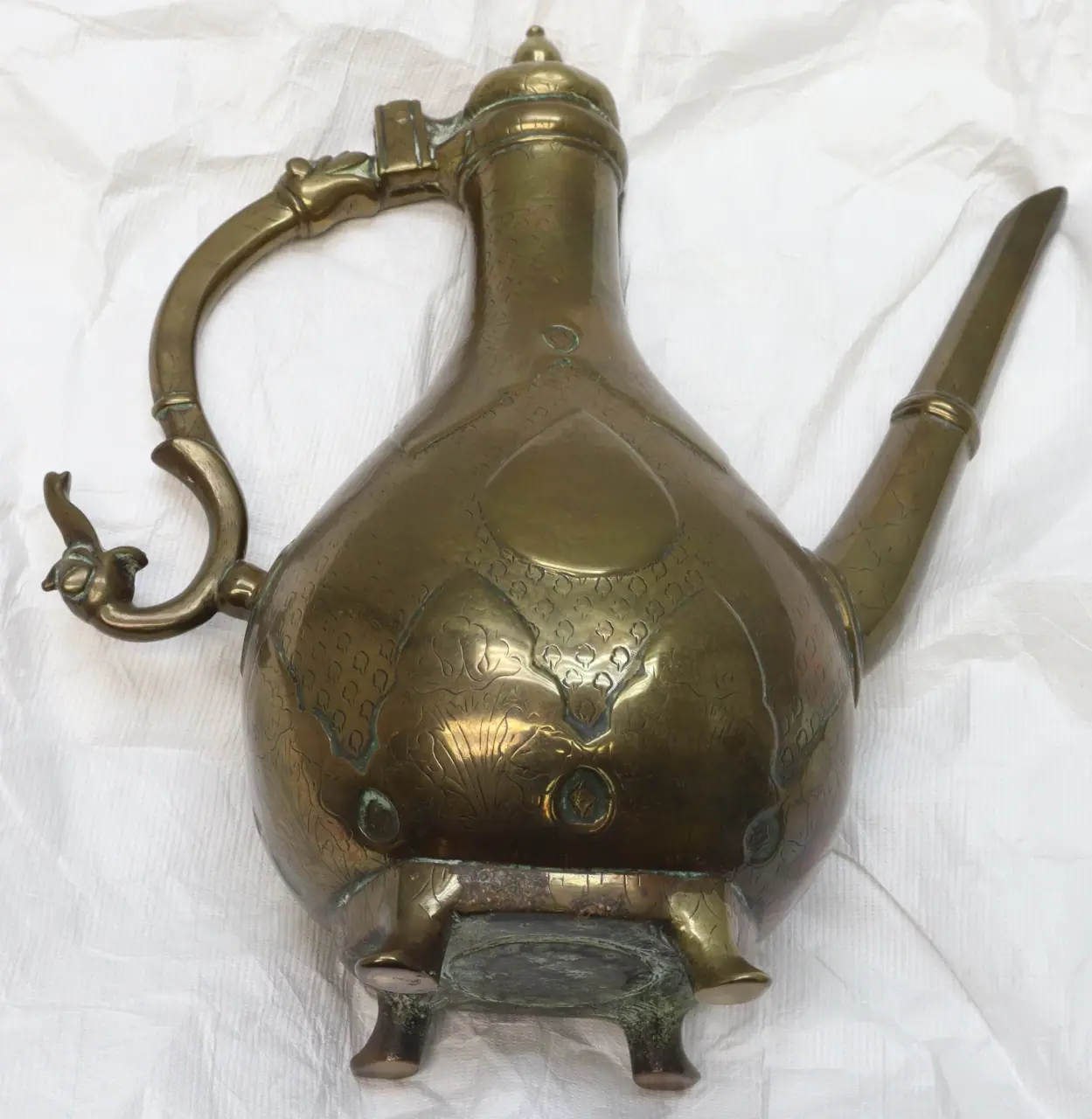
Cooking, textile work, caregiving, and wage labor in households supported urban life, while rural and mobile pastoral livelihoods differed. Sources on grand houses, wives and concubines, and servants mostly concern wealthier strata and cannot directly represent all women and families. New schools, photography, and newspapers expanded public activity for some, while literacy, property, urban-rural, and gender differences still determined who was more likely to be recorded, speak, or gain opportunities.
04 / 1796–1905Where change began
The tobacco boycott of 1891–1892 showed the power of market, religious, and household mobilization, and newspapers and reform discussions continued to develop afterward. Around 1905, prices, official punishments, and grievances over justice further converged, gradually turning toward demands for impartial institutions and limits on royal power. The emergence of constitutionalism was not automatically caused by foreign pressure, nor did all participants already share a single blueprint for a modern constitution.
Milestones that changed direction
Formal coronation of the dynasty
The Qajars were formally crowned, and the dynasty's center gradually took shape in Tehran, while provinces and local leaders still held resources. A unified royal title did not mean every region was already under the same degree of administrative control.
Treaty of Gulistan
The Treaty of Gulistan ended a round of war with Russia and changed control and relations with inhabitants in the Caucasus. 1813 is used here, not the erroneous 1812 found in some general histories; the treaty and actual local experiences must still be kept separate.
Treaty of Turkmenchay
After a new defeat, the Treaty of Turkmenchay further changed the Caucasus border and Russian-Iranian relations. The losses involved both state claims and cross-border families, trade, and local communities.
New schools and reform knowledge
The founding of the Dar al-Funun brought military, technical, and new knowledge into elite education. The school reflected demands for reform and a concentration of resources; one school cannot be used to assume that all inhabitants of the country enjoyed the same educational opportunities.
Treaty after the war with Britain
The Treaty of Paris limited Iran's claims to Herat, and British Indian strategy shaped the regional order. The treaty reflected military and diplomatic inequality; it does not mean the inhabitants of the relevant regions passively accepted a single identity.
The tobacco boycott expands
The tobacco boycott expanded, and merchants, clerics, and households cooperated because the monopoly affected production, sale, and consumption. Common opposition to a concession did not mean all groups agreed on every question of reform.
Cancellation of the concession
The tobacco concession was canceled and the boycott achieved a concrete result, but financial compensation and foreign influence continued. Organizational experience entered later politics; a single success cannot be treated as resolving the whole problem of sovereignty.
What we know
Treaties, concession contracts, official records, newspapers, and family documents served different purposes, and travelers often carried imperial or exoticizing imaginations. Diplomatic materials are good at explaining state relations but insufficient on their own to recover ordinary people's lives. Family history especially must specify class and urban samples, and photographs involve posing and framing; the experiences of people in different parts of the Caucasus cannot be replaced by a single narrative from Tehran or St. Petersburg.
Questions still debated
How weak the Qajar state actually was, why reform repeatedly stalled, and the relative weight of Russian-British influence versus domestic institutions are all subject to different interpretations. Attributing everything to foreign oppression erases local choices, while attributing it only to rulers' incompetence ignores military and commercial inequality. Treaty dates, actual control, and sovereignty claims must also be kept distinct; a historical map cannot be treated as a ruling on today's territorial disputes.
Legacies for later generations
Diplomatic treaties, borders, and concessions left long memories, while newspapers, schools, and public mobilization provided organizational experience for the constitutional period. Photography and family materials also changed how later generations viewed nineteenth-century society. Measuring the whole period only by military defeat would miss intellectual and social change, while speaking only of enlightenment would ignore inequality, coercion, and rural burdens; these different experiences must be included together in explanation.
References and evidence
These materials support this page's account. Check the purpose, perspective and accessible scope of each source. Notes identify the evidential limits of excerpts, summaries and timelines.
- ANGLO-IRANIAN RELATIONS ii. Qajar periodEncyclopaedia Iranica / Firuz Kazemzadeh · Academic research
Russian-British diplomacy, trade, and imperial rivalry.
- QAJAR DYNASTY xii. The Qajar-Period HouseholdEncyclopaedia Iranica / Shireen Mahdavi · Academic research
Domestic labor and residence; materials from wealthy urban families do not represent all of society.
- ISFAHAN viii. QAJAR PERIODEncyclopaedia Iranica · Academic research
Isfahan markets, handicrafts, and the tobacco boycott.
- FEMINIST MOVEMENTS i. INTRODUCTION, ii. IN THE LATE QAJAR PERIODEncyclopaedia Iranica / Janet Afary · Academic research
Women's participation, education, and political exclusion.
- Iran: A Country Study, fifth edition (2008)Library of Congress, Federal Research Division; Glenn E. Curtis and Eric Hooglund, eds. · Academic research
The official LOC full-text OCR was obtained, and body paragraphs on history, women, education, and government politics were read; this was not merely reading the table of contents or a summary, nor is any claim made of having read all 416 scans. The study has limitations of period and national-studies framework; errors in the history chapter such as Chaldiran 1524 and Gulistan 1812 are not carried over, and 1514 and 1813 are adopted respectively per specialized research; the internal discrepancy in the history and education chapters over Tehran University 1935/1934 is likewise not copied directly.
At the end, bring this chapter to a close.