The Seljuks: cavalry, civil officials, and cities
How did soldiers, officials, and scholars of different backgrounds jointly run the dynasty?
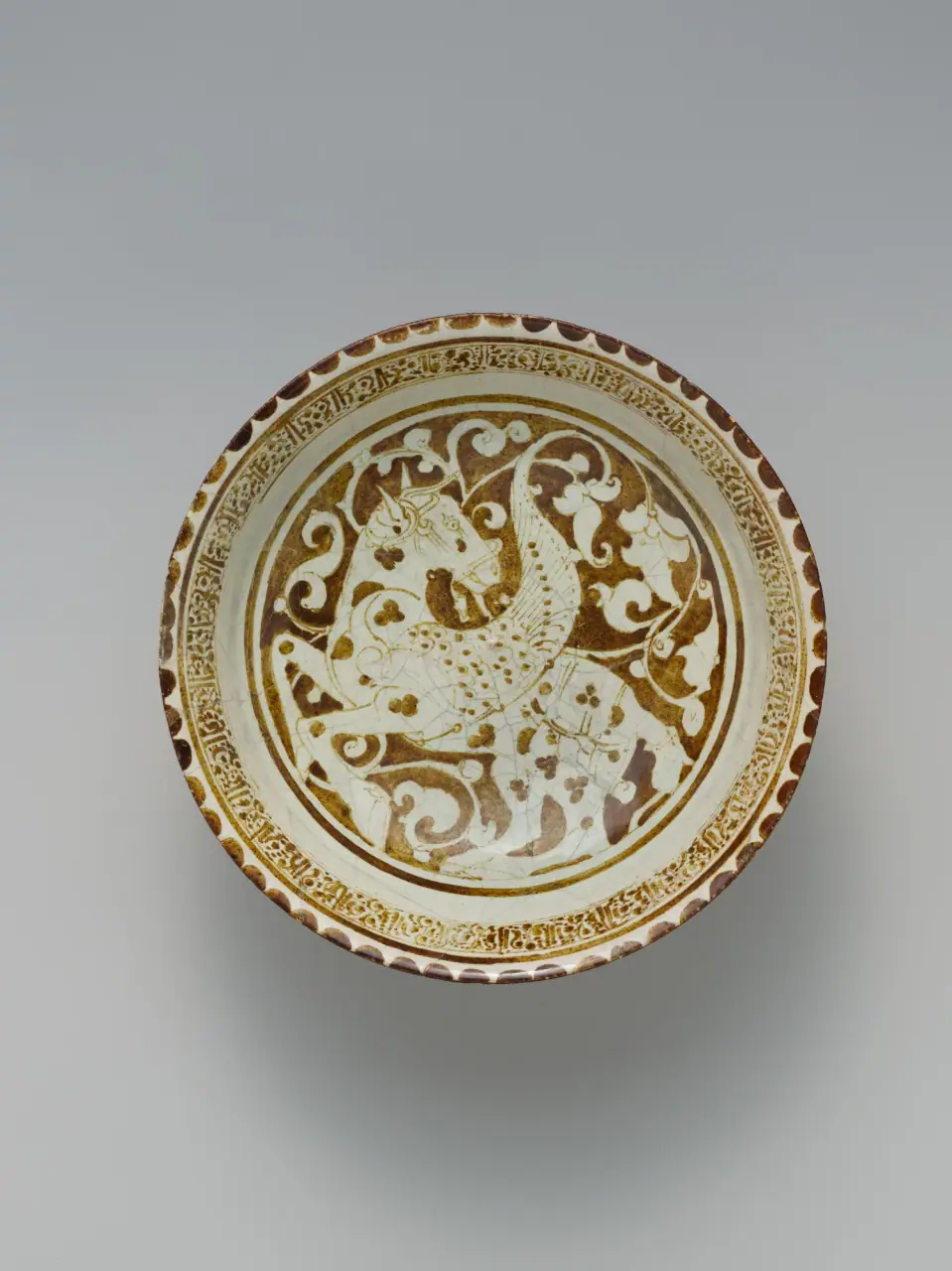
A cavalry commander needed taxes, a civil official needed stable land, and a city also needed artisans, jurists, and markets. The Seljuks combined these forces into cross-regional rule: Turkic military groups, Persian administration, and Sunni scholarly patronage depended on one another. After the sultan entered Baghdad he gained new legitimacy, and courts, schools, and workshops produced rich architecture and objects, but competition over military revenue, local power, and succession always persisted. After the twelfth century the empire fragmented, and powers such as the Khwarazmians expanded control further. The achievements of urban art cannot be taken as proof that all residents lived in secure prosperity, nor can later fragmentation be understood as meaning that none of the earlier institutions existed.
01 / 1040–1219How this era began
Dynasties such as the Samanids and Ghaznavids had already linked military service, Persian civil officials, and Islamic knowledge networks, and people from the steppe had long entered armies in various places. The Seljuk rise drew on these existing relationships; it did not suddenly create governance from an entirely different world. Urban residents and peasants cared about roads, collection, and security, so how to settle mobile military groups became an important political question.
Why did this era begin?
The Battle of Dandanqan in 1040 changed the balance of power in Khurasan, and the Seljuks then expanded their rule westward. In 1055 Tughril entered Baghdad, and the sultan's military-political power formed a partnership with the caliph's religious symbolism. Military victory also had to be turned into stable collection, appointment, and urban order, which made civil-official experience important; court titles alone cannot show that every locality had accepted the same degree of control.
02 / 1040–1219Who held power
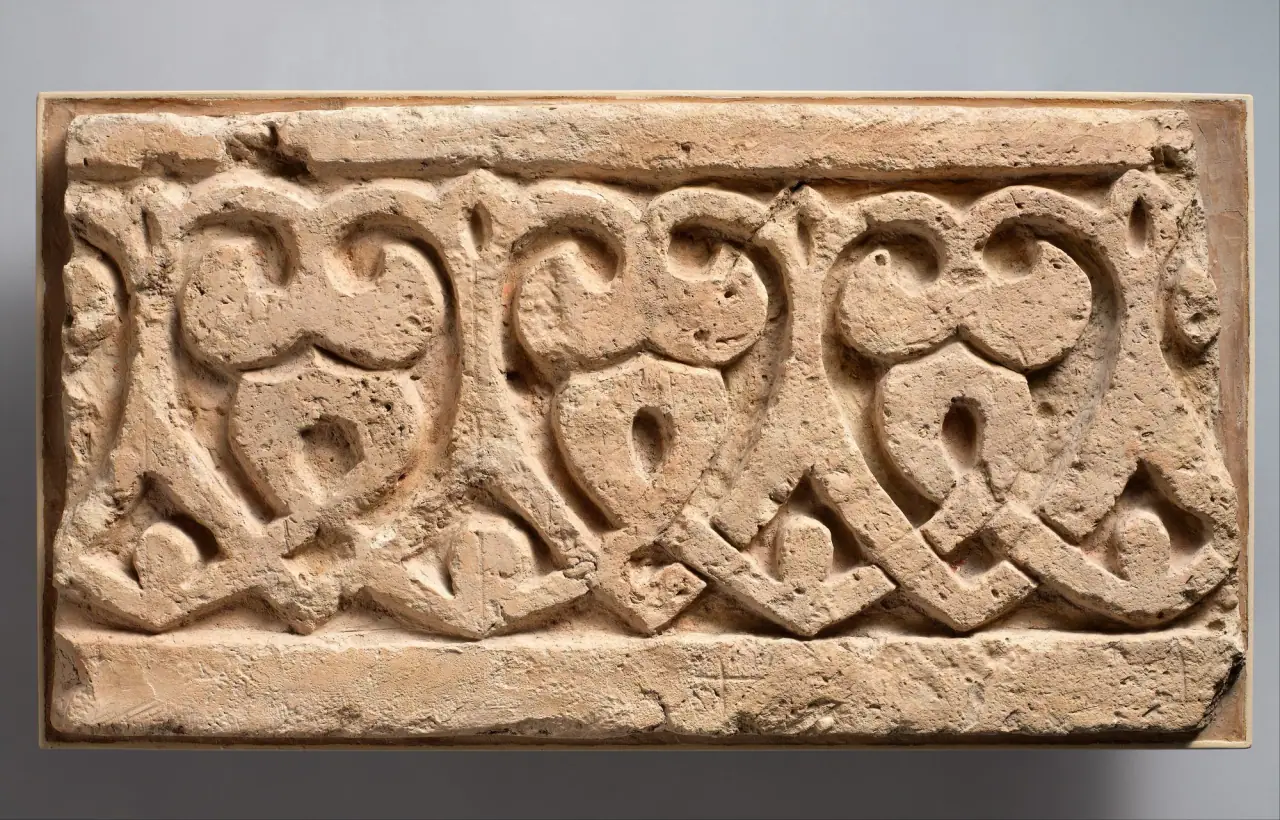
Sultans, princely branches, military leaders, and civil officials shared and contested resources, and viziers such as Nizam al-Mulk helped coordinate taxation, the army, and local appointments. Some revenue rights were used to support military service, but implementation depended on specific regions. Patronage of courts and Sunni schools consolidated legitimacy and could also strengthen particular scholarly networks; religious institutions cannot be uniformly regarded as purely intellectual spaces unrelated to politics.
What tensions existed within the era?
Succession rivalries could reshuffle the distribution of military and local revenues, and sultans and viziers were not always harmonious. Relations among Sunni, Shia, and different scholarly and religious networks need to be observed concretely; the accusations of polemical opponents cannot be taken directly as true motives. The assassination of Nizam al-Mulk and the death of Malik-Shah occurred in 1092, and the crisis continued afterward; the disappearance of a single hero is not enough to explain all the fragmentation.
03 / 1040–1219How society worked
Farmland, waterworks, and local collection supported armies and cities, workshops produced pottery, metalware, and textiles, and merchants connected multiple markets. Court patronage drove technical and decorative choices, but extracting wealth could also damage long-term tax sources. Governance manuals urged the protection of producers, which precisely reflects that rulers knew the risks of excessive demands; ideal norms did not mean every local official acted according to them.
How did ordinary people live?
Urban households arranged their lives among markets, workshops, schools, and religious sites, while the countryside bore the direct pressure of harvests, irrigation, and taxation. Inscriptions and figural scenes on objects show consumption and visual interests, not merely royal aesthetics. Scribes, artisans, and scholars could move between cities; the more literate elite who left more texts still cannot represent all residents, and especially cannot replace the own experiences of women and ordinary farming households.
04 / 1040–1219Where change began
After Sanjar died in 1157, the old imperial order further disintegrated, and regional dynasties and military groups continued to compete. Khwarazmian expansion reconnected some regions but did not establish equally stable social cooperation. The Mongol invasion of 1219 provides this chapter's endpoint; the more than sixty intervening years of multiple polities and residents' lives cannot be omitted as a blank after the fall of the Seljuks.
Milestones that changed direction
Battle of Dandanaqan
The Battle of Dandanaqan changed the balance of power in Khurasan; the Seljuks defeated the Ghaznavids and continued westward. Military victory had to be converted into taxation and urban order; the date of the battle cannot be used to infer that the entire system was already complete.
Entry into Baghdad
Tughril entered Baghdad and obtained recognition from the caliph; the sultan's military-political authority and religious symbolism cooperated. Both sides still had their own resources and goals, and the division of roles did not mean they never clashed.
Manual of Governance
According to the textual tradition of the Book of Government, Malik-Shah ordered Nizam al-Mulk to prepare a manual of governance; the original portion took shape between 1086 and 1091 and was later supplemented. The year of commission is not equated with the year the final version was completed.
Death of the Vizier and the Sultan
The vizier Nizam al-Mulk was assassinated, and Malik-Shah died afterward; succession rivalries continued for many years. The deaths of individuals were important turning points, but local military power and resource distribution gave the crisis its longer impact.
Late Great Seljuk Period
After Sanjar's death, the old order of the Great Seljuks further disintegrated, and regional polities continued to compete. Political fragmentation and the continuity of workshops, schools, and bureaucratic traditions could occur at the same time.
Mongol Invasion
The Mongol invasion interrupted the ruling arrangement formed by Khwarazmian expansion. The preceding more than sixty years were not a blank in which nothing happened; local military, fiscal, and urban relations provided the background for the conditions of war.
What we know
The Book of Government is a normative work advising rulers and cannot be treated as statistics on the actual implementation of every institution. Architecture, objects, and coins can supplement the representation of patronage, production, and authority, while court histories favor royal and military events. Regarding the book's composition, the textual tradition distinguishes the 1086 commission, later revisions, and additions around 1091; the year of commission cannot be written directly as the year the final version was completed.
Questions still debated
How centralized Seljuk governance was, how military revenue arrangements operated, and whether school patronage constituted a unified policy all need to be discussed by region and period. Turkic military men did not stand on one side at all times, and Persianate bureaucrats did not have naturally shared interests. Analyzing language, office, and religious alignment item by item is more reliable than simply writing politics as cooperation or conflict between two fixed ethnic groups.
Legacies for later generations
Persianate administration, school patronage, architecture, and craft traditions continued to be used by later dynasties and also changed with local conditions. The Book of Government was still read long afterward, and its value lies in showing how the ideal ruler, officials, and social order were imagined. The work's criticisms of heresy and court women carry the author's standpoint; these passages cannot be directly rewritten as objective portraits of all groups.
References and evidence
These materials support this page's account. Check the purpose, perspective and accessible scope of each source. Notes identify the evidential limits of excerpts, summaries and timelines.
- The Art of the Seljuqs of Iran (ca. 1040–1157)The Metropolitan Museum of Art · Museum research
Title dated approximately 1040–1157; the URL retains the institution's old path 1196.
- SIAR AL-MOLUKEncyclopaedia Iranica / Neguin Yavari · Academic research
Textual history of a political treatise; governance norms are not the same as actual implementation.
- The Art of the Ilkhanid Period (1256–1353)The Metropolitan Museum of Art · Museum research
Ilkhanid rule, Islamization, and cross-Eurasian art.
- Iran: A Country Study, fifth edition (2008)Library of Congress, Federal Research Division; Glenn E. Curtis and Eric Hooglund, eds. · Academic research
The official LOC full-text OCR was obtained, and body paragraphs on history, women, education, and government politics were read; this was not merely reading the table of contents or a summary, nor is any claim made of having read all 416 scans. The study has limitations of period and national-studies framework; errors in the history chapter such as Chaldiran 1524 and Gulistan 1812 are not carried over, and 1514 and 1813 are adopted respectively per specialized research; the internal discrepancy in the history and education chapters over Tehran University 1935/1934 is likewise not copied directly.
At the end, bring this chapter to a close.