The cost of restoring order
How did the state recover from the Troubles and then shift new burdens onto its subjects?
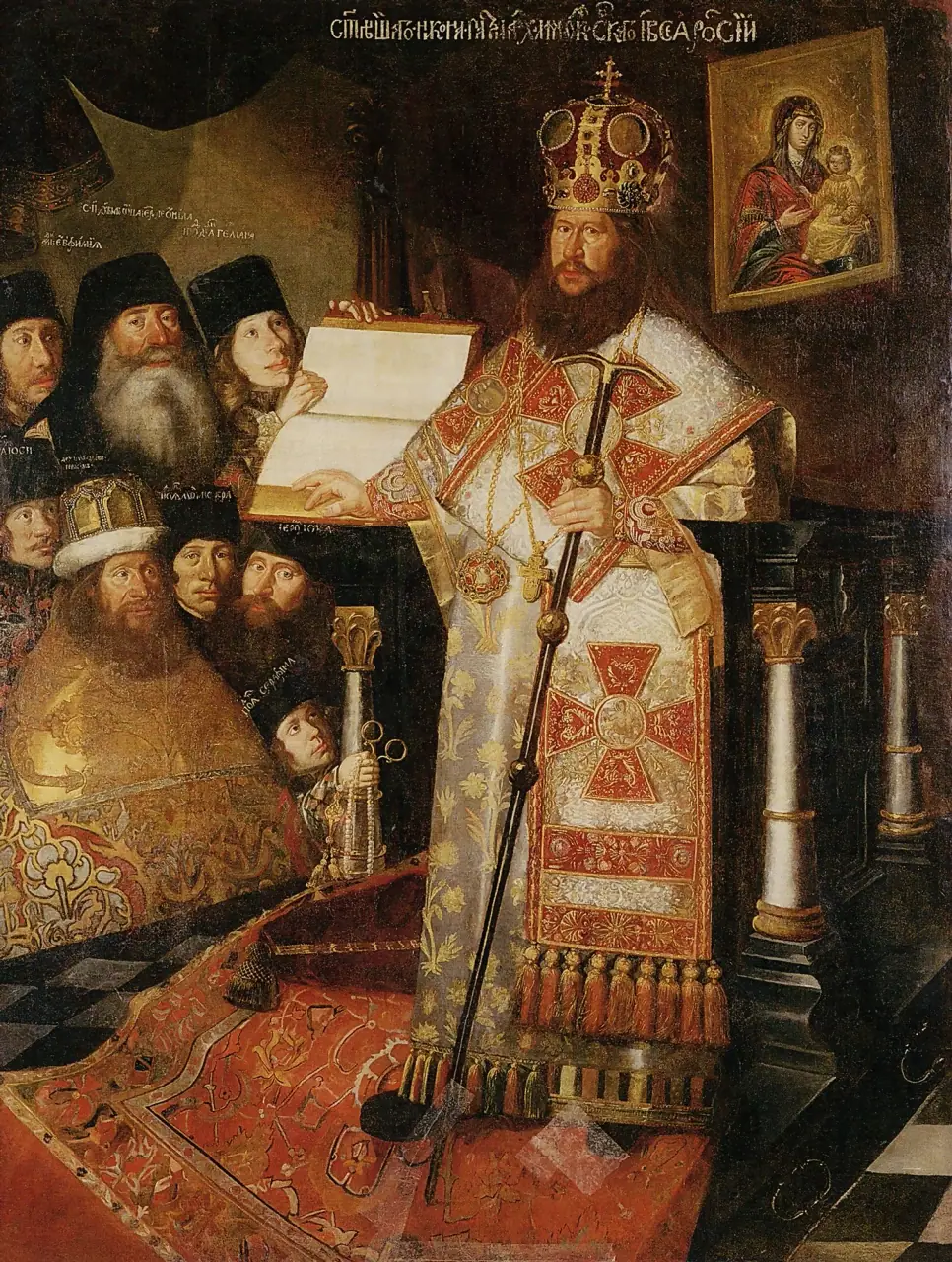
The early Romanov dynasty rebuilt taxation and the army, and the 1649 code fixed the status of peasants and urban taxpayers. Expansion into Siberia, wars with Poland-Lithuania, and liturgical reform meant that territorial growth and social unrest occurred together. While fixing the taxpaying and service population, the state connected new regions into networks of tribute, trade, and military affairs. The 1649 code even specified in detail how the families and property of fugitive peasants were to be returned to landlords, showing how institutions penetrated kinship relations. Church reform, Cossack politics, and local revolts further show that the expanded state never contained only one voice.
01 / 1613–1682How this era began
The Time of Troubles left demographic and fiscal losses; agriculture, towns, and the credibility of rule needed restoration. Restoring order required reconfirming estates, tax arrears, and the powers of local officials, as well as negotiating with Sweden and Poland-Lithuania. The new dynasty relied on surviving offices and service networks, not on creating all institutions anew. Peasants, merchants, and elites all wanted the Troubles to end, but their expectations regarding taxation, movement, and local autonomy differed.
Why did this era begin?
The dynasty depended on service elites and local society to restore tax collection, while military competition drove conscription and the development of new-style armies. War costs and population movement led both landlords and the state to demand more reliable registration and collection. The 1649 codification integrated scattered regulations but also responded to the demands of towns and service strata. Restoration was not a simple return to the past but a redefinition, through new rules, of who could leave, to whom taxes were paid, and which institution adjudicated.
02 / 1613–1682Who held power
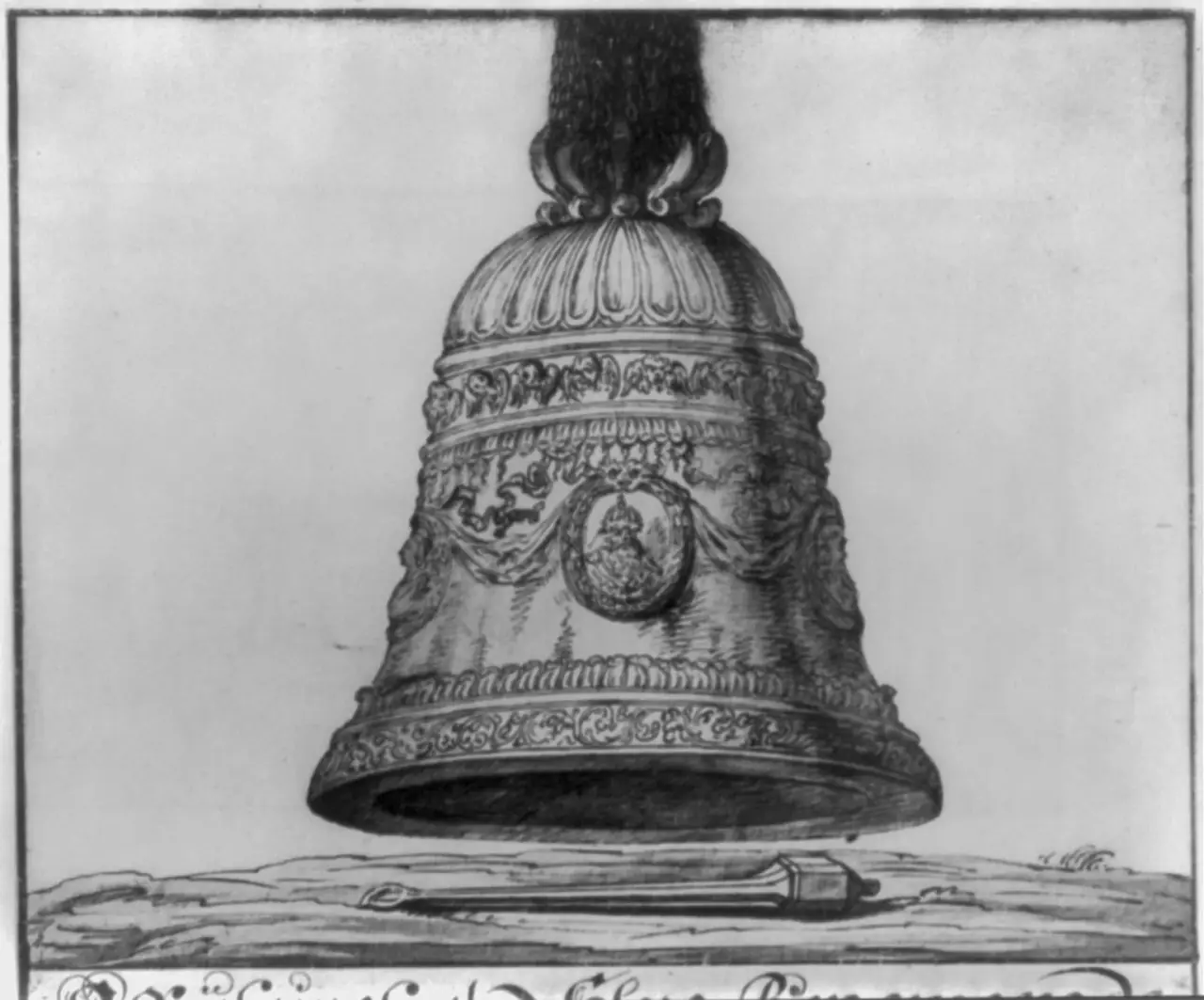
The tsar, the Duma, and central offices coordinated rule, while local governors and communities implemented it; authority relied on a combination of consultation and coercion. Central offices each handled military, fiscal, or local affairs, and overlapping responsibilities sometimes caused conflict. The tsar needed local agents, communities, and petition channels to learn of problems; the severity of the code does not mean the state was all-knowing. The code also distinguished genuine rebellion from petitioning officials, showing that coercion and appeal existed side by side.
What tensions existed within the era?
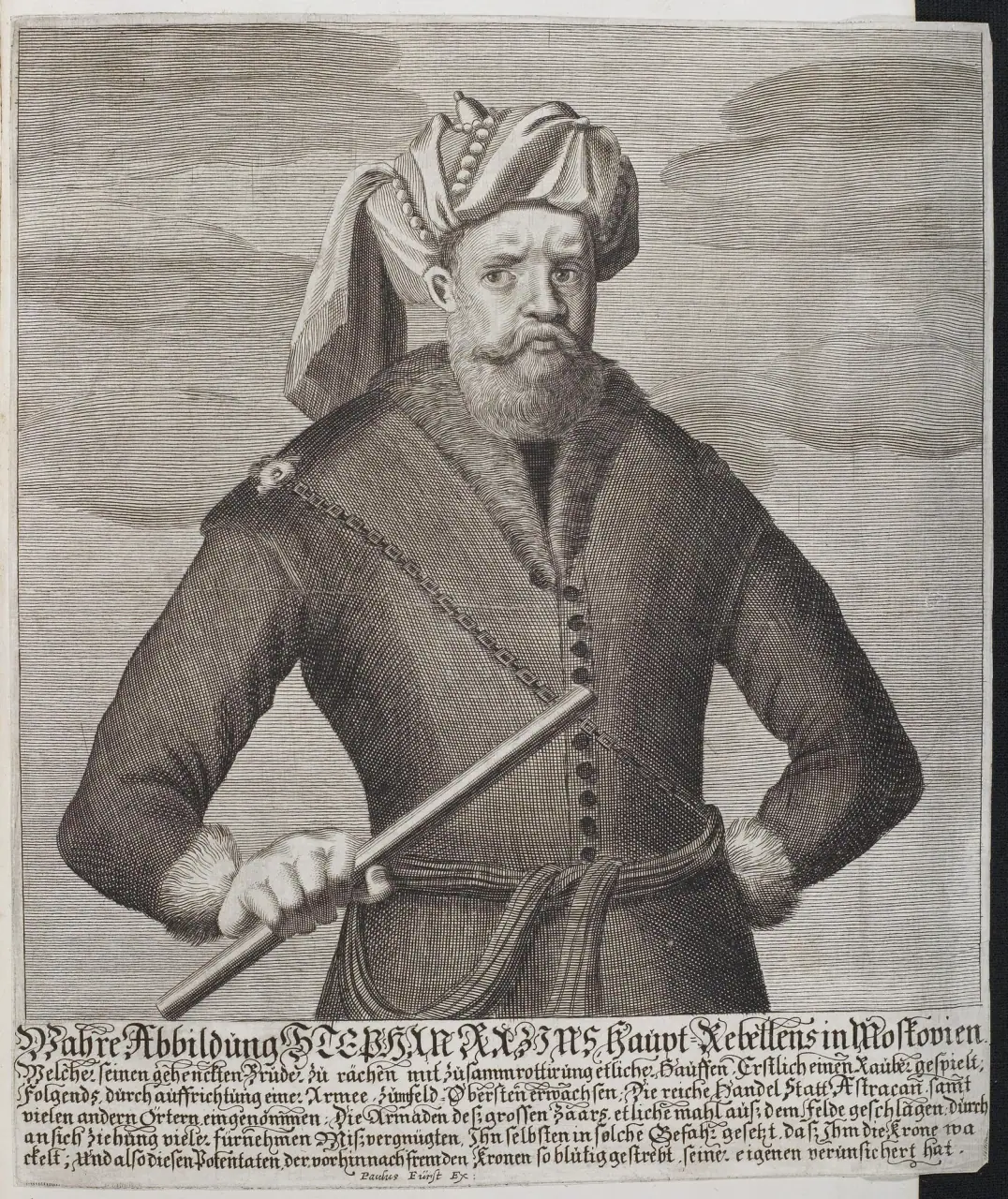
Urban riots, Cossack and peasant uprisings, and Old Believer resistance show that the restoration of order did not enjoy universal consent. Local taxes and official conduct could temporarily unite merchants, artisans, and the poor, while participants in Cossack uprisings held different statuses. Religious reform demanded liturgical uniformity, but some believers saw it as a departure from tradition. Calling all these revolts backward obstacles would ignore how state policy changed community security and livelihoods.
03 / 1613–1682How society worked
The fur tribute drove eastward expansion, while fixed land labor supported the treasury but restricted peasant movement; interregional trade continued to grow. Peasant registration was directly linked to taxation, land sales, and military service revenue; new landlords could demand the return of people who were registered but had fled. Urban taxpayers were also bound to fixed residence. Fur exactions in Siberia took different forms; these arrangements helped finance the state but shifted the costs of movement and choice onto laborers.
How did ordinary people live?
Families bore the burdens of taxation and price fluctuations, Old Believers faced punishment or relocation, and indigenous peoples of the frontier bore tribute and colonial pressure. The code dealt with fugitives' marriages, children, grain, and movable property, showing that pursuit was not merely the removal of a laborer but could split families and property. The religious schism also reached into household prayer and ritual. Merchants, fugitive peasants, or Old Believer communities moving to borderlands sometimes expanded social networks that the state could not fully control.
04 / 1613–1682Where change began
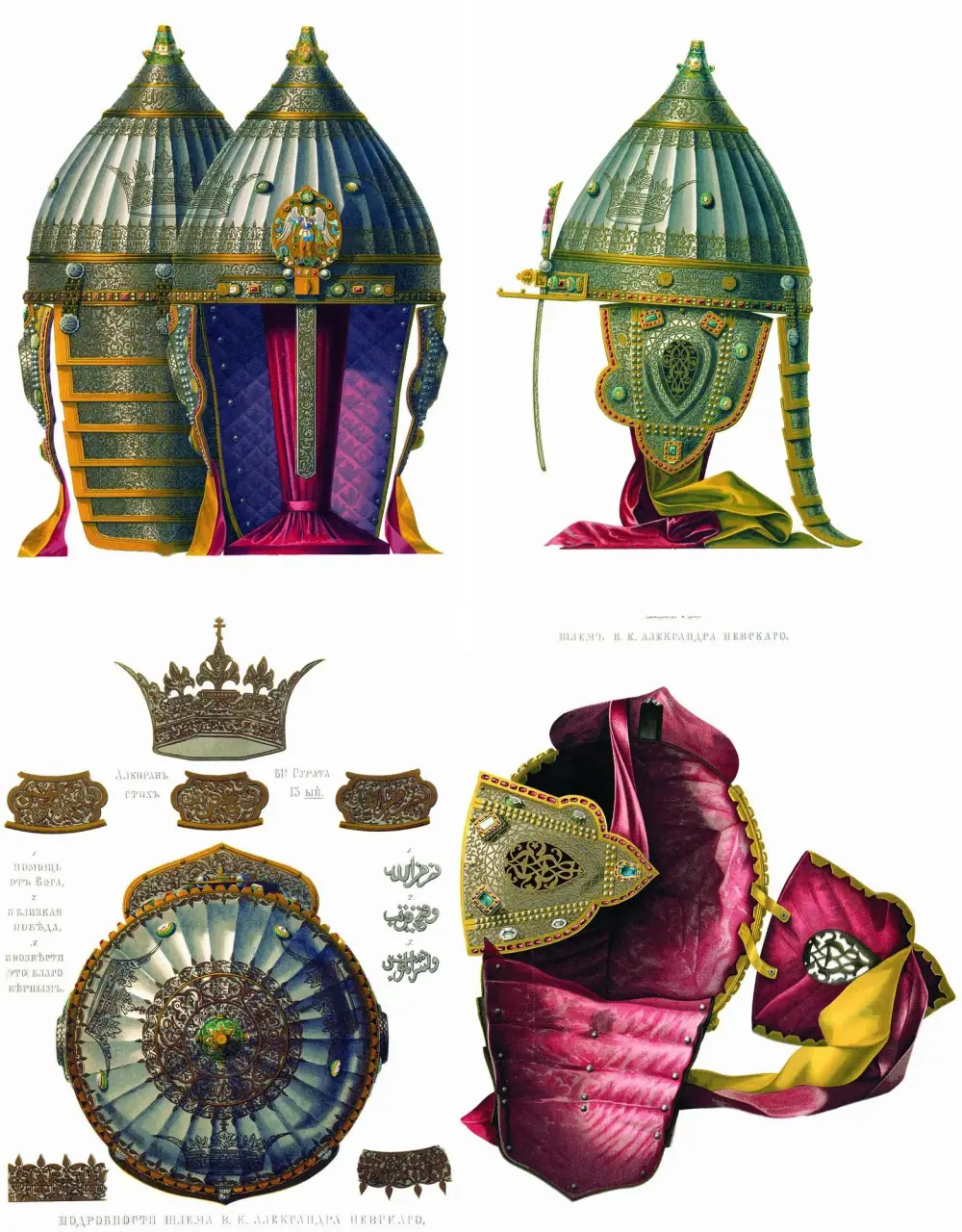
The 1682 succession and Streltsy crisis brought Sophia to regency, and Peter subsequently advanced reforms on the basis of existing military-fiscal changes. The 1682 succession crisis involved the court, the Streltsy, and religious conflict at once, and Sophia's regency failed to stabilize factional relations permanently. Peter later continued to use existing troops, finances, and transnational channels of technology. The end of the period therefore marks a change in the combination of power, not the sudden disappearance of old institutions or the first contact between Russia and the outside world.
Milestones that changed direction
The new dynasty rebuilds power
Restoring the tax base and political alliances was the central task of early rule.
Salt Tax Riot
Fiscal policy and official abuses provoked protests in Moscow.
Promulgation of the Council Code
Rules on peasant status and the pursuit of fugitives became further fixed.
Pereiaslav Council
The Cossacks and Moscow established a contested political arrangement, and the Russo-Polish War changed the regional order.
Truce of Andrusovo
External negotiations divided zones of control, affecting Cossack lands and Kyiv's situation.
Expansion of Razin's uprising
Cossacks, peasants, and various groups rebelled; after suppression, tensions did not disappear.
Avvakum executed
Religious disputes and state power intertwined; persecution drove some communities to the borderlands.
What we know
The selected translation of Chapter XI of the 1649 code specifies in detail the pursuit of fugitives, registration, marriage, and property, allowing observation of how the state fixed status onto families; Chapter II again distinguishes certain petitions from accusations of rebellion. Legal articles state what should be done and cannot prove that localities always complied. Tax registers, petitions, church polemics, and frontier records must therefore still supplement one another, and confessions obtained under torture and official labels of rebels cannot prove themselves true.
Questions still debated
The 1654 arrangement has been interpreted by later generations as a union of different natures; the Cossacks' demands for autonomy and the complexity of the subsequent war should be retained. The nature of the 1654 arrangement and subsequent changes in power should be discussed in light of the Cossacks' search for military protection, demands for autonomy, and the Russo-Polish War. Later national commemoration cannot replace the understandings of the various parties at the time. Explanations of serfdom must also distinguish fiscal, service, and land interests and cannot be reduced to a single cause such as labor scarcity or a ruler's command.
Legacies for later generations
Serfdom, office-based governance, and a multiethnic territory continued into the empire, and the religious schism formed enduring communities. The state's fixing of population and status left the empire with resources but also with persistent tensions over movement, religion, and local governance. Kyiv's scholarly and religious connections helped spread a new culture and should not be written as one-way export of civilization from Moscow. Regarding Siberian expansion, the indigenous societies that paid tribute, lost land, and resisted must also be remembered.
References and evidence
These materials support this page's account. Check the purpose, perspective and accessible scope of each source. Notes identify the evidential limits of excerpts, summaries and timelines.
- The Cambridge History of Russia, Volume 1: public chronology and table of contentsCambridge University Press · Academic research
Checked against the public chronology and authors; no claim is made to have read the full paid book, and uncertainties may remain in traditional dating.
- The Cambridge History of Russia, Volume 1: public chapter abstractsCambridge University Press · Academic research
Only publicly available signed abstracts were read, used for terminology and framing of research questions; no claim is made to have read the chapters in full; key narratives were cross-checked separately against accessible sources and historical texts.
- The 1649 law code: provisions on peasants and state orderUniversity of North Carolina at Greensboro, Jeff Jones teaching sources · Primary source
Actually read selected translations of chapters I, II, XI, and others, focusing on rules for pursuing fugitives, registration, family, and property; selected translations and normative texts cannot prove case-by-case implementation.
- Russia: A Country Study: body text on the Muscovite stateLibrary of Congress, Federal Research Division; CountryStudies.us text mirror · Specialist reference
Read the body text on the rise, Ivan IV, the Time of Troubles, the Romanovs, and expansion; the old survey's personality diagnoses and the claim of complete control by rulers are not used as causal conclusions in this draft.
- Saint Sophia and the Cave Monastery in Kyiv: Statement of heritage valueUNESCO World Heritage Centre · Specialist reference
Actually read the Outstanding Universal Value sections on medieval architecture, mosaics, and later alterations; used only for explaining physical remains, and did not use dynamic news on the page after 2024.
At the end, bring this chapter to a close.