Factories, the Duma, and war
Why did an empire with railways, a parliament, and industrial growth still disintegrate in war?
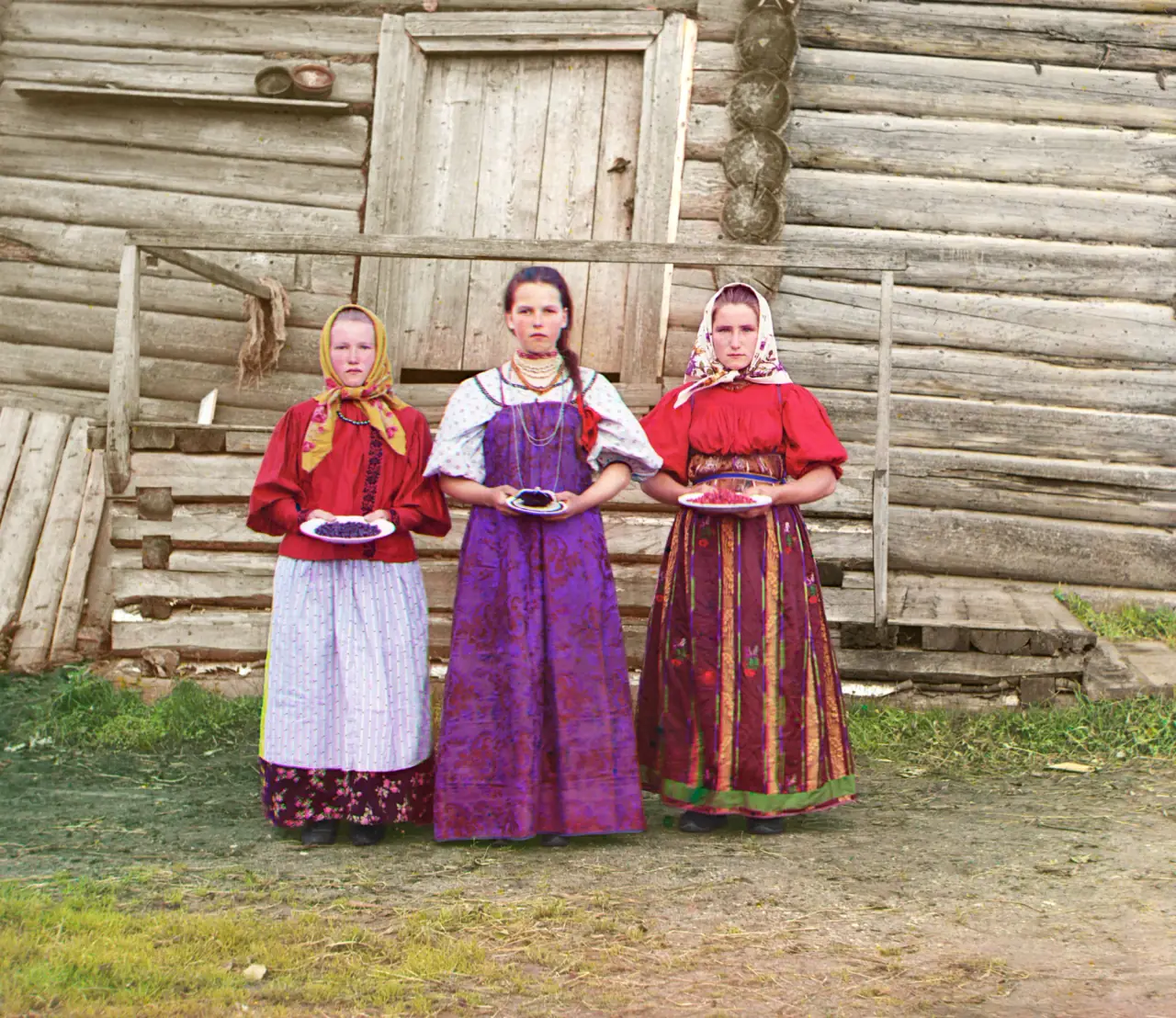
Industrialization concentrated workers in large cities, while demands over land and nationality politics remained strong. The 1905 Revolution forced the monarch to promise freedoms and a Duma, yet conflict between autocracy and representative institutions continued; the Great War ultimately weakened supply, army loyalty, and the regime's credibility. Railways linked factories, markets, and the front, and also allowed strikes and news to spread beyond local boundaries. The existence of the Duma made institutional conflict public, but did not resolve the question of to whom the government was accountable. The Great War did not simply apply pressure to an unchanging old society; it interrupted an imperial order that was already changing and had accumulated deep contradictions.
01 / 1894–1917How this era began
The Great Reforms left behind mobile populations, public space, and land problems; political tightening did not halt social change. Nineteenth-century reforms increased mobility, literacy, and the capacity for professional organization, yet political restrictions and national distinctions persisted. Workers retained ties to rural families, and the land question did not disappear upon entering the factory. Liberals, socialists, and national movements all opposed parts of the old system, but had no common answer on property, the form of the state, or self-government.
Why did this era begin?
The Russo-Japanese War and the repression of 1905 sparked protests, and workers, peasants, national movements, and liberals formed an unstable alliance. After the 1905 petition was fired upon, strikes, mutinies, and local actions drove one another; defeat by Japan weakened the government's credibility, but was not the starting point of all protest. The October Manifesto divided the opposition camp: some accepted limited representation, while others demanded deeper reform. The state simultaneously promised freedoms, restructured institutions, and suppressed continued resistance.
02 / 1894–1917Who held power
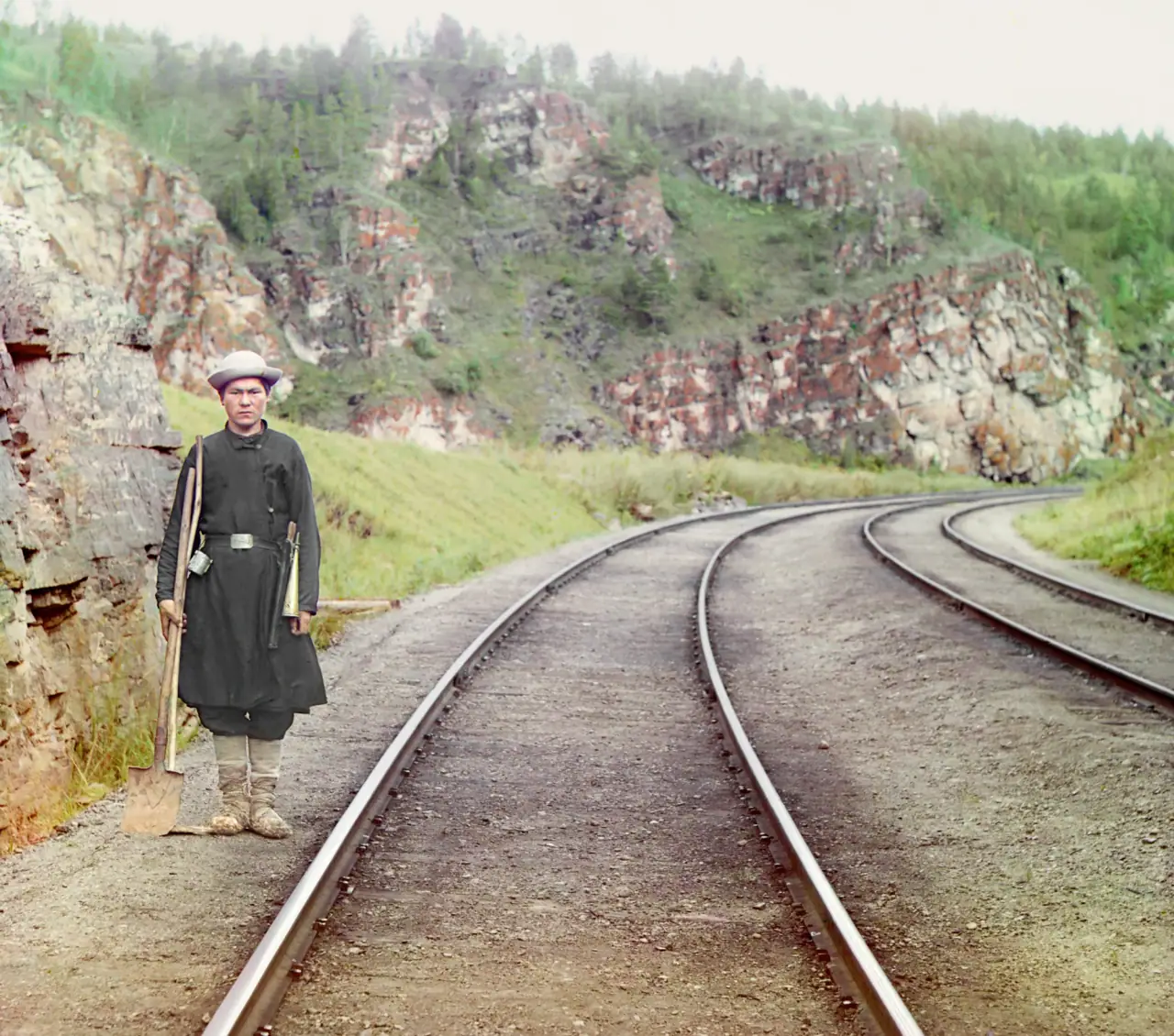
The tsar retained executive and military power; the Duma could discuss legislation, but was constrained by dissolution, electoral rules, and monarchical authority. The Duma had to coexist with the upper chamber, the administration, and monarchical power; the 1906 Fundamental Laws did not establish a parliamentary cabinet system. The 1907 change to the electoral rules increased the weight of landowners and wealthy voters and also limited non-Russian representation. Thereafter the parliament could still debate military spending and local affairs; the severe restrictions must not be miswritten as an institution with no practical effect at all.
What tensions existed within the era?
Contradictions over labor, land, national autonomy, and monarchical power compounded; the state could requisition resources but found it hard to maintain legitimacy. Landowners defending property, peasants seeking land, workers striving for labor rights, and national demands for autonomy intersected, yet did not necessarily support the same party. The monarch refused to share core responsibility with representative institutions, making wartime difficulties more easily turn into a legitimacy crisis. Court rumors and personal scandal could accelerate loss of trust, but cannot by themselves explain why the system lost cooperation.
03 / 1894–1917How society worked
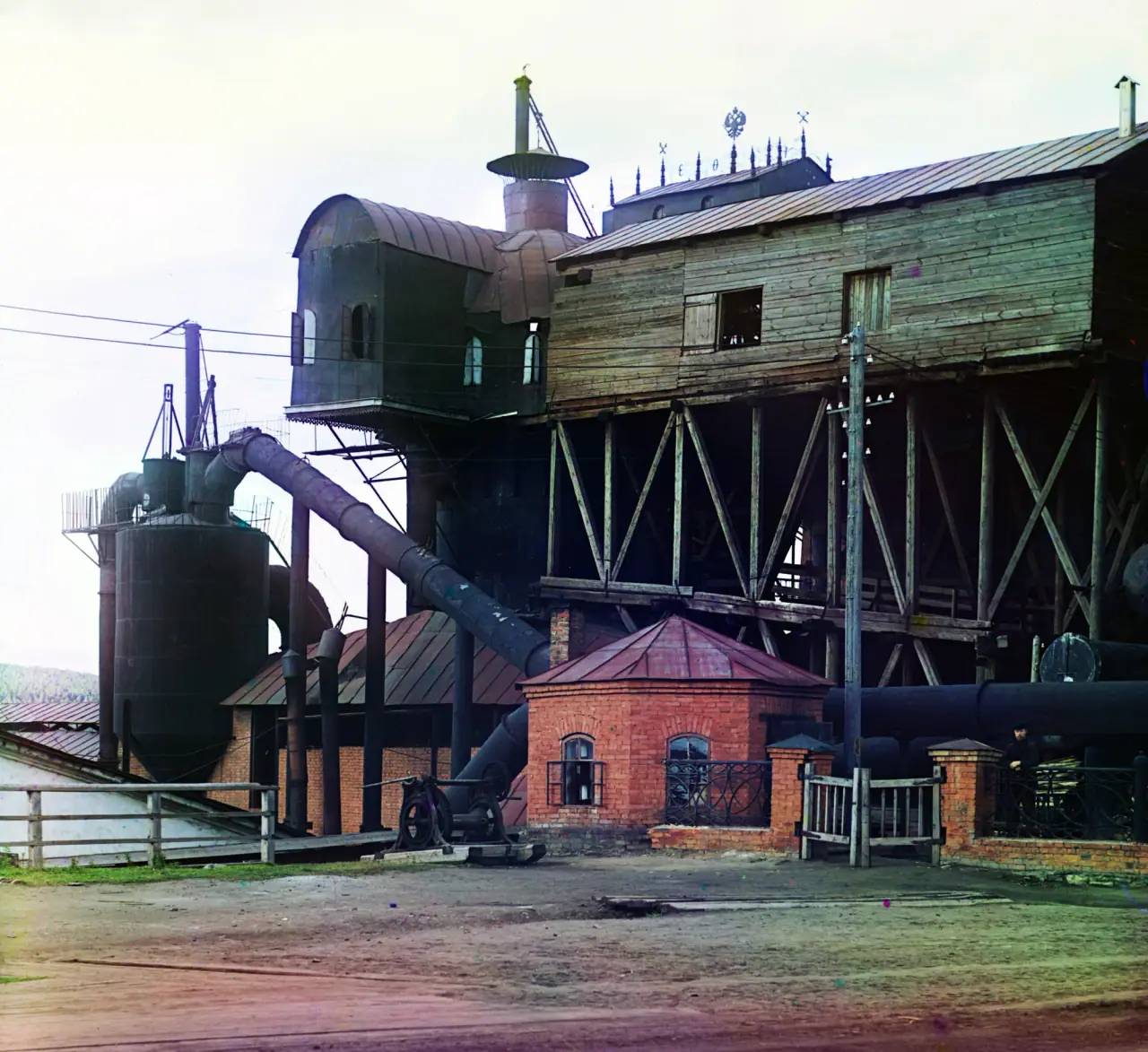
Heavy industry, railways, and foreign investment expanded, while agriculture still sustained the livelihood of most people; Stolypin attempted to change the communal land structure. Fiscal policy, foreign capital, and railway orders supported industry, while agriculture and household sidelines still supplied labor and food. Stolypin hoped that individualization of land would produce stable supporters, but peasants weighed communal security, risk, and the market. Wartime conscription withdrew labor, transport was prioritized for the army, and production, prices, and urban food supply therefore affected one another.
How did ordinary people live?
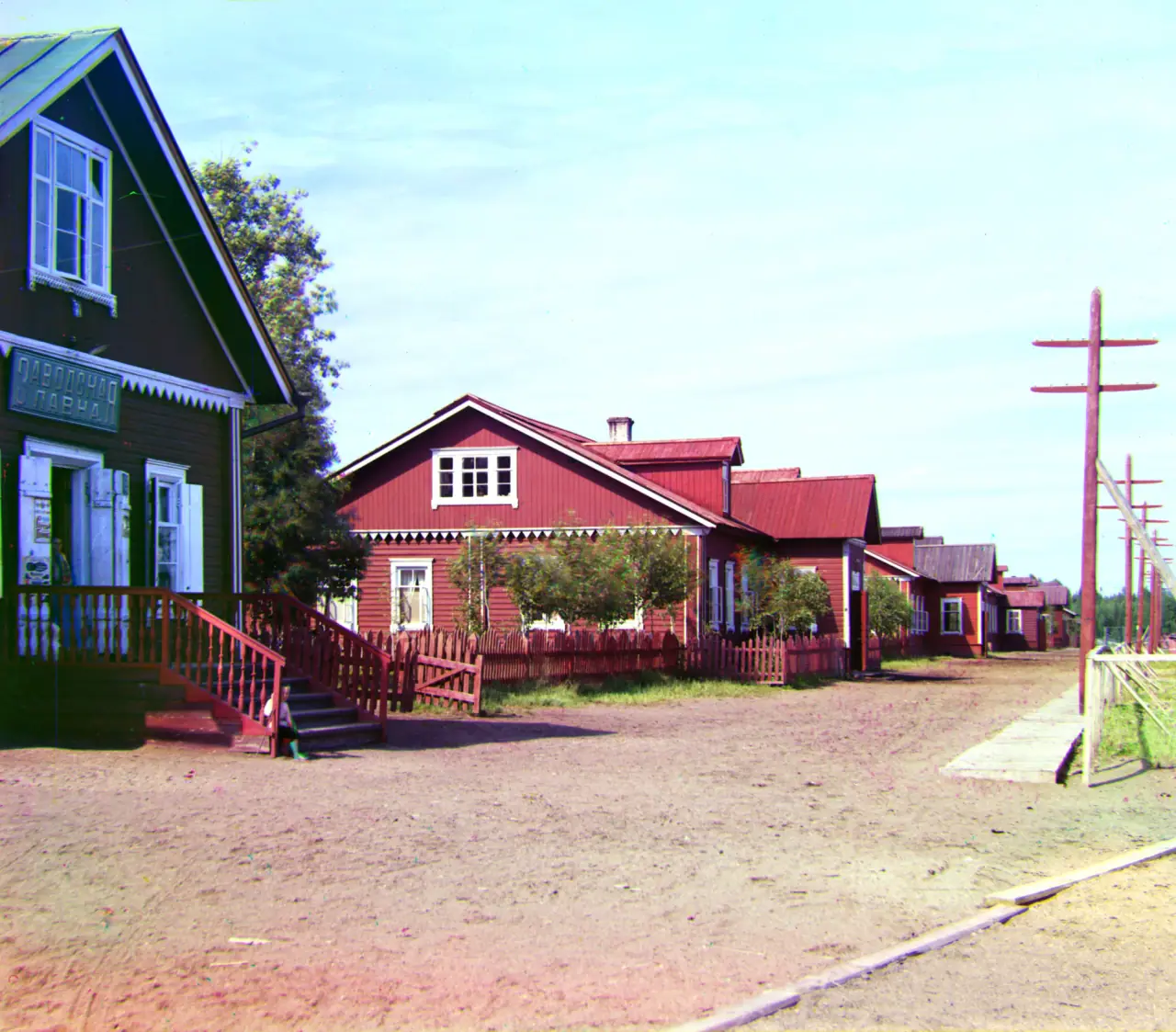
Wage labor came with crowded dormitories, and families made a living across town and countryside; wartime inflation, queues, and casualties increased discontent. Urban workers experienced the state and enterprises through wages, dormitories, canteens, and factory discipline; unemployment or war could also send them back to the village. Families faced inflation and casualties, and people in queues and women workers took part in protests. Residents of border regions also faced evacuation, military governance, and ethnic suspicion; the imperial wartime experience cannot be represented by the single city of Petrograd.
04 / 1894–1917Where change began
The protests of 1917 and the mutiny of the garrison expanded, military and political elites withdrew support, and Nicholas II abdicated. In 1917 the garrison refused to suppress protests effectively, and the government was already finding it hard to turn orders into reliable action. Military and political leaders withdrew support, causing the dynasty to fall quickly, but a new political order did not thereby achieve consensus. February ended the monarchical rule of this chapter and also opened a new stage in which demands over land, war, and sovereignty were all pressed for fulfillment at once.
Milestones that changed direction
Imperial population census
Diversity of language, religion, and occupation became more visible, and the classifications themselves reflected a governing perspective.
Outbreak of the Russo-Japanese War
The two countries competed for interests in Northeast China and around Korea, and local residents bore the consequences of war.
Bloody Sunday and revolution
After fire was opened on petitioners, strikes, rural and national protests expanded, and this cannot be attributed only to defeat in war.
October Manifesto
The monarch promised civil liberties and a Duma, and the opposition camp split over compromise.
The Duma and land reform
Limited representation and agricultural policy proceeded together, while the state still responded to opponents with repression.
Changing the electoral system
After the dissolution of the Second Duma, the influence of propertied elites increased, and constitutional promises were further restricted.
Entry into the First World War
After initial mobilization, losses, logistics, and price problems eroded social cooperation.
February Revolution and the tsar's abdication
Protests and mutinies in February by the old calendar, March by the Gregorian calendar, ended Romanov rule.
What we know
The imperial chronology and the main historical text for 1905–1907 distinguish the October Manifesto, the 1906 Fundamental Laws, and the 1907 electoral change, while the Japanese archival exhibit supplements the course of the war. Newspapers, police records, Duma sessions, and private correspondence each had their own standpoint, and party programs cannot prove that all peasants or workers supported them. The different figures for Bloody Sunday and for war losses must specify their subject and method of counting, and memoirs and later-filmed movies cannot by themselves reconstruct the scene.
Questions still debated
War was a powerful catalyst; the revolution cannot simply be attributed to industrialization failure, foreign conspiracy, or a predetermined class outcome. Whether stable development toward a constitutional system was possible after 1905 is a debate about choices and constraints, not a verifiable alternative history that actually occurred. Industrial growth did not automatically eliminate problems of land, nationality, and accountability; on the contrary, new organizational capacities could amplify demands. The causes of revolution must be combined with the impact of war and specific political responses.
Legacies for later generations
The soviets, parties, and mobilization experience of 1905 influenced 1917, and the collapse of the empire also released demands for autonomy in various regions. The strikes, soviets, parties, and press of 1905 provided organizational experience, and the Duma also left a practice of representative politics. Thereafter there was not only one road leading to October; the war and the choices of 1917 recombined alliances. For residents of Northeast China, Korea, and the imperial periphery, great-power rivalry and dynastic crisis brought different losses and opportunities.
References and evidence
These materials support this page's account. Check the purpose, perspective and accessible scope of each source. Notes identify the evidential limits of excerpts, summaries and timelines.
- The Cambridge History of Russia, Volume 2: public abstracts on the imperial periodCambridge University Press · Academic research
Checked governance, estates, women, agriculture, economy, and thought in the public abstracts; this is not a page-by-page review of the whole book.
- The Cambridge History of Russia, Volume 2: public chronologyCambridge University Press · Academic research
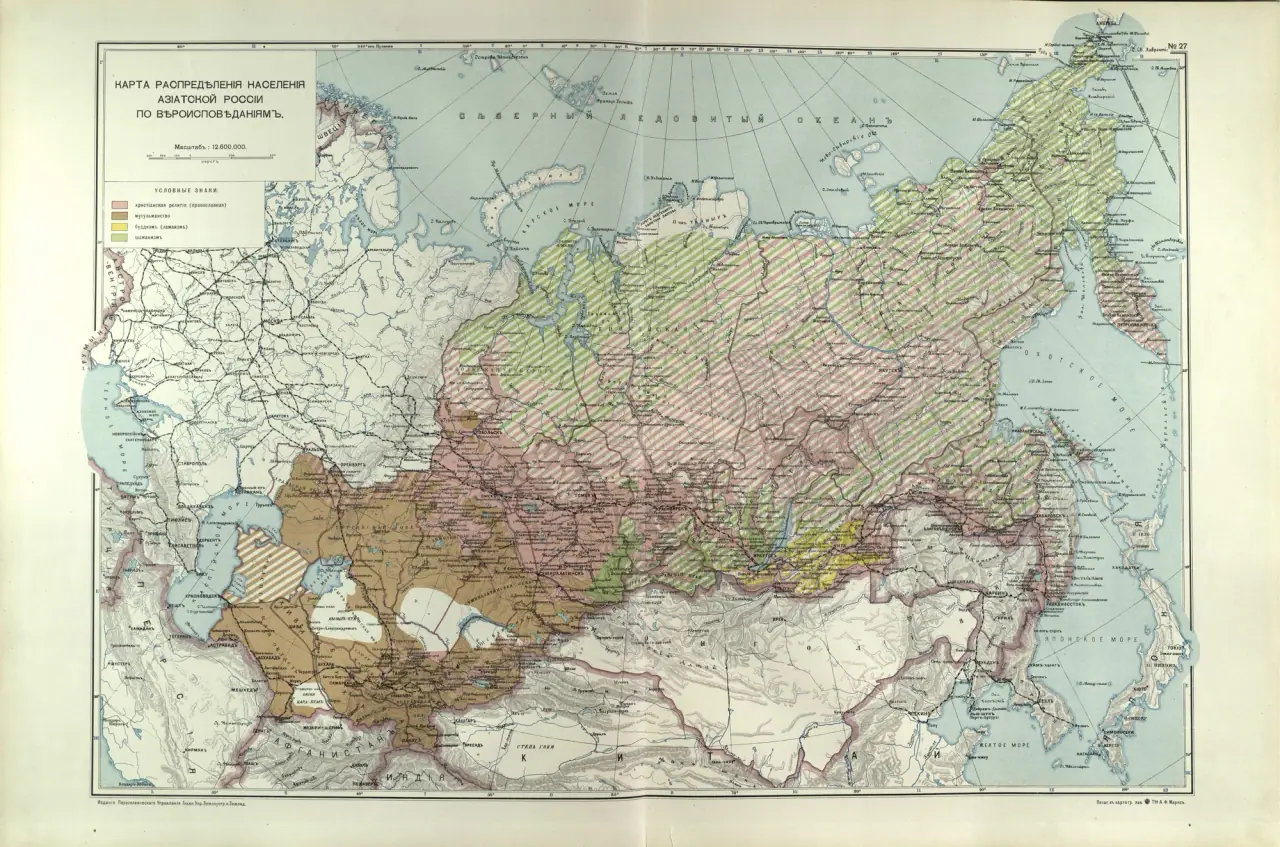
Publisher's public PDF, used to check dates and chapter structure; the map insert does not thereby become openly licensed.
- Russo-Japanese War archive exhibition: war recordsJapan Center for Asian Historical Records,National Archives of Japan · Archive
Read the Japanese archive exhibition for comparison on the 1904–1905 war; it must be combined with the experiences of Northeast China and Korea.
- Lewis Siegelbaum: The October RevolutionSeventeen Moments in Soviet History, a university history-source teaching project · Academic research
Read the signed feature and distinguish the seizure of power in the capital, mass mobilization, and subsequent state-building.
- Russia Country Study: Main text on the final years of autocratic ruleLibrary of Congress, Federal Research Division; CountryStudies.us text mirror · Specialist reference
Actually read the main text on 1905–1907 and the Stolypin reforms; distinguished the manifesto, the 1906 Fundamental Laws, and actual power, and did not call the October Manifesto itself a complete constitution.
- Russia: A Country Study: body text on the nineteenth-century transformationLibrary of Congress, Federal Research Division; CountryStudies.us text mirror · Specialist reference
Actually read the main text on the Great Reforms, local governance, the judiciary, military service, and counter-reforms; cross-checked against the Yale law exhibition and academic chronologies; did not use unreviewed statistics or erroneous dates from older books.
- The February Revolution: Streets, women workers, and the garrisonSeventeen Moments in Soviet History, a university history-source teaching project · Academic research
Actually read the feature main text, checking the capital protests, Old Style and New Style dates, the garrison, and the monarch's abdication; did not treat women or the army as a single political bloc.
At the end, bring this chapter to a close.