Revolution did not occur only in the capital
How did a revolution for peace, land, and autonomy move toward a one-party state?
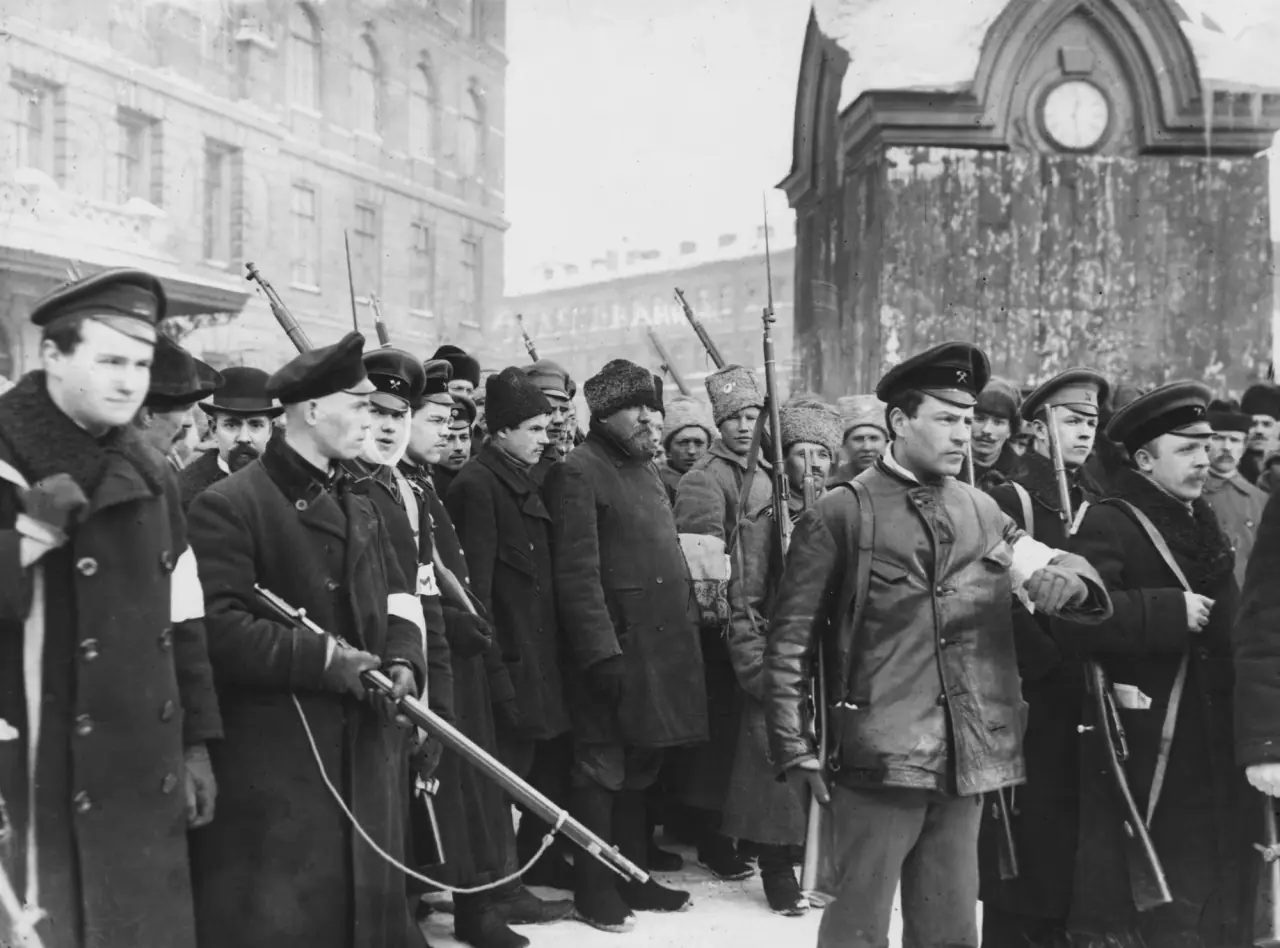
In 1917 workers, soldiers, peasants, and national movements put forward different demands. After the Bolsheviks seized power in October, there followed civil war, intervention, famine, and social experiments; the New Economic Policy restored part of the market, yet advanced alongside the consolidation of one-party rule. Land tenure, factory management, and soldiers' obedience were all being reorganized, while the central government had to decide on war, grain, and legitimate representation. The Red Army's victory did not eliminate peasant resistance to grain requisitioning, and economic recovery did not restore political competition. Promises of equality for women and nationalities, avant-garde culture, and new coercive institutions coexisted; the language of the victors alone cannot replace the whole revolutionary experience.
01 / 1917–1928How this era began
After the abdication, the Provisional Government bore responsibility for the war and administration, while the soviets and local committees held the authority of mass mobilization. The Provisional Government did not inherit the tsar's generally accepted chain of command, and factory committees, soldiers' committees, village communes, and local national institutions each had their own claims. The war was still ongoing, and food and transport also had to be organized. The revolution expanded the space for action, but did not make clear who could represent the people, how land should be distributed, or whether the fighting should continue.
Why did this era begin?
The continuation of the war, the delayed land settlement, and the disintegration of the army weakened the government, and the Bolsheviks expanded their support among key groups. Bolshevik support varied greatly across regions and groups; the response of the capital garrison and workers to peace and Soviet power was especially crucial. Land actions had already unfolded in the countryside, and the central land decree also absorbed existing demands. October thus connected the organized seizure of power with social change, and neither dimension can be entirely removed.
02 / 1917–1928Who held power
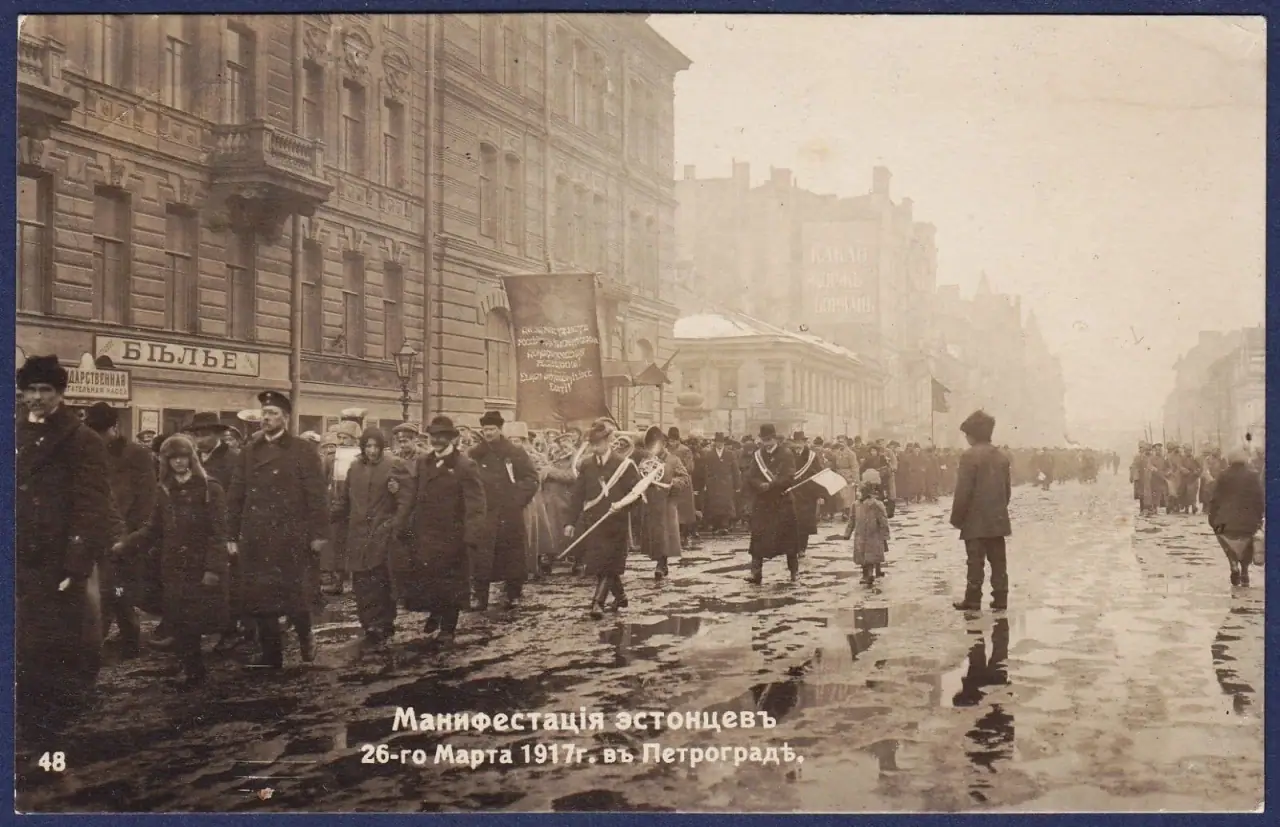
The Council of People's Commissars and the Communist Party gradually overwhelmed the multi-party Soviets and the Constituent Assembly, while the political police, the Red Army, and party discipline strengthened the center. The Soviets initially had space for multiple parties and local action; afterward, party organizations, the political police, and military orders increasingly centralized decision-making. The dissolution of the Constituent Assembly eliminated another form of nationwide representative legitimacy, and the civil war deepened exclusion and coercion. The establishment of national republics did not mean that localities could break away from centralized party leadership; formal structures and actual power must be kept separate.
What tensions existed within the era?
Red, White, and other armed violence, anti-Jewish pogroms, and ethnic conflict caused losses; peasants who opposed grain requisitioning did not necessarily support either side. The White armies, the Red Army, ethnic armed forces, and local resistance each had their own alliances and violence; anti-Jewish pogroms cannot be written as chaos without agents. Peasants' demand for land did not mean acceptance of unlimited grain requisitioning, and workers who supported the revolution might also oppose the militarization of labor. Disagreements within the party were likewise real, yet were gradually replaced by organizational discipline and the removal of opponents.
03 / 1917–1928How society worked
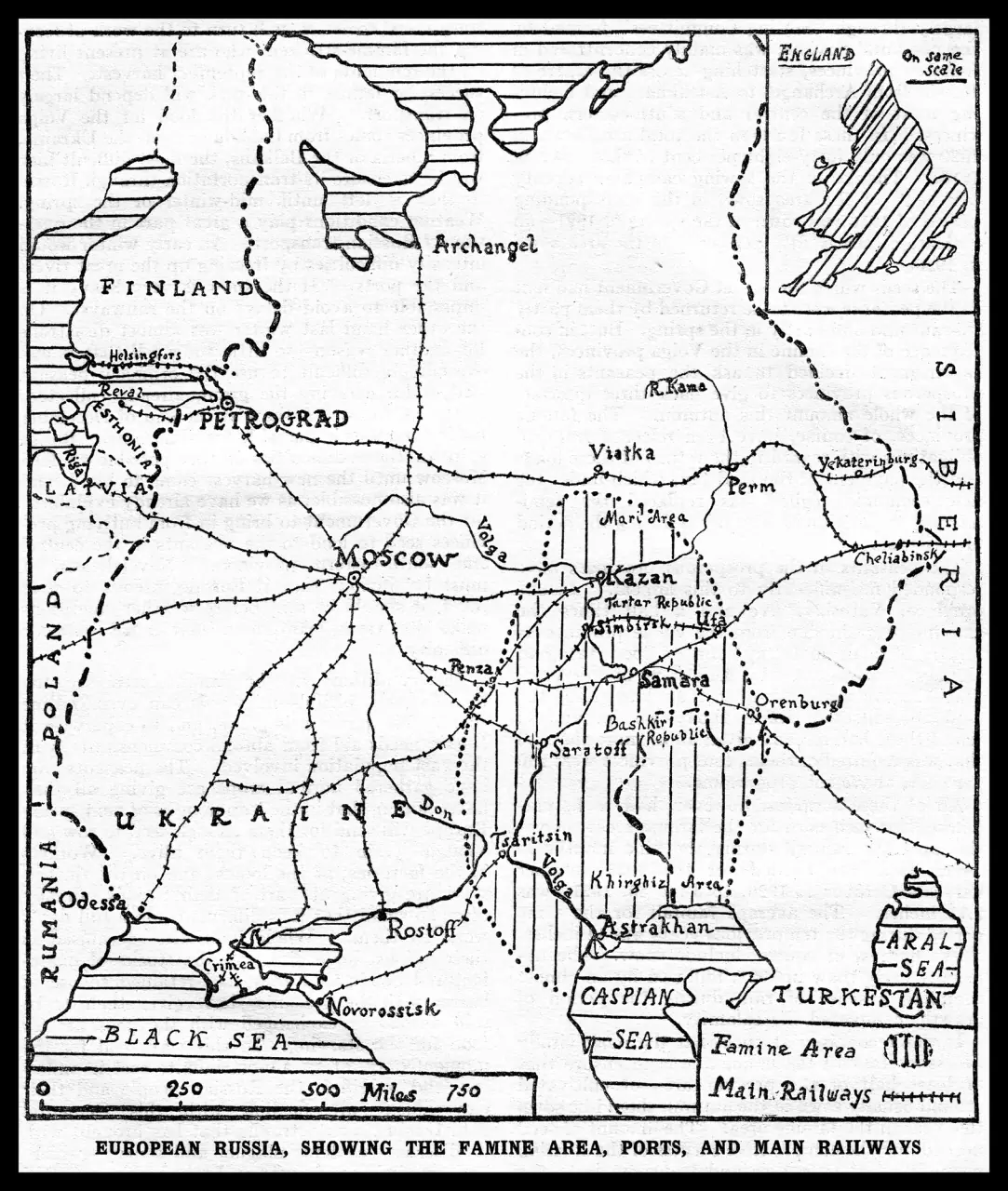
Grain requisitioning and nationalization disrupted exchange; after 1921, the tax in kind and private trade restored part of the supply, while key industry and finance remained under state control. The wartime government used requisitioning and rationing to sustain the cities and the army, but peasants might be unwilling to hand over grain for lack of industrial goods. The tax in kind and permission to sell surplus grain restored part of exchange, and the New Economic Policy also brought peddlers and unemployment. State-owned heavy industry, banks, and foreign trade were retained, so the 1920s were not a simple return to the pre-revolutionary free market.
How did ordinary people live?
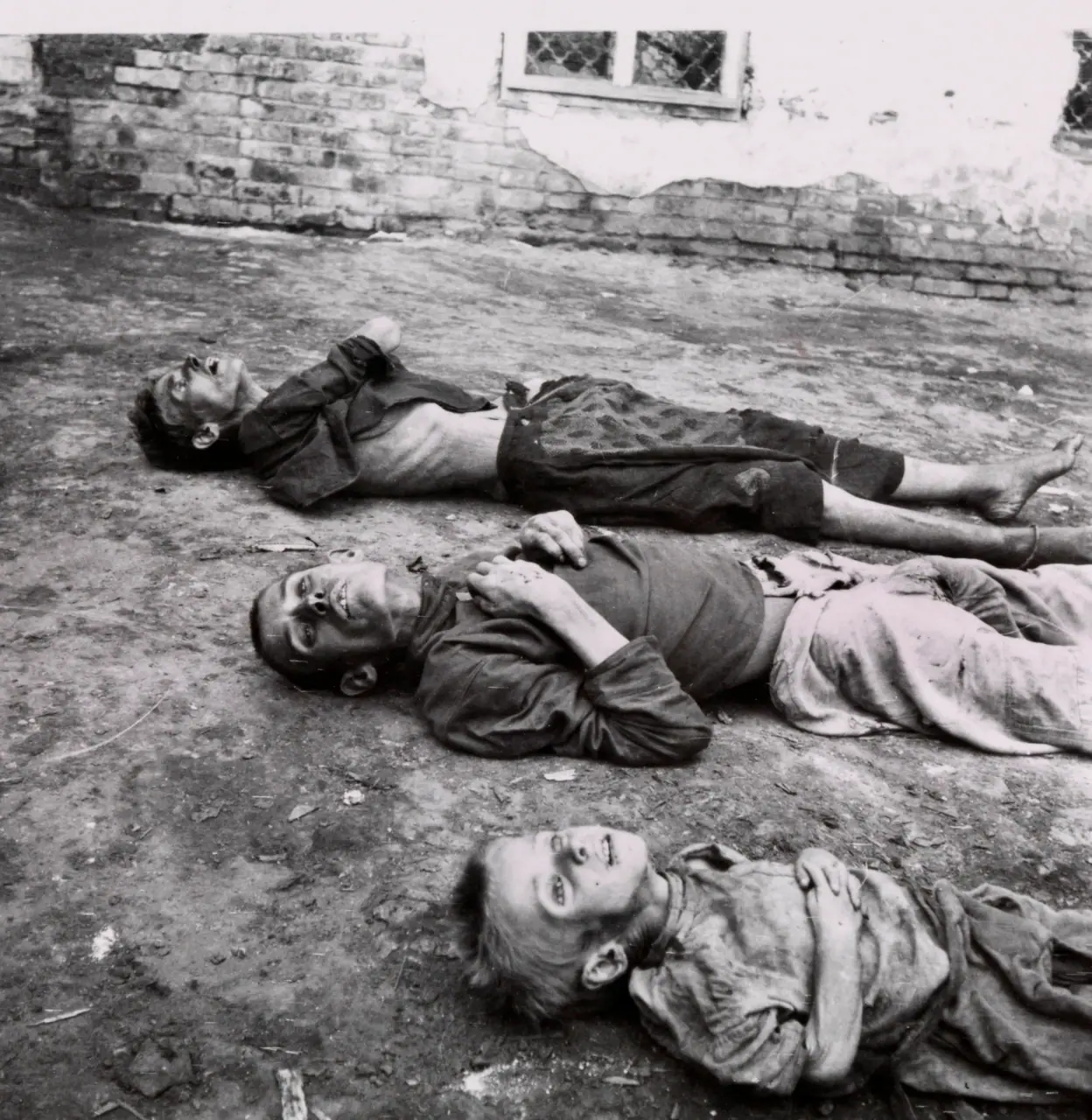
Food shortages drove urban populations back to the countryside; women took part in legal and labor reforms; separated children and epidemics were widespread; yet the 1920s also offered active cultural space. Separated children, returning populations, and famine relief show that the consequences of war went beyond party struggle. Legal and social services attempted to change marriage, education, and care, but resources were insufficient, and women often still bore housework. Shops, entertainment, and cultural experimentation reappeared in the cities, while family experience differed greatly by urban or rural setting, occupation, and whether one fell under political suspicion.
04 / 1917–1928Where change began
After the 1927–1928 grain procurement crisis and inner-party struggle, Stalin turned toward forced extraction and rapid industrialization. The supply crisis gave Stalin the opportunity to push coercive measures, while debates over relying on the market and different speeds of industrialization still existed within the party. Removing rivals and changing policy reinforced each other. The 1928 periodization indicates a turn toward the Five-Year Plans and collectivization; it should not be presented as the only socialist road already written when Lenin died.
Milestones that changed direction
February: A New Center of Power
The Provisional Government and the Soviets coexisted, while factories, the army, and the countryside formed their own organizations.
The October Armed Seizure of Power
October 25 in the old calendar is November 7 in the Gregorian calendar; forces led by the Bolsheviks overthrew the Provisional Government.
Dissolution of the Constituent Assembly and Withdrawal from the World War
The January assembly was dissolved, and the Treaty of Brest-Litovsk was signed in March; representation and the path to peace split.
Expansion of the Civil War and the Red Terror
Intervention, multiple local wars, and political repression intertwined, and violence by all sides affected civilians.
Kronstadt and the New Economic Policy
The state suppressed resistance and adjusted the economy; economic retreat did not restore political pluralism.
Formation of the Soviet Union
Russia, Ukraine, Belarus, and the Transcaucasian Federation formed a union; the all-union level is not equivalent to Russia.
Death of Lenin
The succession struggle unfolded through party organizations and policy debates, and Stalin gradually removed his rivals.
Beginning of the First Five-Year Plan Period
Industrialization and forced extraction from the countryside ended the main arrangements of the New Economic Policy.
What we know
The thematic sections on February, the peasant revolution, and the New Economic Policy link the streets, village communities, and urban-rural supply; the LOC documents provide direct material on grain requisition orders and political coercion. The central decrees, local organizations, and peasant land actions followed different timelines and cannot substitute for one another. Revolutionary newspapers and memoirs must have their standpoints explained; the later filmed reenactment of the Winter Palace is a construction of memory; the actual reach of cultural and legal promises must still be tested against everyday materials.
Questions still debated
October was both an organized seizure of power and part of a social revolution; the causation of the civil war and the one-party system cannot be reduced to complete inevitability or pure accident. Whether War Communism was an emergency response to scarcity or an attempt to realize radical ideals may have involved both at once in different practices. Whether the New Economic Policy could have continued long term is a counterfactual question, and it cannot be asserted that it would necessarily have succeeded. Comparing when each institution excluded which participants is more testable than describing all of history as either pure conspiracy or spontaneous mass action.
Legacies for later generations
The Soviet Union combined the form of national republics with centralized Communist Party leadership; promises of equality and state violence both became twentieth-century legacies. The land revolution broke the old landlord order, while the party-state and security agencies also created new power disparities. Soviet national education and the republic system created real institutional space, yet were constrained by the center. The global impact of the Russian Revolution included hopes for equality and anti-colonial liberation, and also the experience of party monopoly and political violence being imitated.
References and evidence
These materials support this page's account. Check the purpose, perspective and accessible scope of each source. Notes identify the evidential limits of excerpts, summaries and timelines.
- Lewis Siegelbaum: The October RevolutionSeventeen Moments in Soviet History, a university history-source teaching project · Academic research
Read the signed feature and distinguish the seizure of power in the capital, mass mobilization, and subsequent state-building.
- Lenin introduces the New Economic PolicySeventeen Moments in Soviet History, a university history-source teaching project · Academic research
Read the feature and check the coexistence of the 1921 economic retreat and political centralization.
- Revealing the Russian Archives: Inside the Soviet UnionLibrary of Congress exhibition in cooperation with Russian archives · Archive
Provides documents and translations on grain requisition, repression, censorship, deportation, and reform; the 1992 general introduction's period stance must be read against other research.
- Revealing the Russian Archives: The Soviet Union and the United StatesLibrary of Congress · Archive
Check documents on aid, alliance, the Cold War, and nuclear crises; do not use old statistical ratios that have not been independently reviewed.
- Dekulakization as class liquidation: agricultural collectivizationSeventeen Moments in Soviet History, a university history-source teaching project · Academic research
Check the grain requisition crisis, coercion, peasant resistance, and famine; do not treat old estimates as precise mortality statistics.
- The end of the Soviet UnionSeventeen Moments in Soviet History, a university history-source teaching project · Academic research
Read the feature and check the coup, the Ukrainian referendum, Belovezha, and the resignation; retain the different political paths.
- The February Revolution: Streets, women workers, and the garrisonSeventeen Moments in Soviet History, a university history-source teaching project · Academic research
Actually read the feature main text, checking the capital protests, Old Style and New Style dates, the garrison, and the monarch's abdication; did not treat women or the army as a single political bloc.
- The peasant revolution of 1917Seventeen Moments in Soviet History, a university history-source teaching project · Academic research
Actually read the feature main text, checking the sequence among land, village communes, and central decrees; land aspirations are not equivalent to support for every policy of a particular party.
- The double burden: wage labor and houseworkSeventeen Moments in Soviet History, a university history-source teaching project · Academic research
The feature discusses the gap between employment, housework, and the promise of socialist gender equality.
At the end, bring this chapter to a close.