Free peasants, unresolved land questions
After the removal of personal bondage, why did land and rights remain political problems?
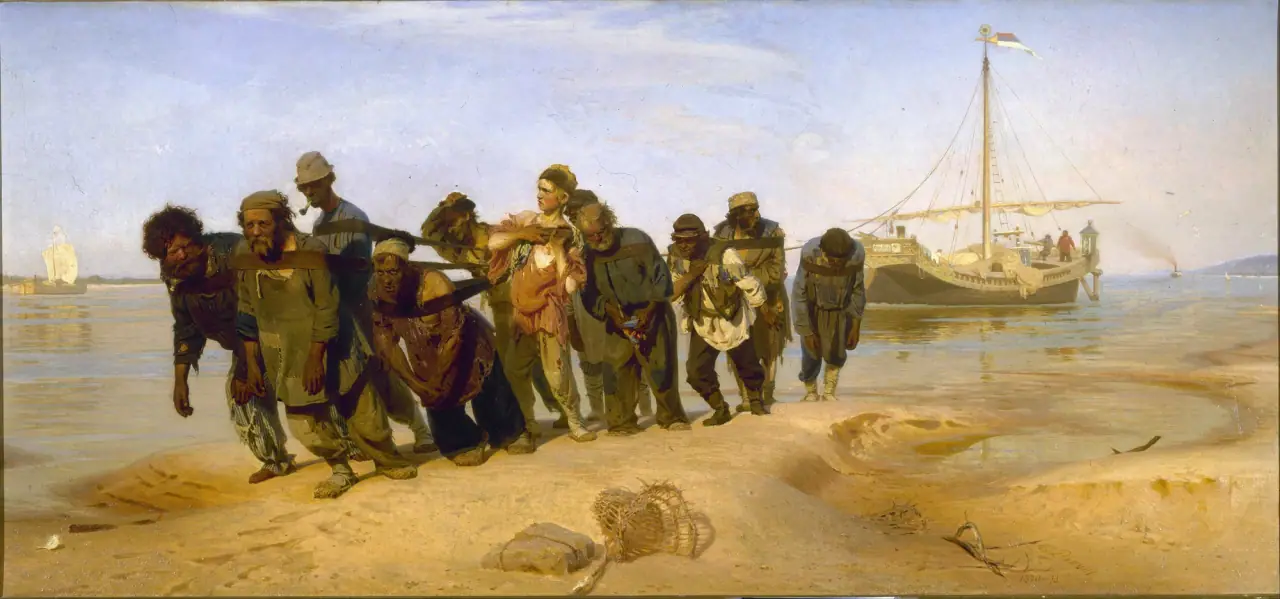
The emancipation of privately owned serfs in 1861 changed legal status, and subsequent reforms of the judiciary, local self-government, education, and the military reshaped society. Autocracy and noble influence remained, and allotments, redemption burdens, and differential status made the acquisition of freedom a long process. After a peasant household gained legal freedom, it still had to deal with allotments, redemption, and village commune obligations; changes in courts and local schools had different coverage. The state wanted both to expand mobile labor and military recruitment and to maintain landlord and fiscal stability; it was precisely this mutual constraint among goals that made the Great Reforms a long and uneven social transformation.
01 / 1855–1894How this era began
The defeat in the Crimean War showed that a state relying on serfs and the old military system could not sustain competition. Landlords depended on peasant labor, and the state depended on agricultural tax sources and conscription; both feared that reform would disrupt income and order. Military defeat increased the urgency of changing the old system, but it did not tell officials how to distribute land or compensate landlords. The specific content of reform came from years of competing proposals and bargaining in local committees.
Why did this era begin?
The monarch and officials wanted to change the system from above, to avoid uncontrolled rebellion, and also to protect landlords, finances, and state order. Emancipation was not a brief decree but a set of laws concerning status, land, transitional obligations, and implementing institutions. Landlords influenced the proposals in local committees, and peasants also expressed their understanding through petitions, refusals, and practical negotiations. There was a time lag between the publication of the law and the actual acquisition of stable rights, so effects cannot be judged by the date of promulgation alone.
02 / 1855–1894Who held power
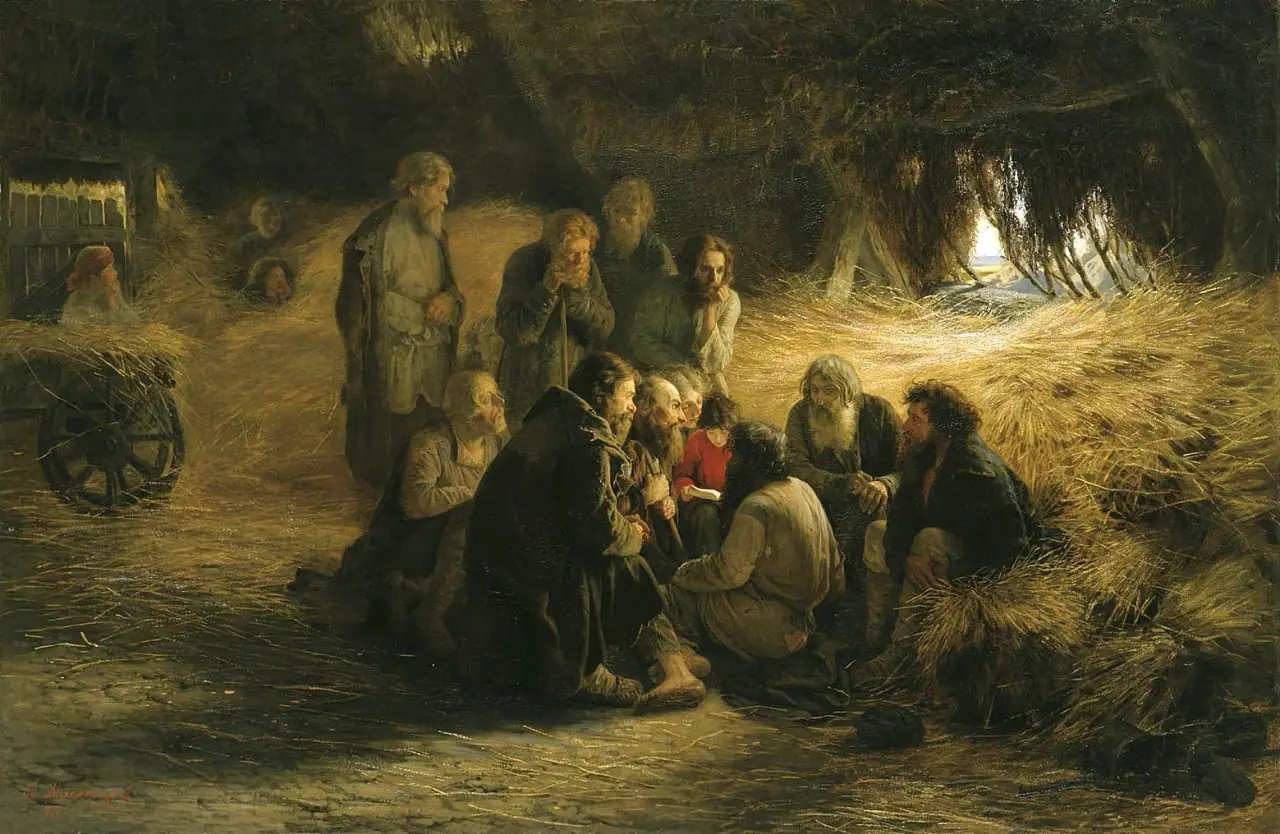
The emperor retained supreme power; the zemstvos and new courts expanded participation, but representation was still limited by property, estate, and region. The zemstvos handled matters such as schools, health, and roads, but did not become a national parliament limiting the monarch. Property and estate determined the weight of representation, and governors and police could still intervene. The new courts improved professional procedure and partial publicity, but village courts and political cases had different arrangements; the same person did not have consistent rights before different institutions.
What tensions existed within the era?
Land shortage, bureaucratic restrictions, national oppression, and radical movements intertwined, and new expectations lacked a national political representative mechanism to respond to them. Reform enabled more people to make claims, but it did not bring different groups to a consensus on land, fairness, and representation. Radical disappointment does not mean that all peasants supported their proposals, and officials also disputed the scope of reform. Nationality policy and religious discrimination meant that political demands on the imperial periphery could not be fully encompassed by debates among the Russian-language intelligentsia.
03 / 1855–1894How society worked
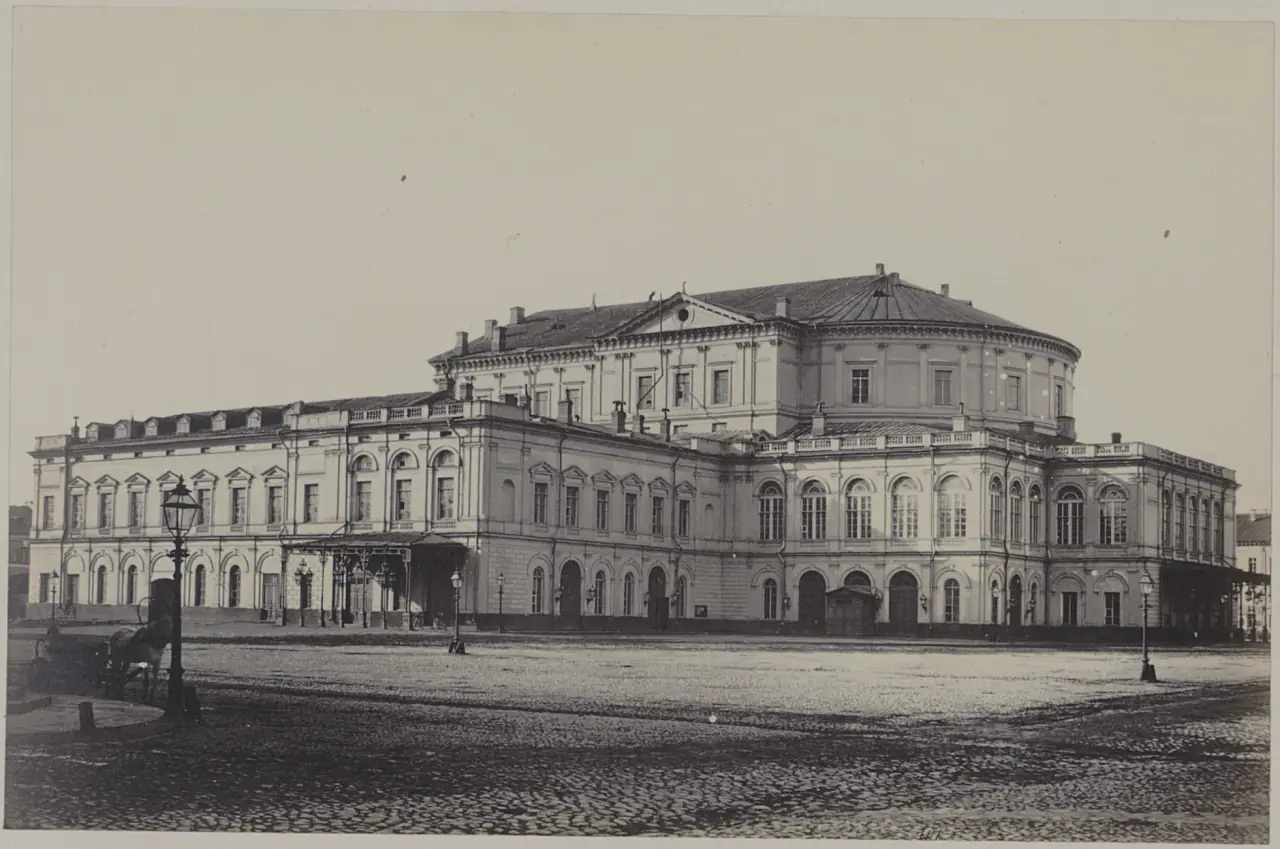
Peasant allotments were usually accompanied by redemption, and the village commune continued to allocate responsibilities; railways, banks, and factories made labor more mobile. The state linked landlords, peasants, and finances through compensation and redemption, and peasant households also had to bear taxes and family expenses. The village commune could share responsibilities but could also restrict individuals from disposing of land. Railways and urban demand expanded opportunities for sideline work, so peasants might keep an allotment in the village while working in a factory or on a construction site; rural and industrial worlds were not two closed spheres.
How did ordinary people live?
Families maintained their livelihood through sideline work and seasonal migration to cities; schools, hospitals, and professional groups increased, but women still faced obstacles in education. The expansion of literacy, medicine, and the legal profession was uneven, and some people first encountered new public resources through schools or services of self-government institutions. Families still arranged field work and outside earnings by season, and women bore production and caregiving. Famine relief showed that local organizations could mobilize, and also exposed how transport, health, and poverty aggravated one another.

04 / 1855–1894Where change began
After the assassination of Alexander II in 1881, reactionary policies strengthened, while industrialization and social change continued to the end of the century. After the assassination of Alexander II, police and local controls were strengthened, and universities and the space for self-government were compressed. But the courts, professional groups, railways, and markets that had already formed could not return to the pre-reform state. The chapter ends with the change of monarch in 1894 in order to turn to industry and mass politics, not to draw the effects of reform simply as opening followed by a complete return to zero.
Milestones that changed direction
End of the Crimean War
The Treaty of Paris restricted the status of the Black Sea, and discussion of reform became more urgent.
Emancipation decree
February 19 Old Style is March 3 New Style; the law redefined status and arranged land and redemption.
Judicial and local self-government reforms
New courts and zemstvos expanded public space, though their coverage and powers remained limited.
Reform of military service obligations
More universal conscription arrangements changed the relationship between the army and society.
Assassination of Alexander II
The assassination by Narodnaya Volya did not bring a constitution; the succeeding regime tightened control.
Famine and social relief
Disaster exposed rural vulnerability, and relief efforts by self-government bodies and the intelligentsia broadened public discussion.
What we know
The Yale Law exhibition explains a set of laws from 1861 and the Old Style and New Style dates, local self-government studies explain the complexity of administrative negotiation, and country-study texts provide the mechanisms of redemption, courts, and military service. Legal provisions state normative goals, while peasant petitions and local implementation archives are closer to the actual burden; national figures cannot directly show what each household received. Public summaries are not equal to complete book chapters, and the statistics and dates in older surveys also need separate verification.
Questions still debated
The impact of the village commune and redemption on growth varied by region; emancipation did not mean immediate equality, nor can it be said that nothing changed. Whether the village commune mainly protected peasant households or hindered mobility must be observed by region, land, and period; a single national answer cannot be given. The burden of redemption must also distinguish land value, taxes, and income. Whether reform was a monarch's gift or the result of pressure from below need not be an either-or choice: actions at different levels together determined the boundaries of what could be implemented.
Legacies for later generations
Courts, self-government, and professional expertise expanded public life, and the land and peasant status questions entered the revolutions of 1905 and 1917. Changes in civil status and public institutions provided the basis for later discussions of citizenship, while land and social estate preserved deep inequality. Evaluating emancipation should separate legal personality, access to land, income, and political representation; several indicators may move in different directions. Later revolutions therefore inherited both the opportunities left by reform and its unresolved problems.
References and evidence
These materials support this page's account. Check the purpose, perspective and accessible scope of each source. Notes identify the evidential limits of excerpts, summaries and timelines.
- Russian imperial legal documents: emancipation of the serfsYale Law School,Lillian Goldman Law Library · Archive
Read the exhibition notes and check a set of legal and reform background items for the 19th day of the 2nd month of the old calendar in 1861.
- Thomas Pearson: State and Rural Self-Government, 1861–1875Cambridge University Press · Academic research
The public abstract discusses administrative reform, bureaucratic conflict, and implementation; no paywalled body page numbers were used.
- The Cambridge History of Russia, Volume 2: public abstracts on the imperial periodCambridge University Press · Academic research
Checked governance, estates, women, agriculture, economy, and thought in the public abstracts; this is not a page-by-page review of the whole book.
- The Cambridge History of Russia, Volume 2: public chronologyCambridge University Press · Academic research
Publisher's public PDF, used to check dates and chapter structure; the map insert does not thereby become openly licensed.
- Russia: A Country Study: body text on the nineteenth-century transformationLibrary of Congress, Federal Research Division; CountryStudies.us text mirror · Specialist reference
Actually read the main text on the Great Reforms, local governance, the judiciary, military service, and counter-reforms; cross-checked against the Yale law exhibition and academic chronologies; did not use unreviewed statistics or erroneous dates from older books.
At the end, bring this chapter to a close.