Under the Golden Horde
How did Moscow expand its power between submission, competition, and resistance?
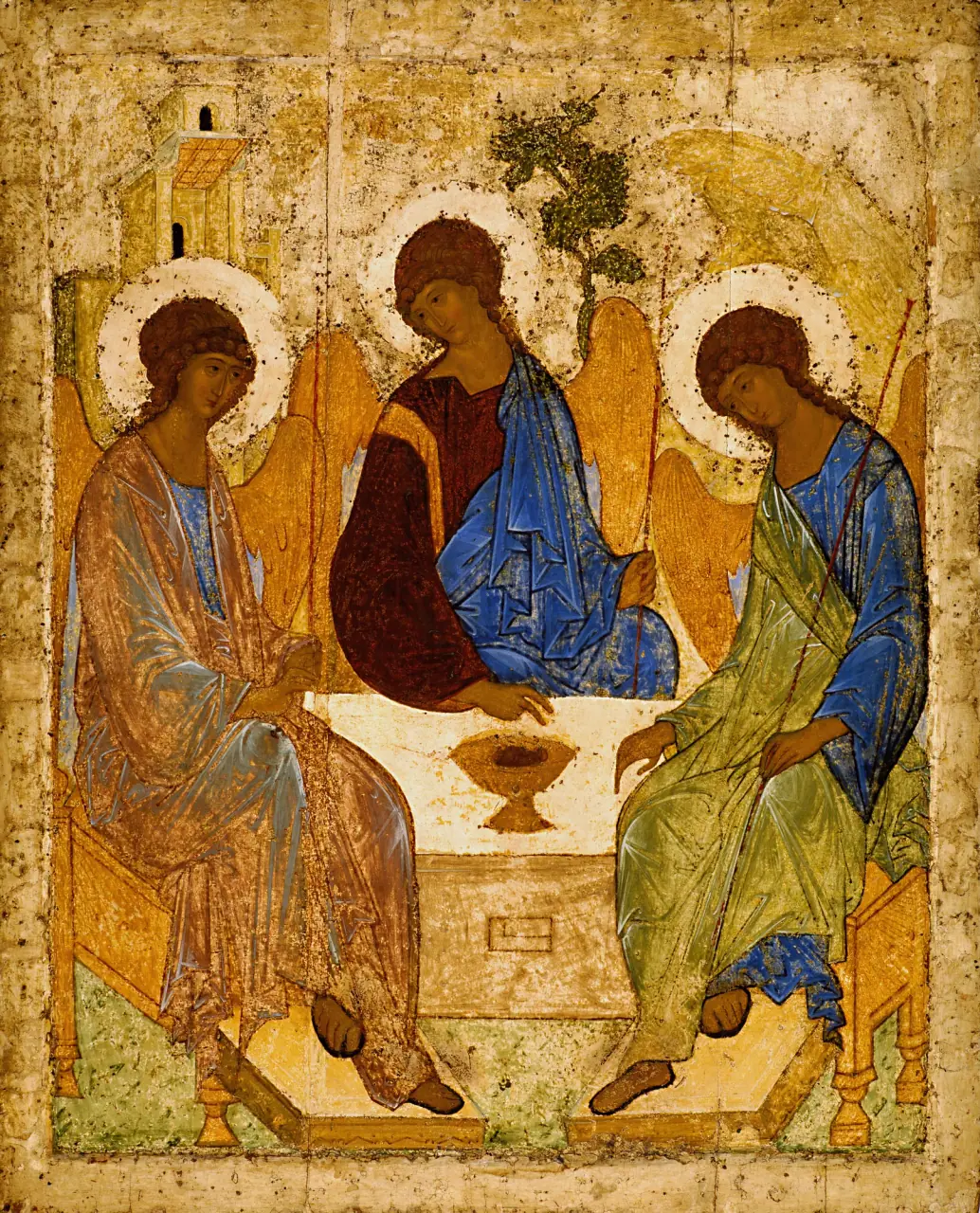
The Mongol conquest caused destruction, and the Golden Horde constrained northeastern Rus through tribute, patents, and military intervention. Princes and the church did not disappear; Moscow used khanate support to compete with Tver and other centers, and gradually built its own tax base and elite alliances. Moscow's competitors were not only the Mongol khans. Tver and other princes vied for patents, Lithuania also absorbed Rus territories, and Novgorod maintained a different kind of urban power. Moscow gradually turned its qualification to collect tribute for the khan into its own resource, but the victory of 1380 alongside the destruction of the city in 1382 shows that its rise was always marked by reversals.
01 / 1237–1462 CEHow this era began
The principalities had already differentiated, and Kyiv's symbolic status did not fully match actual power in the various regions. Before the thirteenth century, the Rus principalities already had local interests and dynastic disputes; the invasion did not suddenly break apart a state that had always been united. Different cities suffered different degrees of destruction, and not being directly captured did not mean exemption from tribute. Military destruction, subsequent suzerainty, and long-term institutional change need to be observed as three separate layers.
Why did this era begin?
The conquest of 1237–1240 interrupted the old political networks, and surviving princes had to seek ruling qualifications under khanate authority. Patents gave princes ruling qualifications but also forced them to bet in khanate power struggles. Families that could pay tribute on time, suppress competitors, or maintain local order might gain advantages. Population movement, land cultivation, and church connections brought sustainable resources, and Moscow's development cannot be explained solely by geographical remoteness or the cleverness of a particular ruler.
02 / 1237–1462 CEWho held power
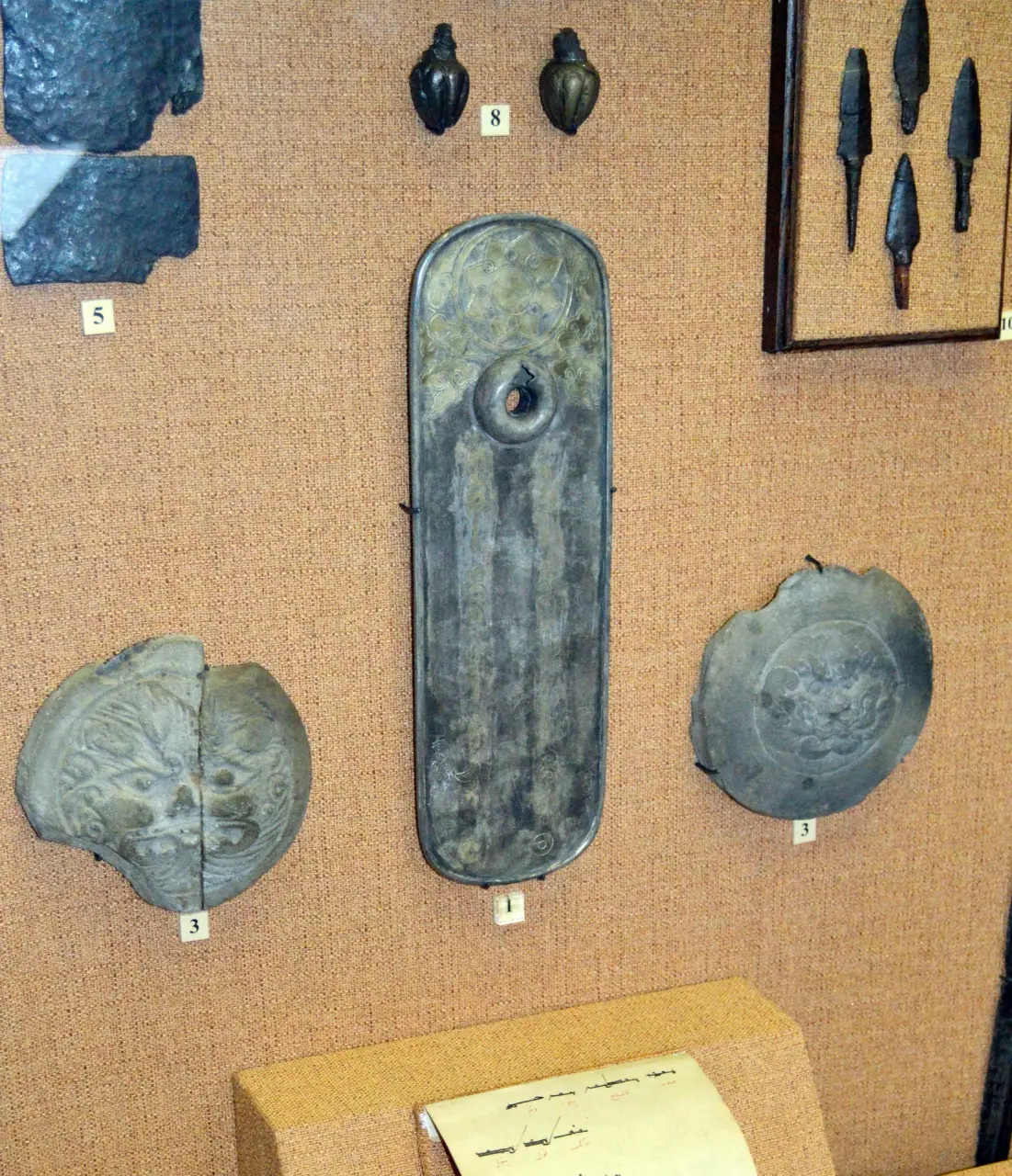
The khan maintained suzerainty through patents and military force, local princes governed and collected taxes; the church enjoyed some privileges and organized across regions. The khanate did not establish the same direct government in every town, and local princes and the church continued to handle many affairs. Patents, tribute, and punitive military actions defined the boundaries of their autonomy. Church privileges helped property and organization continue, but within the church and among different princes there could still be disputes over jurisdiction and leadership qualifications.
What tensions existed within the era?
Princes both sought the khan's support and resisted his demands, and Moscow's rivalry cannot be summarized as a common national liberation of all Rus. Civil war within the khanate made Moscow's rule, which depended on its support, less secure and may also have opened opportunities for expansion. Resistance to the khan and alliance with Tatar forces could occur in succession, and all actions cannot be assigned to a single national front. Dynastic succession wars also devastated Moscow, making the later outcome of unification appear far from predetermined.
03 / 1237–1462 CEHow society worked
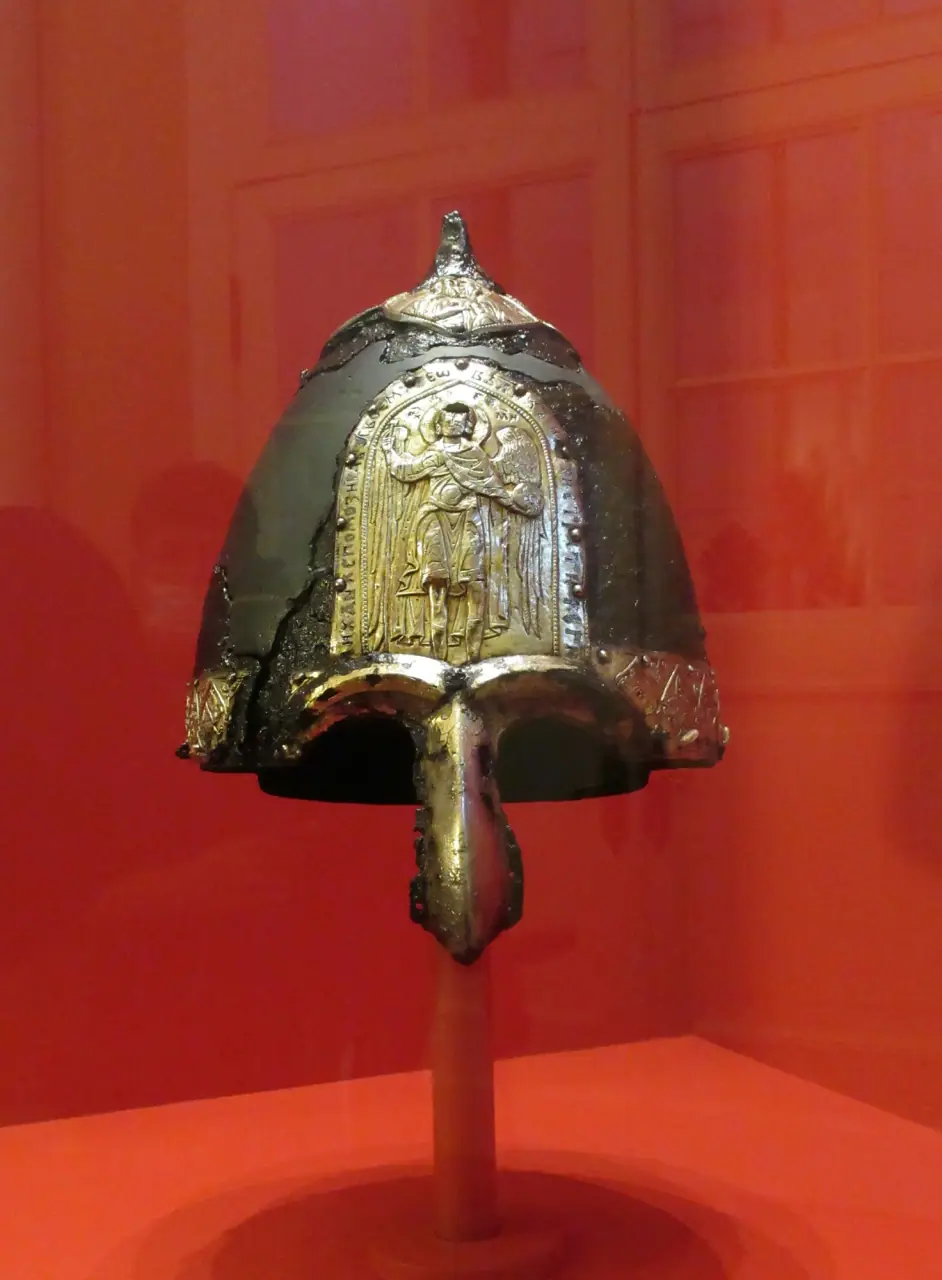
Destruction and population displacement altered settlements, while tribute created burdens; river routes, furs, and local agriculture gradually recovered. Collecting tribute required extracting surplus from local production, and war and population loss made the burden heavier; the recovery of farming, crafts, and trade routes in turn created conditions for taxation. Princes competed for land with residents, trade, and tax sources, and annexation did not merely enlarge the map but also changed to whom old elites and peasant households owed obligations.
How did ordinary people live?
Villagers faced conscription, forced labor, and security risks; town reconstruction, monastic land clearance, and northern trade formed different rhythms of life. For a household, relations with the khanate might appear as extra levies, relocation, or news of distant war rather than daily contact with Mongol officials. Town and monastery reconstruction still depended on timber, grain, and craftsmen. Chronicles repeatedly record fires and captives, reminding us not to infer from investiture registers alone that life had already recovered stability.
04 / 1237–1462 CEWhere change began
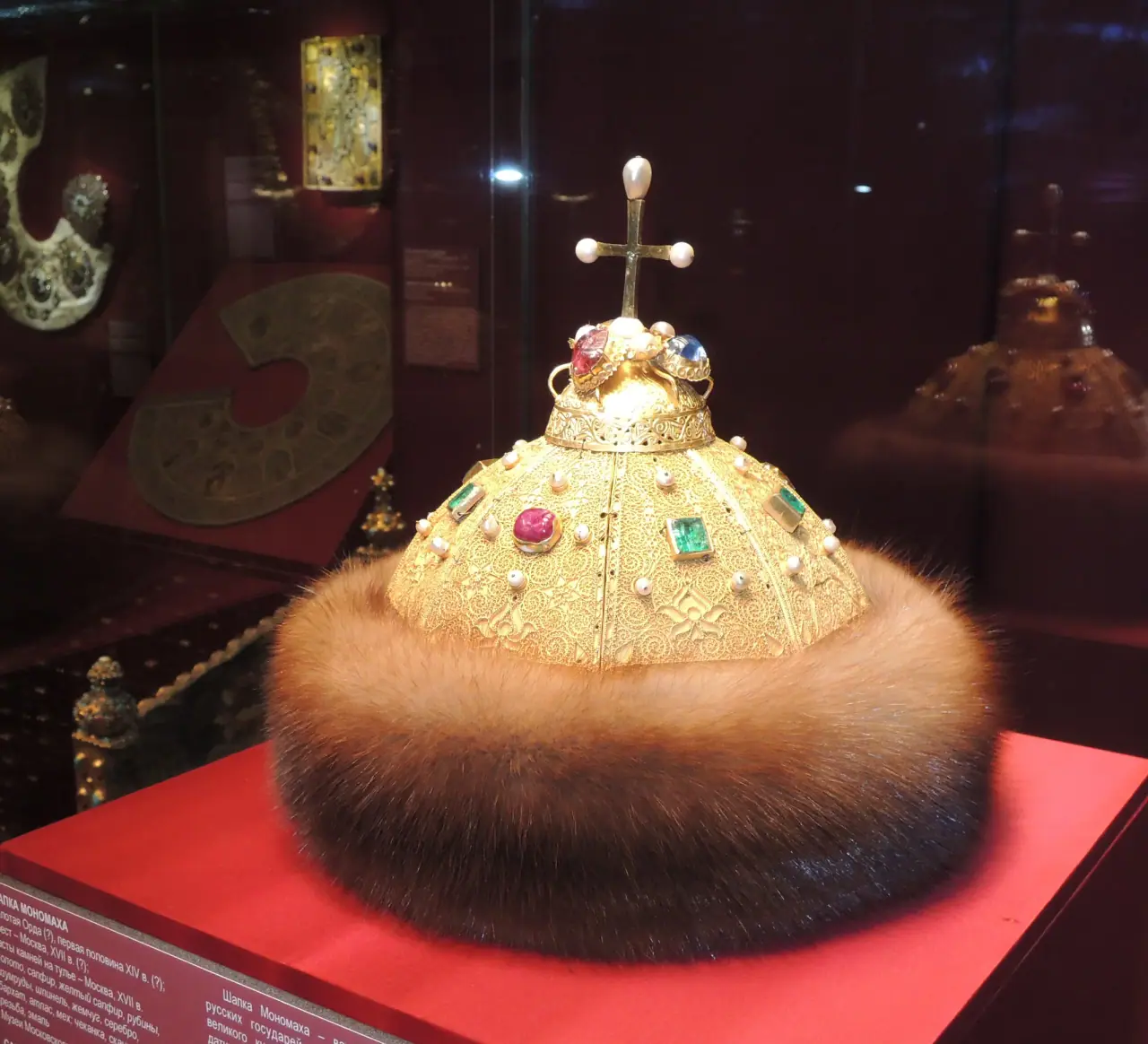
In the fifteenth century the fragmentation of the khanate and Moscow's consolidation created conditions for expansion, and subordination did not disappear immediately after a single battle. Mid-fifteenth-century dynastic rivalry and ecclesiastical autonomy strengthened Moscow's particular path; other Rus regions developed within different polities. 1462, as the periodization of Ivan III's accession, marks a shift in the expansion phase; it does not mean that in that year a complete, unified state suddenly appeared that required no negotiation and was fully disconnected from the khanate.
Milestones that changed direction
Mongol army invades northeastern Rus
Cities such as Ryazan were stormed, and the offensive in 1238 continued to devastate the Vladimir region.
Kyiv falls
Kyiv was severely damaged, and different Rus regions thereafter entered divergent political paths.
Death of Alexander Nevsky
His politics combined compromise with the khanate and warfare in the northwest, while later generations emphasized his image as a warrior saint.
Ivan I obtains the title of grand prince
Moscow's position relied on khanate support, tribute collection, and relations with the church.
Battle of Kulikovo
The coalition defeated Mamai and raised Moscow's prestige, but did not end khanate suzerainty.
Tokhtamysh storms Moscow
The city was devastated again and resumed tribute payment; 1380 cannot be regarded as the date of immediate independence.
Moscow independently selects its metropolitan
Ecclesiastical autonomy strengthened the integration of northeastern Rus and also deepened its divergence from other Rus regions.
What we know
The Novgorod Chronicle's accounts of the 1238 disaster, tribute, and Kulikovo display the religious framework of the time, and its exaggerated enemy numbers should not be adopted directly. Coins, khanate documents, and church records can test ruling connections, while scholarly chronologies correct the sequence of events. Janet Martin's public summary provides research questions, and the country-study main text provides institutional background; none of these materials can serve as proof of modern borders or ethnic ownership.
Questions still debated
Whether Mongol rule directly caused Russian autocracy has long been debated; research also emphasizes Byzantine traditions, local relations, and later choices. Debates over Mongol influence should ask which institutions were adopted, through what channels, and in which region, rather than only whether influence existed. Postal relay, taxation, and military practices had a Eurasian exchange background, but similarity does not automatically prove direct borrowing. Kulikovo also had a background of competition within the khanate, and continued tribute payment afterward limits the interpretation of a purely independent war.
Legacies for later generations
Eurasian fiscal and diplomatic experience entered Rus institutions, while dynastic and ecclesiastical traditions continued; centuries of politics cannot be explained by a single foreign factor. Population, religious organizations, and Eurasian administrative contacts left long-term influences, and later states retold battles as national origins. Treating Mongol experience as an unchanging Oriental nature erases Rus's own negotiations, other European influences, and later decisions, and also mistakenly projects today's ethnic relations onto the Middle Ages.
References and evidence
These materials support this page's account. Check the purpose, perspective and accessible scope of each source. Notes identify the evidential limits of excerpts, summaries and timelines.
- Janet Martin: Northeast Rus and the Golden Horde, 1246–1359Cambridge University Press · Academic research
The public abstract describes dynastic and ecclesiastical continuity and political reorganization; the extent of Mongol influence must be read alongside local sources.
- The Cambridge History of Russia, Volume 1: public chapter abstractsCambridge University Press · Academic research
Only publicly available signed abstracts were read, used for terminology and framing of research questions; no claim is made to have read the chapters in full; key narratives were cross-checked separately against accessible sources and historical texts.
- The Cambridge History of Russia, Volume 1: public chronology and table of contentsCambridge University Press · Academic research
Checked against the public chronology and authors; no claim is made to have read the full paid book, and uncertainties may remain in traditional dating.
- Selected annual entries from the Novgorod ChronicleFordham University,Internet History Sourcebooks Project · Primary source
Actually read selections including 1016–1445 and checked the narratives of cities, wars, fires, and Mongol invasions; the English text contains transcription errors, and precise dates were checked separately against scholarly chronologies.
- Russia: A Country Study: body text on early historyLibrary of Congress, Federal Research Division; CountryStudies.us text mirror · Specialist reference
Read the body of the public chapter, not a summary; the research was completed in 1996, the mirror is not the main LOC site, and old formulations such as those on nation formation and linear development are read critically rather than adopted as written.
- Russia: A Country Study: body text on the Muscovite stateLibrary of Congress, Federal Research Division; CountryStudies.us text mirror · Specialist reference
Read the body text on the rise, Ivan IV, the Time of Troubles, the Romanovs, and expansion; the old survey's personality diagnoses and the claim of complete control by rulers are not used as causal conclusions in this draft.
At the end, bring this chapter to a close.