Expansion and crisis of the Muscovite state
Why did territorial concentration both strengthen the state and make society more fragile?
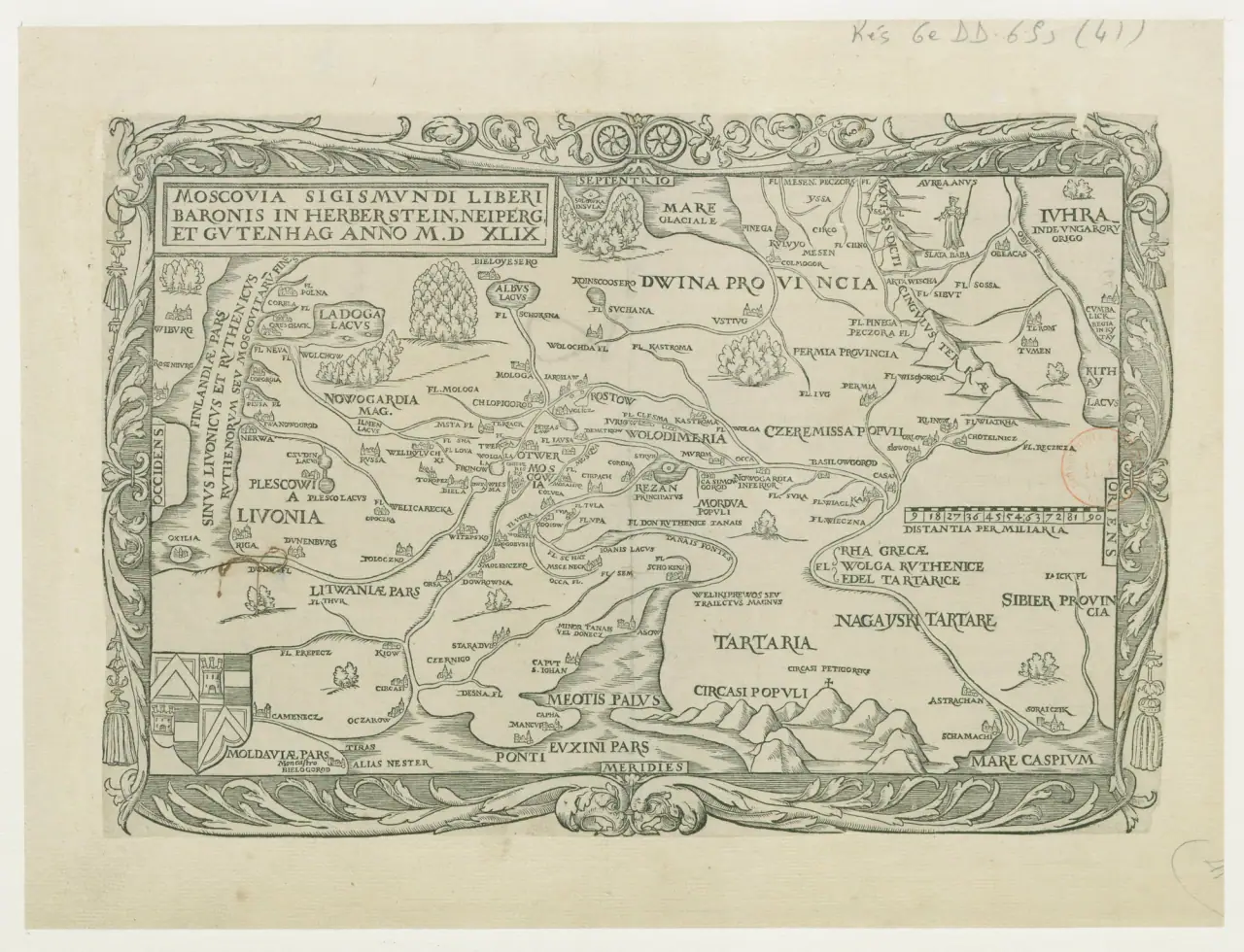
Ivan III and his successors annexed rival centers, and the tsarist title and unified law strengthened rule. The conquest of Kazan and Astrakhan made the state markedly multi-religious; the violence of the oprichnina, prolonged wars, and succession crises in turn undermined the foundations of rule. After the annexation of Novgorod, land, tax sources, and service elites were reassigned, and political centralization actually reached people's homes and obligations. The state also conquered the Volga khanates, and the population's religions and languages became more diverse. Prolonged war, the oprichnina, and a broken succession ultimately intertwined into the Time of Troubles, showing that territorial growth could not guarantee the credibility of rule.
01 / 1462–1613How this era began
Moscow already had grand-princely status, finances, and church support, yet still faced local princes and khanate authority. Ivan III inherited a princely domain that already had fiscal and ecclesiastical resources, not empty land. Novgorod, Tver, and the Rus regions under Lithuanian control had their own governing organizations and connections. Moscow had to defeat, persuade, or absorb local forces, and the outcome of unification was not a single plan pursued jointly by all regions.
Why did this era begin?
Ivan III exploited the fragmentation of the khanate and expanded his domains through war, marriage, and political absorption. Reclaiming and redistributing estates after annexation could weaken old elites and support servitors. Military service, justice, and monarchical ritual gradually reinforced one another, but reforms often advanced through war and specific disputes. The Ugra River stand marks a change in relations with the Great Horde and cannot summarize all later diplomacy with khanates such as Crimea.
02 / 1462–1613Who held power
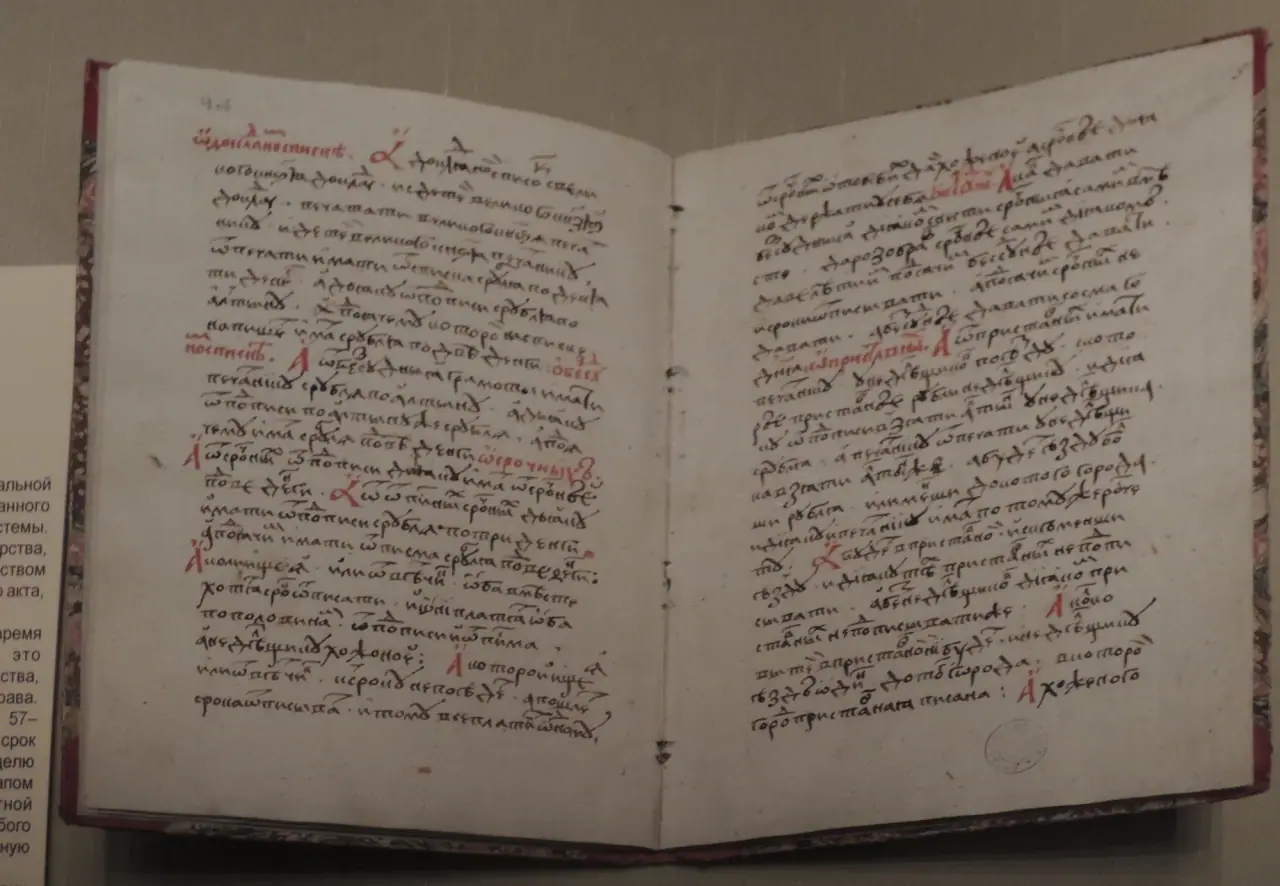
The monarch relied on boyars, chancelleries, and service gentry, and centralization did not mean he could bypass all elites. Boyar families, the church, and service gentry both depended on the monarch and supplied the personnel and resources needed for rule. The tsar's sacred status was reinforced in ritual, but actual governance still passed through chancelleries, local agents, and elite consultation. The oprichnina turned terror and confiscation against the suspected, so that uncertainty about loyalty penetrated the ruling group itself.
What tensions existed within the era?
War, the oprichnina, poor harvests, and population flight compounded one another; dynastic legitimacy then collapsed because succession was broken. The Baltic war did not bring the expected access to the sea but instead consumed finances and labor over the long term. The oprichnina also committed violence against merchants and commoners, not merely eliminating a few great nobles. Poor harvests, flight, taxes and labor services, and succession disputes affected one another, and explaining events solely by the ruler's cruel character cannot account for why society responded to impostors or opposition groups.
03 / 1462–1613How society worked
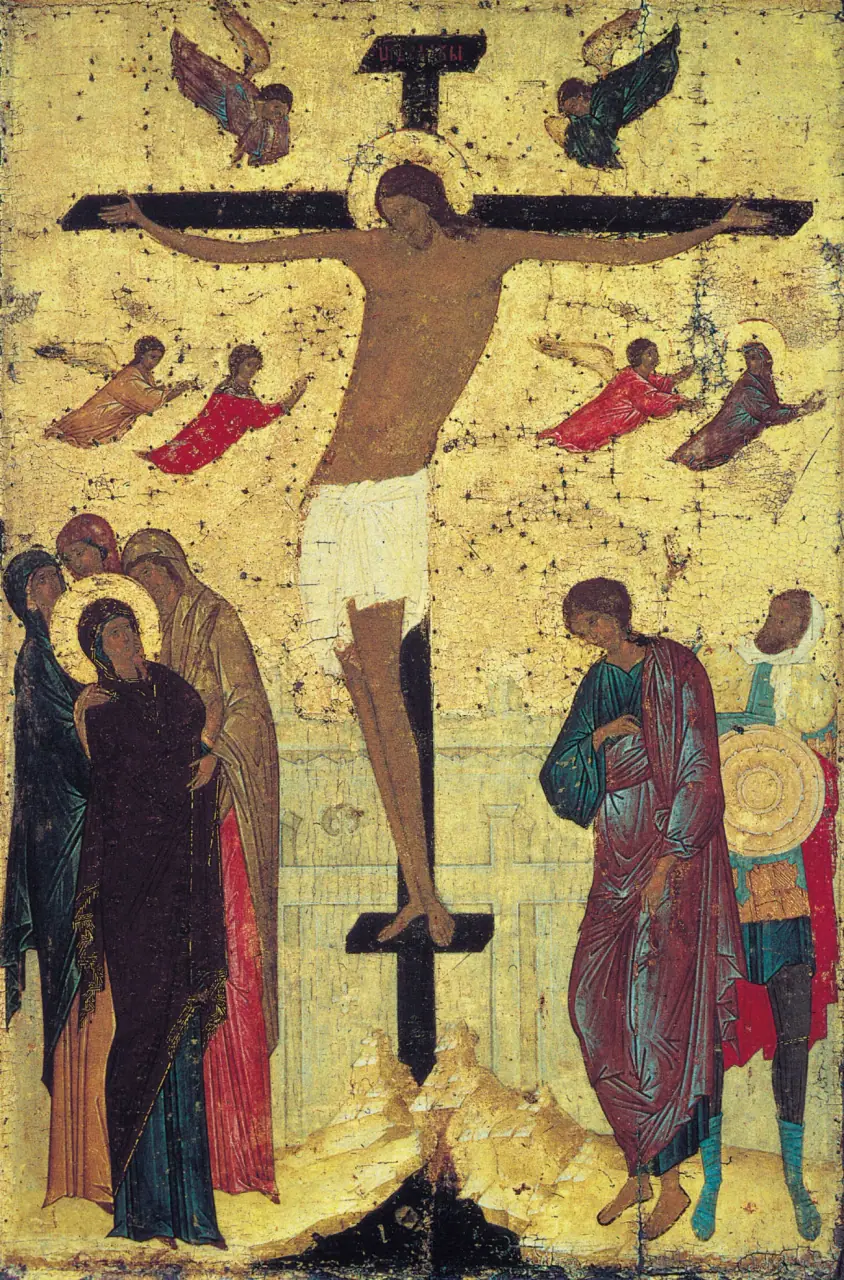
Service estates and agricultural taxes supported war, and restricting peasant movement helped secure tax sources but deepened dependence; conquest and trade brought new resources. Granting land to servitors without a stable labor force encouraged the pursuit of runaway peasants and restrictions on movement; war also increased levies, creating mutually reinforcing pressure. Control of the Volga brought trade routes and tribute, and Siberian furs also attracted merchants and armed men. Growing profits cannot offset the cost to local inhabitants of conquest and displacement.
How did ordinary people live?
Villagers' movement and cultivation were increasingly constrained; towns had merchants, craftsmen, and servants, and multi-religious residents faced different arrangements of rule. Peasant households had to maintain family harvests while meeting demands from landlords, the state, and the army, and flight to the frontier could be a livelihood choice. Urban taxpayers relied on markets, workshops, and surrounding agriculture, and the destruction of war did not occur only on the battlefield. Residents of places such as Kazan were incorporated into a multi-religious state, and their status and treatment cannot be assumed to match those of Moscow's Orthodox residents.
04 / 1462–1613Where change began
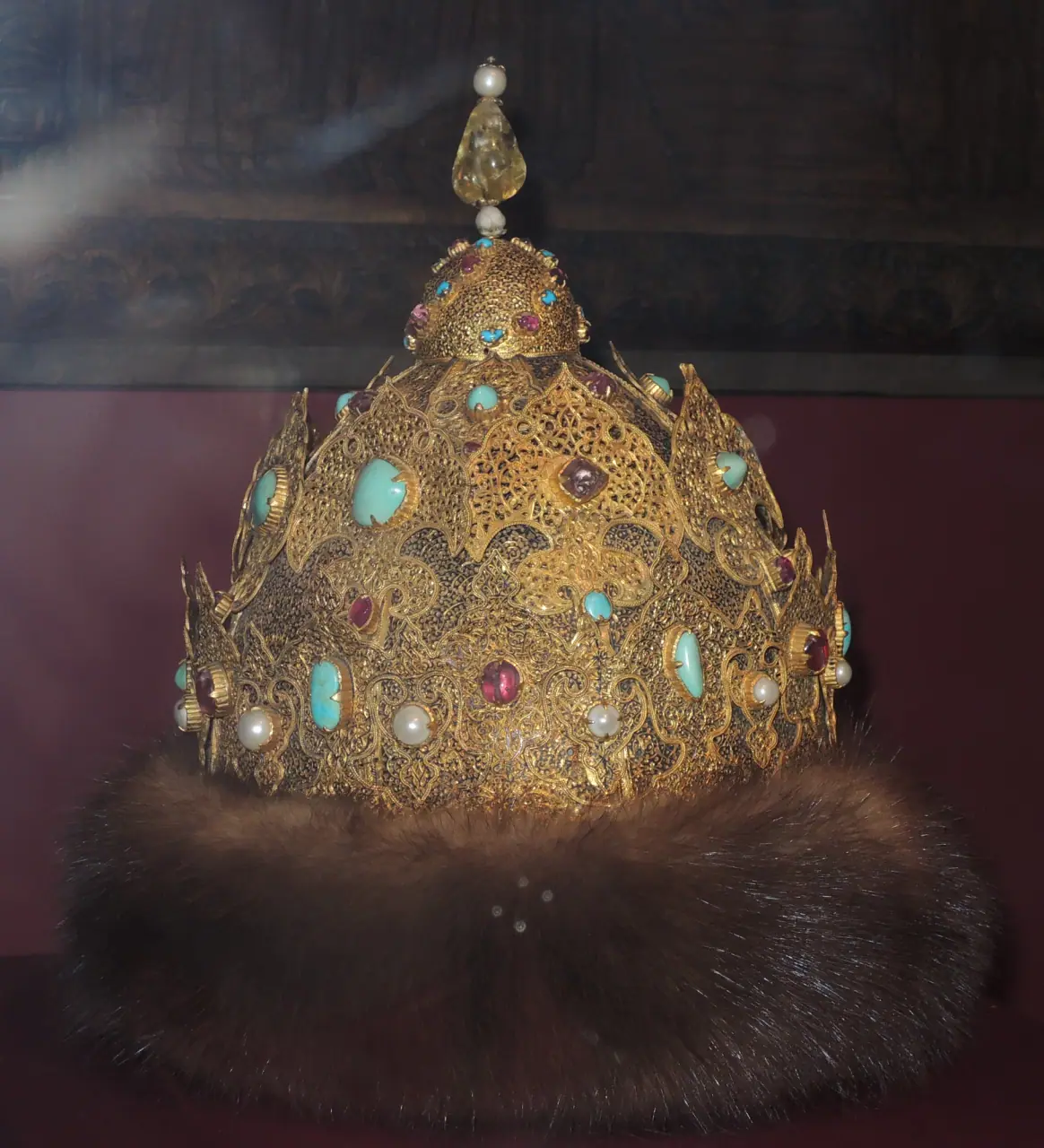
After 1598 famine, impostors, civil war, and Polish-Lithuanian intervention intertwined, and in 1613 a new dynasty was elected. The famine of 1601–1603 turned the crisis of succession legitimacy into a crisis of survival, and impostors competed for the throne with local discontent and foreign support. Different towns and elites changed alliances repeatedly. The choice of the Romanovs in 1613 was only the starting point of reconstruction; borders, tax sources, and homes had not yet been restored, and no new nationwide representative system emerged.
Milestones that changed direction
Annexation of Novgorod
Autonomous politics suffered a setback; the reorganization of property and elites helped the grand prince control northern resources.
Standing on the Ugra River
Usually taken as marking the end of subjection to the Great Horde; relations with other Tatar polities continued.
Promulgation of the Law Code
Unified justice and restricted some peasant movement; dependence deepened in subsequent legislation.
Ivan IV crowned as tsar
The title and religious ritual reinforced authority beyond that of an ordinary prince.
Conquest of the Kazan Khanate
Muslim and other inhabitants of the Volga region were brought under Moscow's rule; resistance and colonial governance unfolded.
Beginning of the oprichnina
The ruler struck at those deemed disloyal through confiscation, relocation, and terror.
Dynastic succession interrupted
After Feodor's death, Godunov was elevated as tsar; succession disputes continued.
Michael Romanov elected
The new dynasty ended the vacancy of power; reconstruction and foreign negotiations still required many years.
What we know
Legal codes, land records, and office records can test service and movement restrictions, while portraits and coronation rituals show how authority was expressed; the two cannot be substituted for each other. Scholarly chronologies and the main text of Moscow state history provide the mutual sequence of annexations, wars, famines, and successions. Foreign observations and later biographies each have political motives; explanations attributing Ivan IV's policies to mental abnormality lack independent diagnostic evidence and cannot replace analysis of institutional and social consequences.
Questions still debated
The political, war-finance, and personal-rule purposes of the oprichnina remain debated; psychological diagnosis is insufficient to replace institutional analysis. The oprichnina has been explained as anti-aristocratic, as war mobilization, as religious politics, or as personal rule; the targets of confiscation and local consequences must be examined, and the ruler's accusations cannot simply be accepted. The Time of Troubles also had dynastic, social, and international factors; describing 1613 as a unanimous popular demand for absolute monarchy would ignore the conditions and interests of different participants.
Legacies for later generations
Dynastic change did not bring modern constitutionalism; territory, military service, and peasant dependence became the foundations of the Romanov era. Succession to the throne could be interrupted, yet offices, military service, and estate relations might continue to operate; this institutional continuity helps explain how a new dynasty quickly gained support. On the other hand, the end of autonomy in regions such as Novgorod left a different memory. The formation of the empire must be viewed in terms of both the center's capacity to accumulate power and what local societies lost in decision-making authority.
References and evidence
These materials support this page's account. Check the purpose, perspective and accessible scope of each source. Notes identify the evidential limits of excerpts, summaries and timelines.
- The Cambridge History of Russia, Volume 1: public chronology and table of contentsCambridge University Press · Academic research
Checked against the public chronology and authors; no claim is made to have read the full paid book, and uncertainties may remain in traditional dating.
- The Cambridge History of Russia, Volume 1: public chapter abstractsCambridge University Press · Academic research
Only publicly available signed abstracts were read, used for terminology and framing of research questions; no claim is made to have read the chapters in full; key narratives were cross-checked separately against accessible sources and historical texts.
- Valentin Yanin: Medieval NovgorodCambridge University Press · Academic research
The public abstract concerns archaeology, land, and urban politics; the republic cannot be equated with modern universal-suffrage democracy.
- Russia: A Country Study: body text on the Muscovite stateLibrary of Congress, Federal Research Division; CountryStudies.us text mirror · Specialist reference
Read the body text on the rise, Ivan IV, the Time of Troubles, the Romanovs, and expansion; the old survey's personality diagnoses and the claim of complete control by rulers are not used as causal conclusions in this draft.
- Selected annual entries from the Novgorod ChronicleFordham University,Internet History Sourcebooks Project · Primary source
Actually read selections including 1016–1445 and checked the narratives of cities, wars, fires, and Mongol invasions; the English text contains transcription errors, and precise dates were checked separately against scholarly chronologies.
At the end, bring this chapter to a close.