What reform opened up
Why did reforms meant to save the union ultimately weaken the union itself?
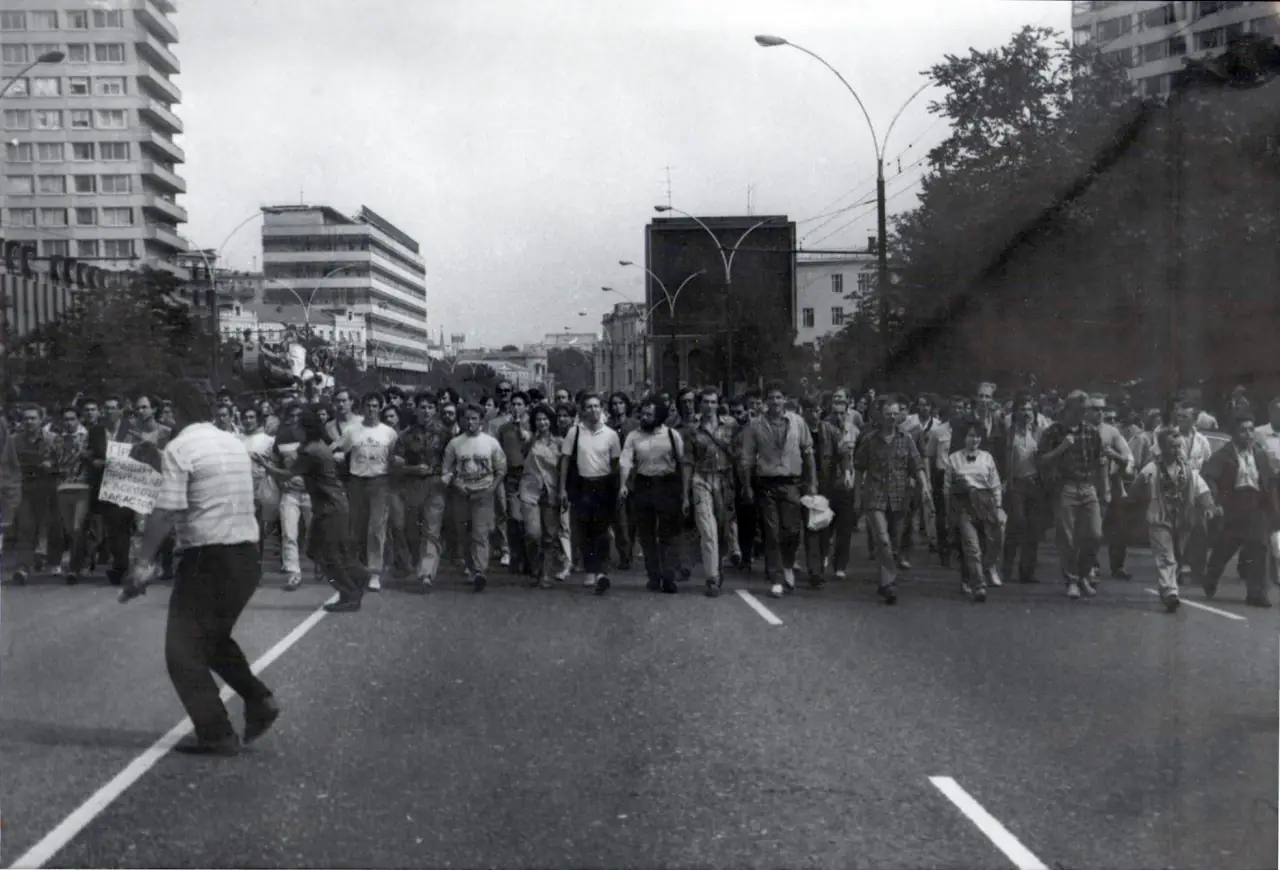
Gorbachev shifted from economic restructuring to opening up history, competitive elections, and foreign policy détente. Reforms that combined plan and market intensified coordination difficulties, and republics competed for resources and legitimacy; the failed coup of 1991 accelerated disintegration, but the outcome was not predetermined from 1985. Opening up history allowed victims to speak and weakened the party's monopoly on the correct interpretation; competitive elections gave new leaders legitimacy but did not clarify whether the union or the republics held ultimate power. Price, tax, and supply relations became unstable at the same time, so political freedom and everyday shortages proceeded in parallel. The dissolution must be understood through this chain of interacting choices rather than by searching for one inevitable moment.
01 / 1985–1991How this era began
Problems of growth, consumption, finance, and war required change, and an educated society wanted access to real information. Urban residents wanted more reliable supply, managers faced inefficiency and technological problems, and different groups within the party understood reform differently. The war, environmental destruction, and suppressed national histories also generated demands. The resulting reform agenda was originally intended to preserve the sustainability of socialism; the later outcome of privatization cannot be used to rewrite its original purpose.
Why did this era begin?
The leadership first reorganized management, then tried to break through the resistance of vested interests through glasnost and political reform. When managerial restructuring struggled to break through vested interests, open discussion and new political institutions were used to broaden support. Writers, journalists, and local activists then pushed openness further than the center expected. Historical revelations, environmental protests, and electoral competition in turn changed the meaning of reform; public participation was not merely executing a script given by the leadership.
02 / 1985–1991Who held power
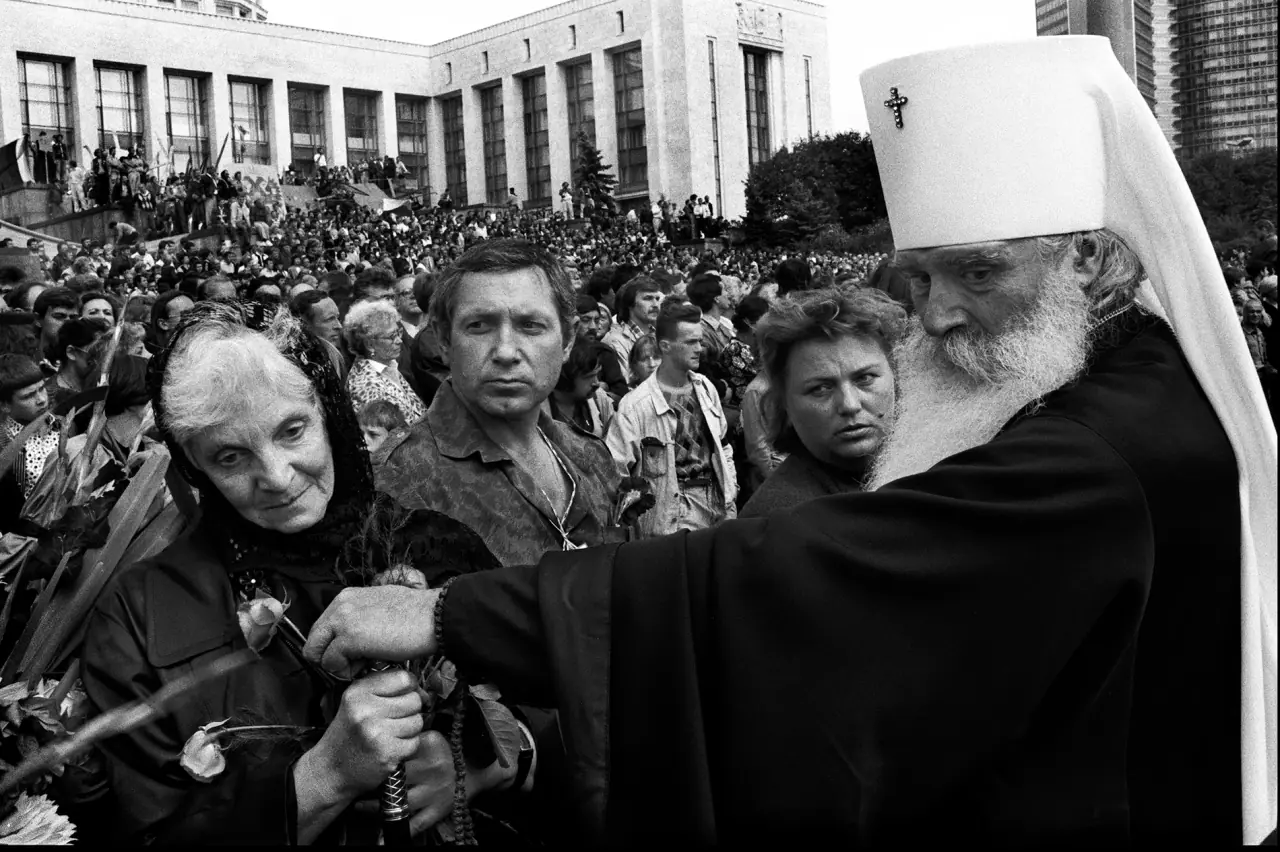
The party's monopoly weakened, and the congress, the Soviet presidency, and elected republican leaders formed competing authorities. The party, the soviets, the new presidency, and republican bodies coexisted, and a single policy might face several competing mandates. Weakening the party's monopoly did not immediately establish an alternative order recognized by all. Republican leaders gained resources through elections and declarations of sovereignty, and the conflict between the Russian Republic and the union center in particular deprived the old center of support.
What tensions existed within the era?
Democratization, economic reform, and national self-determination proceeded at different paces, and the Caucasus, the Baltics, and other regions each had their own histories. The republics did not have a single national will; independence, a reformed union, and preservation of the old order each had supporters, and minorities existed within regions as well. The March referendum question and the scope of participation could not represent all choices after the August coup. Violence in the Caucasus and elsewhere also showed that sovereign mobilization could be accompanied by mutual exclusion and security fears that were hard to mediate.
03 / 1985–1991How society worked
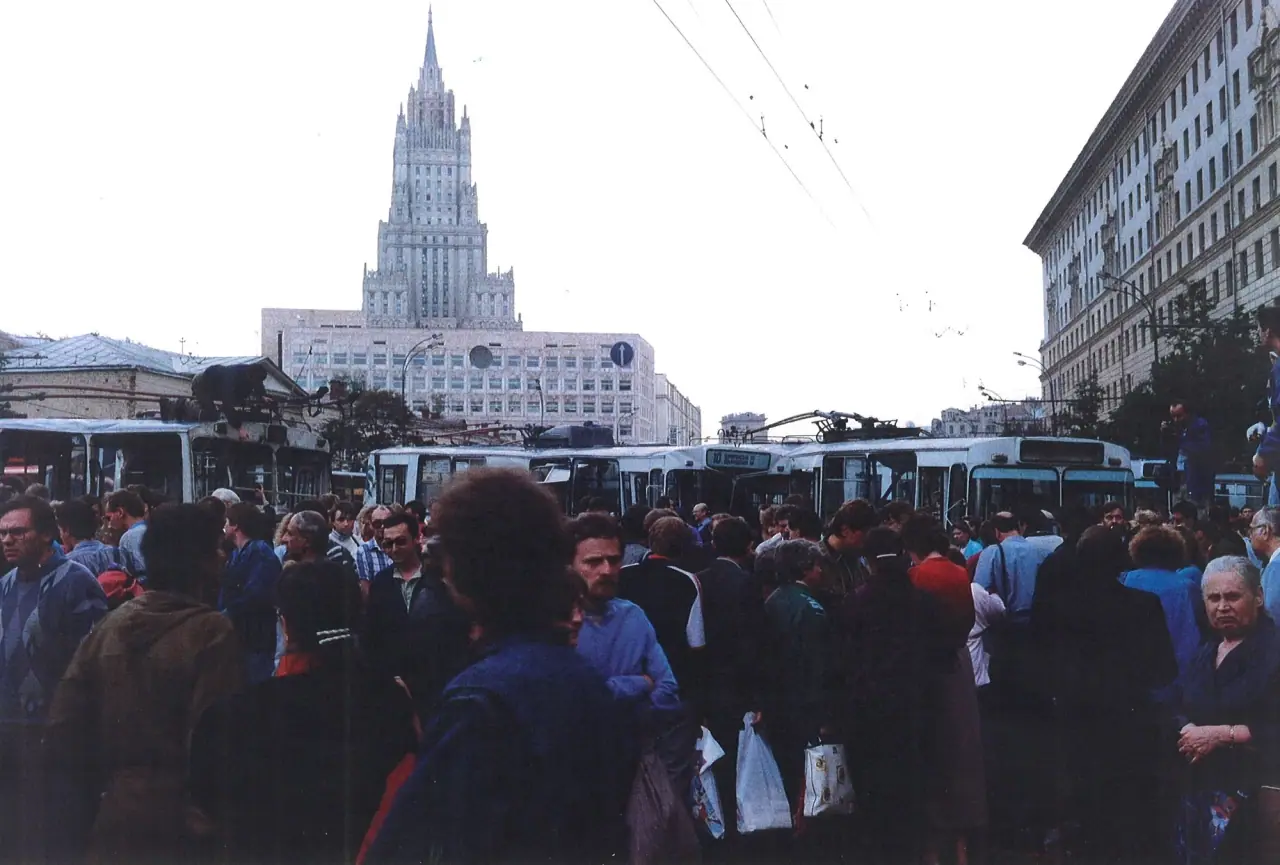
Enterprise reform and the expansion of cooperative operations lacked stable coordination among prices, fiscal policy, supply, and republican control. Enterprise autonomy, cooperatives, and limited market reforms did not simultaneously produce unified rules for prices, fiscal policy, and property rights. Residents saw new opportunities, but also shortages and distributional imbalances. The republics' increased control over taxes and resources made economic coordination more difficult; economic deterioration in turn weakened central credibility, so the political and economic threads cannot be explained separately.
How did ordinary people live?
The press exposed terror and famine, electoral rallies expanded participation, and shortages, queues, and anxiety also increased. Televised debates and press revelations brought previously difficult family experiences into public space, and informal groups gradually gained room. At the same time, queues, shopping, and income uncertainty deepened everyday anxiety. The recovery of national culture could bring a sense of identity, but could also make mixed families worry about how language, citizenship, and the right to relocate would be arranged in the future.
04 / 1985–1991Where change began
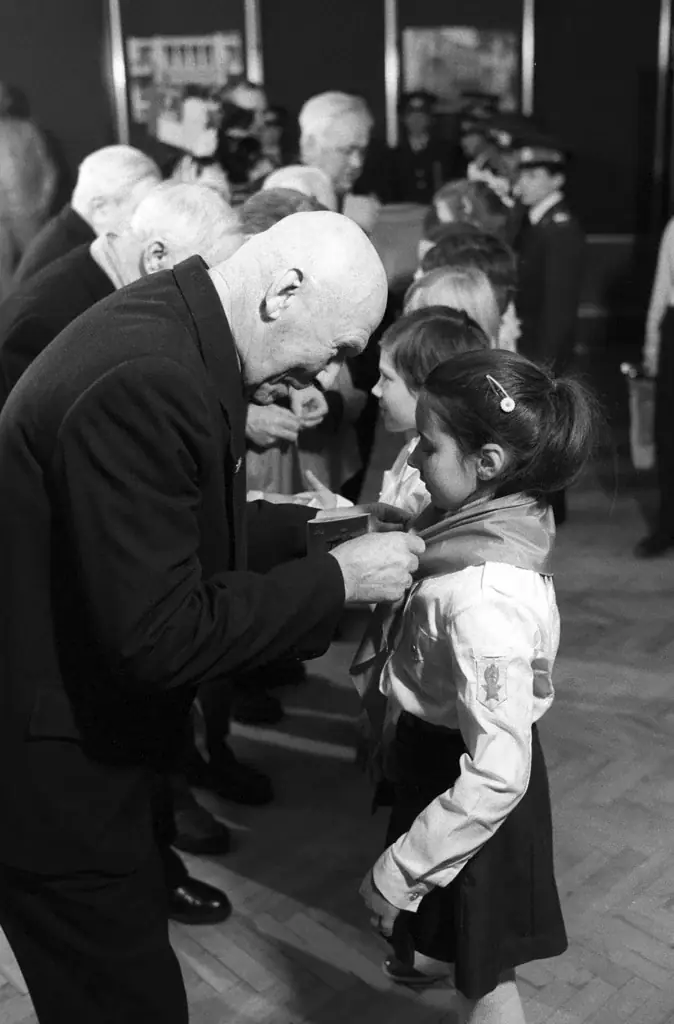
After the coup failed, the center lost authority, and the Ukrainian referendum and agreements among republican leaders brought about the end in December. The coup's failure changed the balance of power among the army, the party, and the republics, and central assets and institutions shifted to the localities at an accelerated pace. The Ukrainian referendum and the Belovezha Accords narrowed Gorbachev's room to continue negotiating a union. The end in December was a series of votes, agreements, and institutional dissolutions, and should not be summarized by a single photograph of a lowered flag or one person's resignation.
Milestones that changed direction
Gorbachev becomes General Secretary
The initial goal was to improve socialism; there was no established plan to dissolve the union.
Chernobyl nuclear accident
Cover-up damaged government credibility, and environmental and public accountability entered broad discussion.
Intermediate-Range Nuclear Forces Treaty
The Soviet Union and the United States agreed to destroy a class of ground-launched missiles, and détente changed interactions.
Competitive elections and the Congress of People's Deputies
Televised coverage and open debate expanded participation, and party authority was challenged.
The Russian Republic declares sovereignty
Legal and resource claims with other republics weakened the center, but this did not mean independence was already achieved at the time.
March union referendum
Some republics supported a reformed union; boycotting regions and the wording limited what the vote represented.
Failure of the August coup
After the attempt to block reform failed, the authority of the party and union institutions declined rapidly.
The union ends in December
The Ukrainian referendum, Belovezha, the Almaty arrangements, and Gorbachev's resignation followed one another.
What we know
The special topic on reform and dissolution provides institutional and event processes, while the LOC's documents on censorship, Chernobyl, and reform supplement them with direct paperwork. The wording, participating regions, and timing of referendums, sovereignty declarations, and agreements differ and cannot be substituted for one another. The author's view that certain decisions were hasty is one kind of interpretation, while the existence of agreements and their signing dates are another kind of fact; public debate and private memory also cannot represent identical wishes across all republics and families.
Questions still debated
The relative weight of economic disorder, elite choice, and national mobilization is debated, and neither external conspiracy nor natural collapse can explain the full evidence. Some emphasize the collapse of economic coordination, others national mobilization, elite competition, or institutional design, and these mechanisms can interact. Whether another sustainable union was possible cannot be proven by hindsight alone. Comparing the options actually proposed at the time, who supported them, and why they lost support is more verifiable than claiming a Western design or betrayal by a single leader.
Legacies for later generations
The independence of the fifteen states rearranged identities, industrial chains, families, and armies, and the Soviet experience cannot be wholly subsumed into Russian national history. The new states inherited administrative boundaries, schools, industrial chains, and shared families, and also had to renegotiate debt, military matters, and citizenship. For some, dissolution meant autonomy; for others, it meant lost security or separation by borders. Russia's principal status as international successor did not merge the fifteen states' different histories and political rights into a single national story.
References and evidence
These materials support this page's account. Check the purpose, perspective and accessible scope of each source. Notes identify the evidential limits of excerpts, summaries and timelines.
- Reform and glasnostSeventeen Moments in Soviet History, a university history-source teaching project · Academic research
Read the feature and check how economic management reform expanded into political openness.
- The end of the Soviet UnionSeventeen Moments in Soviet History, a university history-source teaching project · Academic research
Read the feature and check the coup, the Ukrainian referendum, Belovezha, and the resignation; retain the different political paths.
- Revealing the Russian Archives: Inside the Soviet UnionLibrary of Congress exhibition in cooperation with Russian archives · Archive
Provides documents and translations on grain requisition, repression, censorship, deportation, and reform; the 1992 general introduction's period stance must be read against other research.
- Revealing the Russian Archives: The Soviet Union and the United StatesLibrary of Congress · Archive
Check documents on aid, alliance, the Cold War, and nuclear crises; do not use old statistical ratios that have not been independently reviewed.
At the end, bring this chapter to a close.