Steel, Grain, and Fear
The state could concentrate resources; who would decide who bore the costs?
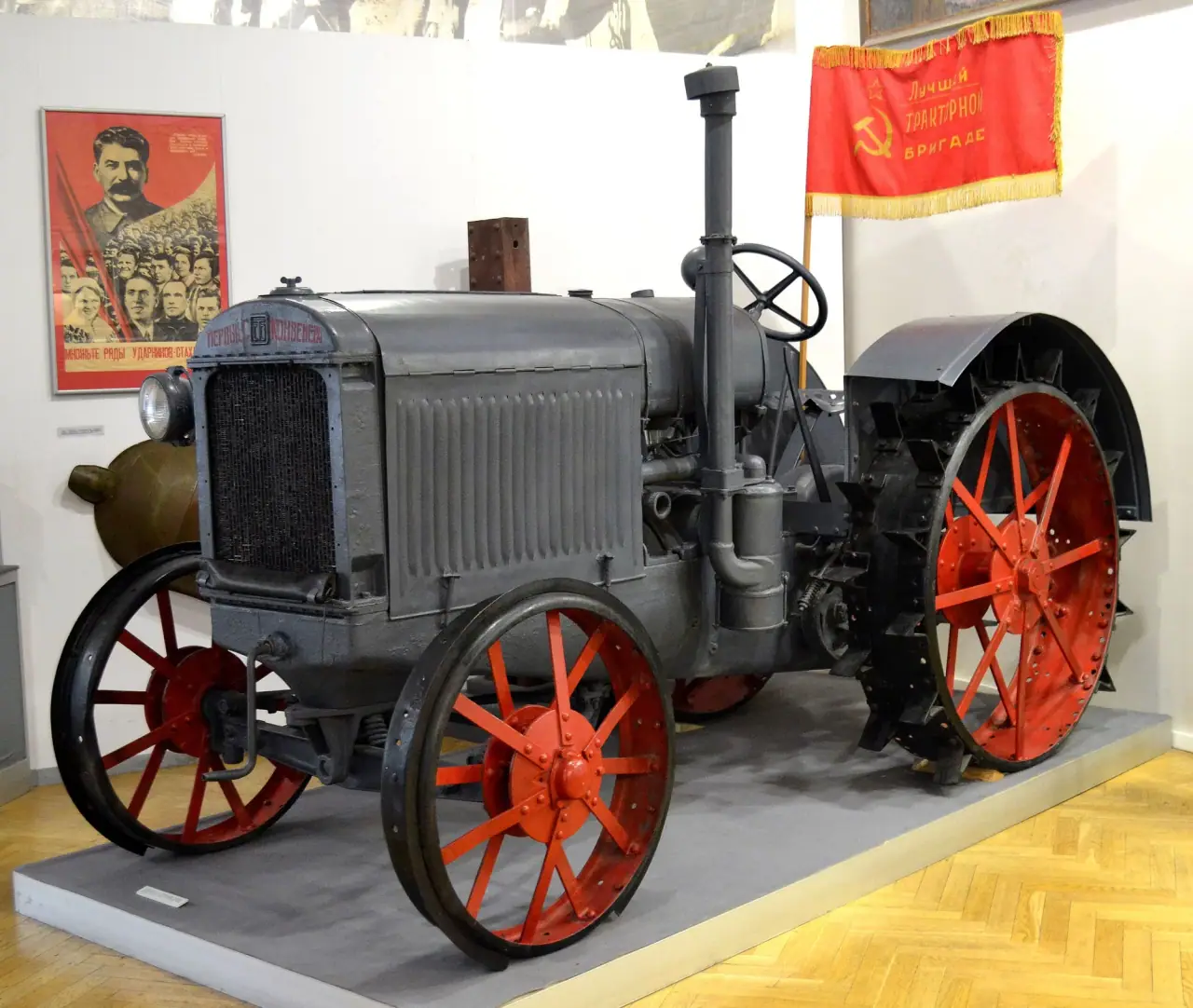
The plans expanded heavy industry and cities, while collectivization reorganized the countryside through grain requisitioning, confiscation, and deportation. The 1932–1933 famine, the Great Purge, and the labor camps caused enormous harm; the expansion of education and career opportunities cannot offset state violence. Rural labor poured into the factories, and machines, steel, and new schools became promises for the future; yet the same state defined many families as enemies and stripped away the basis of their lives. Plan targets and political censorship reinforced each other, and cadres, ordinary workers, and peasants could all be caught in chains of punishment. Growth, social mobility, famine, and terror must be understood within the same mechanism.
01 / 1928–1941How this era began
The New Economic Policy restored part of production but left unresolved the problems of grain supply, sources of investment, and the inner-party power struggle. The New Economic Policy restored part of urban-rural exchange but raised disputes over grain prices, industrial investment, and the direction of the revolution. The state needed to feed urban workers and import equipment, while peasant households needed useful industrial goods and acceptable prices. Suspicion of so-called kulaks politicized economic problems, and the party's power struggle further narrowed the space for negotiating different proposals.
Why did this era begin?
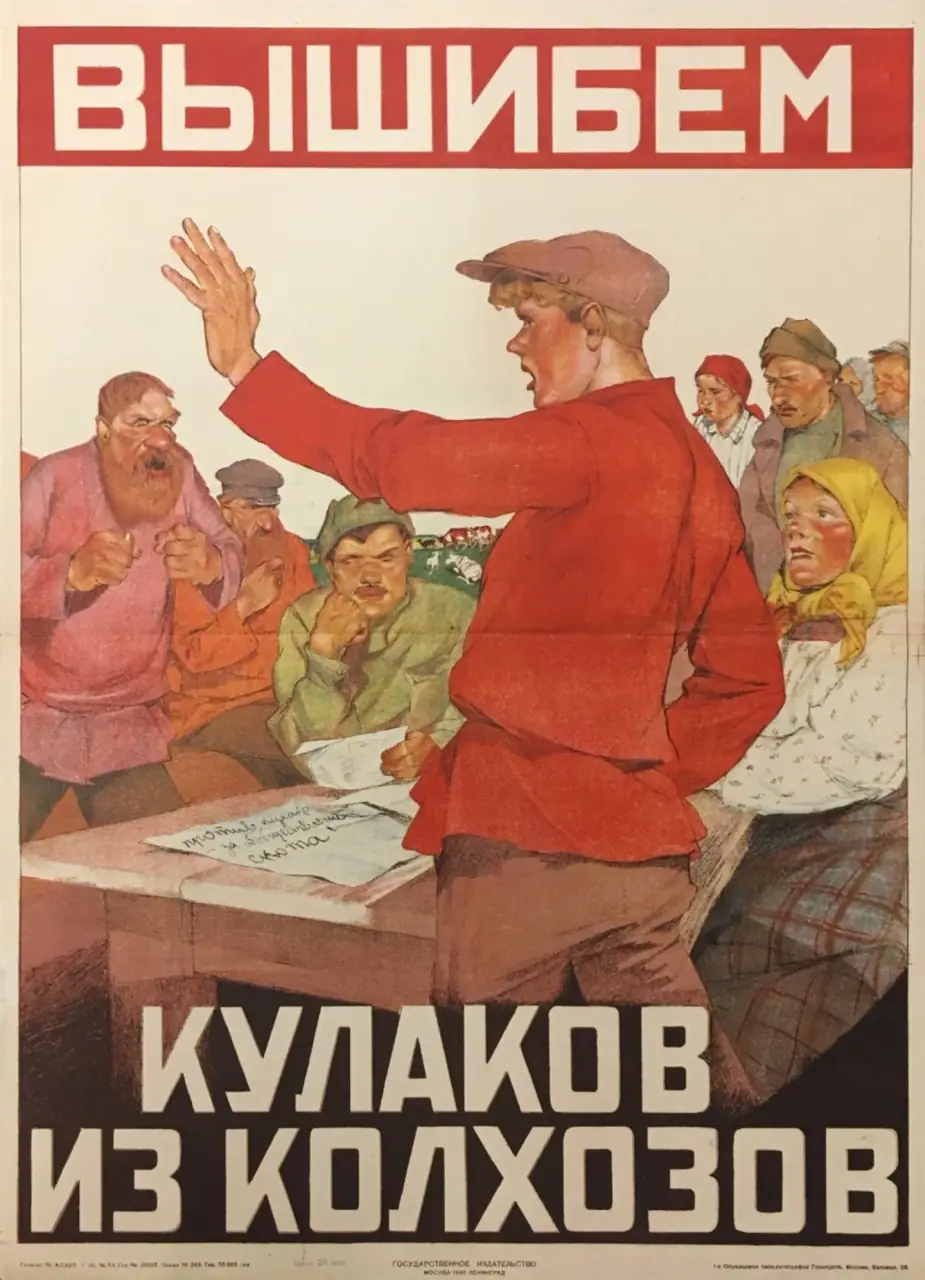
Stalin interpreted the grain procurement crisis as class hostility, replaced the market with administrative mobilization, and demanded accelerated construction. Emergency measures in grain requisitioning were converted into long-term agricultural reorganization, and collectivization was linked to confiscation, deportation, and dekulakization. The leadership's belief that larger scale of production must necessarily be more efficient was not a fact proven by results. Localities competed to meet targets, the center pressured again after partial local concessions, and policy implementation was therefore accompanied by sharp swings.
02 / 1928–1941Who held power
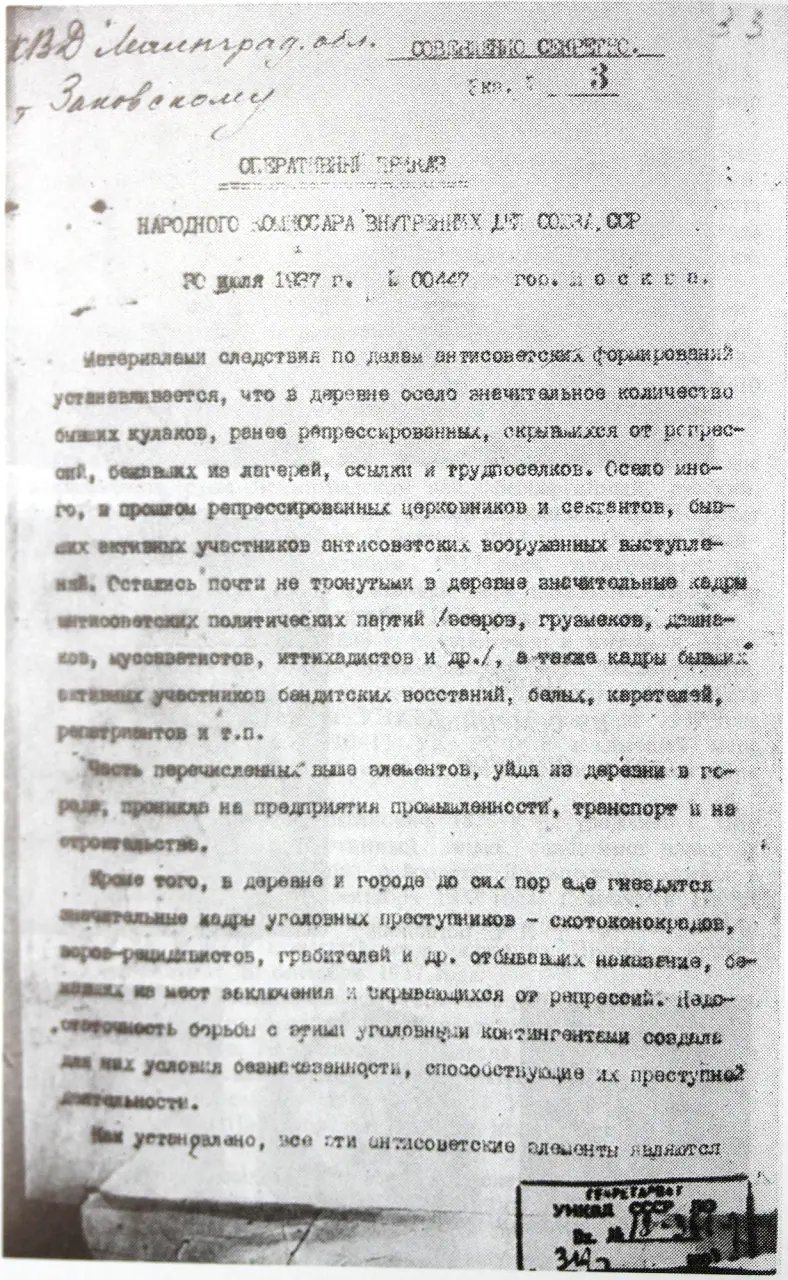
The leadership set plans and the secret police repressed; local cadres responded to the center and also expanded violence through target competition and denunciation. The party decided resources and personnel, and the secret police turned economic failure and political suspicion into cases. Central orders bore key responsibility, and localities also expanded accusations to protect themselves, seek promotion, or settle private grudges. Show trials and coerced confessions created an appearance of legality; the guilt of defendants cannot be taken as proof that the conspiracies were real; state control still did not mean that the grassroots never evaded or bargained.
What tensions existed within the era?
Goals conflicted with capacity, distorted reports and punitive incentives compounded, and Ukraine, Kazakhstan, and other regions suffered disasters in different forms. Procurement and grain-distribution priorities left the countryside especially vulnerable in poor harvests, and blocking flight from famine and punishing so-called wreckers further widened the disaster. Kazakh nomadic society also experienced forced settlement and the destruction of livelihoods, and that process cannot be fully analogized to the Ukrainian countryside. Including the experience of multiple regions does not mean reducing the evidentiary weight of policy responsibility in any one of them.
03 / 1928–1941How society worked
Heavy industry and defense had priority, and the countryside supplied grain and labor; targets, consumer shortages, forced labor, and informal exchange coexisted. The plans allocated funds, equipment, and labor with priority to heavy industry; output easily became the focus of assessment, while quality, maintenance, and consumer supply were often suppressed. Collective farms distributed labor remuneration only after delivery quotas were met, and when targets exceeded capacity, households might have no grain left. Forced labor was also part of the system, and not all new factories can be summarized as voluntary construction.
How did ordinary people live?
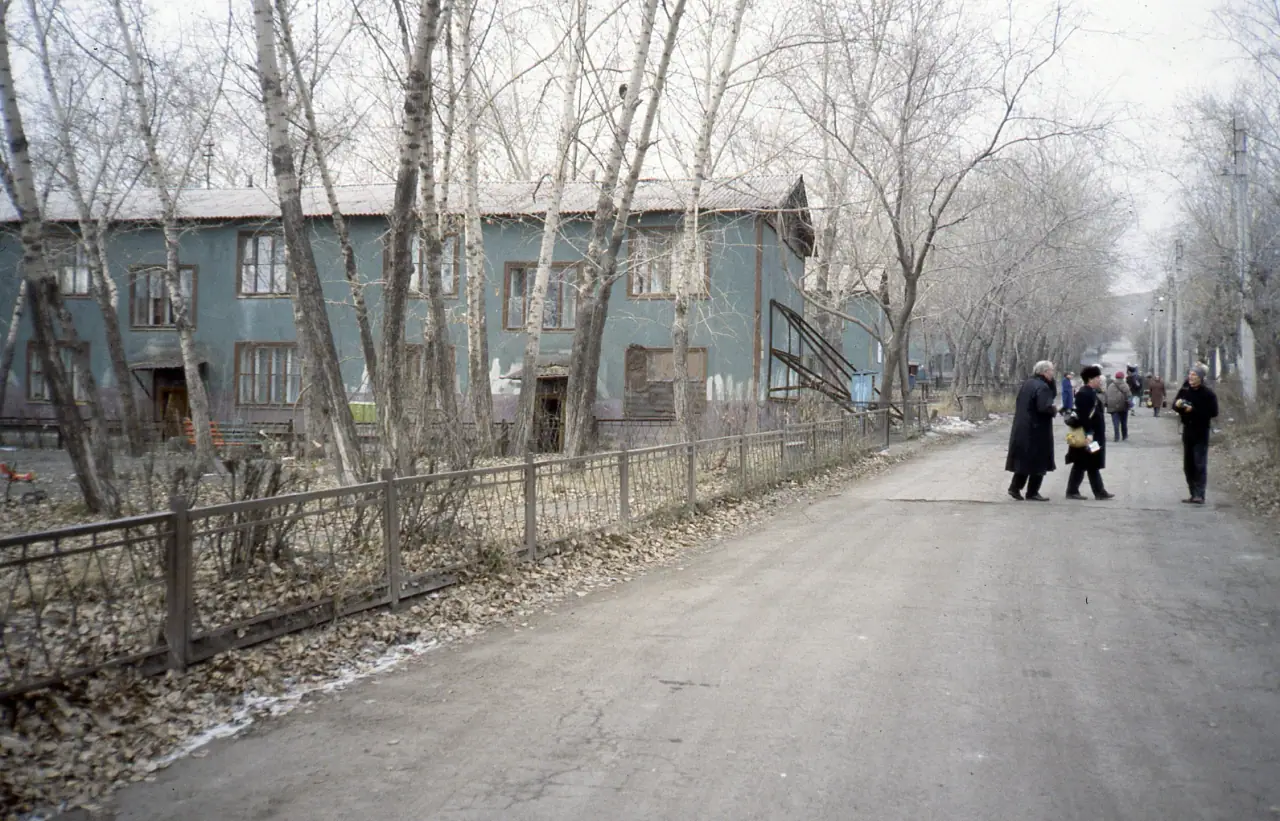
New workers faced crowded housing, rationing, and training; families classified as kulaks or political enemies were dispossessed and relocated. Entering the city could bring training, literacy, and new occupations, or it could mean shacks, queues, and repeated reassignment. Exiled families lost their homes, livestock, and familiar networks of mutual aid, and women often had to combine labor with caregiving. Terror also changed interpersonal trust: a neighbor's denunciation, a family member's arrest, and association with suspects could all affect daily choices.
04 / 1928–1941Where change began
The Soviet-German treaty did not eliminate Nazi war plans, and the 1941 invasion shifted the entire system into full mobilization. The western expansion of 1939–1940 brought new populations and governance tasks, yet Nazi war plans remained. Soviet industrial capacity mattered in the later resistance, while the Great Purge and command problems may also have weakened preparations. Using the 1945 victory to prove that all earlier measures were necessary reads the later outcome back into reasons that could not be tested at the time.
Milestones that changed direction
Accelerated industrialization
Investment concentrated in heavy industry, and the management of resources and labor became increasingly administrative.
Collectivization and dekulakization
The definition of kulak was politicized, and confiscation, deportation, and forced collectivization expanded.
The grain crisis became famine
Requisition, punishment, and restrictions on movement worsened the disaster, which continued to rage in 1933.
Kirov's assassination
Repression expanded afterward, and the official accusation cannot be taken directly as a complete explanation of the murder.
The constitution and public trials
Rights on paper coexisted with repression, and confessions were produced under coercive conditions.
The Great Terror reached its peak
Large-scale operations affected ordinary citizens, ethnic minorities, and Party, state, and military cadres, and continued in 1938.
The Soviet-German treaty
Secret protocols divided spheres of influence, and Soviet troops entered eastern Poland and attacked Finland.
Annexation of the Baltic states and other regions
Territory expanded under military pressure, and arrests and deportations accompanied Sovietization.
What we know
Grain requisition orders, local reports, population archives, and survivor testimony can trace the policy chain of collectivization, famine, and repression, yet each has biases of concealment, self-protection, and preservation. The agriculture feature and the LOC documents provide mutual corroboration at different levels, and confessions produced under torture cannot independently confirm a conspiracy. Output and collectivization rates in official reports also do not equal improved living standards, and disaster figures must be distinguished by region, period, and statistical method.
Questions still debated
Research debates continue over the policy intentions and legal characterization of the Ukrainian famine, but there is ample evidence that grain requisition, blockades, and repression worsened the disaster; the controversy cannot deny the victims. Famine research debates include policy formation, intent, regional differences, and death estimates, and controversy must not be understood as making responsibility impossible to judge. The Great Terror also has different scales, including central initiation, local execution, and social participation. New archives can correct figures and processes, but they do not automatically make unverified official narratives of enemies into fact.
Legacies for later generations
Industry and education transformed society, while famine, terror, and the trauma of displacement crossed generations and republic boundaries. Industrial towns, specialized education, and administrative planning left lasting structures, and forced migration and political classification also reshaped families, languages, and regional relations. Victim experiences were censored at the time, and later rehabilitation did not mean the losses could be restored. Comparing institutional achievements and disasters requires separate evidence; human deaths cannot be converted into a cost footnote for output growth.
References and evidence
These materials support this page's account. Check the purpose, perspective and accessible scope of each source. Notes identify the evidential limits of excerpts, summaries and timelines.
- Revealing the Russian Archives: Inside the Soviet UnionLibrary of Congress exhibition in cooperation with Russian archives · Archive
Provides documents and translations on grain requisition, repression, censorship, deportation, and reform; the 1992 general introduction's period stance must be read against other research.
- Dekulakization as class liquidation: agricultural collectivizationSeventeen Moments in Soviet History, a university history-source teaching project · Academic research
Check the grain requisition crisis, coercion, peasant resistance, and famine; do not treat old estimates as precise mortality statistics.
- Soviet territorial annexations, 1939–1940Seventeen Moments in Soviet History, a university history-source teaching project · Academic research
Read the feature and check the secret protocol, entry into Poland, the Winter War, and the annexation of the Baltic states.
- June 1941: Nazi Germany invades the Soviet UnionUnited States Holocaust Memorial Museum · Museum research
Read the full text and check the invasion date, the war of extermination's objectives, and the experiences of Jews, prisoners of war, and civilians.
- The double burden: wage labor and houseworkSeventeen Moments in Soviet History, a university history-source teaching project · Academic research
The feature discusses the gap between employment, housework, and the promise of socialist gender equality.
At the end, bring this chapter to a close.