The East Slavic World Connected by Rivers
How did a cross-linguistic commercial network become a political community ruled by princes?
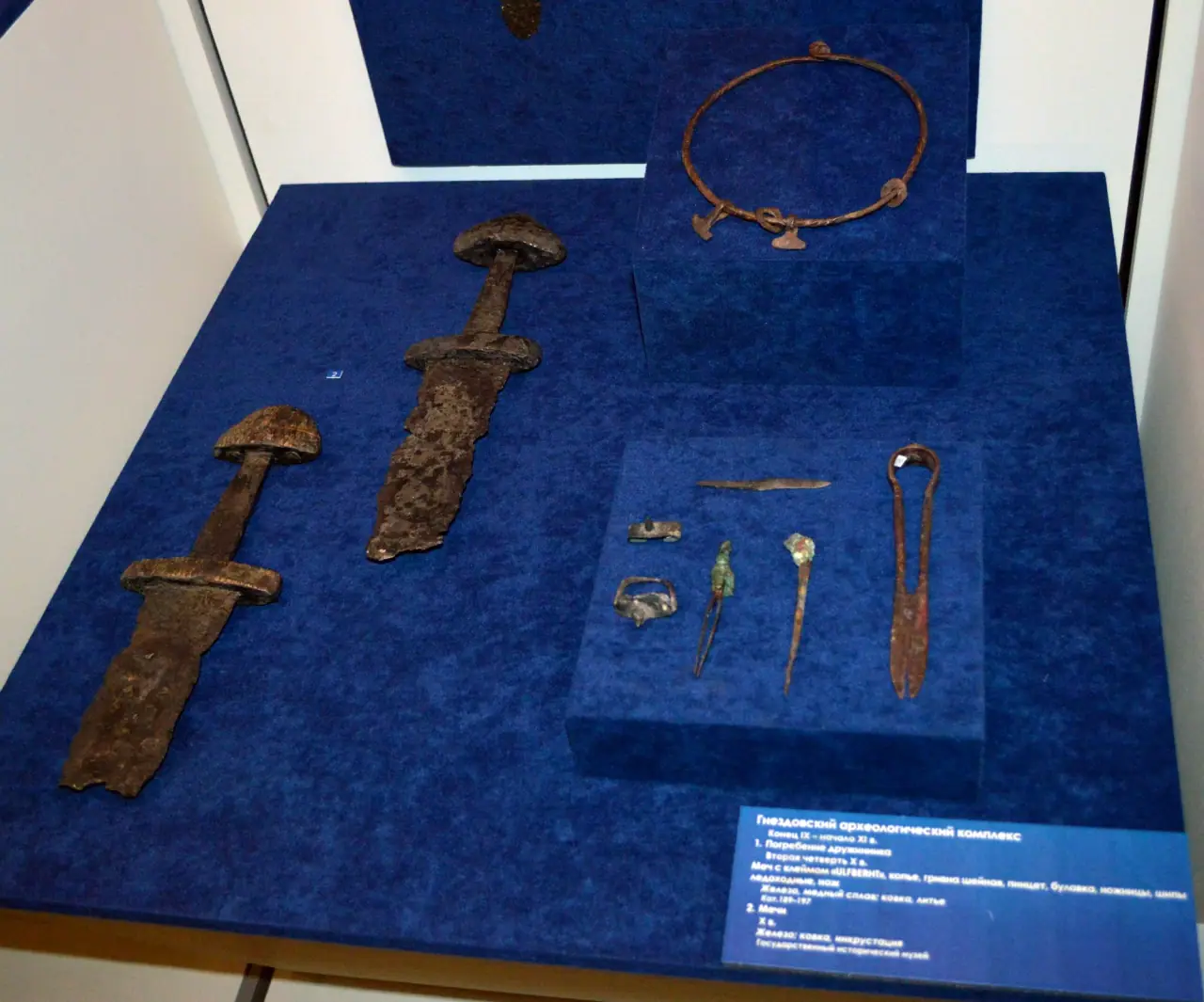
Between the forests and steppes of Eastern Europe there was no pre-existing modern nation-state. East Slavic farming communities, Finnic-speaking inhabitants, Scandinavian traders, and steppe powers met at the intersections of river routes; the Rus ruling network gradually formed through tribute, force, and long-distance trade. A river route carrying beeswax and furs might also transport captives, weapons, and princely envoys. Controlling a ford did not mean governing every village, but income from trade routes could support a retinue and then convert force into tribute. State formation was therefore a process in which many local communities, newcomers, and neighboring powers shaped one another, not the one-day founding of a state by some modern nation.
01 / c. 750–988How this era began
The expansion of East Slavic settlement in the sixth to eighth centuries took place among existing multilingual inhabitants, linking forest agriculture with steppe trade. Forests, wetlands, and steppes offered different livelihoods and also created seasonal differences in transport. Dispersed farming households lived by clearing land, beekeeping, and river resources; existing communities did not immediately disappear when new Slavic-speaking inhabitants appeared. The tribute systems of polities such as the Khazars and northern exchange already existed, and the Rus took their place within these relationships.
Why did this era begin?
The Baltic, Volga, and Dnieper trade routes brought silver coins and military wealth, and princes gradually controlled nodal cities and tribute routes. A retinue needed payment, merchants along the routes needed passage and trading arrangements, and a leader controlling cities could combine the two. The chronicle-preserved trade treaties with Byzantium list rules for entering the city, supplies, and trade together, showing that military threat and rule-bound exchange were not mutually exclusive activities.
02 / c. 750–988Who held power
Princes and retinue groups ruled through negotiation, war, and circuit collection of tribute, while local communities retained their own leaders and customs. This rule depended more on what a prince could bring in loot, protection, and distribution than on a bureaucracy covering the whole territory. Retinues and city elites might support a prince or switch sides in disputes over inheritance or revenue; evasion and resistance by those subject to tribute likewise limited a leader's ability to extract resources.
What tensions existed within the era?
Competition over trade routes and the burden of tribute caused conflict, and rulers could not yet turn the authority of a mobile retinue into stable local administration. A single tribute collection could sustain a retinue, but excessive demands might destroy the next year's tax base. The story of Igor's death and Olga's revenge writes this conflict into dynastic memory, preserving clues about political relations while being heavily literary; its details or dialogue cannot be treated as an on-site transcript.
03 / c. 750–988How society worked
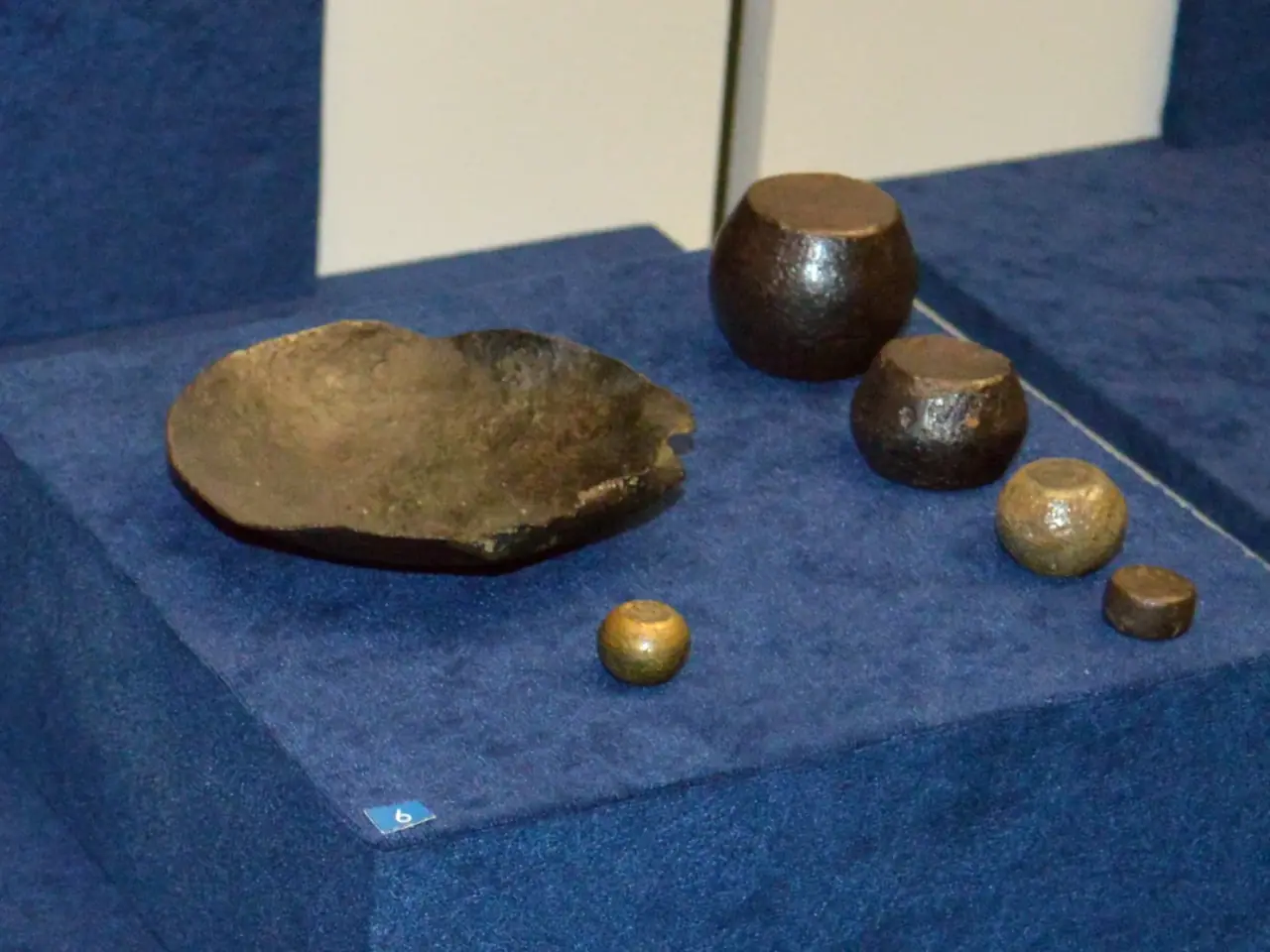
Grain, beeswax, and furs supported exchange, and captured people also entered the slave trade; profits depended on Byzantine and Islamic markets. Goods such as furs could reach distant markets, while grain and everyday goods depended mainly on local production. The boundary between tribute, plunder, and purchase was unstable, and captives were treated as commodities. Buried silver coins prove exchange connections, but they cannot be used to assert that everyone used cash or to draw the whole region as one stable, unified trade network.
How did ordinary people live?
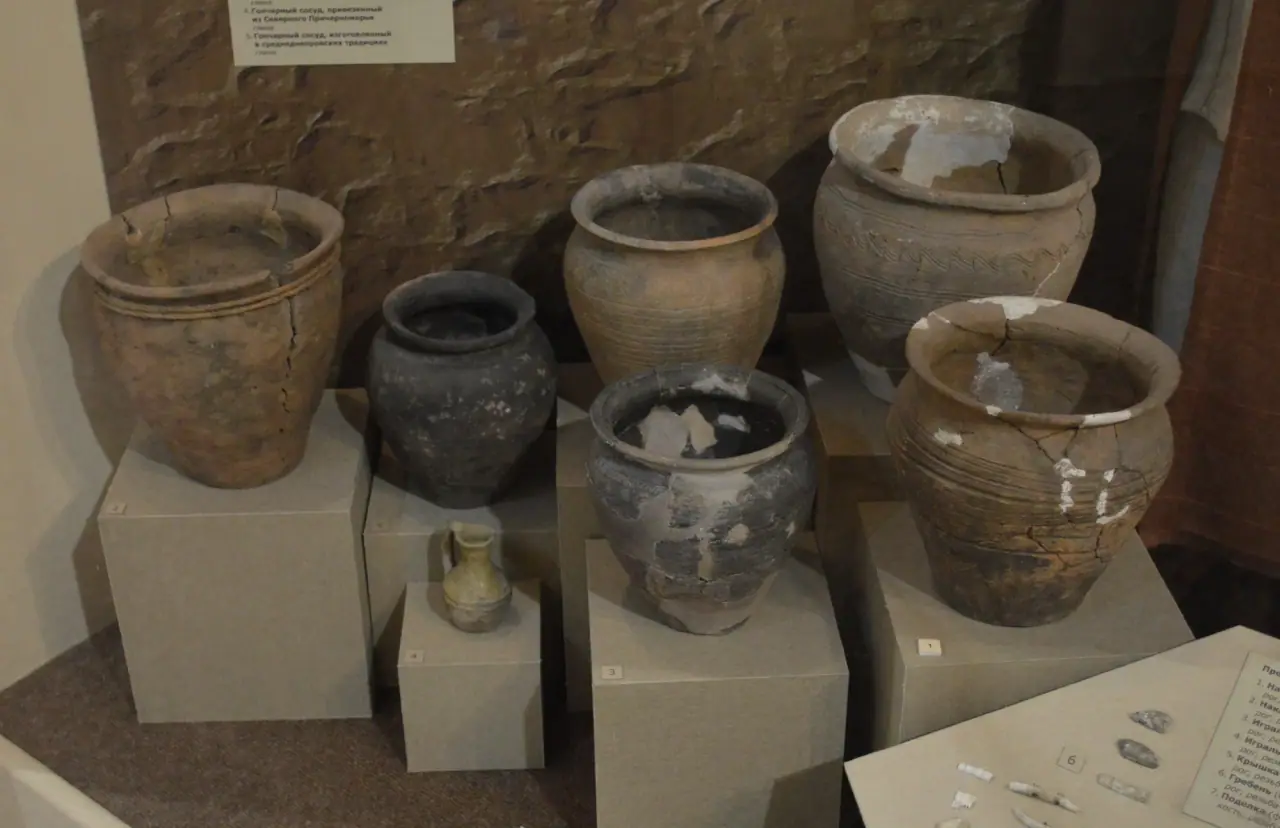
Most people lived in wooden villages, farming, fishing, and weaving by season; port residents encountered different languages, ornaments, and religions. Fine objects from long-distance trade easily enter museums, while ordinary people's labor remains more in house sites, tools, and food remains. Wooden settlements had to cope with cold, fire, and harvest variation, and women and children took part in household production. Different styles of ornaments excavated at ports can only suggest cultural contact; they cannot automatically determine the ethnic identity of the wearer.
04 / c. 750–988Where change began
Vladimir was baptized and married into the Byzantine family, opening a new legitimacy and writing system, though the old faith did not immediately disappear. Baptism, marriage, and church building gave princes another political language, and retinue rule thus gradually combined with religious organization, writing, and architecture. This transformation involved foreign alliances and also affected local rituals and household customs. The chapter uses 988 as an observational node and does not claim that all inhabitants were already equally religious at that time.
Milestones that changed direction
Rus attacks Constantinople
The attack shows links between military groups and Black Sea trade routes; specifics of organization remain an evidentiary gap.
Traditional date of the calling of the princes
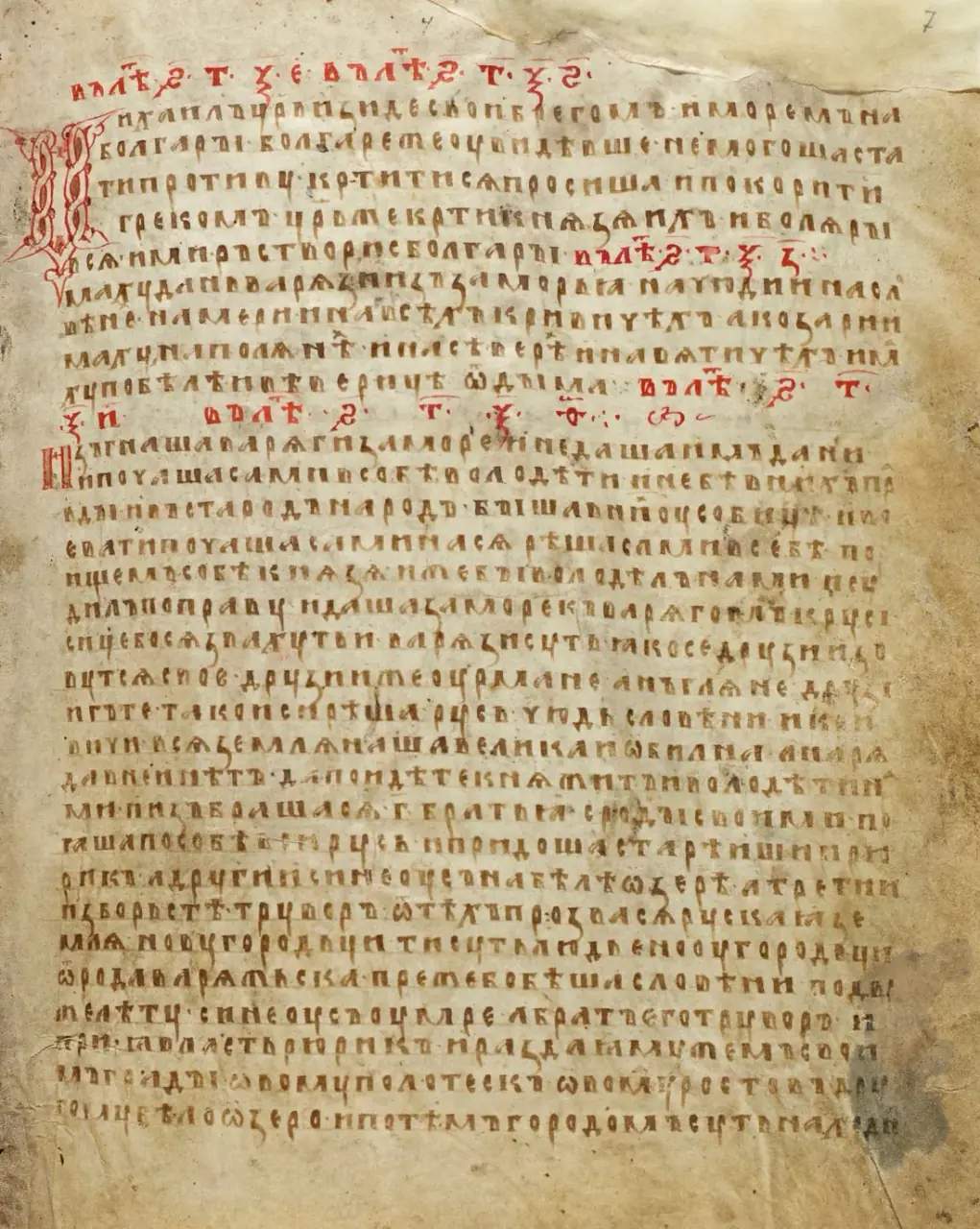
The Primary Chronicle narrates the dynasty's origin through dispute and invitation; 862 is the text's traditional date and cannot be treated as an on-site record of unanimous consent by all inhabitants.
Traditional date of Kyiv becoming the dynastic center
The chronicle organizes its narrative around Oleg's control of Kyiv; the precision of dates must be distinguished from later compilation.
Rus-Byzantine trade treaties
The treaty tradition preserved in the chronicle concerns envoys, trade, and merchant passage, offering textual clues to military contact and rule-bound exchange.
Tribute conflict and Igor's death
The resistance recorded in the chronicle reveals the risks of repeated tribute collection; Olga subsequently reorganized tribute.
The prince's baptism and the turn to Christianity
988 is the conventional date; baptism, marriage, and local missionary work were processes spanning years.
What we know
Settlements, tools, and coins show livelihoods and exchange, but the ethnicity of a wearer cannot be determined from ornament style alone. The Primary Chronicle preserves accounts of inviting princes, tribute, and trade treaties, but it was compiled generations later and contains religious and dynastic purposes. The University of Oregon teaching translation also has modern inserted notes, which must be distinguished from the original text layers. Scholarly chronologies help verify sequence; baptism miracles, revenge details, and dialogue cannot by themselves be treated as on-site facts.
Questions still debated
Traditional dates such as the calling of Rurik and ethnic identities are debated. Scandinavian involvement has multiple kinds of evidence, but this does not mean the state was created by a single ethnic group. On the name Rus, the formation of princely power, and the role of Scandinavians, different studies emphasize trade, military force, or local organization. Archaeological objects and linguistic records can support contact but hardly give an ethnic ratio in the modern sense. The traditional 862 story also cannot independently prove that all localities voluntarily accepted the same dynasty.
Legacies for later generations
Rus is a heritage jointly connected to later Russia, Ukraine, and Belarus; modern states cannot retroactively monopolize its entire experience. Later dynasties, churches, and national movements all selectively used the origin story of Rus. To write this experience only as a birth certificate for any one of Russia, Ukraine, or Belarus would erase other regions and non-Slavic inhabitants. The inheritance here is multiple cultural and institutional connections, not proof of modern territorial rights.
References and evidence
These materials support this page's account. Check the purpose, perspective and accessible scope of each source. Notes identify the evidential limits of excerpts, summaries and timelines.
- The Cambridge History of Russia, Volume 1: public chapter abstractsCambridge University Press · Academic research
Only publicly available signed abstracts were read, used for terminology and framing of research questions; no claim is made to have read the chapters in full; key narratives were cross-checked separately against accessible sources and historical texts.
- The Cambridge History of Russia, Volume 1: public chronology and table of contentsCambridge University Press · Academic research
Checked against the public chronology and authors; no claim is made to have read the full paid book, and uncertainties may remain in traditional dating.
- Sean Griffin: The Liturgical Past in Byzantium and Early RusCambridge University Press · Academic research
The public book description suggests that the memory of baptism was rewritten through liturgy and politics, and that the historical process should be distinguished from later origin narratives.
- Selected passages from a university teaching translation of the Primary ChronicleUniversity of Oregon, SAC teaching source collection · Primary source
Actually read the passages on the invitation to the Rus, Oleg's commercial treaty, Olga, and the choice of baptism; these are English translated selections with modern editorial insertions, not a complete critical edition, and miracles and dialogue between figures are not treated directly as fact.
- Russia: A Country Study: body text on early historyLibrary of Congress, Federal Research Division; CountryStudies.us text mirror · Specialist reference
Read the body of the public chapter, not a summary; the research was completed in 1996, the mirror is not the main LOC site, and old formulations such as those on nation formation and linear development are read critically rather than adopted as written.
At the end, bring this chapter to a close.