The information revolution: Public foundations behind the screen
How much unseen public investment and labor lies behind a personal computer?
The development of computing and the internet in the United States connected defense research, university experiments, corporate manufacturing and international collaboration on standards. ARPANET initially served a limited set of research nodes in 1969. Microprocessors, personal computers and software ecosystems subsequently brought computing into offices and homes. The World Wide Web originated at CERN in Europe and is not synonymous with the birth of the internet. In 1993 Mosaic helped users browse links and images, while commercialization changed information distribution and financing. Expansion depended on manufacturing, maintenance and often overlooked programming work. Income and skills still constrained access. This thematic chapter follows how networks formed across periods, without allowing corporate success to erase public resources and contributions from other countries.
01 / 1969–2001 (thematic chapter)How this era began
Large-scale computing, communications and semiconductors had accumulated foundations over preceding decades, with military and government agencies, universities and companies making different demands. Computers did not begin as personal consumer products. Maintenance, programming and coordination of standards required teams. Understanding these organizational foundations avoids retelling the later personal computer and internet as a linear story of a few entrepreneurs creating everything from nothing.
Why did this era begin?
ARPANET gradually linked research institutions. Packet switching and protocols allowed heterogeneous systems to communicate. Microprocessors and personal computers then changed equipment costs and settings of use, while networks expanded beyond limited research environments to more businesses and households. Connecting nodes, publishing standards and forming a mass market were different processes. A first message in one year cannot stand for the simultaneous emergence of every network application.
02 / 1969–2001 (thematic chapter)Who held power
Government funding, research institutions and standards communities were important to early development. Companies later accumulated market power through hardware, operating systems and network gateways. Users and developers could create content without having equal control over infrastructure and distribution rules. Open protocols and commercial concentration can coexist. The technical possibility of interconnection does not establish that power over information is equally distributed.
What tensions existed within the era?
Shared research and commercial ownership, open standards and platform control remained in tension. Expanded connectivity also raised problems of privacy and workplace surveillance. Researchers from different countries jointly developed packet switching and networking protocols; the World Wide Web's origins at CERN particularly need to be stated. Reducing technological competition to inevitable American leadership conceals international interdependence and the availability of alternative institutional and commercial paths.
03 / 1969–2001 (thematic chapter)How society worked
Semiconductor manufacturing, software, communications and finance jointly supported digital industries. Technological diffusion reorganized office, factory and service work. Product innovation relied on supply chains and public research, while corporate returns did not necessarily mean equivalent gains in productivity throughout society. The dot-com reversal particularly shows that financing expectations and technological usability operate at different scales. A falling stock market does not mean that the network itself disappeared.
How did ordinary people live?
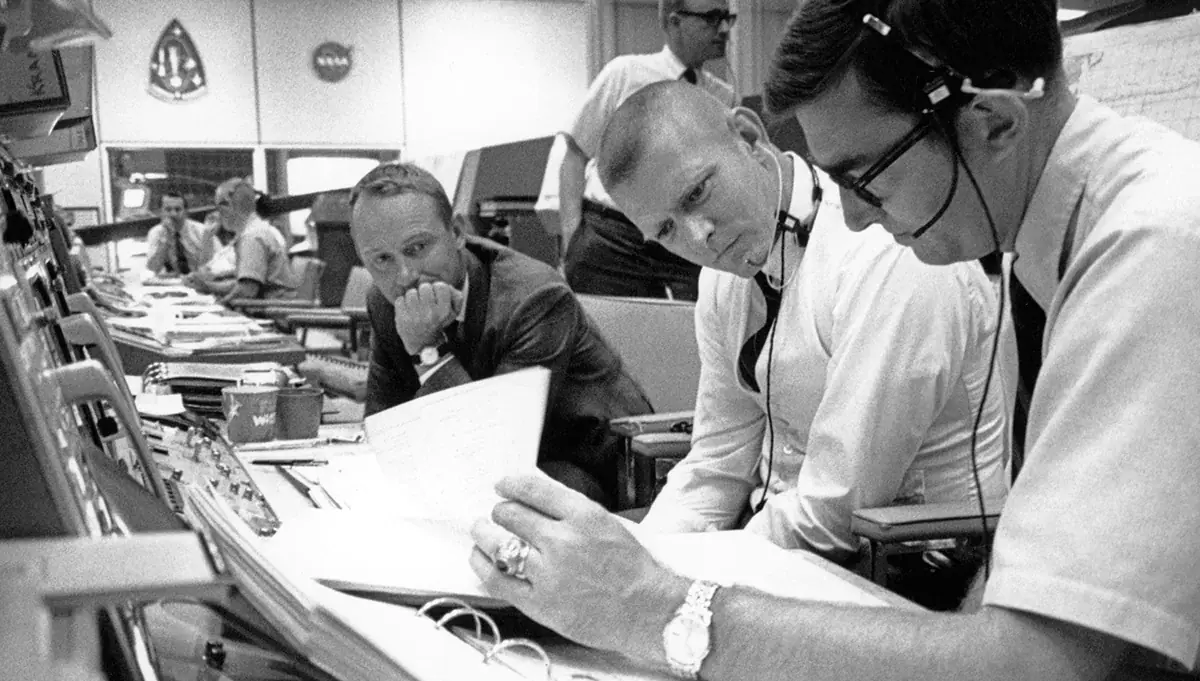
Personal computers changed paperwork, calculation and home entertainment, while browsers let more nonspecialists obtain information through links. Use still required equipment, connection fees, language skills and time to learn. Not every household could participate at once. Photographs of machines can also obscure programmers, data-entry workers and maintenance staff. The everyday history of technology should include both users and the people who kept systems running.
04 / 1969–2001 (thematic chapter)Where change began
By around 2001 the internet had expanded beyond its early research uses. The commercial bubble's correction caused some companies to fail but did not end the spread of standards, infrastructure and everyday applications. This chapter ends with the early mass-adoption phase rather than covering the entire later history of mobile platforms. The security, financial and public-health questions in the following chapter further show that digital connectivity does not resolve trust and inequality on its own.
Milestones that changed direction
1969: ARPANET connections
Nodes including UCLA and the Stanford Research Institute joined ARPANET. Teams, protocols and maintenance jointly made connections usable. A limited research network was not the whole of a worldwide internet in that year.
1971: A commercial microprocessor milestone
The Intel 4004 was developed for the Japanese Busicom calculator project, with architectural and chip-design work shared among several people. Commercial release, technological invention and widespread adoption were distinct milestones.
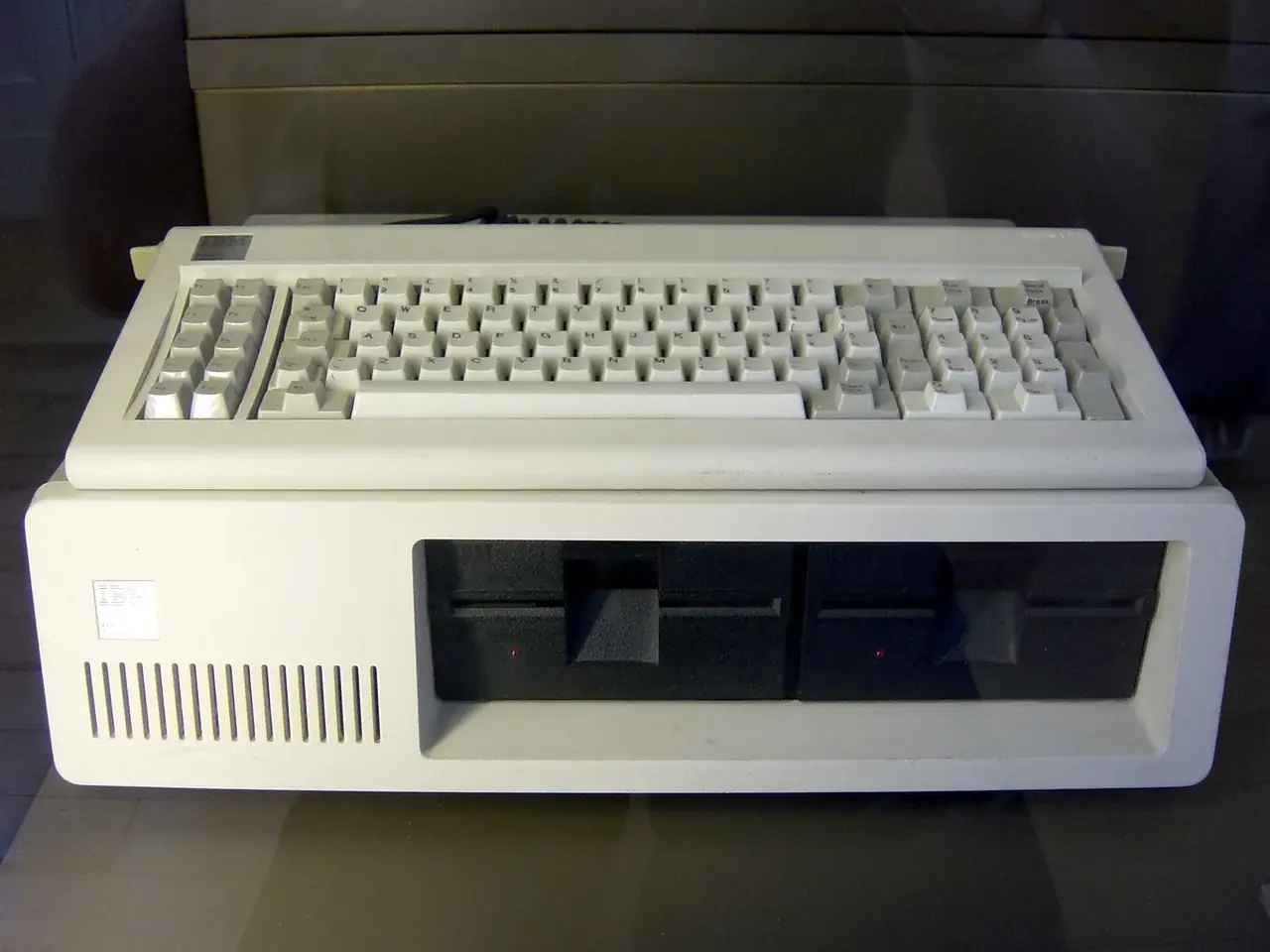
1981: The IBM personal computer
The IBM personal computer reached the market. Hardware, operating systems and compatible ecosystems influenced office and home computing. Launching a product did not mean it had already become everyone's everyday equipment.
1993: CERN releases World Wide Web software
CERN made World Wide Web software public, supporting the spread of web pages and open standards. The Web originated in a European research environment and must not be equated with the earlier internet or ARPANET.
1993: NCSA Mosaic
The NCSA team developed Mosaic and provided versions for different systems, making browsing text and images easier for nonspecialists. It built on existing browsers, code libraries and open networking standards.
2000: The dot-com bubble turns
Financing and share prices for internet companies reversed around 2000, and many business plans failed. Technical standards, network infrastructure and everyday use did not all disappear with them.
What we know
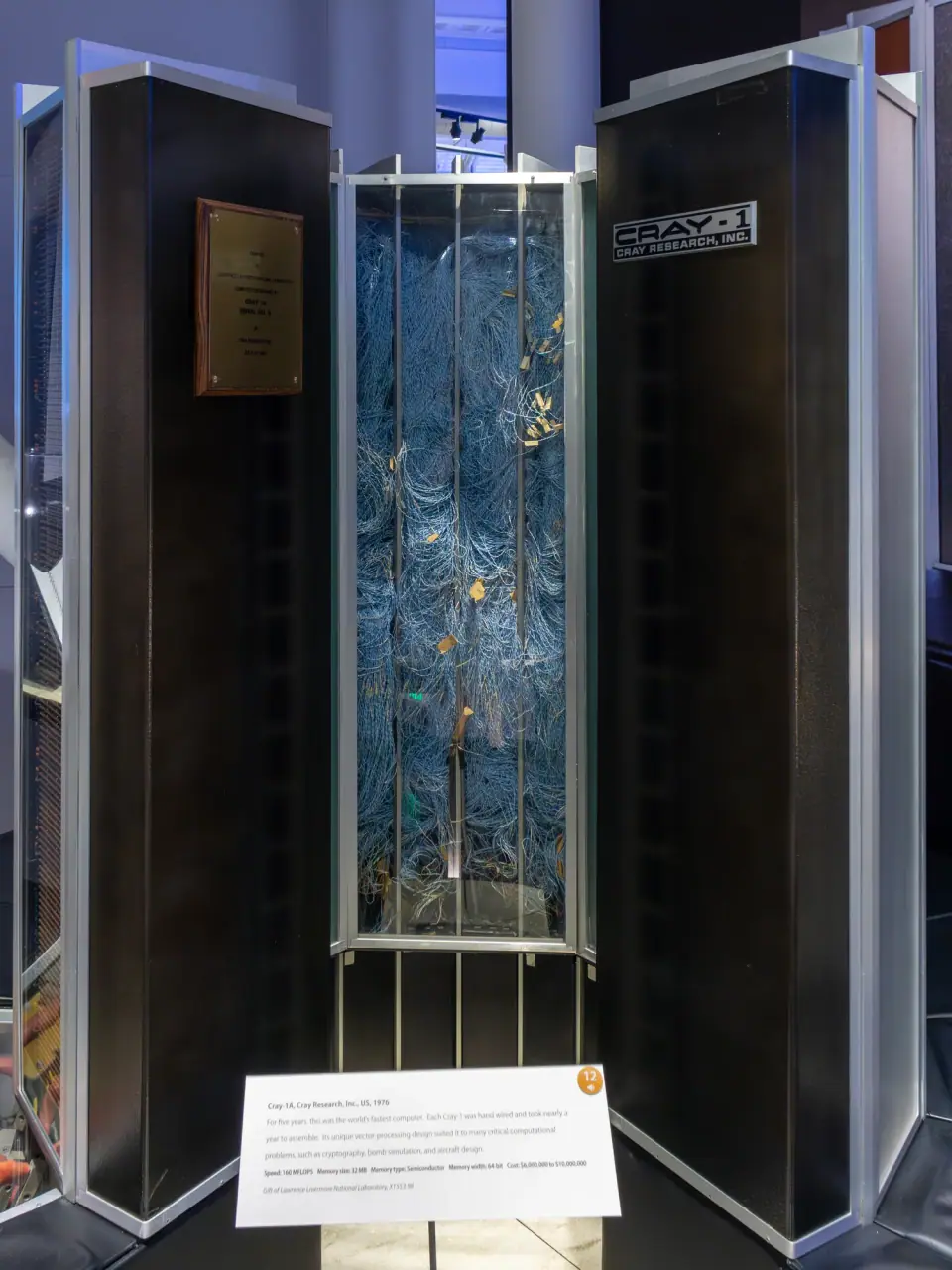
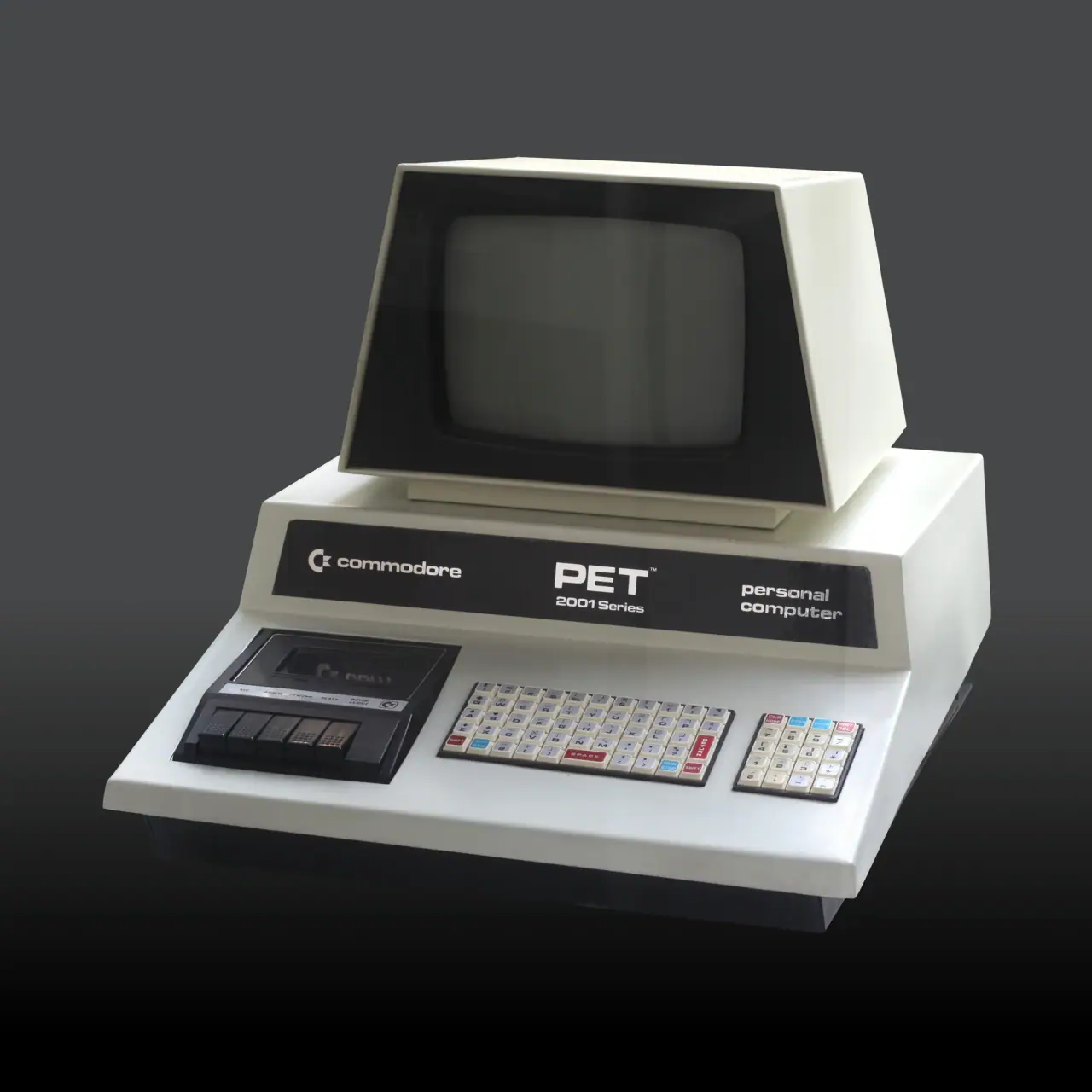
The Computer History Museum's chronology distinguishes the stages of ARPANET, personal computers and Mosaic. CERN's release records establish when World Wide Web software became public and the scope of that release. Oral histories, protocols and equipment answer different questions. Product launch does not mean widespread adoption. Modern photographs of digitized exhibits must also be distinguished from the dates of the original equipment; they are not photographs of early workplaces.
Questions still debated
A technology's first proposal, usable implementation and broad adoption often occurred at different times. Claims of invention must specify which stage is being compared. The respective roles of defense funding, university collaboration, corporate competition and user practices cannot be settled through one heroic narrative. Evaluation of openness or commercialization should distinguish technical standards, software licensing and market structure rather than treating them as one concept.
Legacies for later generations
Networking protocols, personal-computer ecosystems and software habits profoundly changed knowledge and work, while giving governments and companies new capacities for management. Foundations provided by public research and international collaboration show that innovation extends beyond the patents and biographies of market winners. Historical impact must also be evaluated through access, skills, labor and the distribution of information, rather than treating user numbers or corporate market value as the sole measures of social benefit.
References and evidence
These materials support this page's account. Check the purpose, perspective and accessible scope of each source. Notes identify the evidential limits of excerpts, summaries and timelines.
- Timeline of Computer HistoryComputer History Museum · Museum research
A thematic navigation entry for locating materials. Specific dates and institutional conclusions are cross-checked against documents, collections and substantive entries listed in this chapter. A directory does not establish an account of an entire period.
- Internet History, 1962–1992Computer History Museum · Museum research
A thematic navigation entry for locating materials. Specific dates and institutional conclusions are cross-checked against documents, collections and substantive entries listed in this chapter. A directory does not establish an account of an entire period.
- 1993: Mosaic and Other Technological MilestonesComputer History Museum · Museum research
NCSA Mosaic and the development of interfaces for mass internet use.
- The 1960s Prehistory of the Internet and ARPANETComputer History Museum · Museum research
Specific teams, protocols and connections through 1969. Packet switching had parallel research histories across countries.
- Computing Milestones in 1971Computer History Museum · Museum research
The 4004 was developed for the Japanese Busicom calculator project. Distinguish commercial release, architecture and design, rather than calling it first in every possible sense.
- Personal Computers and Software Ecosystems in 1981Computer History Museum · Museum research
The IBM PC launch and related technological milestones. Release did not mean immediate adoption by every household.
- CERN's 1993 Document Releasing World Wide Web SoftwareCERN Document Server · Primary source
The public statement and digital original dated April 30, 1993. The World Wide Web is not the whole set of internet protocols.
- The Internet Commercial Boom and the Turn around 2000Computer History Museum · Museum research
The specific Boom-and-Bust entry. Technological application, corporate financing and share value are different measures.
At the end, bring this chapter to a close.