The twenty-first century: Security, risk and shared life
In successive crises, who receives protection and who is more likely to bear losses?
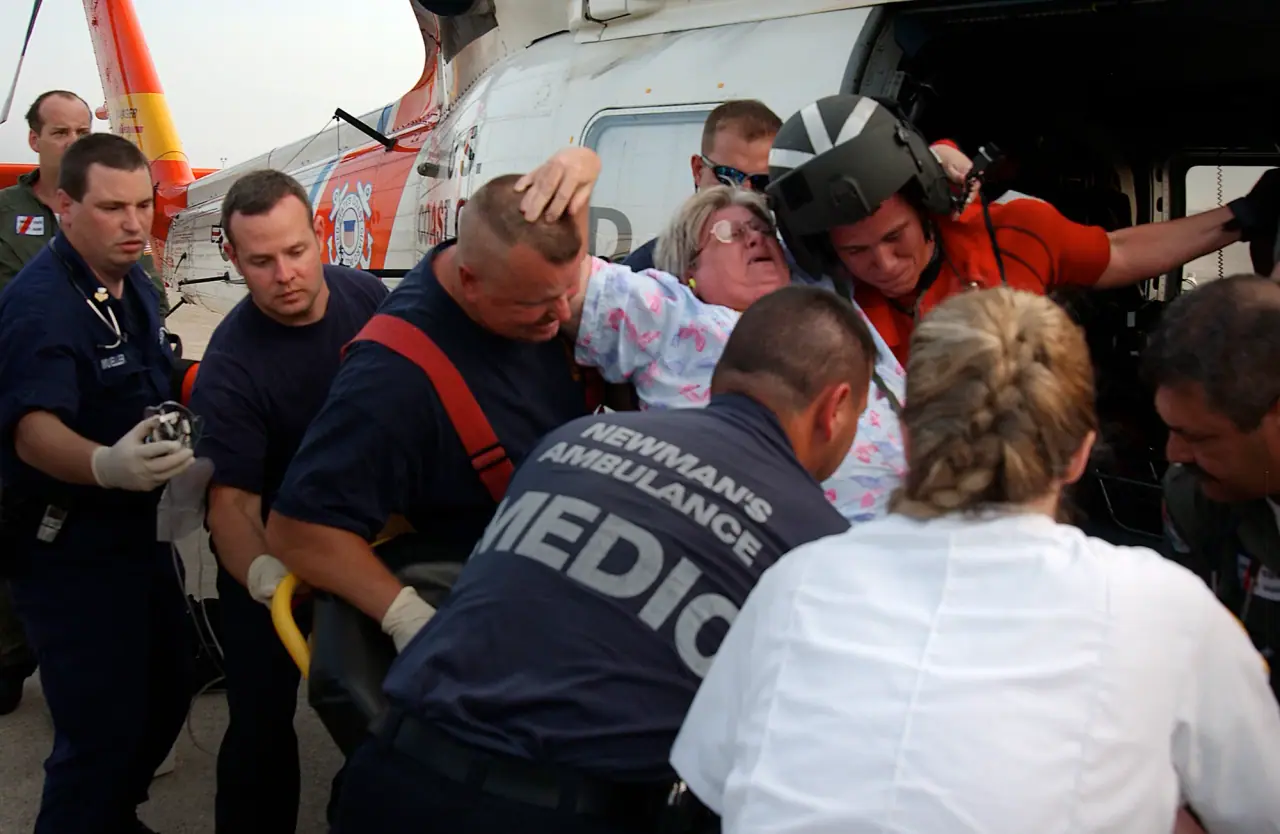
From 2001 to early 2021, terrorist attacks, overseas wars, financial crisis and the pandemic repeatedly changed American understandings of security and public responsibility. Mobilization after September 11 expanded security agencies and military commitments. The housing-credit crisis showed how financial risks reached household wealth and employment. Health reform sought to change insurance rules, but actual protection cannot be assessed through statutory goals alone. Digital networks expanded participation while making information, platforms and trust more prominent questions. The 2020 public-health crisis brought inequalities in labor, care and race into daily life. The attack on Congress on January 6, 2021 subjected electoral certification to violence. The chapter uses this as a transition to the next stage.
01 / 2001–2021How this era began
After the Cold War, the United States had greater scope for international policy, while digital industries and financial connections expanded. Prosperity and technological opportunity did not eliminate household debt or differences in health coverage and income. Expectations of government and markets remained divided. The crisis of 2001 changed the security agenda, but all subsequent economic and political changes should not be interpreted as direct consequences of one attack.
Why did this era begin?
The September 11 attacks caused major loss of life. The government subsequently expanded counterterrorism policy and launched overseas wars, prompting new domestic arguments about security and freedom. Each war had its own decisions and local history. Afghanistan and Iraq should not both be described as automatic responses to the same event. How the state defined threats, allocated resources and accepted oversight remained central questions throughout this period.
02 / 2001–2021Who held power
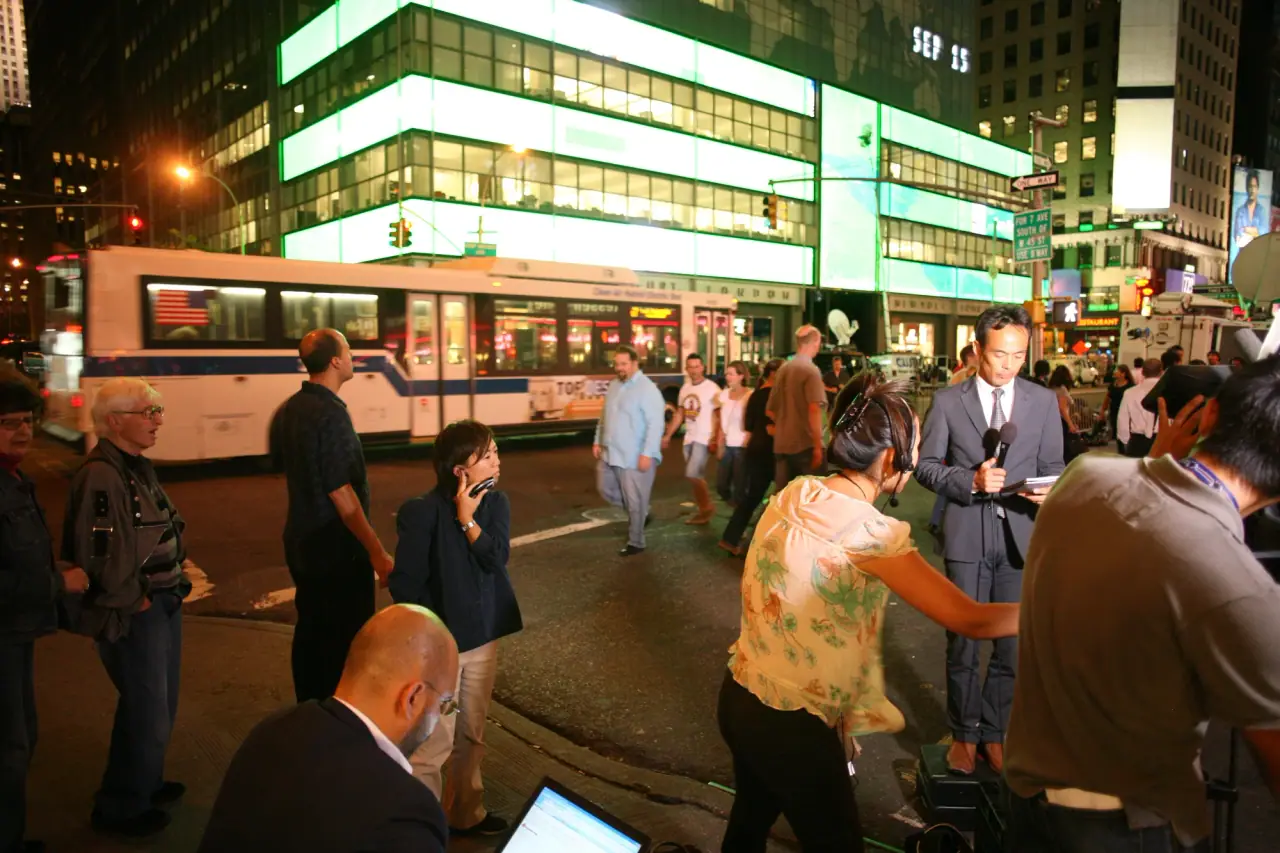
The president, Congress, courts and security agencies repeatedly contested powers over war, surveillance and rights. Local governments also influenced the implementation of health coverage and public-health policy. Digital firms controlled more information and gateways to public debate without replacing all state power. Understanding institutional change requires distinctions between legal authority, implementation and social consequences, rather than a simple description of government as strong or weak.
What tensions existed within the era?
Conflicts arose at different levels between security policies and civil liberties, financial stability and household relief, and public health and trust in government. Precrisis institutional arrangements intensified many tensions; these cannot all be attributed to individual attitudes. Networked communication expanded opportunities for mobilization and misinformation, but specific political responsibility must still be assessed through actions and evidence. Technology itself cannot be treated as the sole actor.
03 / 2001–2021How society worked
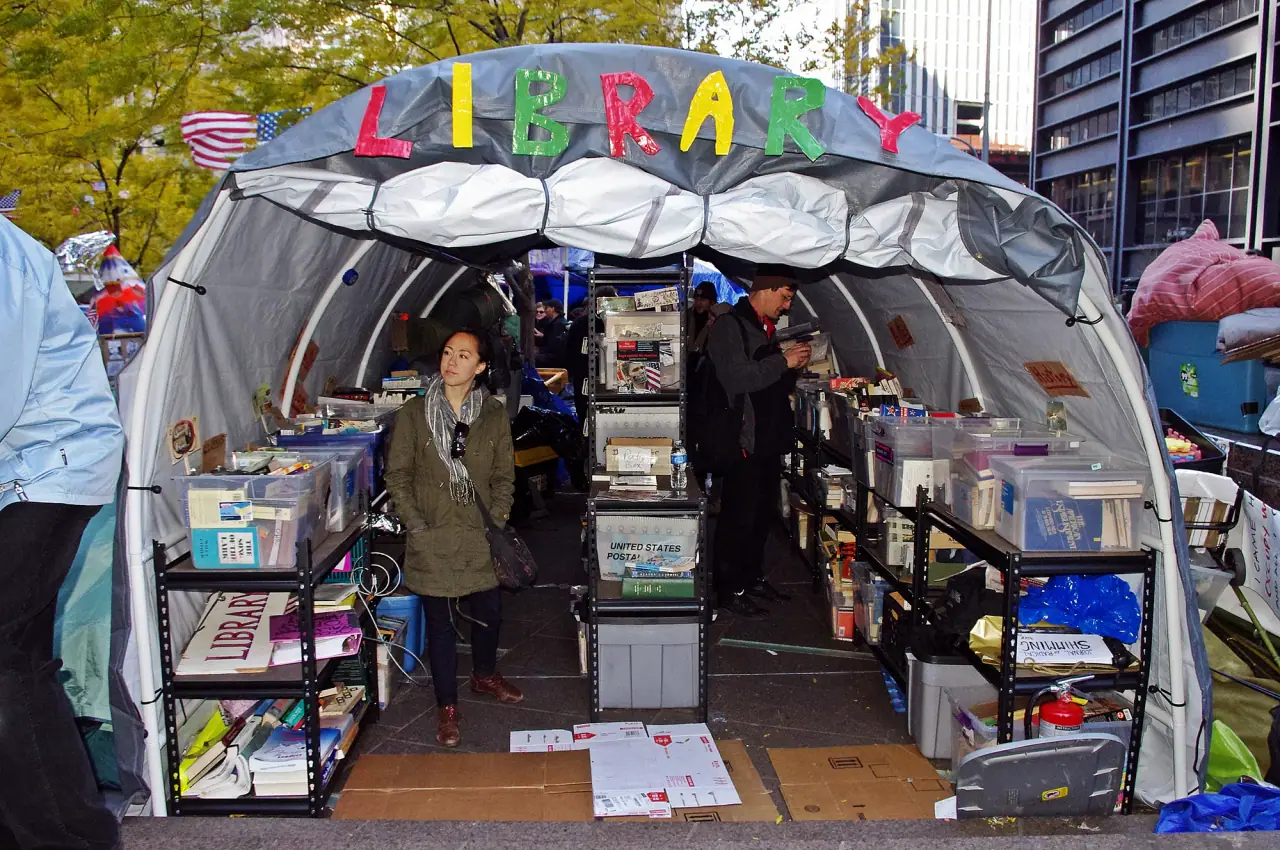
Links among housing credit, securitization and financial institutions allowed risks to amplify each other. The 2007–2009 recession affected employment and household assets. Rescuing the financial system and helping families who lost homes or jobs were different measures. Recovery did not guarantee that losses would be compensated equally. Health and education expenses continued to affect security, while the pandemic put occupations requiring physical presence in different circumstances from those that allowed remote work.
How did ordinary people live?
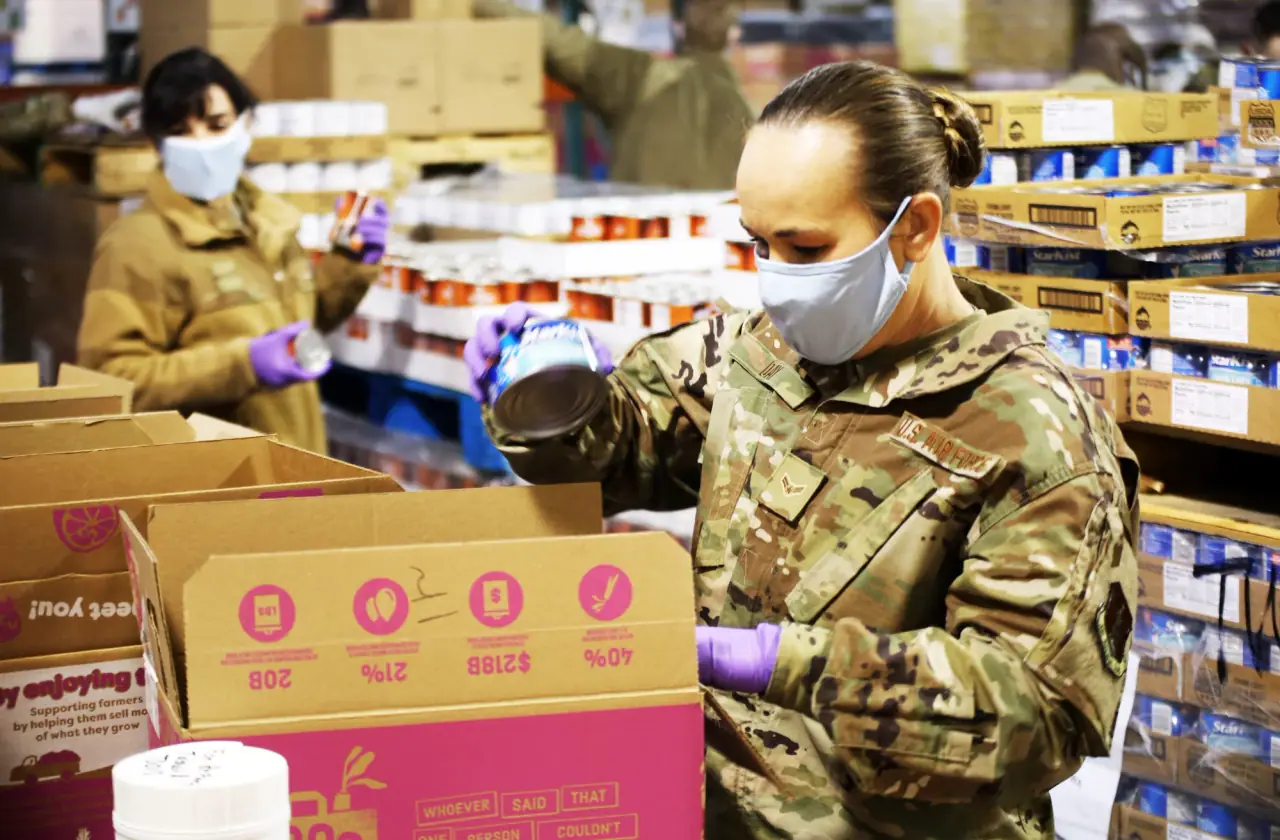
Families experienced changes in home values and employment while using networks for consumption, information and social life. In 2020 the pandemic disrupted arrangements for school, work and care. Health, logistics and service workers bore greater risks on site. Aggregate recovery figures cannot substitute for household experiences. Understanding social change requires examining how housing, occupations and protection affected people's ability to cope with crisis.
04 / 2001–2021Where change began
After the 2020 election, the violent attack on January 6, 2021 interrupted congressional certification of electoral votes. Congress subsequently resumed the procedure. Committee investigations, judicial proceedings and election results are different institutional processes. An investigative report's conclusions cannot all be described as criminal convictions. The pandemic and issues surrounding the transfer of power did not disappear at this moment, so the next chapter continues through the end of 2024.
Milestones that changed direction
2001: The September 11 attacks
Al-Qaeda hijacked four airliners. Attacks in New York, at the Pentagon and in Pennsylvania caused major casualties. Facts at the sites must be assessed separately from later authorizations for war and their effects.
2008: The financial crisis intensifies
Housing-credit risks spread through financial institutions and securitization. The crisis intensified in 2008, affecting jobs and household assets. Stabilizing banks and compensating household losses were different tasks.
2010: The Affordable Care Act
The Patient Protection and Affordable Care Act changed arrangements for insurance and coverage. Legislative aims must be distinguished from actual coverage, costs and health outcomes. The law's name is not an evaluation of its effects.
2020: The COVID-19 pandemic shock
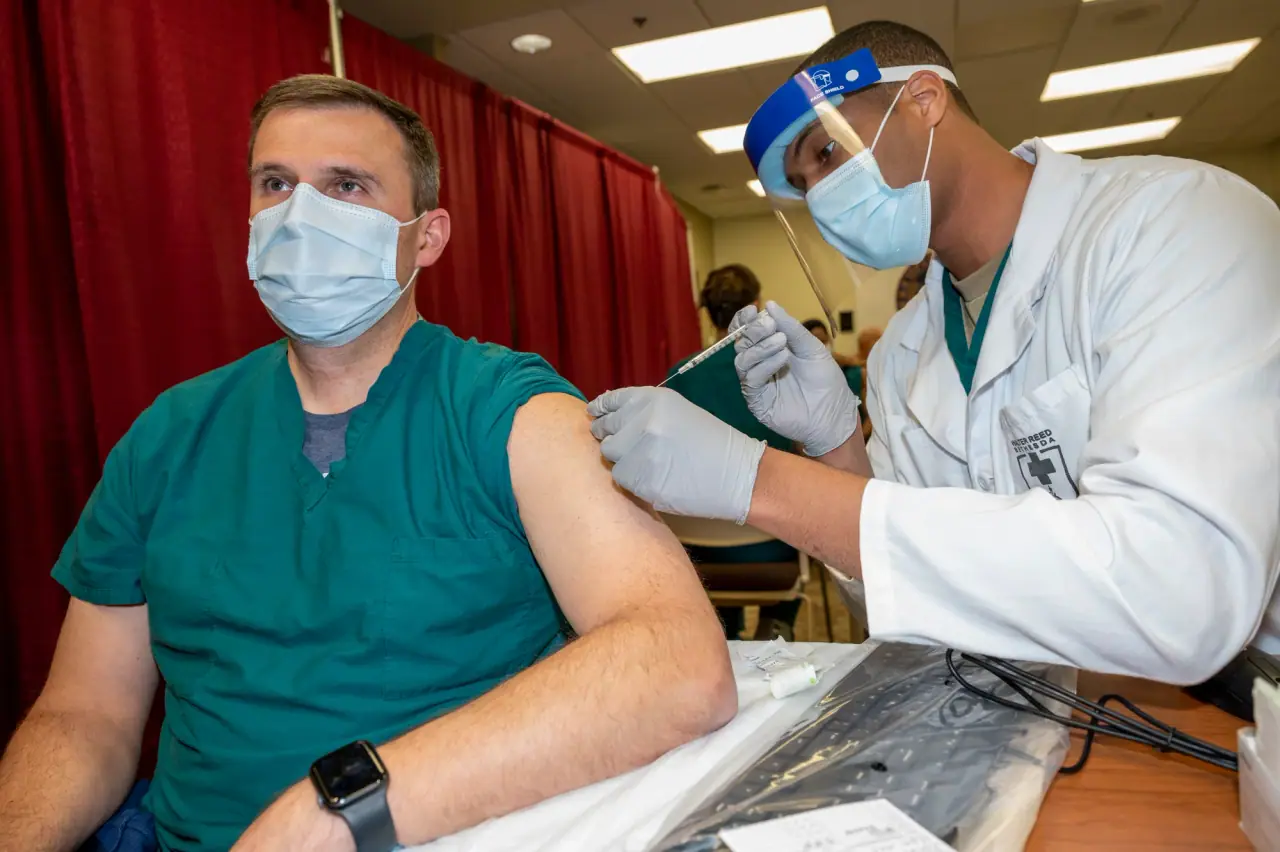
The public-health crisis disrupted work, school and care. Occupations and housing conditions affected risk. This milestone is a historical record; guidance from that period is not presented as personal medical advice for today.
2021: The attack on the Capitol
The violent attack on January 6 interrupted congressional certification of electoral votes before the procedure resumed. Committee findings must be distinguished from criminal charges, judicial decisions and election results.
What we know
September 11 memorial materials preserve eyewitness accounts. The military authorizations of 2001 and 2002 separately establish war powers; their justifications cannot simply be treated as proven facts. Financial studies explain the transmission of housing-credit risks, while health legislation establishes insurance rules. The January 6 report contains testimony, investigative narratives and conclusions that must be distinguished from judicial findings. An interactive timeline's introduction is not the complete body of testimony.
Questions still debated
Whether counterterrorism wars achieved their aims, how financial regulation and rescues distributed costs, and the effects of pandemic policies all require defined timeframes and comparisons. Institutional, economic, media and actor-centered explanations of political polarization also differ. Well-supported facts about attacks and the interruption of certification can be stated clearly while recognizing limits to causal research. Disagreement is not a reason to treat facts as nonexistent.
Legacies for later generations
This period broadened public discussion of security, financial risk, health coverage and responsibilities for care, while exposing unequal capacities to respond to crises. Crises left memorials, laws and administrative arrangements whose limits still require scrutiny. Historical narratives can explain how these institutions formed. A recovery, an election or a technological advance should not be presented as a final resolution of social divisions.
References and evidence
These materials support this page's account. Check the purpose, perspective and accessible scope of each source. Notes identify the evidential limits of excerpts, summaries and timelines.
- 9/11 Memorial: Introduction to the Interactive TimelineNational September 11 Memorial & Museum · Museum research
A museum chronology of the 2001 attacks and eyewitness accounts. Later wars and domestic policies require independent verification.
- The Great Recession, 2007–2009Federal Reserve History · Specialist reference
Housing, credit, employment and policy responses. Economic data are revised; the text avoids numbers whose versions have not been checked.
- What Is the Affordable Care Act?U.S. Department of Health and Human Services · Primary source
Verification of the 2010 legislation and reform aims. Statutory aims are not treated as an evaluation of effects.
- CDC Museum COVID-19 TimelineDavid J. Sencer CDC Museum · Museum research
A historical chronology of public-health and social responses in 2020. This is not current medical guidance for individual treatment.
- Report on the January 6, 2021 Attack on the U.S. CapitolU.S. House Select Committee / Government Publishing Office · Primary source
Narrative, testimony and materials in the House committee's 2022 report. Congressional findings are distinguished from judicial convictions. Relevant passages are used only to verify the attack and the interruption and resumption of certification.
- The Original Patient Protection and Affordable Care Act (2010)U.S. Government Publishing Office · Primary source
Public Law 111-148. Verify the approval date and insurance rules. Coverage and health outcomes cannot be inferred from statutory goals.
- The Authorization for Use of Military Force (2001)U.S. Government Publishing Office · Primary source
Original Public Law 107-40. Read it separately from the 2002 Iraq authorization. Legal authorization does not establish a war's effects or justification.
- The Authorization for Use of Military Force against Iraq (2002)U.S. Government Publishing Office · Primary source
Original Public Law 107-243. The resolution's stated reasons were claims by the actors; they cannot all be treated as facts subsequently verified.
- The 9/11 Museum: What Happened That DayNational September 11 Memorial & Museum · Museum research
The module's substantive text verifies the four airliners and attack locations. Eyewitness and video entry points are distinguished from the text; there is no claim that every interview was viewed.
At the end, bring this chapter to a close.