Industry and Immigration: A Society Connected by Rail
How was an industrial power built, and who was allowed to become a member of it?
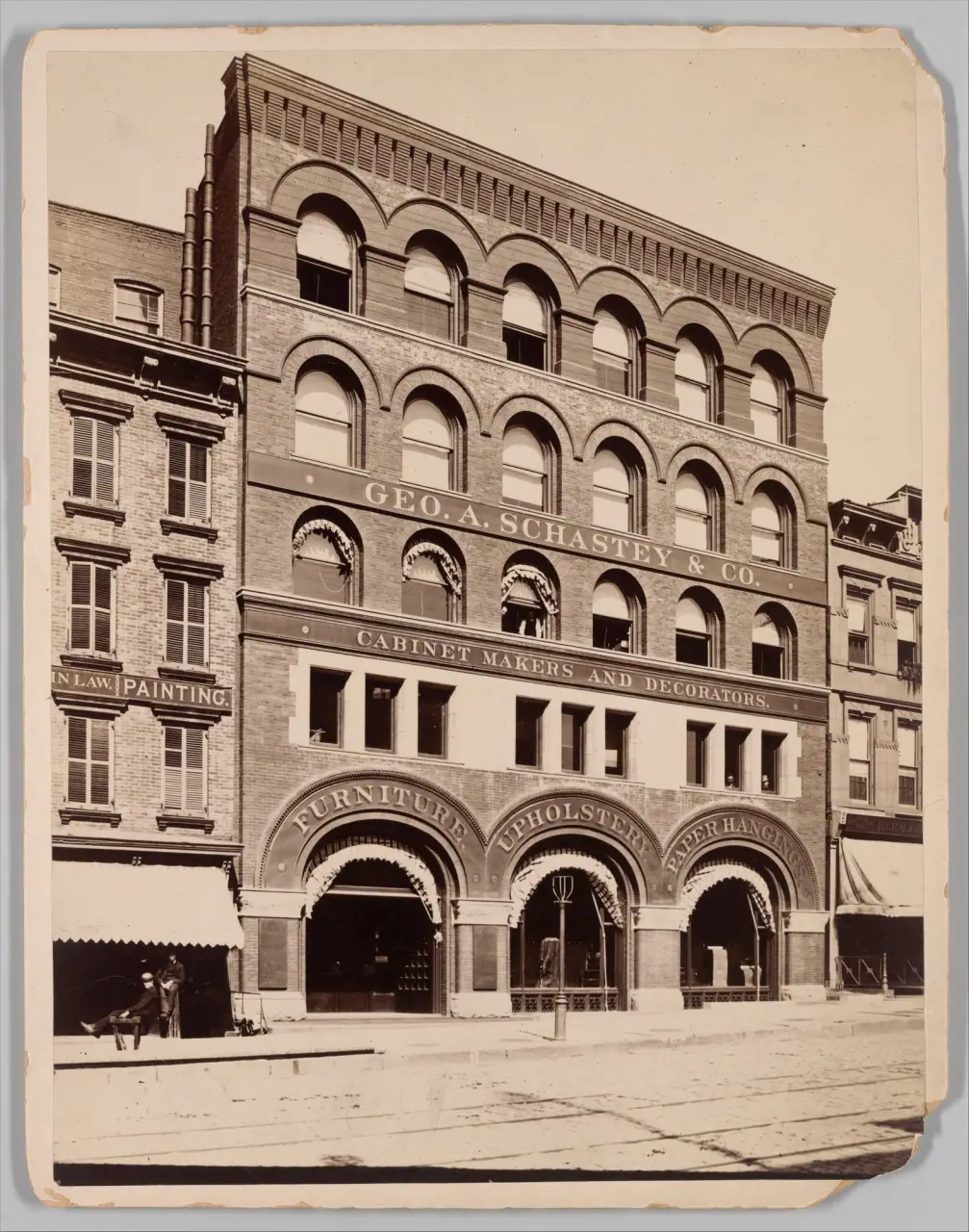
After the Civil War, railroads, steel, energy, and finance bound regional markets more tightly together. Corporate consolidation, technology, and government land and tariff policies jointly promoted industrial growth, while immigration and internal migration supplied labor and also brought new families and communities. Strikes, child labor, and dangerous work revealed the distributive costs of wealth growth; the Chinese Exclusion Act wrote racialized boundaries into federal immigration governance, and the Dawes Act further accelerated the division of Indigenous lands. Overseas expansion further challenged the republic's claims about consent and citizenship. Understanding this era requires looking simultaneously at factories, workers' organizations, and the spaces of the dispossessed, not merely treating large machines as a panorama of progress.
01 / 1877–1900How this era began
Factories, canals, and railroads had already appeared in the first half of the nineteenth century, and the Civil War further promoted national financing and production mobilization. After the war ended, resource development and cross-regional transportation continued to expand, and the existing slave economy also shifted into new labor relations. Industrialization therefore did not suddenly begin in 1877; rather, during the period of this chapter it formed larger-scale enterprises, a national market, and sharper concentration of power.
Why did this era begin?
Railroads linked mining districts, farmland, cities, and ports, and steel and energy enterprises expanded control through mergers and integration. Government provided land, protection, and support for order, so corporate success cannot be attributed solely to invention and risk-taking. Workers and farmers organized simultaneously to protest prices, wages, and debt, showing that the rules of market formation and the distribution of gains were always objects of political choice and social struggle.
02 / 1877–1900Who held power
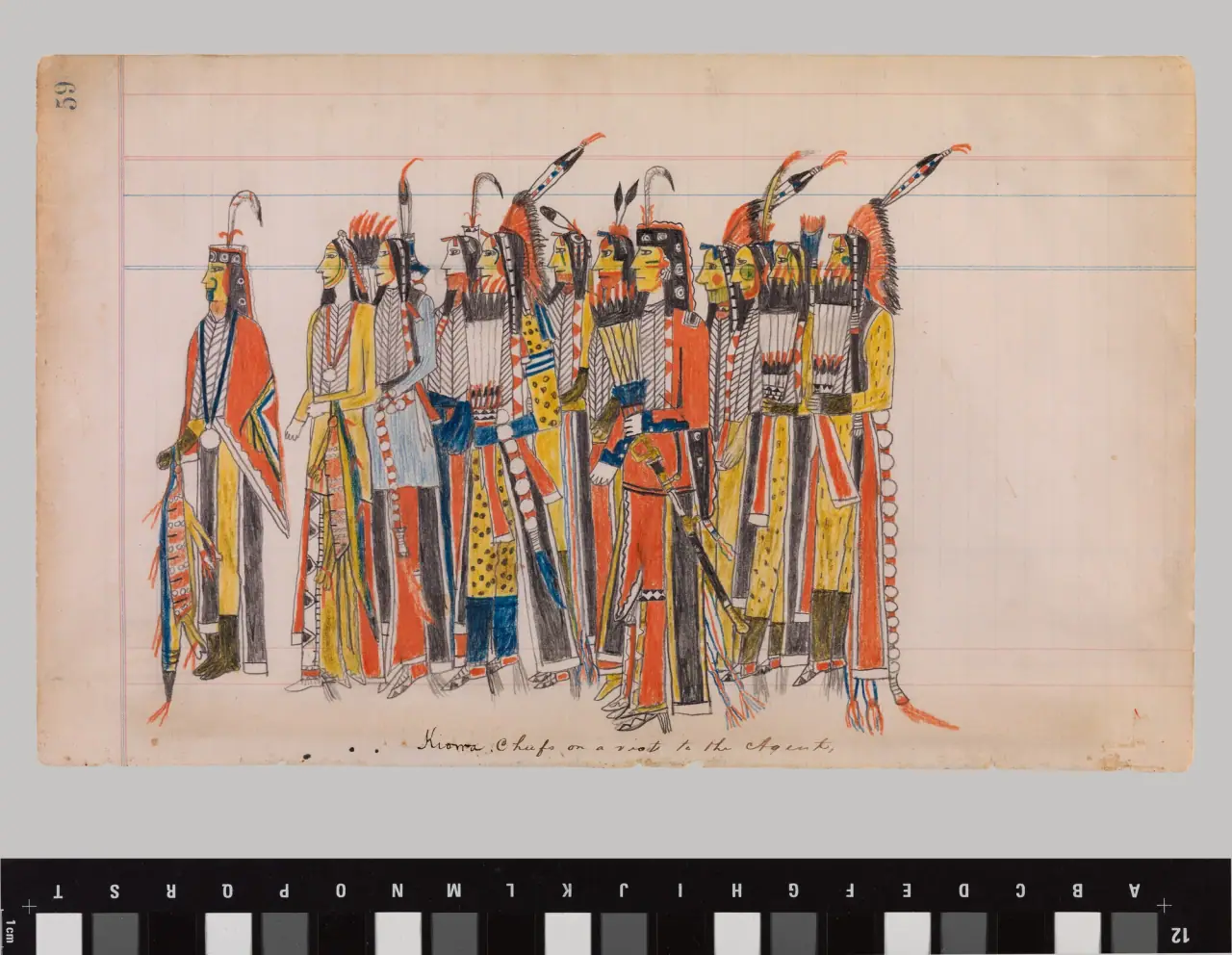
Big business gained resources and political influence, and federal and state governments both supported industrial development and began to face pressure over monopolies and social reform. Unions organized to seek collective bargaining but were often met with dismissal and armed repression. Non-citizen immigrants, Black people, and Indigenous peoples held different legal statuses, and the expansion of adult male suffrage cannot be understood as meaning that all workers could equally influence policy.
What tensions existed within the era?
The Great Railroad Strike of 1877 exposed the close relationship between labor and capital and state power, while anti-Chinese politics redirected wages and insecurity onto racialized scapegoats. The Dawes Act transformed communal land through individual allotment and assimilationist language, yet caused large-scale loss. It is necessary to distinguish the protection purposes claimed by policy from the actual mechanisms of domination, and not to treat a statute's title directly as proof that affected communities benefited.
03 / 1877–1900How society worked
Mass production, rail transport, and financial financing depended on one another, and commercial networks crossed US borders. Workers' wages and employment were affected by economic fluctuations and corporate decisions, and production growth did not guarantee family security. Resource extraction also reshaped land and the environment; separating economic history from Indigenous history would miss how raw materials, railroads, and capital accumulation depended on state-supported spatial expansion.
How did ordinary people live?
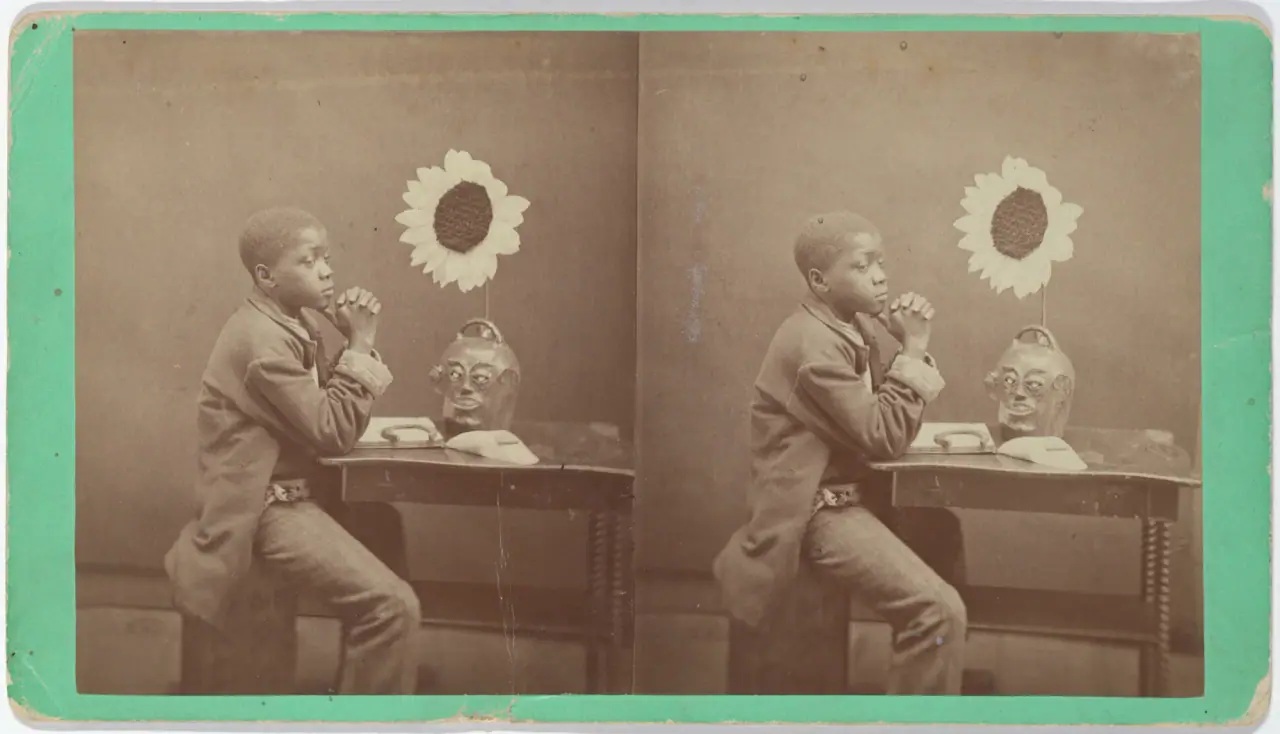
Immigrant families made their livings in factories, mines, shops, and services, adapting to new environments through language communities, religion, and mutual aid organizations. Women's and children's paid or unpaid labor supported households, and crowded housing and workplace injuries formed daily pressures. Black migrants both sought opportunities and faced exclusion, while Chinese communities also faced legal and violent threats; a single American dream cannot summarize different experiences.
04 / 1877–1900Where change began
In the late nineteenth century, laborers, farmers, women, and investigative journalists put forward various reform demands regarding concentrated wealth and urban problems, and the national regulatory agenda gradually expanded. The war of 1898 and the subsequent rule of the Philippines brought imperial questions into republican politics. 1900 is a narrative transition, not the completion of industrialization; many labor-capital, exclusion, and colonial conflicts continued and intensified in the next stage.
Milestones that changed direction
1877: The Great Railroad Strike
A railroad wage cut triggered strikes across regions, and the government used force to maintain transportation and order; the labor-capital conflict showed that the formation of a national market also changed the scale of state intervention in labor relations.
1882: The Chinese Exclusion Act
The law targeted the entry of Chinese laborers and prohibited Chinese naturalization, and it also contained document and identity review rules; the targeted category and its later expansions must not be miswritten as a ban at that time on all Chinese people entering the country.
1887: The Dawes Act
The allotment policy split communal land into individual allotments and opened so-called surplus land, weakening Indigenous control. The original law and later expansions had different targets, and not all peoples were included in the same year.
1892: Ida Wells Exposes Lynching
Wells investigated lynching and challenged narratives that explained violence as protecting society; journalists, communities, and cross-regional circulation formed a network of action, not merely a story of individual courage.
1898: The Spanish-American War
The Spanish-American War and the subsequent rule of the Philippines expanded the overseas empire, and Filipino independence actions intertwined with debates over US citizenship and representation; the story cannot be written only as naval victories.
What we know
The Library of Congress's industry feature provides materials on transportation, labor, and government support; the original text of the Chinese Exclusion Act allows verification of restrictions on Chinese laborers, documents, and naturalization clauses; and the Dawes Act shows the allotment mechanism. Ida Wells's investigations and biographical materials reveal the political role of lynching narratives. Photographs and propaganda posters each had purposes of shooting and publication, and the scale of visible machinery cannot be used to infer workers' real incomes.
Questions still debated
Whether corporate growth should be explained as efficiency gains, policy support, or concentration of power requires comparing industries and institutions, and biographies of successful figures cannot replace analysis. Immigrants and laborers were internally stratified by race, gender, and skill and were not a unified interest group. Discussing the gains and losses of industrial growth must specify who received the benefits and who bore the risks, and must include overseas colonization and Indigenous land within the scope of observation.
Legacies for later generations
A national market, big business, urban infrastructure, and diverse immigrant communities continued to shape the United States, and labor organizations also created conditions for later social insurance systems. Racialized entry and citizenship rules left long-lasting boundaries, and the division of Indigenous communal land changed the material basis of sovereignty. Prosperity and dispossession are different consequences of the same historical process; they cannot cancel each other out or be accounted for separately.
References and evidence
These materials support this page's account. Check the purpose, perspective and accessible scope of each source. Notes identify the evidential limits of excerpts, summaries and timelines.
- The American Industrial Revolution: A Primary Source SetLibrary of Congress · Archive
Context and original materials in a collection on industry and labor. Distinguish government support, corporate narratives and workers' experiences; do not repeat unexamined claims that an invention was the first.
- The Chinese Exclusion Act (1882)U.S. National Archives · Primary source
Federal legislation concerning Chinese labor immigration and naturalization, and its aftermath. It cannot be summarized as a ban on every Chinese person entering at that time.
- The Dawes Act (1887)U.S. National Archives · Primary source
Allotment of reservations and mechanisms of land privatization, understood through Indigenous land loss and sovereignty.
- Ida B. Wells: Biographical InformationU.S. National Park Service · Specialist reference
Investigative reporting, opposition to lynching, women's suffrage, and dates of birth and death.
- Milestone Documents in American HistoryU.S. National Archives · Archive
A thematic navigation entry for locating materials. Specific dates and institutional conclusions are cross-checked against documents, collections and substantive entries listed in this chapter. A directory does not establish an account of an entire period.
- The Philippines, 1898–1946: Conquest, War and RepresentationOffice of the Historian, U.S. House of Representatives · Specialist reference
The institution that produced a source and the nature of its text must be distinguished from what it describes. A source link does not mean that every related archive has been made public.
At the end, bring this chapter to a close.