The Progressive Era and World War I: Governing Modern Society
If the government could protect consumers and workers, why could it also suppress dissent?
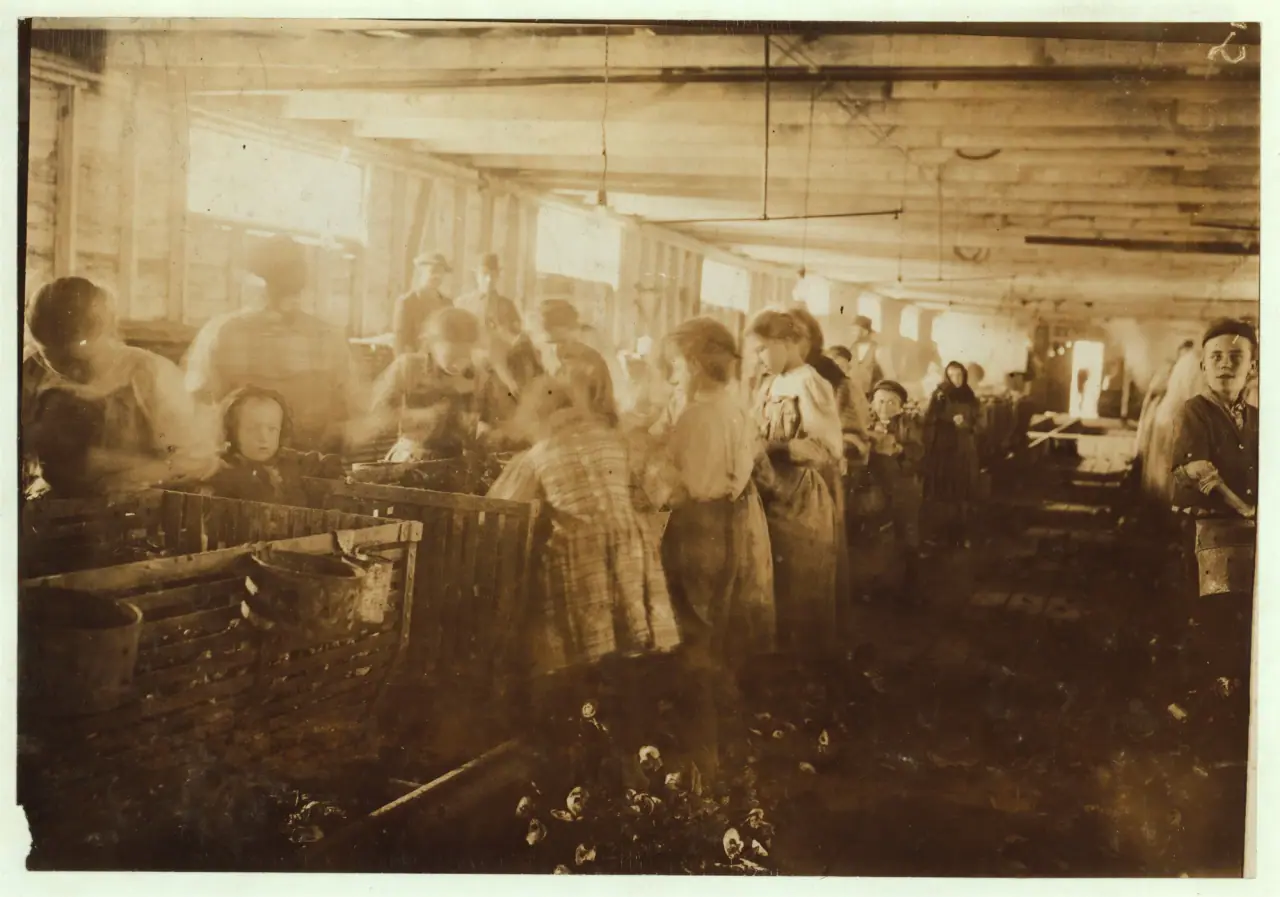
Early twentieth-century reform extended from urban sanitation, food safety, and child labor to corporate power and electoral systems. Women, unions, journalists, professionals, and local organizations proposed different plans, so progressivism was not a movement with a single, fully shared goal; it expanded public regulation and could also perpetuate racial exclusion and assimilation. The 1911 Triangle factory fire made the safety of immigrant women workers a powerful public issue, and World War I further enhanced the state's capacity for financing, production, and management and brought censorship and suppression of dissent. The Nineteenth Amendment in 1920 limited deprivation of the vote on the basis of sex, but many women still faced practical obstacles from race and local systems.
01 / 1900–1920How this era began
Industrial growth, urban crowding, and corporate consolidation put pressure on existing local governance, and labor and social organizations had already accumulated experience in seeking reform. Immigrant communities needed housing, safety, and public services, and business and professional groups also hoped to use rules to stabilize markets. Reform therefore came both from demands of the dispossessed and from considerations of maintaining social order, and cannot be collectively described as elites bestowing gifts on the poor.
Why did this era begin?
Investigative reporting, union organizing, and local experiments brought risks of work and consumption into public discussion, and federal food regulation and antitrust gradually expanded. Disasters do not automatically produce reform; after the Triangle factory fire, victims' communities, labor organizations, and legislative action jointly pushed institutional change. Coalitions and outcomes differed across issues, and reform cannot be portrayed as a single, steadily rising unified process.
02 / 1900–1920Who held power
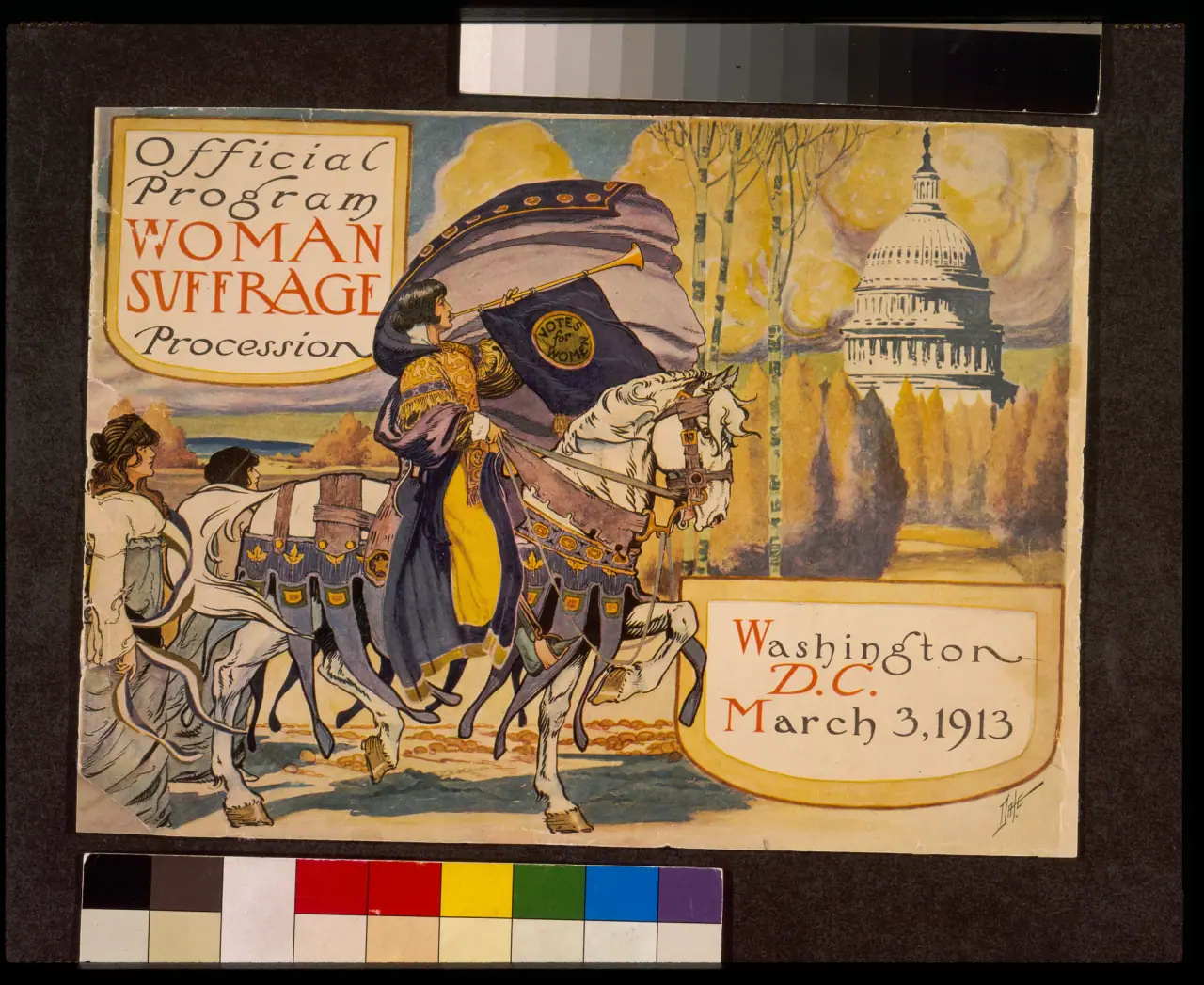
State and federal regulators, courts, businesses, and unions fought over rules, and expertise gained greater administrative standing. Women's organizations and the suffrage movement expanded participation, yet many reformers still accepted racial segregation or restricted immigration. Greater state capacity could protect workers, but it could also discipline residents in the name of morality or security; its direction must be judged from specific measures.
What tensions existed within the era?
Reformers differed in their understanding of labor, gender, race, and state authority, and some demands for equality coexisted with ideas of empire or racial hierarchy. After the declaration of war in 1917, antiwar and radical organizations faced greater restrictions, and wartime loyalty was used to judge citizenship. The public interest was therefore not a unified standard requiring no explanation; one must ask who defines danger, who can object, and who bears the cost.
03 / 1900–1920How society worked
Industry and finance continued to develop; antitrust was not about abolishing large enterprises but about debating the boundaries of competition, control, and public regulation. Workplace safety, working hours, and child labor became questions of who bore the costs, and World War I brought manufacturing and transport into large-scale mobilization. Rising productive capacity was therefore accompanied by new rules and conflicts, and output alone cannot prove that workers' lives generally improved.
How did ordinary people live?
Young immigrant women in garment factories navigated wages, hours, and family responsibilities, while unions and mutual-aid networks offered the possibility of collective action. Crowded housing, food quality, and child labor affected urban families, so public health and community services entered reform. Focusing on ordinary people must not reduce them to victims only when a fire occurs; it should also recognize their capacity to organize, protest, and propose solutions.
04 / 1900–1920Where change began
The end of the war and the 1920 constitutional amendment did not end reform, nor did they immediately eliminate local exclusion. Wartime mobilization left administrative and industrial capacity, and society then faced demobilization, labor-capital, and immigration conflicts. Using 1920 as a dividing point makes it easier to observe the shift from reform and war into the consumer era, but the implementation of suffrage, labor protection, and the state's attitude toward dissent continued to be debated afterward.
Milestones that changed direction
1906: Food and drug regulatory legislation
Food and drug legislation strengthened regulation of adulterated and misbranded products in interstate commerce; scientific investigation and public pressure drove the system, but enactment of a law cannot be assumed to have made all goods immediately safe.
1911: Triangle factory fire
The New York Triangle factory fire took 146 lives, most of them immigrant women. Worker organizing, testimony, and political reform brought the disaster onto the public agenda; it was not simply officials acting after seeing a fire.
1913: Establishment of the Federal Reserve System
The Federal Reserve Act established a new central banking system, organized with both regional reserve banks and central coordination. The institution emerged from debate and legislation, and was not something a single secret meeting could decide.
1917: The United States enters World War I
The United States declared war on Germany, and conscription and military supply mobilization expanded federal capacity; submarine warfare, diplomacy, and domestic opinion influenced the choice, and entry into the war was accompanied by restrictions on some dissent.
1920: Nineteenth Amendment
The Nineteenth Amendment prohibited restricting voting eligibility on the basis of sex, and the dates of approval and confirmation must be kept separate; racialized state laws and other obstacles still prevented many women from actually voting.
What we know
The Library of Congress reform collection explains multiple issues and actors, the Cornell Triangle fire archive provides records of victims, testimony, and labor organization, and the Nineteenth Amendment allows verification of statutory voting guarantees. Some propaganda images or government investigations still carry their authors' positions and need comparison with workers' voices; the year a law was enacted also cannot substitute for evidence of local enforcement and actual safety.
Questions still debated
Whether progressivism was about limiting capital, increasing state capacity, or regulating social life, the answer varies by issue and region. How war changed reform coalitions also requires distinguishing the interests of different groups. A single progressive or conservative label cannot cover everyone; a more explanatory comparison is to examine how specific policies changed participation, risk, and resources, and which residents remained excluded.
Legacies for later generations
Food and labor regulation, professional administration, and women's political participation changed public life, but also left the risk that regulation would replace the voices of those affected. The experiences of immigrant workers and women's organizations extended into the New Deal and the civil rights movement. Evaluating this era requires examining regulatory goals, legal enforcement, and the experiences of the excluded separately; the name progress alone cannot make every policy a step toward equality.
References and evidence
These materials support this page's account. Check the purpose, perspective and accessible scope of each source. Notes identify the evidential limits of excerpts, summaries and timelines.
- Progressive Era Reform: A Primary Source SetLibrary of Congress · Archive
Source collections and contextual texts on food, labor, elections, urban reform and other subjects. Reform coalitions and their exclusions varied.
- The Triangle Shirtwaist Factory Fire ArchiveKheel Center, Cornell University School of Industrial and Labor Relations · Archive
The fire of March 25, 1911, victims, testimony and labor-safety reform. Workers were more than victims alone.
- The Nineteenth Amendment (1920)U.S. National Archives · Primary source
Prohibition of denying voting rights on the basis of sex, while noting that racial restrictions continued to prevent many women from actually voting.
- Milestone Documents in American HistoryU.S. National Archives · Archive
A thematic navigation entry for locating materials. Specific dates and institutional conclusions are cross-checked against documents, collections and substantive entries listed in this chapter. A directory does not establish an account of an entire period.
- The Great Inflation, 1965–1982Federal Reserve History · Specialist reference
Monetary systems, energy shocks and tightening policies. Interpretations from an institution involved in policymaking require comparison with labor and social history.
- Excerpts from Perkins's 1964 Speech Recalling the Triangle Fire and ReformKheel Center for Labor-Management Documentation and Archives, Cornell University · Primary source
A transcript of a speech in 1964 recalling 1911, shaped by selective memory. Distinguish it from testimony and regulations from the time.
- Frances PerkinsU.S. National Park Service · Specialist reference
The institution that produced a source and the nature of its text must be distinguished from what it describes. A source link does not mean that every related archive has been made public.
- Signing the Federal Reserve Act in 1913 and Institutional DebatesFederal Reserve History · Specialist reference
The text distinguishes proposals, legislation, and regional and central structures. The illustration is a painting made in 1923 or later, not a photograph of the 1913 event.
- American Entry into World War I in 1917Office of the Historian, U.S. Department of State · Specialist reference
Substantive material on diplomacy, submarine warfare and the decision to enter the war. Decision-makers' stated reasons are distinguished from historical explanations.
At the end, bring this chapter to a close.