World War II: The contradictions of the arsenal of democracy
How did a nation fighting for freedom treat minorities within its own borders?

After war broke out in Europe in 1939, the United States made choices regarding neutrality, aid, and security; the attack on Pearl Harbor in 1941 turned it toward full participation in the war. Mobilization of industry, research, and the military expanded employment and state capacity; women and minorities took on more production and military service, yet did not thereby automatically gain equality. Japanese American residents were forcibly relocated and interned, showing the grave consequences of violating civil rights in the name of security. The Allies cooperated to defeat the Axis, and the United States also used atomic bombs on Hiroshima and Nagasaki, causing enormous civilian catastrophe. Wartime aid, veterans' programs, and international economic arrangements created foundations for the postwar order; victory must therefore be understood together with its social costs and the subsequent structures of power.
01 / 1939–1945How this era began
The economy was still recovering from the Great Depression, while wars in Europe and Asia had already challenged American judgments about trade, neutrality, and security. Domestically there was opinion in favor of avoiding another European war, as well as forces supporting aid to countries subjected to aggression. The shift of 1939–1941 should be seen as a series of policy choices; one cannot assume that society had never been divided simply because the country later entered the war.
Why did this era begin?
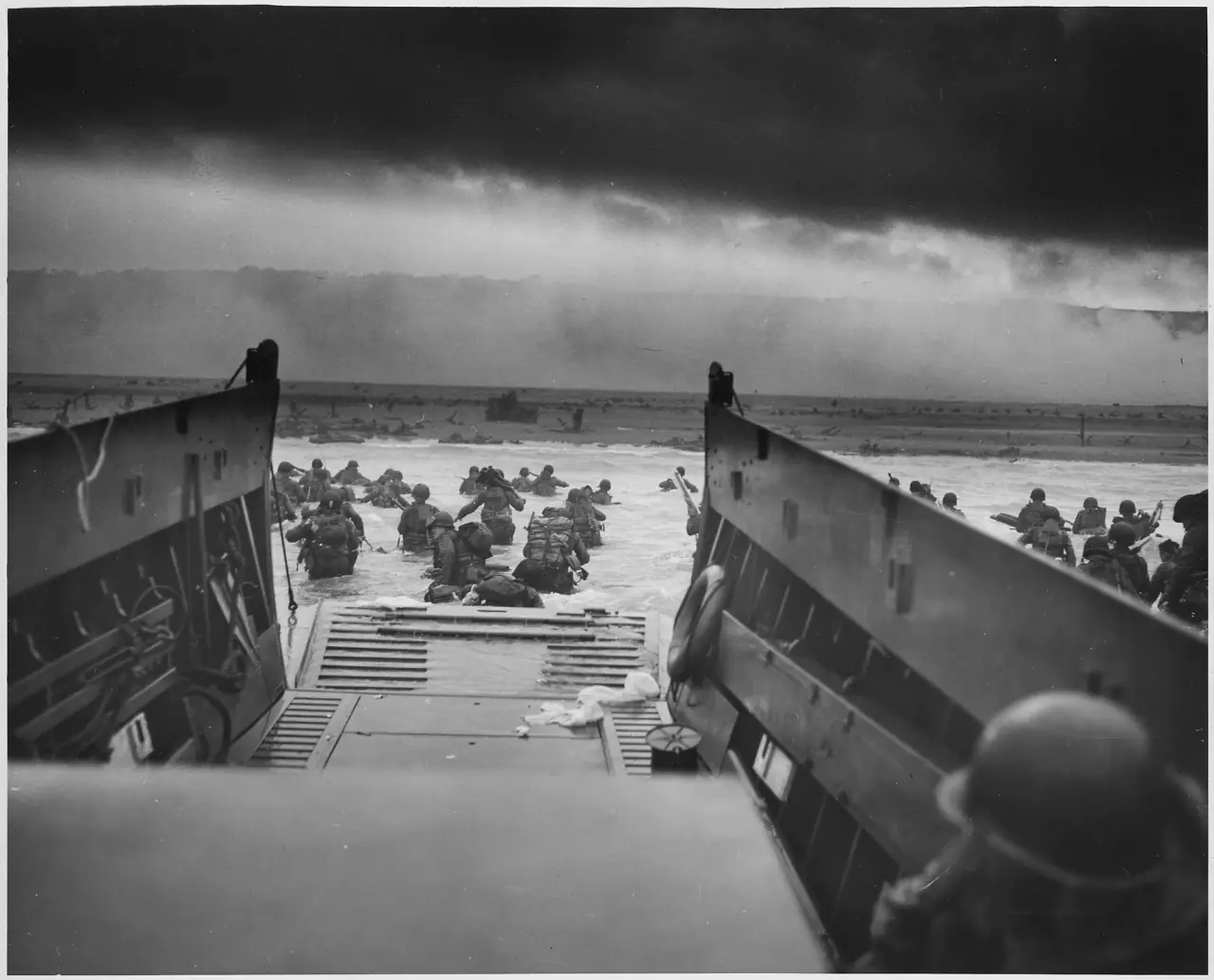
Aid to the Allies preceded full participation in the war, and the Lend-Lease system expanded American investment of resources in the war. In December 1941 Japan attacked Pearl Harbor, and the United States declared war on Japan and entered the broader world war. The state shifted from aid to direct military mobilization, and factories, transport, research, and household consumption began to be reorganized around the war, linking daily life more closely to combat at the front.
02 / 1939–1945Who held power
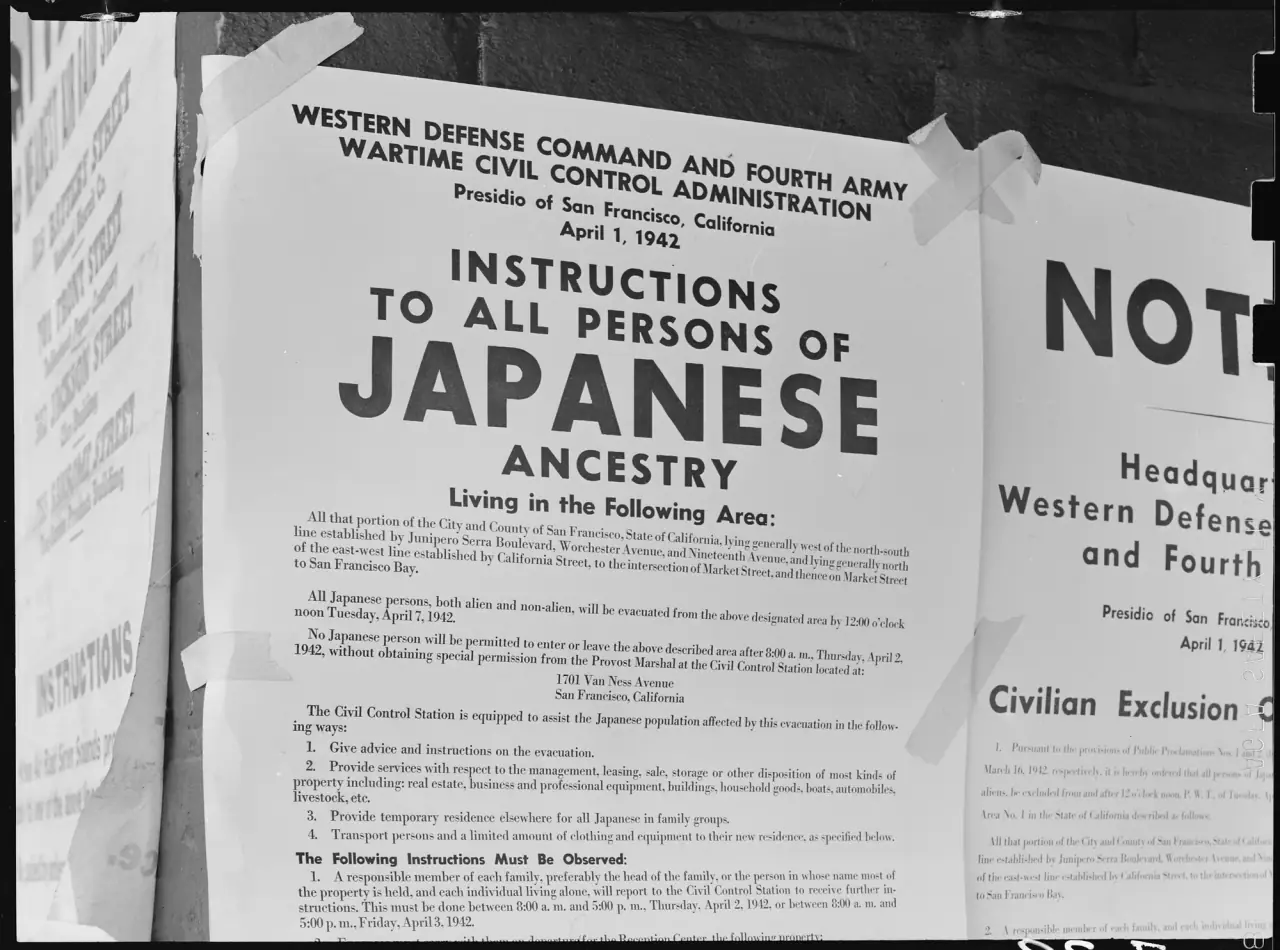
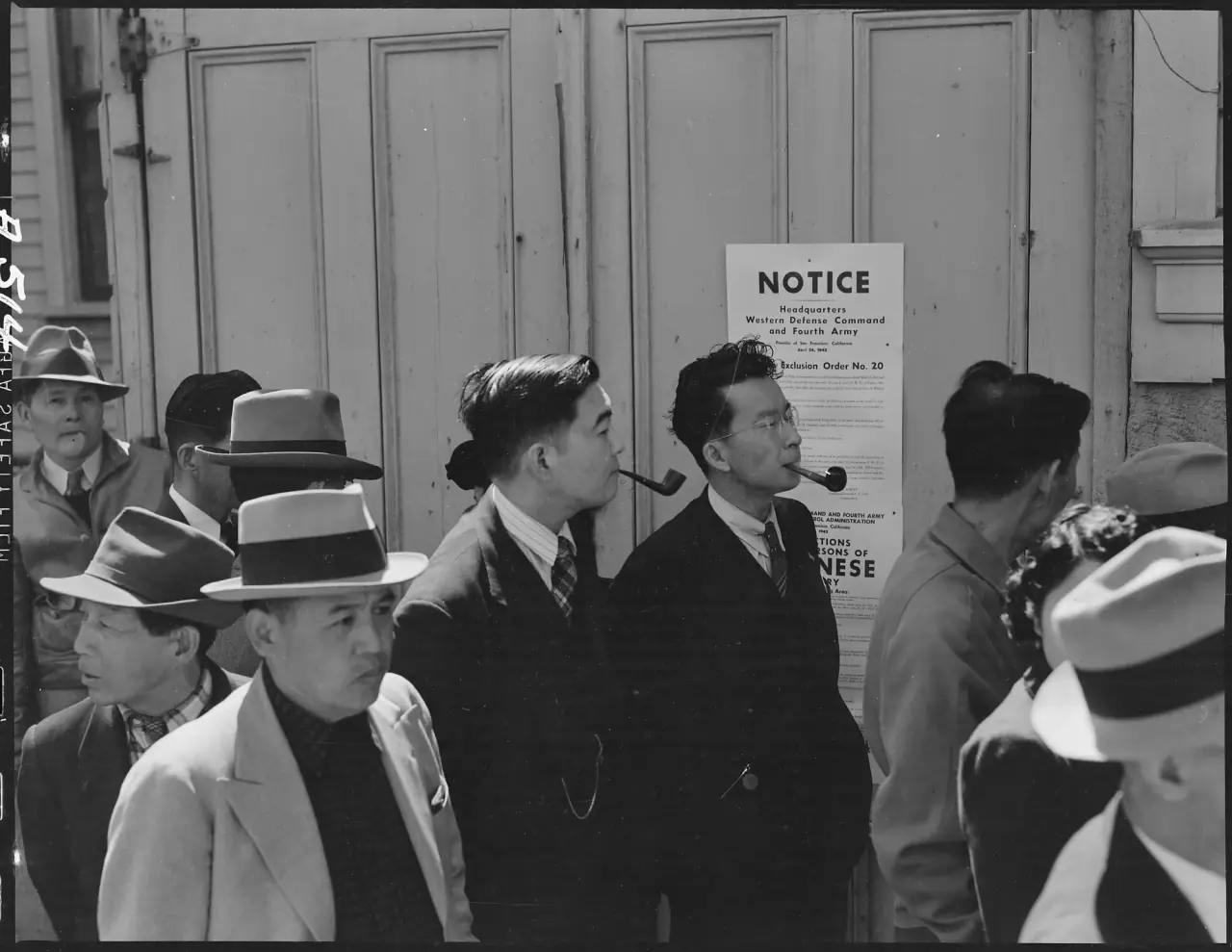
Administrative and military agencies expanded their capacity to manage production, personnel, and information, with Congress and business jointly participating in mobilization. Executive Order 9066 authorized the designation of military areas, and subsequent implementation carried out forced exclusion targeting Japanese American residents of the West Coast. The order's abstract wording cannot conceal the racial targeting of its implementation, nor can security grounds be accepted as a basis for depriving people of liberty without scrutiny.
What tensions existed within the era?
The mobilizing language of anti-fascism and freedom coexisted with racial hierarchies in the military and domestic society. Minorities sought equality in employment and military service, while the government used ancestry as grounds for excluding Japanese Americans. Allied cooperation also involved the strategies and postwar interests of different countries; a common enemy cannot be understood as the absence of conflicts, and certainly the civilians of the Axis countries cannot be equated with their governments and armies.
03 / 1939–1945How society worked
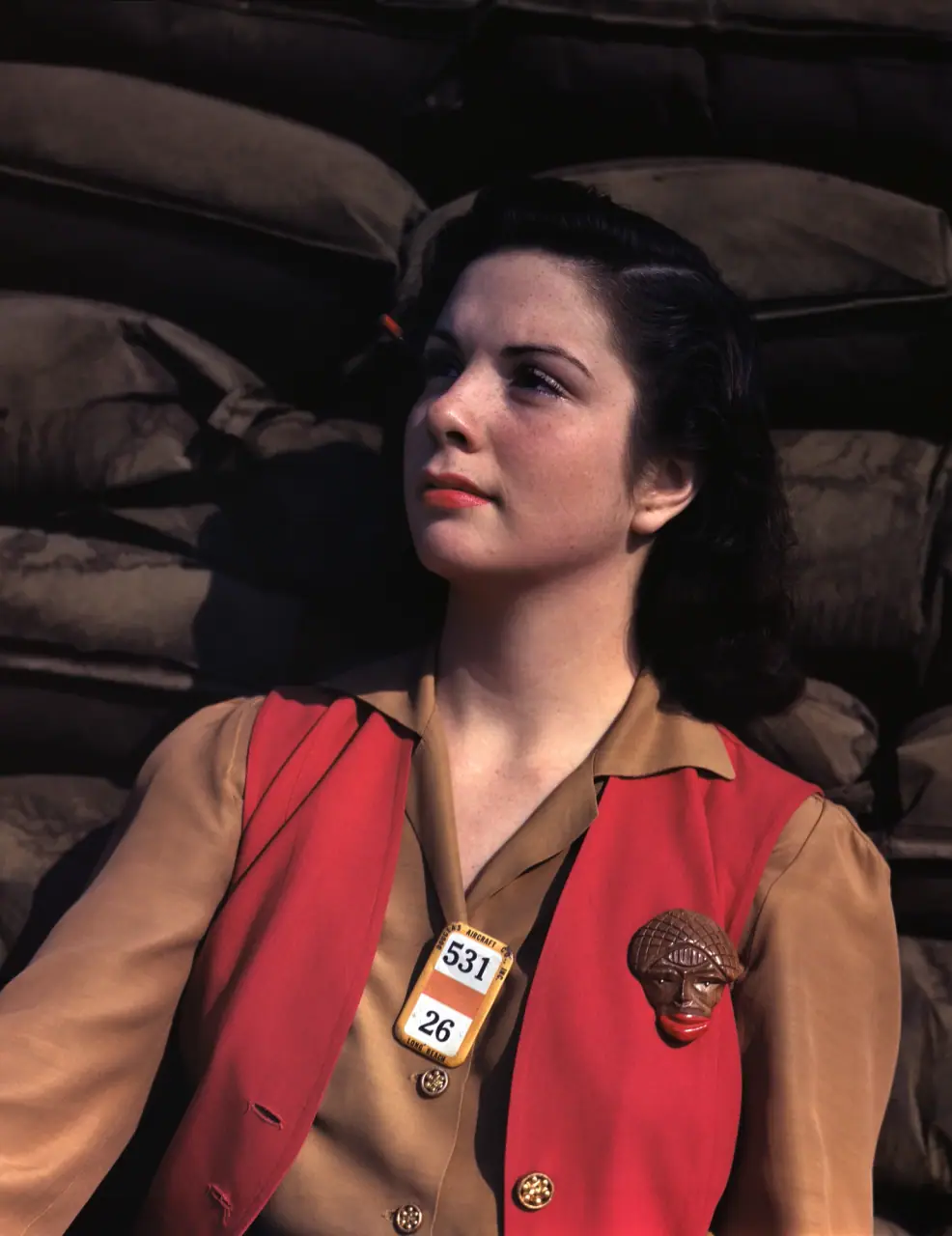
War production, federal procurement, and research investment expanded the scale of industry, and women and Black workers sought entry into jobs and better treatment. The allocation of military and civilian resources was affected by rationing and controls, and employers and unions also negotiated over wages and production order. Employment growth was an important change, but it must be assessed together with job segregation, hours, caregiving, and postwar occupational outcomes.
How did ordinary people live?
Families coped with conscription, separation, rationing, and casualty notifications, while factory workers bore dangerous work and long hours. Japanese American families were forced to leave their homes and property and to sustain life and community while interned. Those affected by the war also included civilians overseas; the experiences of survivors of Hiroshima and Nagasaki remind us that victory narratives cannot replace understanding of the bombings, bodily harm, and long-term trauma.
04 / 1939–1945Where change began
The war in Europe ended in 1945; the United States used atomic bombs in the final stage of the Pacific War, and Japan then surrendered. How Allied military advances, Soviet entry into the war, and the nuclear strikes jointly affected decisions requires distinguishing factual events from interpretation. The end of the war did not end risk; demobilization, housing, international institutions, and nuclear weapons management quickly plunged the country into another set of social and global power problems.
Milestones that changed direction
1939: War breaks out in Europe
The outbreak of war in Europe led the United States to debate neutrality, foreign aid, and security anew; overseas conflict had already affected trade and policy, and full participation in the war was not a unified position immediately settled in 1939.
1941: Lend-Lease aid and Pearl Harbor
The United States first expanded aid to the Allies; after Japan attacked Pearl Harbor in December, it declared war on Japan. Aid, the attack, and legal declaration of war are distinct points and cannot be compressed into a single automatic shift.
1942: Executive Order 9066
Executive Order 9066 authorized military areas and exclusion; subsequent implementation forced the relocation and internment of Japanese American families on the West Coast, many of the victims being citizens, although the order's wording did not directly name an ethnic group.
1944: The GI Bill and postwar arrangements
The war had not yet ended when the GI Bill was already designed to provide education, unemployment, and housing assistance. The bank and housing exclusion encountered by Black veterans shows that legal eligibility does not guarantee equal opportunity.
1945: Victory, the atomic bomb, and a new order
The Axis powers were defeated, and the United States used atomic bombs on Hiroshima and Nagasaki, causing severe harm to civilians. The causal relationship among the nuclear strikes, Soviet entry into the war, and the surrender decision must be discussed separately from the factual dates.
What we know
The original text of Executive Order 9066 and archival context distinguish formal authorization from forced implementation; the Servicemen's Readjustment Act allows verification of education, unemployment, and housing assistance. Wartime photographs often came from military or government commissions and served mobilization purposes; materials on atomic bomb survivors present another scale. Official victory reports, factory images, and personal experiences must be read together and cannot substitute for or cancel one another.
Questions still debated
The necessity of using atomic bombs, alternative choices, and the reasons for Japan's surrender still involve differing arguments, requiring comparison of intelligence available at the time, operational planning, and diplomatic materials. Discussion cannot reduce civilian harm to a footnote to hypothetical numbers. Domestically, whether the war directly brought social equality also requires distinguishing employment opportunities, legal eligibility, and postwar durability, rather than declaring liberation complete on the strength of a photograph of a woman worker.
Legacies for later generations
Wartime production and research expanded America's global influence, and veterans' education and housing policies changed opportunities for many families, but access to actual protections was still affected by racial exclusion. Victims of internment later sought recognition, apology, and compensation. The war left institutional and material capacities, and also left the threat that national security poses to rights; the later Cold War would continue to magnify this tension.
References and evidence
These materials support this page's account. Check the purpose, perspective and accessible scope of each source. Notes identify the evidential limits of excerpts, summaries and timelines.
- The Great Depression and World War II, 1929–1945Library of Congress · Archive
A thematic navigation entry for locating materials. Specific dates and institutional conclusions are cross-checked against documents, collections and substantive entries listed in this chapter. A directory does not establish an account of an entire period.
- Executive Order 9066 and Japanese American IncarcerationU.S. National Archives · Primary source
The 1942 order, forced removal, incarceration and later redress. 'Relocation' was contemporary government terminology; the account must expose the actual deprivation.
- Milestone Documents in American HistoryU.S. National Archives · Archive
A thematic navigation entry for locating materials. Specific dates and institutional conclusions are cross-checked against documents, collections and substantive entries listed in this chapter. A directory does not establish an account of an entire period.
- The Early Cold War, 1945–1952Office of the Historian, U.S. Department of State · Specialist reference
A thematic navigation entry for locating materials. Specific dates and institutional conclusions are cross-checked against documents, collections and substantive entries listed in this chapter. A directory does not establish an account of an entire period.
- The GI Bill (1944)U.S. National Archives · Primary source
The institution that produced a source and the nature of its text must be distinguished from what it describes. A source link does not mean that every related archive has been made public.
- The Great Inflation, 1965–1982Federal Reserve History · Specialist reference
Monetary systems, energy shocks and tightening policies. Interpretations from an institution involved in policymaking require comparison with labor and social history.
- Survivors of the Hiroshima and Nagasaki Atomic BombsU.S. National Park Service · Specialist reference
The nuclear attacks of 1945 and survivors' experiences. Postwar recollections alone cannot determine every cause of the surrender decision.
- Roosevelt's 1941 Draft War Speech against Japan and the Declaration of WarU.S. National Archives · Primary source
The speech draft, revisions and congressional declaration of war. The original speech is material for political mobilization, not an account of every aspect of the war's background.
At the end, bring this chapter to a close.